
Sacrament Meaning Simple: Spiritual Purpose and Daily Grace Explained
✨ This article was AI edited. Editorial responsibility: Saint Jerome Church.
Produced with AI. This article was artificially generated. Editorial responsibility: Saint Jerome Church.
The simple meaning of a sacrament is a real encounter with Jesus Christ through a visible holy sign. Rather than a mere symbol, a sacrament is a sacred channel of God’s grace that forgives sins, gives spiritual strength, and binds our lives intimately to God and our Christian community.
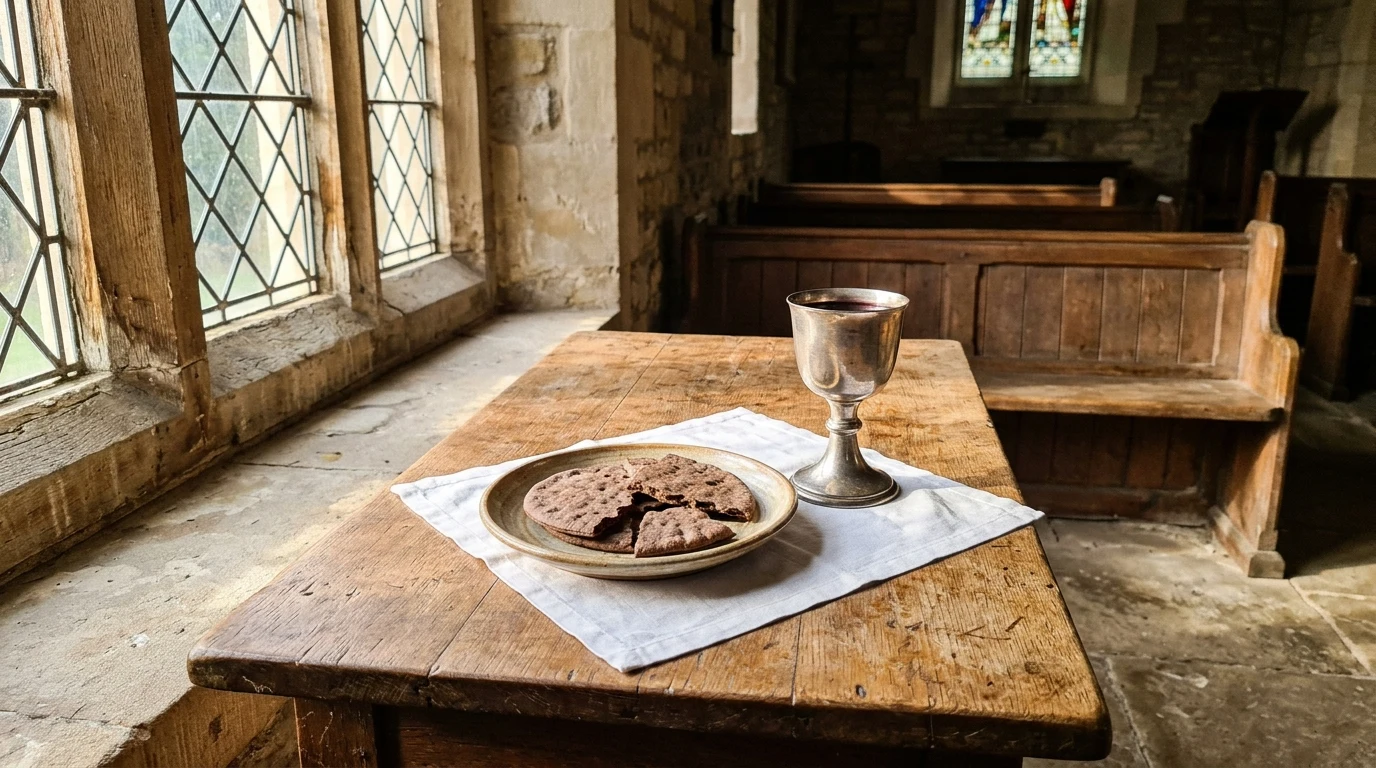
When people ask about the sacrament meaning simple and clear, they are usually looking for the spiritual purpose behind church rituals. Why do priests pour water over a baby’s forehead? Why do Catholics kneel and receive a small piece of unleavened bread every Sunday? The answers reveal the deepest, most comforting truths about God’s relationship with humanity.
Contents
- Understanding the Meaning Behind the Word ‘Sacrament’
- How Sacraments Work: Understanding ‘Grace’ Simply
- The Meaning of the Seven Sacraments in Everyday Life
- 1. Baptism: The Meaning of New Beginnings
- 2. Confirmation: The Meaning of Spiritual Maturity
- 3. The Holy Eucharist: The Meaning of Divine Nourishment
- 4. Reconciliation: The Meaning of Second Chances
- 5. Anointing of the Sick: The Meaning of Comfort in Pain
- 6. Holy Matrimony: The Meaning of Selfless Love
- 7. Holy Orders: The Meaning of Self-Giving Service
- Summary Table: The Meaning and Everyday Life Application
- Why the Sacraments Matter for You Today
- Frequently Asked Questions About the Simple Meaning of Sacraments
Understanding the Meaning Behind the Word ‘Sacrament’
Long before the word sacrament was used in church liturgies, it was an ancient word with two beautiful meanings:
- A Sacred Pledge: In ancient times, a sacramentum was a solemn promise of loyalty and devotion. In Christianity, a sacrament is first and foremost God’s unbreakable promise to always love, forgive, and care for us.
- A Holy Mystery: In early Greek writings, the word was mysterion—something deep and sacred that human words cannot fully capture. Through sacraments, the invisible mystery of God becomes visible and touchable.
Therefore, the meaning of a sacrament is simple: it is God reaching down into our physical world to touch our lives with His unconditional love.
How Sacraments Work: Understanding ‘Grace’ Simply
To understand the meaning of sacraments, one must understand the simple meaning of grace. Grace is not a magical energy; grace is God’s personal friendship, help, and life dwelling within us. Just as plants need sunlight and water to grow, our souls need God’s grace to stay spiritually alive, peaceful, and joyful.
Jesus knew that life on earth can be tough. We get tired, we make mistakes, we feel lonely, and we face difficult decisions. God did not leave us on our own. He established the seven sacraments as spiritual refueling stations along the journey of life.
The Meaning of the Seven Sacraments in Everyday Life
Each of the seven Catholic sacraments has a specific spiritual meaning tailored to human needs:
1. Baptism: The Meaning of New Beginnings
Baptism means that you are never alone. By washing away Original Sin with water, God claims you as His own son or daughter. It marks the start of an eternal relationship with God that can never be undone.
2. Confirmation: The Meaning of Spiritual Maturity
Confirmation means taking personal ownership of your Christian faith. Just as the Holy Spirit filled Jesus’ disciples with courage on Pentecost, Confirmation gives teenagers and adults the inner courage to stand up for truth, kindness, and justice.
3. The Holy Eucharist: The Meaning of Divine Nourishment
The Holy Eucharist means communion with Jesus. Catholics believe that during Mass, Jesus becomes truly present in the bread and wine. When we receive Communion, Jesus comes to live inside our hearts, giving us spiritual strength to face the week ahead.
4. Reconciliation: The Meaning of Second Chances
Reconciliation (Confession) means that with God, you are always welcome home. No matter what mistake you have made, God’s mercy is bigger than your sin. When the priest prays the prayer of forgiveness, your conscience is cleared and your soul is renewed.
5. Anointing of the Sick: The Meaning of Comfort in Pain
When someone is sick or elderly, Anointing of the Sick means that God is holding their hand. It brings peace to anxious minds, eases spiritual burdens, and reminds the patient that their suffering is never meaningless in God’s eyes.
6. Holy Matrimony: The Meaning of Selfless Love
Marriage means a sacred partnership modeled after Christ’s love for humanity. A husband and wife promise to help each other grow in virtue, build a loving home, and reflect God’s fidelity through their love for one another.
7. Holy Orders: The Meaning of Self-Giving Service
Holy Orders means dedication to shepherd God’s people. Deacons, priests, and bishops surrender personal career ambitions to celebrate the sacraments, comfort the grieving, and preach the Gospel to all who seek truth.
Summary Table: The Meaning and Everyday Life Application
The following table illustrates the spiritual meaning and everyday application of each sacrament:
| Sacrament | Core Spiritual Meaning | How It Helps in Daily Life |
|---|---|---|
| Baptism | Identity as a beloved child of God | Gives permanent security knowing you belong to God |
| Confirmation | Empowerment by the Holy Spirit | Provides courage to live virtuously despite peer pressure |
| Holy Eucharist | Intimate union with the living Christ | Nourishes patience, charity, and joy in daily challenges |
| Reconciliation | Mercy, healing, and restoration | Releases guilt, relieves stress, and heals relationships |
| Anointing of Sick | Divine presence in physical weakness | Relieves fear of illness and brings peaceful comfort |
| Matrimony | Unconditional covenant love | Strengthens marriage through communication and mutual trust |
| Holy Orders | Pastoral leadership and servant ministry | Provides spiritual fathers to guide and comfort the community |
Why the Sacraments Matter for You Today
Life can easily feel disconnected, stressful, and uncertain. The sacraments ground us in reality. When you step into church and take part in a sacrament, you are stepping out of the noise of the world and into the presence of God. You are reminded that your life has sacred dignity, your sins can be forgiven, and God is walking alongside you every step of the way.
Frequently Asked Questions About the Simple Meaning of Sacraments
What does the word sacrament mean in plain English?
In plain English, a sacrament means a sacred encounter with God where a physical sign (like water or bread) brings real spiritual grace into our lives.
Why are there seven sacraments?
The Catholic Church recognizes seven sacraments because Jesus instituted them to cover all the essential stages of human life: birth (Baptism), growth (Confirmation), nourishment (Eucharist), healing (Confession and Anointing), and community leadership (Marriage and Holy Orders).
Do I have to be perfect to receive a sacrament?
No. Sacraments are not rewards for being perfect; they are medicines and spiritual food to help imperfect people grow closer to God.
Get our latest guides, news, and insights highlighted in your Google Search & AI Overviews.


 URGENT: PAGE CLOSING SOON!