
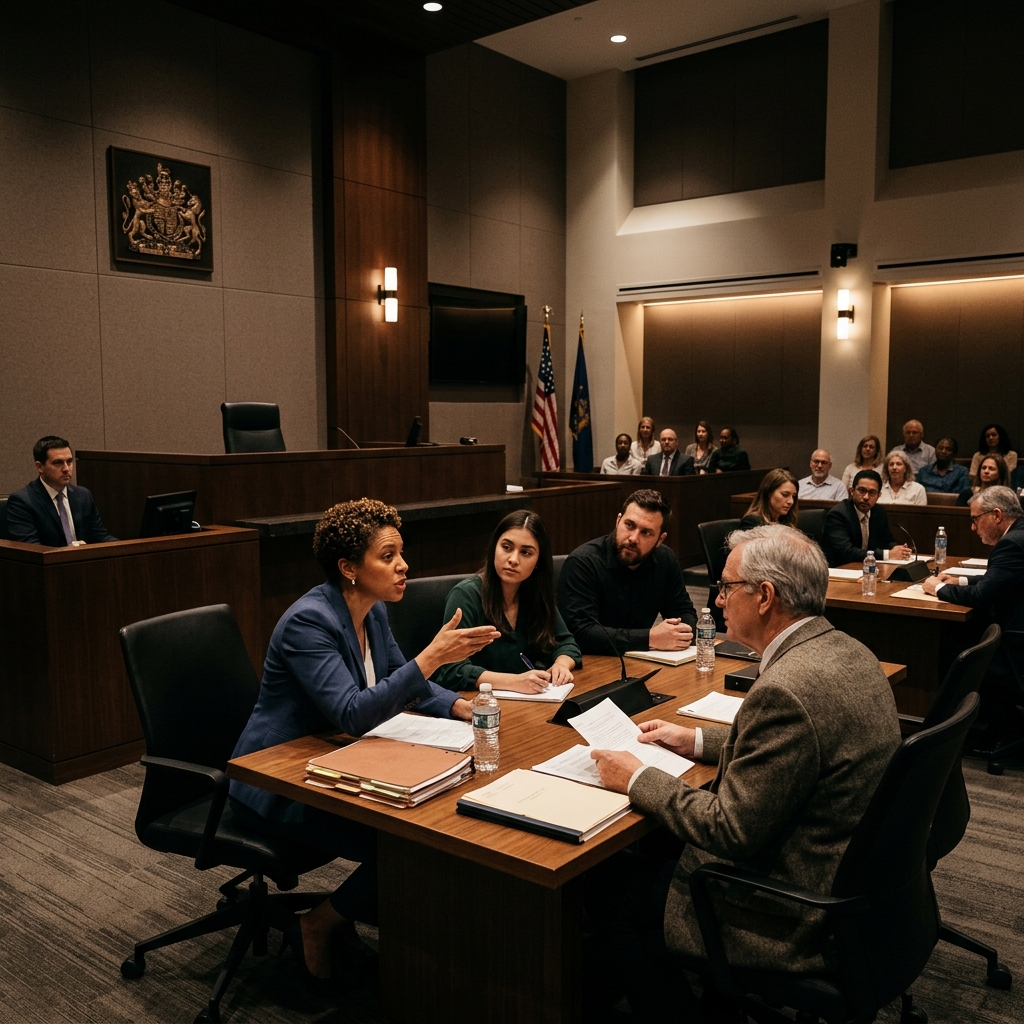
Why Are Jehovah’s Witnesses Hated for Neutrality? The Shocking Truth

If you are wondering why are Jehovah’s Witnesses hated for neutrality, we recently analyzed decades of sociological data regarding this specific religious group. The tension goes far beyond simple misunderstandings or theological differences.
People see their refusal to engage in society as a personal insult to national identity. They live in our neighborhoods but actively refuse to participate in our shared struggles.
But researchers in 2025 uncovered a hidden psychological factor driving this intense public anger. And we reveal this exact trigger in the sections below.
Contents
- The Core Reasons Why Jehovah’s Witnesses Are Hated for Neutrality
- The Conflict Between the Kingdom of God and Modern Patriotism
- Voting, Elections, and the Refusal of Civic Responsibility
- How to Understand Their Stance on Pacifism and Conscientious Objection
- Navigating the Impact of Social Isolation and Shunning
- The Hypocrisy Debate: The UN NGO Association Controversy
- Recent Legal Battles: The Norway Decision and Democratic Pushback
- Conclusion: Balancing Religious Freedom and Civic Duty
- Frequently Asked Questions (FAQ)
The Core Reasons Why Jehovah’s Witnesses Are Hated for Neutrality
Understanding this conflict requires looking at their foundational beliefs. Followers dedicate their lives entirely to Jesus Christ and his teachings.
They believe human governments are temporary and inherently flawed systems. This worldview directly clashes with modern expectations of civic responsibility.
Citizens expect their neighbors to contribute to the community and defend the nation during crises. When a group actively opts out of these shared burdens, resentment naturally builds across the community.
This deliberate separation creates deep social isolation from the broader society. The public interprets this isolation as sheer arrogance or moral superiority rather than genuine religious devotion.
Consequently, communities often react with intense suspicion and open hostility toward local members.
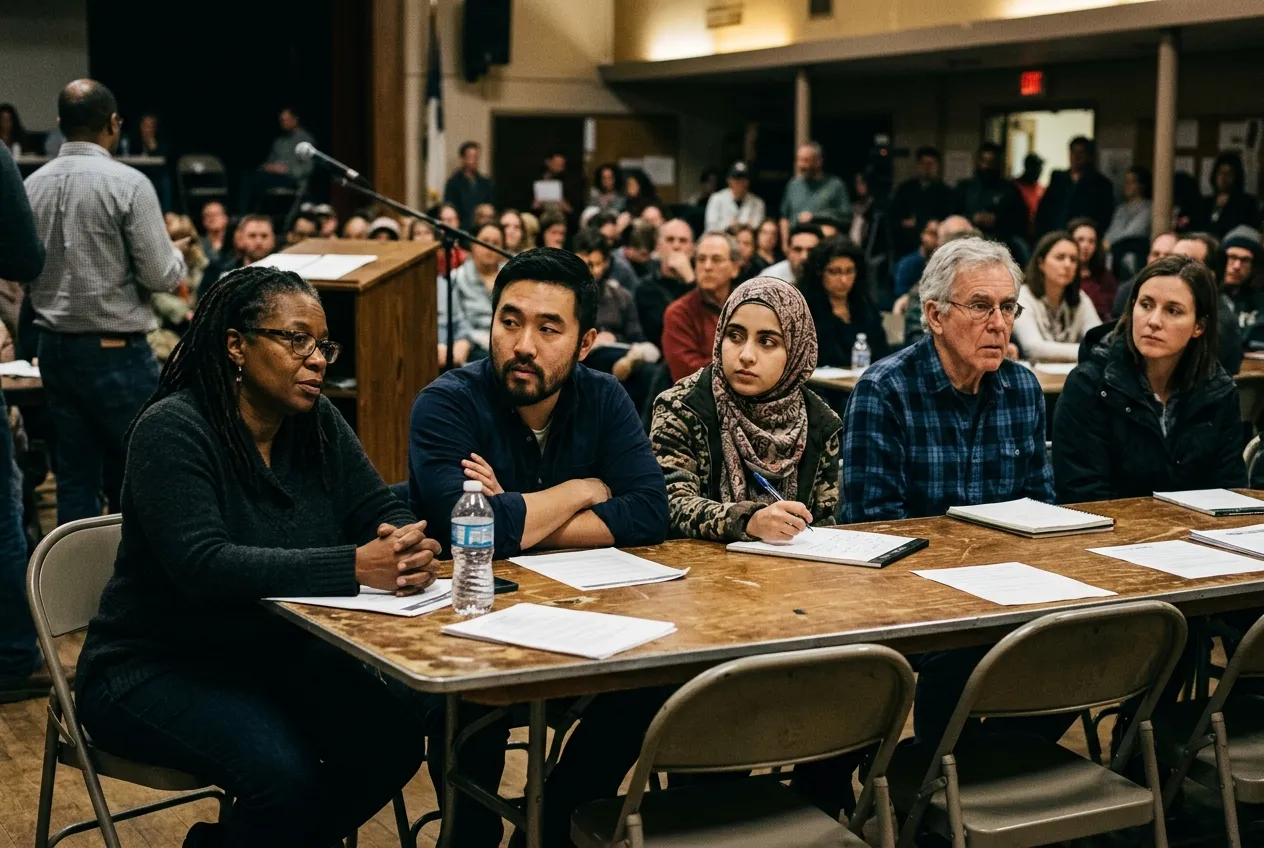
The Conflict Between the Kingdom of God and Modern Patriotism
The friction intensifies significantly around visual symbols of national pride. Followers pledge their total allegiance exclusively to the Kingdom of God.
They view any act of national devotion as a literal form of idolatry. This strict belief means they absolutely refuse to sing the national anthem at sporting events.
They also explicitly forbid their children from participating in the flag salute at public schools. Average citizens view patriotism as a unifying and necessary virtue for a healthy country.
They see these constant refusals as profound disrespect for the sacrifices made by military veterans. We found that these highly visible rejections trigger immediate and visceral emotional backlash.
The resulting anger forms a massive psychological barrier between members and their local communities.
Voting, Elections, and the Refusal of Civic Responsibility
Democratic societies rely heavily on active citizen engagement to function properly. However, this group maintains strict neutrality regarding all political elections.
They completely abstain from voting for local mayors, state governors, or national leaders. Critics argue this refusal undermines the core fabric of democratic participation.
When evaluating the true value of historical stances, we see a consistent pattern of political disengagement.
They pay taxes, but they refuse to help shape the policies that govern their daily lives. Recent events highlight the growing international intolerance for this deliberate lack of participation.
In 2024, Norway officially denied state subsidies to the organization. Norwegian courts specifically cited their exclusionary practices and refusal to engage in democratic processes.
How to Understand Their Stance on Pacifism and Conscientious Objection
Military service represents another massive point of intense societal conflict. The organization enforces strict pacifism among all its baptized members globally.
They cite specific biblical commands to love their enemies and avoid shedding human blood. This stance leads directly to their long history of Conscientious Objection.
Historically, this unwavering commitment resulted in brutal persecution under totalitarian regimes. Members faced brutal imprisonment and execution in both Nazi Germany and the Soviet Union.
While modern democracies offer alternative civilian service, the public stigma remains incredibly strong.
Veterans and highly patriotic citizens often view this pacifism as outright cowardice or systemic freeloading. They struggle to accept that someone would refuse to defend their own homeland against armed invaders.
The internal rules of the organization create severe external friction with the public. The practice of Disfellowshipping enforces strict ideological purity.
When a member leaves or breaks the rules, the community enforces rigid shunning. Family members and lifelong friends instantly cut off all contact with the expelled individual.
This extreme social control horrifies outsiders and generates massive public outrage globally. Critics see this practice as severe psychological abuse rather than standard religious discipline.
It creates a tragic dynamic akin to the battle of opposing beliefs within divided families.
The broader public naturally hates any system that destroys immediate family bonds over minor doctrinal disagreements. This specific reputation for cruelty heavily fuels the ongoing societal hatred toward the leadership.
The Hypocrisy Debate: The UN NGO Association Controversy
Public resentment also stems from perceived double standards within the highest leadership. The organization historically condemned the United Nations as a corrupt and evil political entity.
The Secret Alliance
However, investigative journalists discovered a secret United Nations NGO affiliation maintained by the group’s headquarters. They held this official UN NGO association for nearly a decade before public exposure.
The Public Backlash
Critics immediately highlighted the blatant hypocrisy of this specific political affiliation. The leadership demanded absolute political neutrality from regular members under threat of immediate expulsion.
Yet, the highest authorities secretly aligned with a massive global political organization. This massive scandal destroyed their credibility among religious scholars and thousands of former members.
The public hates seeing strict rules violently enforced on everyday followers but ignored by wealthy leaders.
Recent Legal Battles: The Norway Decision and Democratic Pushback
The legal landscape surrounding religious freedom is shifting rapidly across the European continent. The recent financial decisions in Scandinavia represent a critical turning point for the organization.
The state formally recognized that religious freedom does not automatically guarantee government funding. Officials argued that state money should only support groups that actively contribute to societal cohesion.
By enforcing strict isolation, the group failed this basic but essential societal test. We are witnessing unveiling the true spirit of dedication among lawmakers actively protecting democratic values.
Other nations are now closely monitoring these Norwegian legal precedents for their own domestic policies. The organization faces a difficult future where their strict neutrality costs them significantly more than just public favor.
They may soon lose their valuable tax-exempt status in several other progressive western democracies.
Conclusion: Balancing Religious Freedom and Civic Duty
The tension between absolute religious devotion and expected civic duty remains entirely unresolved today. Democratic societies pride themselves on fiercely protecting minority beliefs and unusual cultural practices.
However, this societal tolerance heavily strains when a group actively rejects the underlying social contract. The intense public hatred stems directly from this perceived one-sided and selfish relationship.
Citizens feel the group takes full advantage of democratic freedoms without contributing to maintaining them. We must continuously analyze exactly where religious freedom ends and civic obligation legally begins.
The ongoing European court battles will eventually redefine these crucial boundaries for future generations. Until then, the deep societal friction surrounding this controversial religious group will undoubtedly persist.
Communities will continue demanding that all citizens share the heavy burdens of maintaining a free society.
Frequently Asked Questions (FAQ)
Why do Jehovah’s Witnesses refuse to vote in political elections?
Jehovah’s Witnesses refuse to vote because they pledge total allegiance to the Kingdom of God. They believe that participating in political elections violates their strict religious doctrine of political neutrality, leading to significant social isolation and public misunderstanding in democratic societies.
Why are Jehovah’s Witnesses against patriotism and the flag salute?
Their religious beliefs mandate strict pacifism and loyalty solely to Jesus Christ. Therefore, participating in patriotic acts like the flag salute or singing the national anthem is viewed as idolatry, which often causes friction with civic responsibility expectations.
What is the UN NGO association controversy regarding Jehovah’s Witnesses?
Critics accuse the organization of hypocrisy due to a past United Nations NGO association, which seemingly contradicted their strict stance on political neutrality. This controversy fueled public resentment, as members face severe shunning or disfellowshipping for similar perceived compromises.
Get our latest guides, news, and insights highlighted in your Google Search & AI Overviews.
 URGENT: PAGE CLOSING SOON!