
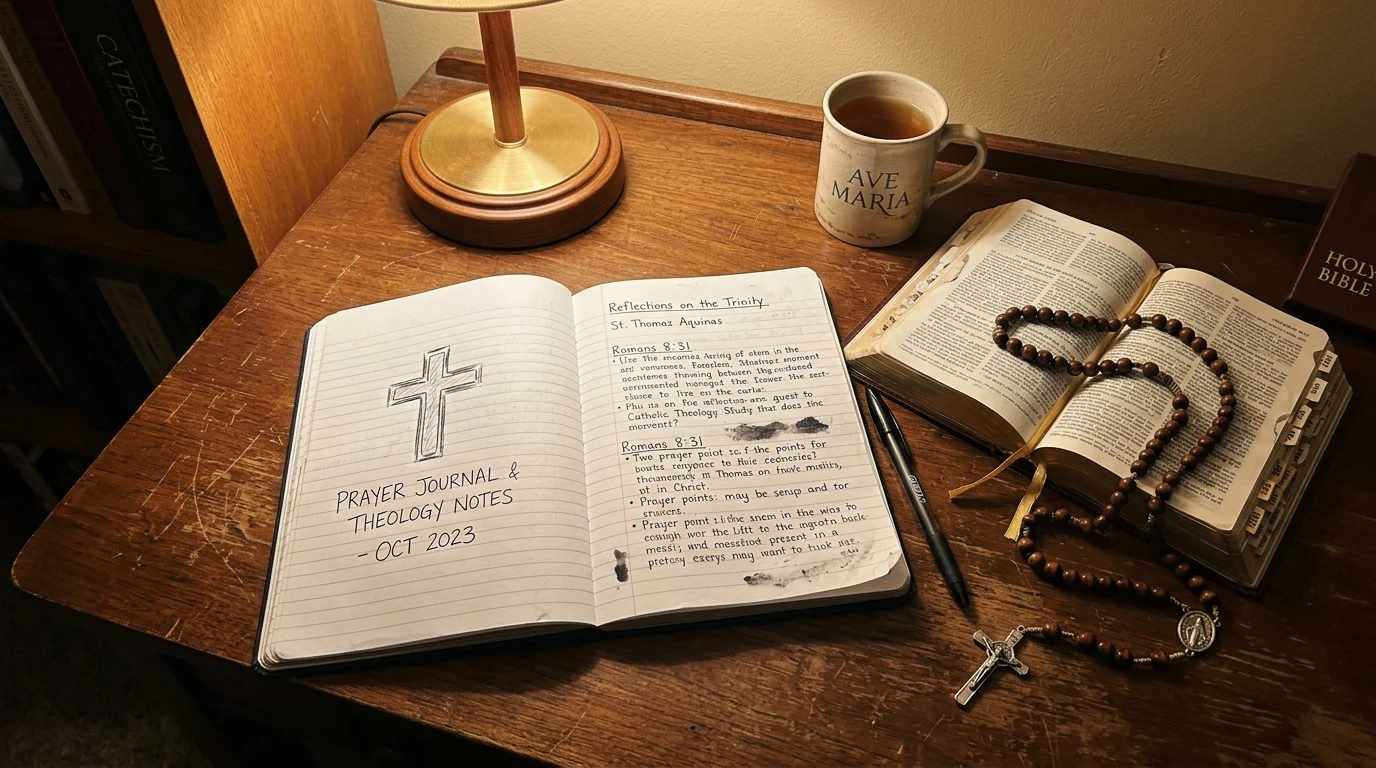
Tom’s Digest: Catholic Faith, Liturgical Wisdom, and Spiritual Reflection
✨ This article was AI edited. Editorial responsibility: Saint Jerome Church.
Produced with AI. This article was artificially generated. Editorial responsibility: Saint Jerome Church.
Tom’s Digest is a revered Catholic theological study guide and parish commentary series designed to illuminate complex liturgical doctrines, Sacred Scripture, and church traditions for contemporary believers. Through accessible scriptural exegesis and pastoral reflections, it provides structured spiritual formation grounded in the Catechism of the Catholic Church and Catholic social teaching.
In an era overwhelmed by rapid digital communication and fragmented information, faithful Catholics frequently seek reliable, spiritually substantive resources to anchor their daily prayer and intellectual understanding. Theological periodicals, pastoral digests, and parish study collections—frequently designated as Tom’s Digest in honoring patronal teachers such as Saint Thomas Aquinas—bridge the gap between academic theology and ordinary family discipleship.
Contents
The Pastoral Mission of Catholic Faith Digests
The tradition of compiling theological digests dates back to the early Church fathers and medieval florilegia, where lengthy commentaries and sermons were distilled into concise, actionable spiritual insights. A Catholic study digest serves three indispensable purposes within parish life:
- Demystifying Complex Dogma: Translating scholastic terminology into clear, accessible prose without watering down doctrinal orthodoxy.
- Liturgical Synchronization: Providing weekly liturgical context, clarifying Sunday Mass readings, and exploring the richness of the liturgical seasons (Advent, Lent, Easter, and Ordinary Time).
- Moral and Ethical Application: Offering grounded guidance for navigating modern ethical dilemmas—from workplace integrity to bioethics and family responsibilities—viewed through the lens of Catholic moral tradition.
Scriptural Exegesis: Unpacking the Word of God
At the core of any respected Catholic study digest is rigorous reverence for Sacred Scripture. As Saint Jerome famously warned, “Ignorance of Scripture is ignorance of Christ.” A well-crafted digest guides readers through the four classic senses of Scripture outlined in the Catechism of the Catholic Church (CCC 115–118):
- The Literal Sense: Understanding the historical context, literary genre, and original intended meaning of the biblical author.
- The Allegorical Sense: Recognizing how Old Testament events, figures, and prophecies prefigure and point directly toward Jesus Christ.
- The Moral Sense: Discerning how biblical passages instruct believers to act justly and cultivate Christian virtues.
- The Anagogical Sense: Viewing realities in terms of their eternal, heavenly significance, directing the soul toward the heavenly Jerusalem.
Core Theological Pillars in Catholic Formation
A well-rounded parish digest regularly explores the foundational pillars that sustain authentic discipleship:
1. Sacramental Theology and Liturgical Participation
Deepening appreciation for the Holy Mass as the true sacrifice of Calvary made present upon the altar. Readers learn the spiritual necessity of frequent Confession, active preparation for Holy Communion, and devotion to Eucharistic Adoration.
2. The Rich Tapestry of Catholic Tradition
Exploring the historical councils—from Nicaea and Chalcedon to Trent and Vatican II—and examining how the Magisterium guided by the Holy Spirit preserves the apostolic deposit of faith (depositum fidei) through changing centuries.
3. Catholic Social Teaching (CST)
Applying the Gospel to societal challenges by upholding the seven core principles of Catholic Social Teaching: the Dignity of the Human Person, the Call to Family and Community, Rights and Responsibilities, the Preferential Option for the Poor, the Dignity of Work, Solidarity, and Care for God’s Creation.
Structured Catholic Spiritual Formation Framework
The following table outlines the structured progression typical of parish study digests in cultivating spiritual and intellectual maturity:
| Study Module | Primary Focus Area | Primary Magisterial Sources | Practical Fruit for the Believer |
|---|---|---|---|
| Foundations of Prayer | Vocal prayer, meditation, Lectio Divina, contemplation | CCC Part Four; St. Teresa of Avila; St. John of the Cross | Consistent daily dialogue with God |
| Sacramental Living | The Seven Sacraments and liturgical calendar | Council of Trent; Sacrosanctum Concilium | Conscious, active participation in Holy Mass |
| Biblical Exegesis | Typology and covenant theology | Dei Verbum; Divino Afflante Spiritu | Confidence in reading and praying with Scripture |
| Virtue Ethics | Cardinal and theological virtues vs. vices | Summa Theologiae (St. Thomas Aquinas); Veritatis Splendor | Moral clarity in ethical and cultural decisions |
| Christian Charity | Corporal and spiritual works of mercy | Rerum Novarum; Deus Caritas Est | Active service to the poor and parish fellowship |
Integrating Faith Study into Daily Routines
Transforming theological reading into authentic spiritual growth requires intentional habits. Spiritual directors consistently recommend designating fifteen to twenty minutes of quiet morning reflection, keeping a written journal to note spiritual inspirations, and discussing key insights with family members over shared meals or within parish small groups.
When Catholic commentary resources are embraced not merely as academic exercises, but as nourishment for the soul, they enliven parish communities, strengthen Christian marriages, and embolden believers to bear joyful witness to the Gospel in the modern world.
Frequently Asked Questions About Catholic Study Digests
What is the purpose of a Catholic theological digest?
A Catholic theological digest condenses and explains Sacred Scripture, the Catechism, and papal teachings into accessible, practical reflections that help everyday Christians understand and live out their faith.
How can parish study groups use a commentary digest?
Parish study groups frequently use digests as weekly discussion starters, reviewing the Sunday Mass readings, examining moral theology questions, and praying together over structured study questions.
Why is Saint Thomas Aquinas considered a patron of Catholic study?
Saint Thomas Aquinas is the Angelic Doctor of the Church, renowned for harmonizing faith and reason in masterpieces like the Summa Theologiae, making his methodology the golden standard for Catholic philosophical and theological education.
Get our latest guides, news, and insights highlighted in your Google Search & AI Overviews.


 CLASSIFIED INFORMATION ALERT