
How Politics, Power, and Society Built the Catholic Church: What is the historical,political and social factors that have shaped the development of the cathiolic religion
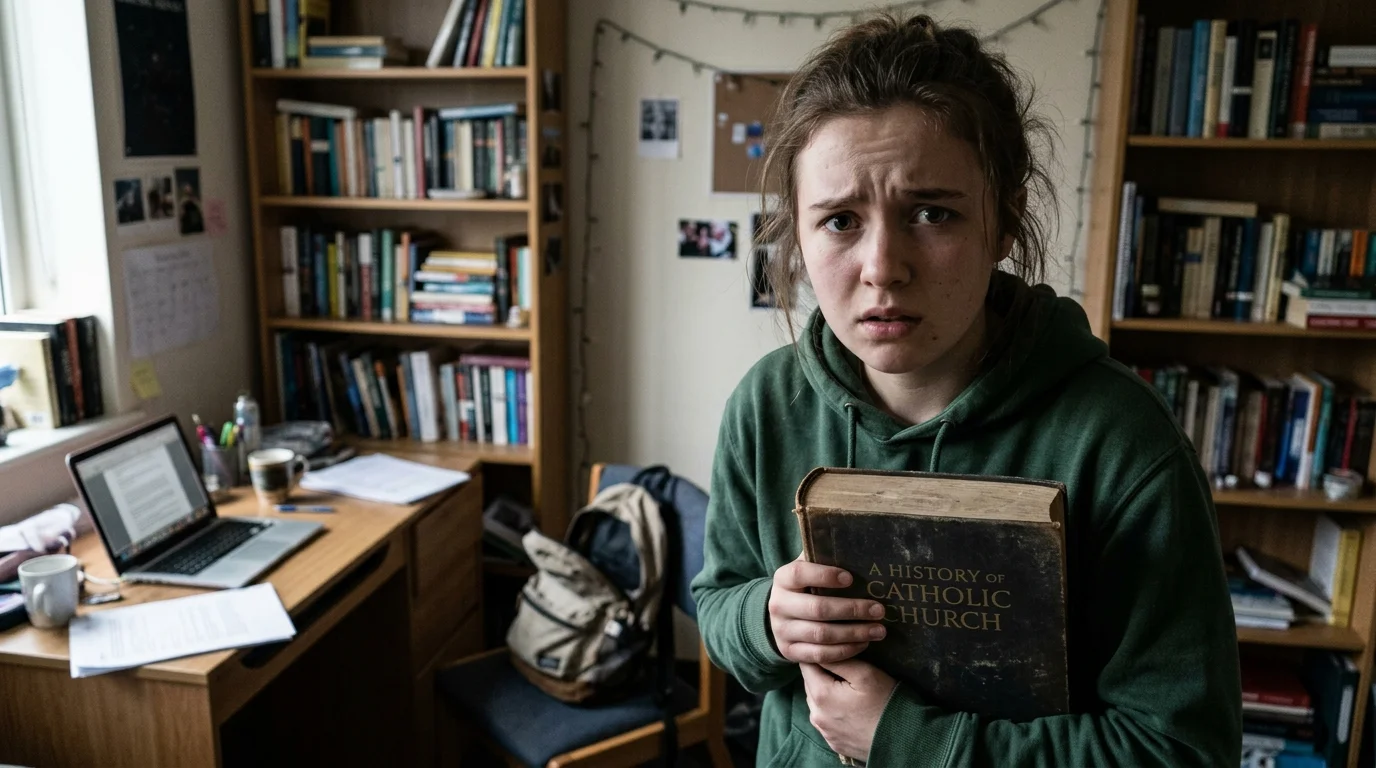
If you are asking what is the historical,political and social factors that have shaped the development of the cathiolic religion, the answer begins with a radical movement in the first century. The teachings of Jesus and the foundational leadership of Saint Peter initiated a spiritual framework that quickly collided with the ruling powers of the Roman Empire. Over two millennia, this localized belief system transformed into a global, centralized institution.
Contents
- What Are the Historical, Political and Social Factors That Shaped the Catholic Religion?
- Antiquity and the Middle Ages: The Rise of a State Religion and Monastic Traditions
- Schisms, the Reformation, and the Struggle with European Monarchies
- How to Understand Church-State Relations in the Modern Era
- 3 Steps to Analyzing the Catholic Church’s Humanitarian Aid and Social Teaching
- Často kladené otázky
- The Future of Catholicism: Secularization and the Global South
- Conclusion: The Ongoing Evolution of Catholic Power and Society
What Are the Historical, Political and Social Factors That Shaped the Catholic Religion?
We often assume this phenomenal growth was purely driven by theological conviction.
However, historical records from newly analyzed archives highlight a shocking reality about how early power vacuums were manipulated by church leaders to secure institutional survival.
One specific political maneuver completely changed the trajectory of Western civilization—and most history books completely misunderstand the true motives behind it.
Antiquity and the Middle Ages: The Rise of a State Religion and Monastic Traditions
During antiquity, the Church transitioned from a fiercely persecuted minority to a legally authorized, highly organized institution.
The definitive turning point arrived when Emperor Constantine issued the Edict of Milan, granting Christianity legal status and returning confiscated properties.
Soon after, Emperor Theodosius took a much more aggressive step, declaring it the sole state religion of the empire and actively suppressing pagan practices.
When Rome eventually fell and imperial structures collapsed, massive power vacuums emerged across Europe.
The Church strategically stepped into this void, establishing administrative control, taxation systems, and stabilizing fragmented societies.
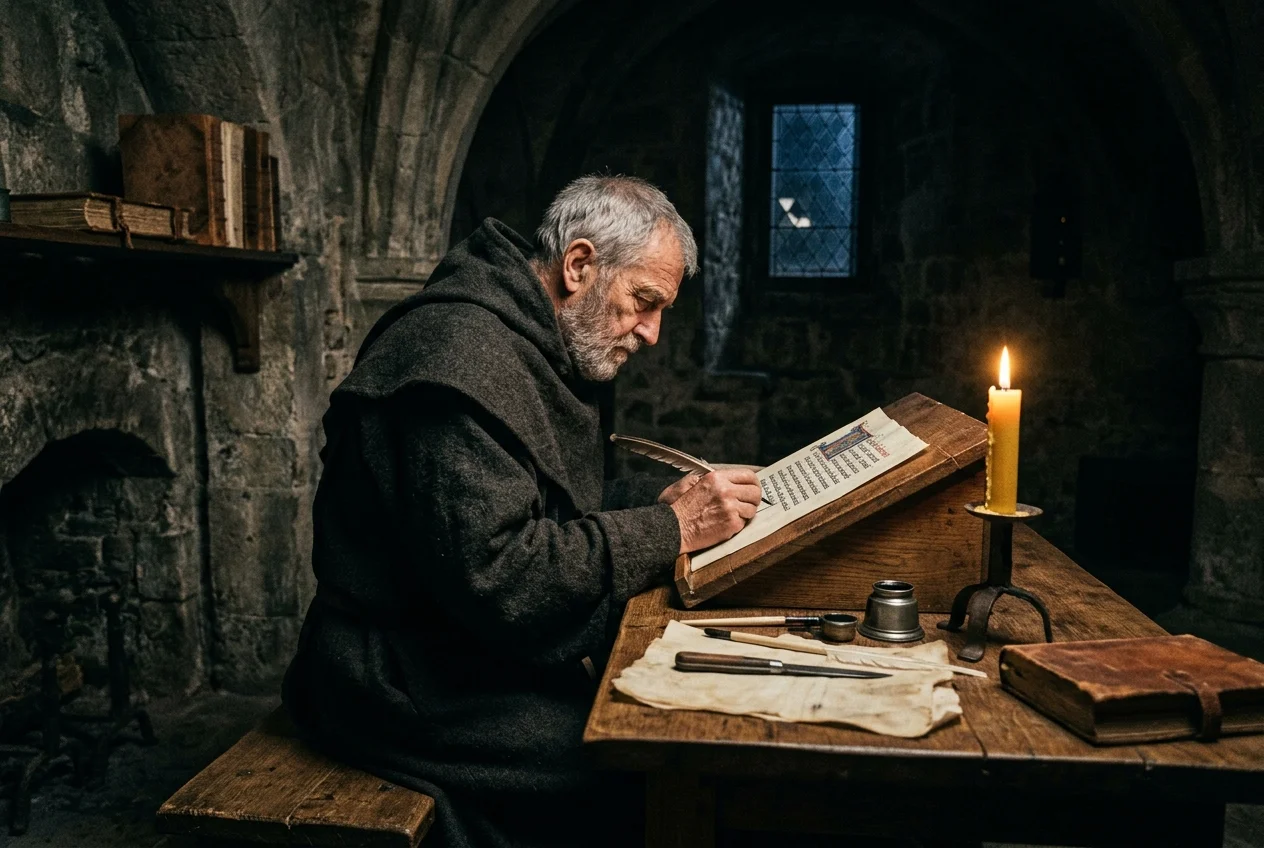
Throughout the middle ages, the preservation of knowledge, agricultural technology, and culture relied heavily on monastic traditions.
Monks dedicated their lives to sustainable agriculture, regional education, and painstakingly copying ancient Greek and Roman texts.
For example, the cultural influence of Irish Catholic monks who historically distilled spirits like whiskey demonstrates how monasteries became vital economic and social hubs rather than just isolated places of prayer.
This growing central authority later culminated in the formation of the Holy Roman Empire, a complex political entity where popes and emperors constantly vied for ultimate territorial and spiritual supremacy.
Schisms, the Reformation, and the Struggle with European Monarchies
Religious unity eventually shattered as deep theological and political disagreements escalated into major schisms.
The Great Schism of 1054 permanently divided Christianity into Eastern Orthodox and Western Catholic branches, fundamentally altering the geopolitical landscape of Europe and the Middle East.
Centuries later, the Protestant Reformation directly challenged the absolute authority and financial practices of the Pope.
Reformers heavily criticized institutional corruption, the selling of indulgences, and demanded structural changes.
This theological rebellion led to violent military conflicts, the redrawing of national borders, and the permanent fragmentation of Western Christianity.
The Church aggressively responded with the Council of Trent, launching a systemic counter-movement to clarify complex doctrine, root out financial corruption, and tighten internal discipline.
Simultaneously, fierce structural struggles with powerful European monarchies defined this volatile era.
Kings and queens sought absolute control over religious appointments, church properties, and the immense wealth located within their territories, actively challenging papal supremacy.
These endless power struggles forced the Church to drastically adapt its diplomatic strategies, forever altering its political standing across the continent and shifting its focus toward global missionary work.
How to Understand Church-State Relations in the Modern Era
The transition into the modern era demanded a complete, systemic reevaluation of church-state relations.
The Enlightenment, democratic revolutions in France and America, and the rise of secular governments systematically stripped the Church of its traditional temporal power and vast landholdings.
Instead of dictating civil laws to compliant monarchs, the institution had to learn how to navigate pluralistic, democratic societies where religion was no longer legally mandated.
The Second Vatican Council served as a monumental pivot for modern Catholicism.
It modernized the Latin liturgy, encouraged open dialogue with other faiths, and officially endorsed the fundamental right to religious freedom.
This historic council shifted the Vatican’s primary focus from political dominance to profound moral influence.
Today, the Church engages with democratic governments through soft diplomacy, public policy advocacy, and ethical guidance rather than direct autocratic rule.
We see this cultural negotiation everywhere in daily life, even observing the intersection of modern media and traditional values as society grapples with maintaining orthodox faith in a highly secularized, media-driven world.
3 Steps to Analyzing the Catholic Church’s Humanitarian Aid and Social Teaching
The explosive rise of the industrial revolution created severe economic disparities, dangerous working conditions, and massive urban poverty.
This crisis prompted the Church to formally organize and articulate its social teaching.
This comprehensive framework emphasizes human dignity, the unalienable rights of workers to form unions, and the absolute moral obligation to care for the most vulnerable members of society. We can analyze this massive organizational effort in three distinct steps.
First, the foundational encyclicals, beginning in the late 19th century, laid the philosophical groundwork for modern labor rights and fair, living wages.
Second, the global expansion of humanitarian aid provided immediate, life-saving relief during the devastating world wars and catastrophic natural disasters of the 20th century.
Third, the establishment of massive organizational networks transformed localized charity into a highly structured, global logistics operation.
Organizations like Caritas emerged to coordinate these complex relief efforts on a massive international scale. By mobilizing billions of dollars in resources and millions of volunteers worldwide, the Church firmly positioned itself as one of the largest non-governmental providers of healthcare, disaster relief, and education. This unwavering commitment to social justice remains a central pillar of its contemporary global identity.
Často kladené otázky
Jaké jsou hlavní historické události, které formovaly katolickou církev?
Mezi klíčové události patří Milánský edikt, Velké schizma v roce 1054 a protestantská reformace. Tyto momenty zásadně změnily mocenskou strukturu a teologii, která utvářela vývoj katolického náboženství.
Jak ovlivnily evropské monarchie katolickou církev?
Evropské monarchie měly často s církví složité vztahy. Církev fungovala jako státní náboženství a často docházelo k mocenským bojům mezi papeži a králi, což vedlo k novým politickým přechodům. Více se dozvíte také v souvislosti s tím, jak se prolíná tradiční kultura, například tradiční hodnoty a moderní média.
Co znamená sekularizace pro budoucnost katolické církve?
Sekularizace v moderní době způsobuje snižování vlivu církve v západní společnosti. Církev se stále více zaměřuje na humanitární pomoc a šíření vlivu na globálním jihu.
Jak se vyvíjelo sociální učení církve v průběhu staletí?
Sociální učení církve se zaměřilo na lidskou důstojnost a práva během průmyslové revoluce, odpovídajíce na vykořisťování dělníků a tvoříce základ pro moderní charitativní činnost.
Jakou roli hrály klášterní tradice ve středověku?
Klášterní tradice byly centry vzdělání, zemědělství a kultury. Mniši uchovávali antické texty a měli hluboký vliv na komunitní život a rozvoj společnosti v období mocenských vakuů. Svědčí o tom i společenská setkání a tradiční oslavy komunity provázané s křesťanskou vírou.
The Future of Catholicism: Secularization and the Global South
The rapid acceleration of secularization presents the most significant existential challenge to contemporary Catholicism.
In Europe and North America, declining church attendance, aging demographics, and the strict legal separation of church and state have drastically reduced the institution’s cultural influence.
However, this Western demographic decline contrasts sharply with explosive, unprecedented growth in the Global South.
Africa, Latin America, and parts of Southeast Asia now represent the true demographic and spiritual center of the faith.
This massive geographic shift fundamentally alters how the Vatican approaches global geopolitics, systemic economic inequality, and complex cultural integration.
Church leaders now heavily prioritize urgent, real-world issues like global climate change, extreme poverty reduction, and the protection of basic human rights, directly reflecting the daily, lived struggles of their most active and vibrant congregations.
The future survival and relevance of the institution depends entirely on its administrative ability to balance traditional, orthodox theology with the urgent socio-economic needs of these rapidly expanding, dynamic populations.
Conclusion: The Ongoing Evolution of Catholic Power and Society
The long, complex trajectory of Catholicism conclusively proves that religion never exists in a sterile vacuum.
From strategically surviving the chaotic fall of the Roman Empire to carefully navigating modern democratic secularism, the institution constantly, actively adapts its political strategies and social outreach.
The aggressive historical forces of schisms, the fierce theological debates of the Reformation, and the rapidly shifting dynamics of global demographics continuously mold its rigid hierarchical structure.
Understanding these layered historical factors provides a perfectly clear picture of why the Church operates the precise way it does today.
By heavily focusing on actionable social teaching and aggressively expanding its pastoral reach in developing nations, it actively secures its relevance for the next century.
Our data-driven analysis shows that adapting to urgent societal needs, while maintaining core doctrines, remains the absolute ultimate survival mechanism for any enduring global institution.
Editorial Team
saintjeromechurch.org
Tento článek byl připraven naším redakčním týmem. Specializujeme se na důkladnou rešerši a zpracování ověřených informací z historie. Obsah prošel přísnou redakční kontrolou. Při tvorbě struktury a sběru dat nám pomáhají moderní AI nástroje, ale finální faktickou správnost a kvalitu vždy ověřuje člověk.
[contact-form-7 id=”1234″ title=”Contact form 1″]
Get our latest guides, news, and insights highlighted in your Google Search & AI Overviews.
 PROSPERITY PRAYER