

Do Jehovah’s Witnesses Hold Funerals?
While funerals might seem daunting to some, they serve as pivotal moments of reflection and communal bonding. For Jehovah’s Witnesses, these gatherings hold a unique significance. Rather than focusing on mourning, Witness funerals aim to celebrate the hope of resurrection, grounding their beliefs in deep spirituality.
Read more about: `jehovah's witnesses blood replacement`.
Jehovah’s Witness funerals are characterized by their simplicity and focus. Historically grounded in biblical teachings, these ceremonies emphasize the deceased’s hope for a future resurrection. Attendees typically gather at Kingdom Halls or funeral homes, where scriptures guide the proceedings, reflecting a global community of approximately 8.5 million that steadfastly upholds these traditions.
Contents
Do Jehovah’s Witnesses Hold Funerals?
Jehovah’s Witnesses do hold funerals, but they’re different from what many are used to. These funerals focus on teachings from the Bible instead of customs like flowers or candles. The service is usually simple, centered on the hope of resurrection. Scriptures are read to remind everyone of the promises in the Bible. The atmosphere is more about hope than sadness.
Instead of fancy ceremonies, Jehovah’s Witness funerals aim to comfort and reassure. They teach that death isn’t the end, but a pause before resurrection. This belief gives families comfort, reducing fear or despair. Their services are often held in Kingdom Halls, similar to churches, or at funeral homes. These locations emphasize community and faith over mourning.
During the service, music and songs chosen from the Bible’s teachings are important. The songs share messages of hope and remind attendees of their beliefs. Speakers focus on the life of the deceased, talking about their dedication and faith. The goal is to celebrate the person’s love for Jehovah and their hope for the future. This approach helps friends and family feel supported during tough times.
Everyone is welcome at these funerals. Even those not part of the faith are encouraged to attend. Guests often learn more about the beliefs and find comfort in the collective hope shared. The inclusive nature of the service means many find it a peaceful experience. This makes Jehovah’s Witness funerals unique and supportive for all involved.
The Role of Funeral Services in Jehovah’s Witnesses’ Beliefs
Funeral services for Jehovah’s Witnesses play a key role in their faith. These events offer a moment to reflect on the teachings of the Bible concerning life and death. It’s not just about mourning but reaffirming beliefs in the resurrection. This perspective provides comfort and reinforces hope among attendees. It’s a solemn occasion but filled with spiritual reassurance.
Jehovah’s Witnesses see funerals as an opportunity to reinforce their core teachings. They emphasize the idea that death is not the end but a temporary state. The service often includes readings and talks that highlight scriptures about resurrection and eternal life. This helps to strengthen the faith of those in attendance. It’s a chance to remember what they believe and why.
The funeral service itself is a reflection of the community’s values. Simplicity and modesty are key elements, avoiding excessive displays. The gathering is usually held in a Kingdom Hall or a humble setting. In these locations, the focus remains on the scriptural message. This simplicity aligns with their broader lifestyle and beliefs.
Involving the community is also an essential aspect of Jehovah’s Witness funeral services. Friends and family gather to support one another in their shared faith. This collective participation helps everyone cope with loss more effectively. The gathering embodies the communal spirit of the congregation. It reminds everyone of the strength found in unity and shared belief.
What Makes a Jehovah’s Witness Funeral Unique?
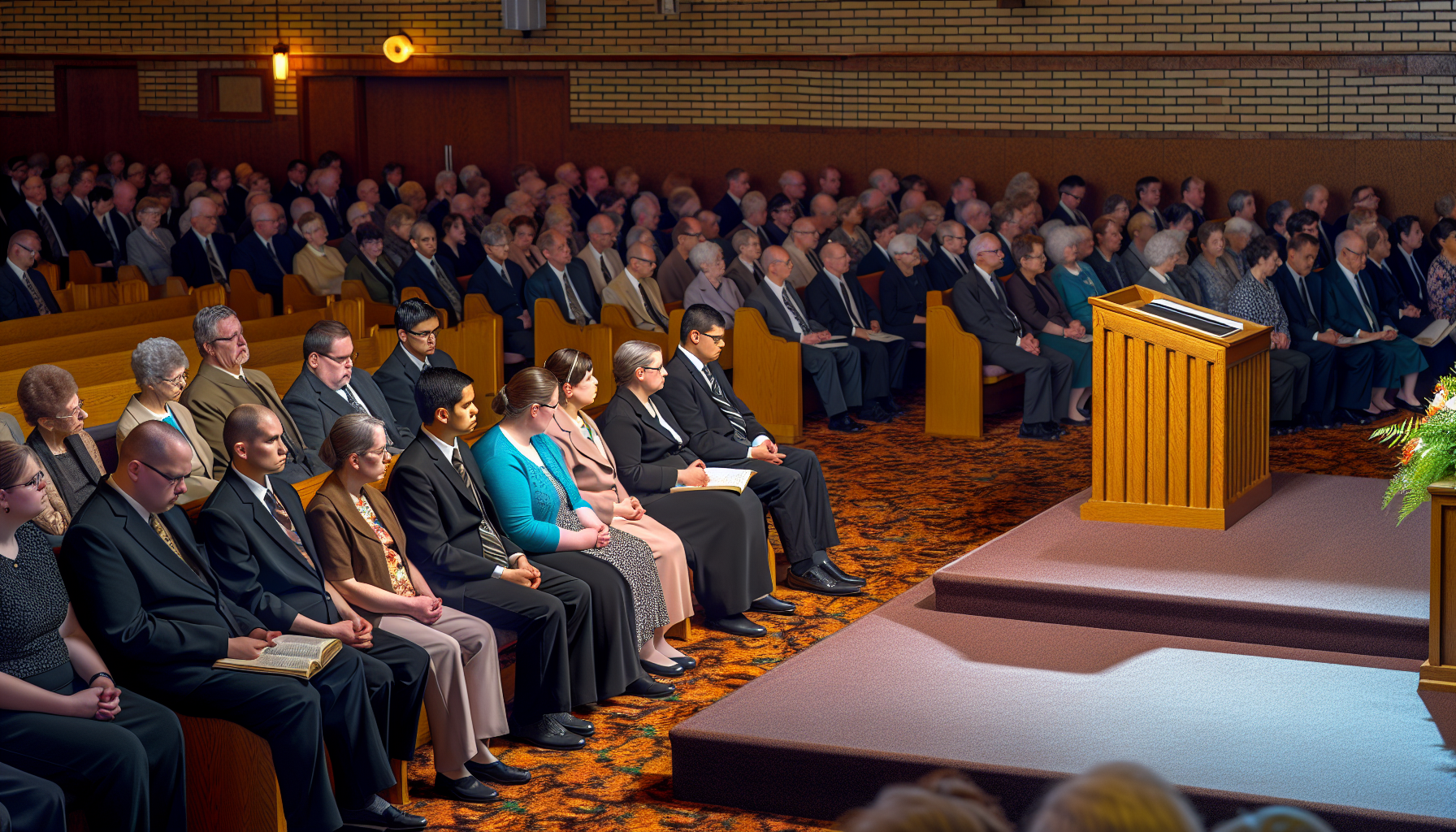
Jehovah’s Witness funerals are distinct in their simplicity and focus on biblical teachings. Unlike many traditional services, these events lack lavish ceremonies. The emphasis is on the teachings of the Bible, providing comfort through scriptures. Here, the deceased’s life and faith are celebrated more than their passing. This focus offers a sense of peace and hope to attendees.
The simplicity of the service is another unique element of Jehovah’s Witness funerals. There’s no extravagant display of flowers or rituals. Instead, the atmosphere is calm and respectful. This simple approach aligns with their overall lifestyle, focusing on faith and community support. Modesty is a key element, keeping the service grounded and meaningful.
A unique feature is the focus on the resurrection and afterlife hopes. Talks during the service often highlight these beliefs, drawing on scriptures that reassure the congregation. This scriptural focus is intended to uplift and reassure loved ones. It helps them process their grief with the promise of seeing the deceased again. This element is both comforting and central to their faith.
The community aspect is also significant, with everyone playing a part in the service. Congregation members gather to offer support and share in the collective faith experience. This involvement helps create a comforting environment for everyone. Attendees often feel a strong sense of unity, shared beliefs, and mutual support. This communal aspect strengthens bonds and encourages healing.
Understanding the Ceremony and Traditions
The ceremony of a Jehovah’s Witness funeral is thoughtfully designed to offer comfort and hope. The service usually begins with a welcoming statement and an opening song, which sets a solemn and respectful tone. Songs are often selected from the Bible’s texts, reflecting messages of hope and peace. The choice of music helps to create a reflective atmosphere. This simplicity marks a significant departure from more extravagant rites seen in other cultures.
The main speech typically follows, delivered by a congregation elder or an experienced member. This talk focuses on the person’s faith and the central beliefs of Jehovah’s Witnesses, particularly on resurrection. It serves as a chance to remind everyone of the biblical teachings on life and death. This reinforces the congregation’s shared beliefs. Attendees find solace in these assurances, making the experience meaningful.
After the talk, there’s often an opportunity for attendees to share memories or expressions of support. This part of the service emphasizes community and connectedness. Friends and family can express thoughts and offer condolences. Sharing stories and experiences allows everyone to feel united in their grief. This communal sharing further strengthens the bonds among the congregation.
The settings for these funeral services are generally modest, often held in Kingdom Halls or simple locations. The choice of venue reflects the religion’s ethos of simplicity and humility. Such settings allow the focus to remain on scriptural principles rather than material displays. This intentional choice ensures that the teachings are front and center. Inside, the decor is minimal, prioritizing functionality over decoration.
- Opening song sets a thoughtful tone.
- Main speech focuses on teachings about resurrection.
- Participants share personal memories and affirm community bonds.
- Venue selection supports the religion’s preference for simplicity.
The end of the service often includes a closing prayer and song, sending off attendees with continued hope. The prayer encapsulates the message of the service, reinforcing the central beliefs. The closing gestures leave participants with a sense of peace and spiritual reassurance. This structured ending aims to be uplifting. It encapsulates the core values of the Jehovah’s Witness faith.
Jehovah’s Witnesses’ Outlook on Death and Afterlife
Jehovah’s Witnesses have a unique perspective on death and the afterlife. They believe that death is not the end, but a temporary state. This belief is based on their interpretation of biblical scriptures. They focus on the promise of resurrection, which offers hope of life after death. This hope is pivotal to their faith and daily life.
The concept of resurrection is central to the Jehovah’s Witnesses’ outlook. They hold that those who have died will be brought back to life in God’s due time. This future resurrection is seen as a symbol of God’s love and power. This faith in resurrection offers comfort and alleviates the fear of death. It strengthens their resolve to live according to their religious teachings.
- Death is viewed as a pause before the promise of resurrection.
- Their beliefs stem from biblical interpretations.
- Resurrection is viewed as an act of divine love.
Because of this belief, the afterlife is less about an immediate experience after death and more about a future event. Jehovah’s Witnesses do not believe in a fiery hell or immediate afterlife. Instead, they foresee a time when God will restore life to those who have passed. This perspective influences how they approach both life and death. Such faith tends to offer reassurance and guidance in difficult times.
These views also shape their practices and priorities. Living a life of faith and adhering to God’s teachings are seen as essential. This helps prepare them for the eventual resurrection. Their teachings emphasize living an honest and genuine life. Their outlook on death provides a guiding framework for their decisions and actions.
Key Takeaways
- Jehovah’s Witnesses hold funerals with a focus on biblical teachings.
- The services emphasize hope of resurrection and spiritual values.
- Funerals are typically held in Kingdom Halls or modest settings.
- Simplicity is key, avoiding lavish traditions and rituals.
- The community plays a significant role in supporting the bereaved.
Frequently Asked Questions
Many people have questions about the practices and beliefs of Jehovah’s Witnesses, especially regarding their approach to funerals. Here are some common questions to help understand their customs better.
1. What is the main focus of a Jehovah’s Witness funeral?
Jehovah’s Witness funerals primarily focus on biblical teachings, especially the hope of resurrection. The ceremonies aim to provide comfort and reassurance by highlighting scriptures that emphasize life after death. Rather than elaborate rituals, they emphasize simplicity and messages of hope. This focus helps to reinforce the beliefs of both the grieving and the attendees.
By concentrating on these teachings, attendees are reminded of their faith and the promise of eternal life. This approach provides a comforting environment, allowing them to connect with their faith on a deeper level. The central theme of the service ensures everyone leaves with a renewed sense of hope and reassurance.
2. How do Jehovah’s Witnesses view death?
Jehovah’s Witnesses view death as a temporary state before the promised resurrection. They believe that those who have died are in God’s memory and will be brought back to life in the future. This belief is rooted in their interpretation of biblical scriptures, offering comfort and hope to the grieving.
Instead of fearing death, they focus on living a life according to God’s teachings. This belief gives them strength during challenging times and reinforces their resolve to live by faith. The perspective is a source of comfort, helping them cope with loss by looking forward to a joyous reunion.
3. What typically happens during a Jehovah’s Witness funeral service?
During a Jehovah’s Witness funeral, there is often a welcoming with a song and a talk by an elder or experienced member. The speaker focuses on the life of the deceased and their devotion to their faith. Scriptures are highlighted to remind everyone of the hope of resurrection. This structured program ensures the message remains on faith and hope for the future.
Attendees may sing, listen, and reflect during the service, reinforcing their shared beliefs. This organized approach allows for a deeply spiritual experience for everyone present. Afterward, members can share stories or express support, further strengthening their community bonds.
4. Are all attendees welcome at a Jehovah’s Witness funeral?
Yes, Jehovah’s Witness funerals are open to everyone, regardless of their faith or religious beliefs. This inclusiveness allows friends, family, and community members to participate and find comfort together. The openness of these services encourages a broader understanding of their faith and teachings.
By welcoming all, Jehovah’s Witnesses display their sense of community and compassion for others. It’s a vital opportunity for others to experience their faith firsthand. This inclusivity fosters a sense of unity and mutual respect, important values in their community.
5. Why are Jehovah’s Witness funerals held in specific locations?
Jehovah’s Witness funerals are usually held in Kingdom Halls or other modest venues to emphasize simplicity. These locations reflect their commitment to humility and focusing on scriptural teachings. The chosen settings help keep the attention on the message, rather than on elaborate surroundings.
This choice of venue highlights their desire to focus on faith rather than material distractions. It supports their broader philosophy of simplicity and modesty. By choosing these locations, they reinforce a message of humility and spiritual focus rather than materialism.
Conclusion
Jehovah’s Witnesses approach funerals with a focus on faith and simplicity, offering comfort through biblical teachings. The emphasis on resurrection and community support sets these services apart, providing solace to the grieving. This unique perspective allows members to reaffirm their beliefs while mourning.
Their outlook on death, centered on hope and future reunions, shapes their funerary practices. By prioritizing spiritual values and inclusivity, Jehovah’s Witnesses create a supportive environment for all attendees. This cohesive blend of faith and community ensures that their beliefs remain a central part of their lives.
Understanding Jehovah’s Witnesses Funeral Customs
Many people wonder, do Jehovah witnesses have funerals? The answer is yes, though their approach is distinctive and deeply rooted in their theology. When exploring Jehovah witness beliefs on death, it is important to understand that they view death as a state of non-existence, waiting for a future resurrection. Consequently, a typical Jehovah witness funeral is a modest, respectful gathering rather than an elaborate affair.
If you are invited and asking yourself, “do Jehovah witnesses attend funerals?” or “how do Jehovah witnesses do funerals?”, you will find that the service usually takes place at a Kingdom Hall or funeral home. The focus is primarily on comforting the bereaved with scriptural promises. Jehovah’s Witnesses funeral practices typically avoid worldly customs, superstitions, or overly emotional eulogies. Instead, the Jehovah witness death customs and Jehovah witness funeral customs emphasize a simple Bible discourse. Thus, for anyone curious about how do Jehovah witness funeral services proceed, or simply wondering “do Jehovah witness have funerals?”, the experience is a solemn, hope-filled reflection on biblical teachings rather than a traditional mourning ceremony.
Get our latest guides, news, and insights highlighted in your Google Search & AI Overviews.


 CLASSIFIED INFORMATION ALERT