

Who Is Saint Charles? Unveiling the Story of Saint Charles
Saint Charles is a figure shrouded in mystery and intrigue. While many may have heard his name, few truly understand the man behind the legend. In this article, we will unveil the story of Saint Charles, shedding light on his life, his accomplishments, and his enduring impact on the world. Join us as we embark on a journey to discover who was st charles the saint, what his original name was, and what is saint charles known for today.
Contents
- Introduction: Exploring the Life and Legend of Saint Charles
- Early Life of Saint Charles: A Noble Beginnings
- Ascension to Sainthood: Miracles and Acts of Compassion
- Legacy of Saint Charles: Influencing Generations to Come
- Influence on Christianity: Saint Charles’s Teachings and Beliefs
- Symbols Associated with Saint Charles: Unraveling the Sacred Iconography
- Celebrating Saint Charles: Festivals and Commemorative Events
- Visiting Saint Charles’s Shrine: A Pilgrimage of Faith and Reflection
- Modern Interpretations of Saint Charles: Relevance in Today’s World
- Future Outlook
- A Life of Devotion: Uncovering His Legacy
Introduction: Exploring the Life and Legend of Saint Charles
Saint Charles, most commonly known as Charles Borromeo, was a prominent figure in the Catholic Church during the Counter-Reformation period. Born into a noble family in Italy in 1538, he dedicated his life to serving God and the Church. For those asking, “what was the original name of saint charles ?” he was born Carlo Borromeo. His unwavering faith and commitment to social reform made him a beloved figure in the Catholic community.
Throughout his saint charles biographpy, we see that Saint Charles worked tirelessly to combat corruption within the Church and promote religious education among the clergy and the laity. He played a crucial role in the Council of Trent, where he advocated for reforms that would strengthen the Church and lead to a more devout and informed congregation. The st charles meaning is often tied to his Germanic root name ‘Karl’, meaning ‘free man’, which perfectly describes his freedom to serve God fully.
Despite facing numerous challenges and opposition—including a fascinating, dark chapter involving the history of st charles and satanist cults or corrupt sects (such as the Humiliati) who attempted to assassinate him for his strict reforms—Saint Charles remained steadfast in his convictions. His legacy lives on today, inspiring countless individuals to follow in his footsteps.
- Birth Year: 1538
- Birthplace: Italy
- Role: Prominent figure in the Catholic Church
- Key Contributions: Combating corruption, promoting religious education, advocating for social reform
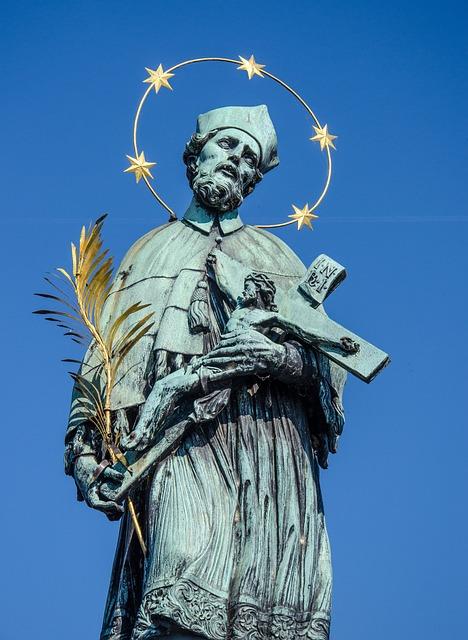
Early Life of Saint Charles: A Noble Beginnings
Amidst the pages of history, saint charles the saint stands out as a remarkable figure known for his noble beginnings and unwavering commitment to serving others. His early life is shrouded in mystery and intrigue, with tales of his upbringing captivating the hearts of many.
<p>Legend has it that Saint Charles was born into a prominent family, blessed with wealth and privilege. Despite his privileged upbringing, he showed a deep sense of compassion and empathy towards those less fortunate. His innate kindness and generosity earned him the admiration of all who knew him.</p>


<p>From a young age, Saint Charles displayed a strong sense of faith and devotion to his community. He dedicated his life to helping the poor and disadvantaged, showing unwavering love and support to those in need. His selfless acts of charity and compassion solidified his reputation as a saintly figure.</p>


<p>In the annals of history, Saint Charles remains a beacon of hope and inspiration for all who seek to follow in his footsteps. His noble beginnings set the stage for a life of selflessness and service, leaving an indelible mark on the world around him.</p>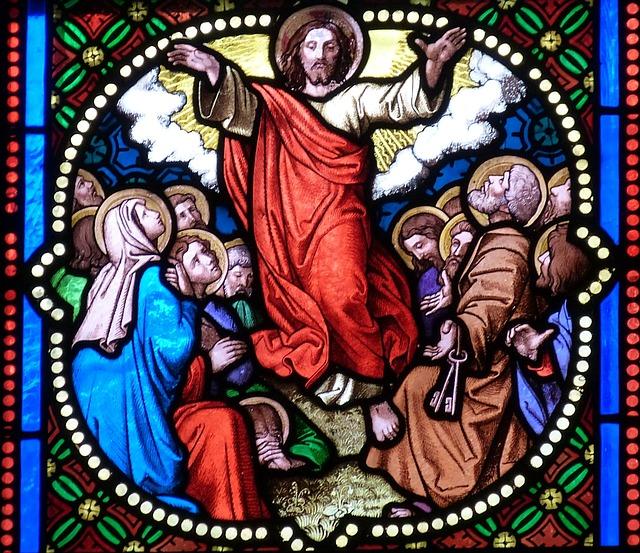
Ascension to Sainthood: Miracles and Acts of Compassion
Often people ask, “are there more than one saint charles?” The answer is yes. While Charles Borromeo is the most famous, there is also Charles Lwanga, Charles of Mount Argus, and even figures like Charles de Foucauld. There is also the inspirational short story of saint charles forbin johnson (Charles de Forbin-Janson), who founded the Association of the Holy Childhood. There’s even a historical misattribution referring to a “saint charles gogol” or “st charlie” in some local traditions, though those are less formally recognized by the Vatican.
One of the most famous miracles associated with saint-charles is his fearless ministering to the sick during the plague in Milan. He miraculously walked among the dying without fear, feeding the hungry and offering the sacraments. Witnesses claimed his presence brought peace, showcasing his divine connection and compassionate nature.
Aside from his supernatural acts, st charles the saint was known for his humility and kindness towards others. He was always willing to lend a helping hand to those in need, regardless of their background or social status. His legacy of love and compassion continues to inspire people all over the world.
- Miracles attributed to Saint Charles:
- Healing the sick during the plague of Milan
- Surviving a point-blank assassination attempt unharmed
- Bringing peace to warring factions through his mediation

Legacy of Saint Charles: Influencing Generations to Come
The saint charles legacy is one of unwavering faith, compassion, and selflessness. As a saint charles patron saint, he is formally recognized as the patron of bishops, catechists, and those suffering from stomach ailments. He was instrumental in the Catholic Counter-Reformation, which sought to combat the spread of Protestantism and renew the spiritual vitality of the Church. Through his efforts, he inspired countless individuals to deepen their relationship with God and live a life of virtue.
Saint Charles’s influence extends far beyond his own time period. His example continues to inspire generations of Catholics to this day, reminding us of the importance of humility, charity, and devotion to God. The impact of his life and work can be seen in the numerous charitable organizations, religious orders, and educational institutions that bear his name.

Influence on Christianity: Saint Charles’s Teachings and Beliefs
Saint Charles, often affectionately called saint charlie or st. charlie by modern faithful, was an influential figure in Christianity during the 16th century. He was a cardinal of the Catholic Church and played a significant role in the Counter-Reformation movement. If you ask “saint charles why was he so important?”, it was his teachings and beliefs that shaped the way many Christians practice and understand their faith today.
One of the key teachings of st. charles was the importance of clergy education and training. He believed that well-educated and devoted clergy members were essential for the growth and purity of the Church. This emphasis on education led to the establishment of seminaries and schools to train future priests and religious leaders.
St.charles th saint also placed a strong emphasis on the spiritual and moral duties of clergy members. He advocated for a life of humility, piety, and service to others, setting an example for others to follow. His focus on personal holiness and dedication to God inspired many to deepen their faith and commitment to Christianity.

Symbols Associated with Saint Charles: Unraveling the Sacred Iconography
Saint Charles Borromeo was an influential figure in Catholicism during the Counter-Reformation period. His life was marked by devotion to the Church, exemplified by his role as Archbishop of Milan and his efforts to combat corruption and promote spiritual renewal. Through his actions and teachings, he left a lasting legacy that continues to inspire believers to this day.
One of the key symbols associated with Saint Charles is the mitre, a ceremonial headdress worn by bishops and archbishops. This symbolizes his significant role within the Church hierarchy and his commitment to upholding its teachings. Another symbol linked to Saint Charles is the pastoral staff, representing his pastoral care for his flock and his guidance of the faithful towards spiritual growth.
In art, Saint Charles is often depicted holding a lily, symbolizing purity and his dedication to a life of virtue. Additionally, he is sometimes portrayed with a book, symbolizing his theological knowledge and intellectual rigor. These symbols collectively provide insight into the sacred iconography surrounding Saint Charles and the virtues he embodied throughout his life.

Celebrating Saint Charles: Festivals and Commemorative Events
Saint Charles played a crucial role in implementing the reforms of the Council of Trent and was eventually canonized as a saint by Pope Paul V in 1610.
Throughout his life, Saint Charles was known for his devotion to the poor and sick, his efforts to combat corruption within the Church, and his commitment to promoting Catholic education. He was also a key figure in establishing the diocesan seminary system, which aimed to better educate priests and strengthen the spiritual life of the Church.
Today, Saint Charles is celebrated through various festivals and commemorative events around the world. These events often include religious services, processions, and cultural activities that highlight the life and legacy of this revered saint. Saint Charles remains an inspiration for many Catholics and continues to be venerated for his dedication to serving others and promoting spiritual renewal within the Church.
Visiting Saint Charles’s Shrine: A Pilgrimage of Faith and Reflection
As you embark on a pilgrimage to Saint Charles’s Shrine, it’s important to understand the significance of this revered figure in our faith. Here are some key points to help you unveil the story of Saint Charles:
- Early Life: Charles Borromeo was born into a noble family in Italy in 1538. He was highly educated and showed great promise from a young age.
- Role in the Church: Saint Charles was appointed as the Archbishop of Milan and worked tirelessly to reform the Catholic Church during a time of great turmoil and corruption.
- Legacy: His dedication to improving the spiritual and moral standards of the Church earned him a reputation as a devoted servant of God and a beacon of hope for many.
By learning more about the life and legacy of Saint Charles, you can deepen your connection to his shrine and find inspiration in his unwavering faith and commitment to serving others.

Modern Interpretations of Saint Charles: Relevance in Today’s World
Saint Charles Borromeo was an influential figure in the Catholic Church during the Counter-Reformation in the 16th century. His dedication to the poor and marginalized, as well as his commitment to combatting corruption and promoting education, made him a revered figure in his time.
In today’s world, the teachings and example of Saint Charles still hold relevance. His emphasis on social justice, compassion for others, and integrity in leadership are values that resonate with people from all walks of life. In a society where materialism and individualism often prevail, Saint Charles serves as a reminder of the importance of selflessness and service to others.
Modern interpretations of Saint Charles focus on applying his principles to contemporary issues. This includes advocating for the rights of the disadvantaged, standing against injustice, and upholding moral principles in the face of corruption. By studying the life of Saint Charles, we can gain insights into how to navigate the complexities of our world with grace and courage.
Ultimately, Saint Charles continues to inspire individuals to lead lives of virtuousness and purpose. His legacy serves as a beacon of hope and guidance for those seeking to make a positive impact in today’s society.
Future Outlook
As we come to the end of our exploration of Saint Charles, we have unearthed a complex and fascinating story of a man whose influence continues to shape the world. From his early life as a wealthy nobleman to his transformation into a humble servant of God, Saint Charles’ life is a testament to the power of faith and conviction. We hope that this article has shed light on the man behind the legend and that you have gained a deeper understanding of who Saint Charles truly is. Thank you for joining us on this journey of discovery.
A Life of Devotion: Uncovering His Legacy
When delving into the rich history of the Catholic Church’s great reformers, many believers find themselves deeply moved by the story of Saint Charles Borromeo. Serving as the Archbishop of Milan during the turbulent times of the Counter-Reformation, he played a crucial role in shaping the modern Church, founding seminaries, and fearlessly ministering to the sick during times of devastating plague.
Whether you formally refer to him as Saint Charles or affectionately use the colloquial “Saint Charlie” as some local devotions might adopt, his legacy of profound humility and tireless pastoral care remains exactly the same. Even today, the spirit of “Saint Charlie” continues to inspire countless educators, catechists, and spiritual leaders to serve their communities with selfless, unconditional love.
Get our latest guides, news, and insights highlighted in your Google Search & AI Overviews.


 ELITE NEUROSCIENCE DISCOVERY