

Where Does Pascal Describe the Order of Holiness? Philosophical Interpretations
Pascal’s exploration of the order of holiness in his philosophical works has intrigued scholars for centuries. In this article, we will delve into where exactly Pascal describes the concept of holiness, and examine various philosophical interpretations of his ideas. Join us as we uncover the profound insights of this influential thinker and how they continue to shape our understanding of virtue and transcendence.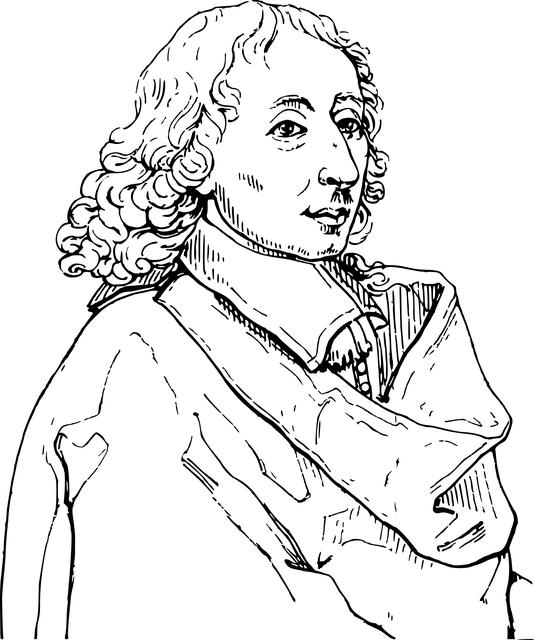
Contents
- Where Pascal Discusses the Order of Holiness in His Philosophical Works
- Exploring Pascal’s Views on the Hierarchy of Holiness
- Interpreting Pascal’s Concept of Holiness in Philosophical Context
- Key Points in Pascal’s Philosophical Treatises Regarding Holiness
- Analyzing Pascal’s Notions of Sacred Order and Holiness
- Unpacking Pascal’s Ideas on Holiness and Spiritual Enlightenment
- Comparing Pascal’s Thoughts on Holiness with Other Philosophical Theories
- Examining the Relationship Between Holiness and Virtue in Pascal’s Writings
- Recommendations for Further Study on Pascal’s Enlightenment on Holiness
- Implications of Pascal’s Holiness Order in Modern Philosophical Discourse
- To Wrap It Up
Where Pascal Discusses the Order of Holiness in His Philosophical Works
In his philosophical works, Blaise Pascal delves into the concept of holiness and its order in the world. Through his writings, Pascal explores the idea that holiness is not confined to traditional religious institutions or rituals, but rather permeates all aspects of life.
One key area where Pascal discusses the order of holiness is in his reflections on the nature of human existence and the divine. He posits that true holiness is not about following a set of rules or regulations, but rather about cultivating a deep sense of reverence and awe for the inherent sacredness of all things.
Pascal also suggests that the order of holiness can be found in our relationships with others and with the natural world. By treating each other with kindness and respect, and by recognizing the interconnectedness of all beings, we can tap into the divine spark that exists within each of us.
Overall, Pascal’s philosophical interpretations on the order of holiness offer a profound and thought-provoking perspective on the deeper meaning of life and the interconnectedness of all things. His insights encourage us to look beyond the surface of our existence and to strive for a deeper understanding of the sacredness that underlies all creation.
Exploring Pascal’s Views on the Hierarchy of Holiness
In his renowned work "Pensées," Blaise Pascal delves into the concept of holiness, presenting a unique perspective on the hierarchy of holiness. Pascal suggests that true holiness lies not in grandiose acts or public displays of religious devotion, but in the quiet, humble actions of everyday life. He emphasizes the importance of sincerity and purity of heart in achieving true holiness, rather than focusing solely on outward appearances.
Pascal also highlights the idea of inner transformation as a key component of holiness. He argues that genuine holiness stems from an individual’s deep-seated beliefs and values, which shape their actions and interactions with others. By prioritizing inner growth and spiritual development, one can attain a higher level of holiness that surpasses superficial displays of religious piety.
Moreover, Pascal’s views on the hierarchy of holiness underscore the significance of intentionality and self-awareness in one’s pursuit of spiritual perfection. He challenges readers to reflect on their motives and desires, encouraging them to seek a deeper connection with the divine through introspection and self-examination. Ultimately, Pascal’s philosophical insights offer a compelling framework for understanding the complexities of holiness and the transformative power of sincere faith and devotion.
Interpreting Pascal’s Concept of Holiness in Philosophical Context
One of the key aspects of Pascal’s concept of holiness is found in his description of the order of holiness. In his philosophical works, Pascal emphasizes the importance of aligning oneself with a higher power or divine source in order to achieve true holiness. This aligning is not merely a matter of outward actions or rituals, but rather a deep internal transformation that leads to a profound connection with the divine.
According to Pascal, this order of holiness is not something that can be achieved through human effort alone. Instead, it requires a surrendering of the self to a greater power and a willingness to be transformed by that power. This concept of holiness challenges traditional notions of morality and ethics, pushing individuals to move beyond a mere adherence to rules and regulations and instead strive for a more profound spiritual connection.
In interpreting Pascal’s concept of holiness in a philosophical context, it is important to consider the implications of this idea for our understanding of ethics, morality, and spirituality. By delving into Pascal’s writings and exploring the depths of his thoughts on holiness, we can gain a deeper appreciation for the complexities of the human soul and the ways in which our actions and beliefs are intertwined with the divine.
Key Points in Pascal’s Philosophical Treatises Regarding Holiness
In Pascal’s Philosophical Treatises, the concept of holiness is intricately woven into his discussions on morality and faith. Throughout his writings, Pascal emphasizes the importance of striving for holiness as a means to achieve spiritual fulfillment and closeness to God.
One key point in Pascal’s treatises is his description of the order of holiness. Pascal believes that true holiness can only be achieved through a sincere and unwavering commitment to virtue and righteousness. He argues that holiness is not merely a set of outward actions, but a state of being that requires genuine inner transformation.
Furthermore, Pascal suggests that holiness is not something that can be obtained through human effort alone. According to Pascal, true holiness is a gift from God that is bestowed upon those who earnestly seek it with humility and devotion.
Overall, Pascal’s philosophical treatises offer profound insights into the nature of holiness and its significance in the quest for spiritual enlightenment. His writings serve as a timeless reminder of the importance of living a life guided by principles of virtue, integrity, and faith.
Analyzing Pascal’s Notions of Sacred Order and Holiness
In his work, Blaise Pascal delves into the notions of sacred order and holiness, offering profound insights into the nature of these concepts. Pascal’s writings reflect a deep contemplation of the relationship between the sacred and the profane, emphasizing the importance of holiness in maintaining order and harmony in the universe.
One key aspect of Pascal’s exploration of holiness is his emphasis on the inherent sacredness of the natural world. He argues that the beauty and complexity of creation point towards a higher, divine order that underlies the physical realm. This perspective aligns closely with the idea of holiness as a transcendent quality that imbues all aspects of existence with significance and meaning.
Furthermore, Pascal suggests that true holiness involves a recognition of one’s own limitations and imperfections in relation to the divine. By humbly acknowledging our own shortcomings, we are better able to approach the sacred with reverence and awe. This humility is central to Pascal’s conception of holiness, serving as a guiding principle for moral and spiritual development.
Overall, Pascal’s insights into the nature of sacred order and holiness offer a thought-provoking perspective on the interconnectedness of the physical and spiritual realms. Through his philosophical interpretations, Pascal invites readers to contemplate the profound mysteries of existence and to seek a deeper understanding of the divine presence in the world.
Unpacking Pascal’s Ideas on Holiness and Spiritual Enlightenment
When exploring Pascal’s ideas on holiness and spiritual enlightenment, it is essential to delve into his writings where he discusses the order of holiness. In his famous work Pensées, Pascal outlines the concept of holiness as a necessary step towards achieving spiritual enlightenment. He emphasizes the importance of living a virtuous life and following a path guided by faith and morality.
In one of his passages, Pascal describes holiness as a state of purity and devotion to God. He suggests that true holiness can only be attained through sincere prayer, self-reflection, and a continuous effort to live according to divine principles. This idea aligns with traditional religious teachings that highlight the significance of leading a righteous life.
Moreover, Pascal’s portrayal of holiness reflects his belief in the transformative power of spiritual practices. He argues that through dedicated devotion and adherence to moral values, individuals can experience a profound inner change that leads to spiritual enlightenment. This aligns with the notion that holiness is not merely a static state but a dynamic process of growth and self-improvement.
In summary, Pascal’s insights on holiness and spiritual enlightenment offer a profound perspective on the importance of faith, morality, and inner transformation in the pursuit of spiritual fulfillment.
Comparing Pascal’s Thoughts on Holiness with Other Philosophical Theories
In his work, Pascal delves into the topic of holiness, offering a unique perspective that differs from traditional philosophical theories. He emphasizes the importance of humility and recognizing one’s own limitations in striving for holiness, contrasting with the more intellectual and abstract approaches of other philosophers.
Pascal describes holiness as a state of inner purity and devotion to God, emphasizing the role of faith and personal experience in achieving this state. This differs from some philosophical theories that focus more on reason and logic as paths to holiness.
One of the key aspects of Pascal’s thoughts on holiness is the idea of the “order of holiness,” which suggests a hierarchy or structure within the concept of holiness. This concept can be seen as a way of organizing and understanding the different aspects of holiness, providing a framework for individuals to strive towards.
Overall, Pascal’s views on holiness offer a unique blend of faith, reason, and personal experience that sets them apart from other philosophical theories. By exploring the order of holiness and considering how it aligns with other philosophical perspectives, we can gain a deeper understanding of this complex and multifaceted concept.
Examining the Relationship Between Holiness and Virtue in Pascal’s Writings
In Pascal’s writings, the relationship between holiness and virtue is a central theme that has intrigued philosophers and scholars alike. One key aspect that Pascal delves into is the concept of the order of holiness, which sheds light on the hierarchy and importance of virtue in achieving a state of holiness.
Pascal describes the order of holiness as a structured framework where certain virtues hold more significance in the pursuit of holiness. This ordering provides a roadmap for individuals seeking to enhance their moral character and spiritual growth. By prioritizing certain virtues over others, Pascal highlights the interconnectedness between personal ethics and spiritual enlightenment.
Philosophical interpretations of Pascal’s writings on holiness and virtue often emphasize the transformative power of ethical behavior in shaping one’s soul. Through practicing virtues such as humility, compassion, and integrity, individuals can align themselves with divine grace and embody a sense of holiness in their actions and intentions. Pascal’s insights offer a nuanced perspective on the complex interplay between morality and spirituality, inviting readers to reflect on the inner workings of the human soul.
Overall, Pascal’s exploration of holiness and virtue in his writings serves as a thought-provoking reflection on the ethical dimensions of human existence. By examining the order of holiness and contemplating its implications for personal growth, individuals can glean valuable insights into the pursuit of moral excellence and spiritual fulfillment.
Recommendations for Further Study on Pascal’s Enlightenment on Holiness
When delving into Pascal’s enlightenment on holiness, it is crucial to understand where he describes the order of holiness. Pascal discusses the concept of holiness in various works, but one of the key texts where he elaborates on the order of holiness is Pensées. In this philosophical masterpiece, Pascal delves into the nature of holiness and its significance in human life.
One aspect to explore further is Pascal’s interpretation of holiness in relation to morality and ethics. Pascal believed that true holiness goes beyond mere external actions and rituals; it involves a profound inner transformation of the individual. By studying Pascal’s writings on this topic, we can gain insights into his views on the interplay between holiness, virtue, and personal growth.
Furthermore, it would be beneficial to analyze how Pascal’s concept of holiness aligns with other philosophical schools of thought. By comparing Pascal’s ideas with those of other prominent philosophers, such as Descartes or Kant, we can gain a deeper understanding of the nuances of holiness as perceived by different thinkers.
Finally, a comparative study of Pascal’s enlightenment on holiness with religious texts, such as the Bible or the writings of the early Christian theologians, could provide valuable insights into the theological underpinnings of Pascal’s ideas. By examining these sources in conjunction with Pascal’s works, we can paint a comprehensive picture of his views on holiness and its implications for human existence.
Implications of Pascal’s Holiness Order in Modern Philosophical Discourse
One of the most overlooked aspects of Pascal’s philosophy is his exploration of the Order of Holiness. This concept, outlined in his seminal work “Pensées,” delves into the idea that human beings are inherently flawed and in need of redemption. Pascal suggests that by recognizing our own limitations and shortcomings, we can strive towards a more virtuous and holy existence.
In the context of modern philosophical discourse, Pascal’s Order of Holiness holds significant implications. It challenges traditional notions of moral superiority and encourages individuals to reflect on their own actions and beliefs. By embracing humility and self-awareness, one can cultivate a deeper sense of spirituality and interconnectedness with the world around them.
Many scholars have interpreted Pascal’s Order of Holiness as a call to mindfulness and ethical living. In a society plagued by materialism and individualism, embracing the principles of humility and self-reflection can lead to a more harmonious and compassionate world. By embodying the virtues outlined by Pascal, individuals can strive towards a more meaningful and fulfilling existence.
In conclusion, Pascal’s exploration of the Order of Holiness offers a unique perspective on the nature of human existence and the quest for spiritual enlightenment. By delving into the depths of our own consciousness and acknowledging our imperfections, we can move towards a more virtuous and holier way of living. Embracing these principles in modern philosophical discourse can lead to a more compassionate and ethical society as a whole.
To Wrap It Up
In conclusion, Pascal’s description of the order of holiness can be found throughout his philosophical writings, particularly in his famous work “Pensées.” By examining his thoughts on the nature of faith, reason, and morality, we can gain a deeper understanding of how holiness is perceived and pursued in the realm of philosophy. Through careful analysis and interpretation, we can uncover the timeless wisdom that Pascal shares with us on the path to holiness.


 CLASSIFIED INFORMATION ALERT