

What Sunday Is This in the Catholic Church? Liturgical Calendar Insights!
Have you ever wondered what Sunday it is in the Catholic Church and why certain feasts are celebrated on specific days? In this article, we will explore the insights of the Liturgical Calendar, uncovering the significance behind each Sunday and feast day. Join us as we delve into the rich traditions and rhythms of the Catholic Church’s calendar.
Contents
- Understanding the Liturgical Calendar in the Catholic Church
- Significance of Sundays in the Liturgical Year
- Different Types of Sundays in the Church
- The Types of Sundays in the Catholic Church
- Advent Sundays: A Time of Preparation and Anticipation
- Lenten Sundays: Reflecting on Sacrifice and Renewal
- Easter Sundays: Celebrating Resurrection and New Life
- Ordinary Time Sundays: Embracing Growth and Discipleship
- Celebrating Solemnities and Feast Days on Sundays
- Impact of Liturgical Seasons on Sunday Celebrations
- Is Palm Sunday a Solemnity or Feast?
- Concluding Remarks
- Following the Liturgical Calendar
Understanding the Liturgical Calendar in the Catholic Church
The liturgical calendar in the Catholic Church is a rich tapestry of celebrations and seasons that guide the faithful through the rhythm of the Church year. Each Sunday in the liturgical calendar is marked by a particular color that reflects the mood and theme of the day. For example, during Ordinary Time, the color is green symbolizing growth and hope, while during Lent, the color shifts to purple signifying penance and preparation.
In addition to the colors, the liturgical calendar is also divided into different seasons, such as Advent, Christmas, Lent, Easter, and Ordinary Time. These seasons help to focus our attention on different aspects of the life of Christ and the mission of the Church. For example, during Advent, we prepare for the coming of Christ at Christmas, while during Lent, we reflect on his passion and death.
Understanding the liturgical calendar is essential for Catholics to fully participate in the life of the Church and deepen their spiritual journey. By following the rhythms of the liturgical year, we can more fully enter into the mysteries of our faith and grow in our relationship with God and one another. So next time you’re in church on a Sunday, take a moment to appreciate the significance of the day in the context of the liturgical calendar.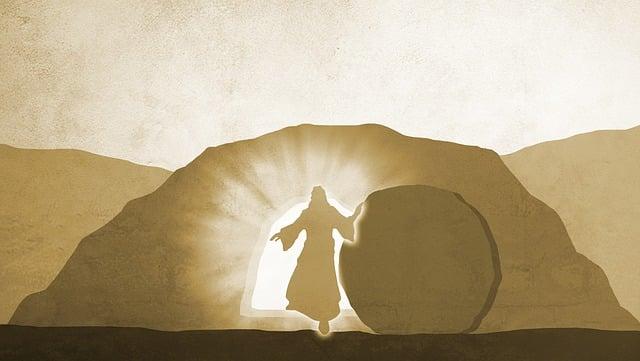
Significance of Sundays in the Liturgical Year
In the Catholic Church, Sundays hold a special significance in the liturgical year. They are considered the Lord’s Day, a time for worship, rest, and reflection on the significance of Christ’s resurrection. Each Sunday is a celebration of the Paschal Mystery, which includes Christ’s passion, death, resurrection, and ascension. As such, Sundays are considered the primary day for communal worship and are central to the Church’s liturgical calendar.
There are different types of Sundays throughout the liturgical year, each with its own theme and significance. Some of the most notable Sundays include:
- Advent Sundays: A time of preparation and anticipation for the coming of Christ.
- Lenten Sundays: A time of repentance and reflection leading up to Easter.
- Easter Sundays: A time of joy and celebration of Christ’s resurrection.
- Ordinary Time Sundays: Sundays outside of the major liturgical seasons, focusing on the teachings of Jesus and the growth of the Christian community.
Overall, Sundays in the liturgical year serve as a reminder of the central mysteries of the Christian faith and provide a structured way for believers to engage with these mysteries throughout the year. By participating in Sunday worship and observing the various themes of each Sunday, Catholics deepen their understanding of their faith and their relationship with God.

Different Types of Sundays in the Church
The Types of Sundays in the Catholic Church
In the Catholic Church, Sundays play a significant role in the liturgical calendar, each holding a unique meaning and observance. Here are some of the different types of Sundays celebrated in the Church:
- Solemnity Sundays: These are the highest ranking of Sundays and typically commemorate important events in the life of Jesus, Mary, or the saints. Examples include Easter Sunday, Christmas Day, and Pentecost.
- Feast Sundays: These Sundays honor specific events or individuals in the Catholic tradition, such as the Feast of the Ascension or the Feast of All Saints.
- Liturgical Sundays: These Sundays focus on the liturgical calendar and highlight the different seasons of the Church year, such as Advent, Lent, and Ordinary Time.
Each type of Sunday offers a unique opportunity for believers to come together in worship, reflection, and celebration. By following the liturgical calendar, Catholics can deepen their faith and connect with the rich traditions of the Church throughout the year.
Advent Sundays: A Time of Preparation and Anticipation
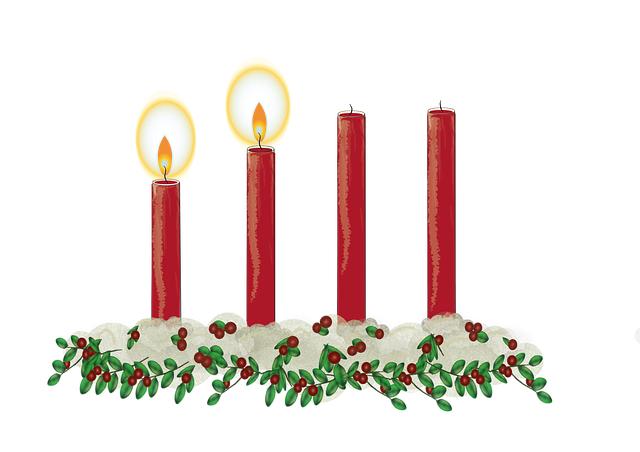
In the Catholic Church, each Sunday in the Advent season holds a special significance as it marks a time of preparation and anticipation for the celebration of the birth of Jesus Christ. This period of waiting and hopeful expectation is a time for reflection, prayer, and spiritual growth.
During the Advent season, there are four Sundays, each with its own unique themes and readings that help guide believers through this period of waiting. These Sundays are an integral part of the liturgical calendar and serve as a reminder of the importance of preparation for the coming of Christ.
As we journey through the Advent Sundays, it is important to embrace the spirit of anticipation and reflection, preparing our hearts and minds for the joyous celebration of Christmas. Each Sunday provides an opportunity to deepen our faith and strengthen our connection to God as we await the birth of our Savior.
Let us approach each Advent Sunday with reverence and gratitude, recognizing the significance of this sacred time in the liturgical calendar. May we use this period of preparation to draw closer to God and to fully appreciate the miracle of Christ’s birth.
Lenten Sundays: Reflecting on Sacrifice and Renewal
In the Catholic Church, Lenten Sundays are a time for reflection on sacrifice and renewal. Each Sunday during Lent holds a special significance on the liturgical calendar, guiding believers on their journey towards Easter.
Palm Sunday: This is the final Sunday of Lent and marks the beginning of Holy Week. It commemorates Jesus’ triumphant entry into Jerusalem, where he was greeted with palm branches. It is a time for reflection on Jesus’ sacrifice and the events leading up to his crucifixion.
Passion Sunday: Also known as the Fifth Sunday of Lent, this day focuses on Jesus’ passion and suffering. It is a time for believers to reflect on the sacrifices Jesus made for humanity and to prepare themselves for the upcoming Easter celebrations.
As we journey through Lent, let us take the time to reflect on the sacrifices of Jesus and the opportunity for renewal that Easter brings. Each Sunday offers a chance for contemplation, prayer, and spiritual growth as we prepare to celebrate the resurrection of Christ.
Easter Sundays: Celebrating Resurrection and New Life
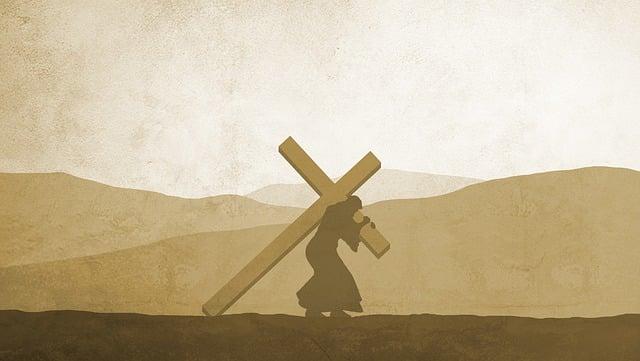
The Catholic Church celebrates Easter Sundays as a time to commemorate the resurrection of Jesus Christ and the promise of new life. This significant event in the liturgical calendar is a time of joy, hope, and renewal for believers around the world.
During the Easter season, Catholics focus on the themes of redemption, forgiveness, and the triumph of light over darkness. It is a time for reflection, prayer, and gratitude for the sacrifice made by Jesus for the salvation of humanity.
As we come together to celebrate Easter Sundays, we are reminded of the eternal hope that comes from the resurrection of Jesus. It is a time to renew our faith, strengthen our commitment to living a life of love and service, and to embrace the promise of new beginnings.
Ordinary Time Sundays: Embracing Growth and Discipleship
During Ordinary Time Sundays in the Catholic Church, we are called to embrace growth and discipleship in our faith journey. This liturgical season, which occurs twice a year, invites us to reflect on the teachings of Jesus and how we can apply them to our daily lives. It is a time for us to deepen our relationship with God and to strengthen our commitment to living out our faith.
Each Sunday in Ordinary Time offers us an opportunity to grow in our understanding of what it means to be a disciple of Christ. Through the readings, prayers, and liturgical celebrations, we are challenged to examine how we can more fully align our lives with the teachings of Jesus. It is a time for us to recommit ourselves to following in the footsteps of the Lord and to seek ways to spread his message of love and salvation to others.
As we journey through Ordinary Time, it is important to remember that growth and discipleship are ongoing processes. It is not about achieving perfection, but rather about striving to become the best version of ourselves that we can be. Each Sunday presents us with a new opportunity to learn, to grow, and to deepen our relationship with God. Let us embrace this time with open hearts and minds, ready to receive the blessings and graces that God has in store for us.

Celebrating Solemnities and Feast Days on Sundays
In the Catholic Church, Sundays are considered the “Lord’s Day” and are a special time for worship, rest, and celebration. This day holds great significance in the liturgical calendar, as it marks the resurrection of Jesus Christ. However, what happens when a solemnity or feast day falls on a Sunday?
When a solemnity or feast day coincides with a Sunday, the celebration of the Sunday takes precedence over the solemnity or feast day. This means that the readings, prayers, and liturgical focus will be centered around the Sunday celebration rather than the other feast day. It is a way of ensuring that the importance of the Lord’s Day is always highlighted and given proper reverence.
Despite the Sunday taking precedence, the solemnity or feast day is not ignored. In most cases, the Church provides options for incorporating elements of the solemnity or feast day into the Sunday liturgy, such as special prayers or mentions during the Mass. This allows for the celebration of both the Sunday and the additional feast day in a harmonious and reverent manner.
Ultimately, the goal is to ensure that both the Sunday celebration and the solemnity or feast day are honored and observed appropriately, while upholding the significance of the Lord’s Day in the liturgical calendar.
Impact of Liturgical Seasons on Sunday Celebrations
Each Sunday in the Catholic Church corresponds to a particular liturgical season, which helps shape the themes and focus of the Sunday celebrations. Understanding the impact of these liturgical seasons on our Sunday worship can deepen our spiritual experience and connection to the Church’s traditions.
Here are some insights into how the liturgical seasons influence our Sunday celebrations:
- Advent: During Advent, the focus is on preparation and anticipation for the coming of Christ. Sunday celebrations reflect this spirit of waiting and longing for the Messiah.
- Lent: In Lent, the emphasis is on repentance and spiritual renewal. Sunday liturgies during this season often highlight themes of fasting, penance, and self-examination.
- Easter: The Easter season is a time of great joy and celebration, as we commemorate Christ’s resurrection. Sunday Masses are filled with alleluias and readings that focus on the triumph of life over death.
- Ordinary Time: Ordinary Time is a period of growth and discipleship, where we are called to live out our faith in our daily lives. Sunday celebrations in Ordinary Time often focus on the teachings and miracles of Jesus.
| Season | Theme |
|---|---|
| Advent | Preparation and anticipation |
| Lent | Repentance and renewal |
| Easter | Joy and resurrection |
| Ordinary Time | Growth and discipleship |
By paying attention to the liturgical seasons and their influence on our Sunday celebrations, we can more fully engage with the richness and depth of the Church’s tradition.
Is Palm Sunday a Solemnity or Feast?
If you’ve ever asked what day is it in church when attending a vibrant mass, you’re not alone. A frequently searched question is: is palm sunday a solemnity or feast? Technically, Palm Sunday is a solemn and significant Sunday that initiates Holy Week, but its liturgical rank prioritizes it above standard feasts. Recognizing a joyous, sunday, catholic church service involves understanding where it falls in the liturgical calendar, blending reverence with the joyous anticipation of Easter.
Concluding Remarks
In conclusion, understanding the liturgical calendar in the Catholic Church can deepen our appreciation for the significance of each Sunday. Whether it’s Ordinary Time, Advent, Lent, or a special feast day, knowing what Sunday it is can enhance our spiritual journey and connection to the Church’s rich traditions. So next time you attend Mass, take a moment to reflect on the season and embrace the beauty of the Catholic liturgical year. Happy Sunday, and may your faith continue to flourish in all that you do!
Following the Liturgical Calendar
Each week, many parishioners ask, what Sunday is it in the Catholic Church? The Church’s year is beautifully structured into seasons such as Advent, Lent, Easter, and Ordinary Time. If you find yourself wondering what is this Sunday, you are joining millions of Catholics worldwide who align their prayers with the universal Church. To determine exactly what is this Sunday in the Catholic Church, we turn to the liturgical calendar, which assigns specific readings, vestment colors, and themes to every weekend.
Discovering Today’s Feast
When someone asks, what is this Sunday on the liturgical calendar or what is this Sunday in the church calendar, they might also be curious about specific celebrations. For instance, you might wonder, what feast day is it today on Sunday in the Catholic Church? Sundays can often coincide with major solemnities like Pentecost, Corpus Christi, or the Epiphany. By staying actively informed about the current liturgical season, you can more deeply participate in the Holy Mass and the rich, ongoing spiritual rhythm of the Catholic faith.
Get our latest guides, news, and insights highlighted in your Google Search & AI Overviews.


 ELITE NEUROSCIENCE DISCOVERY