
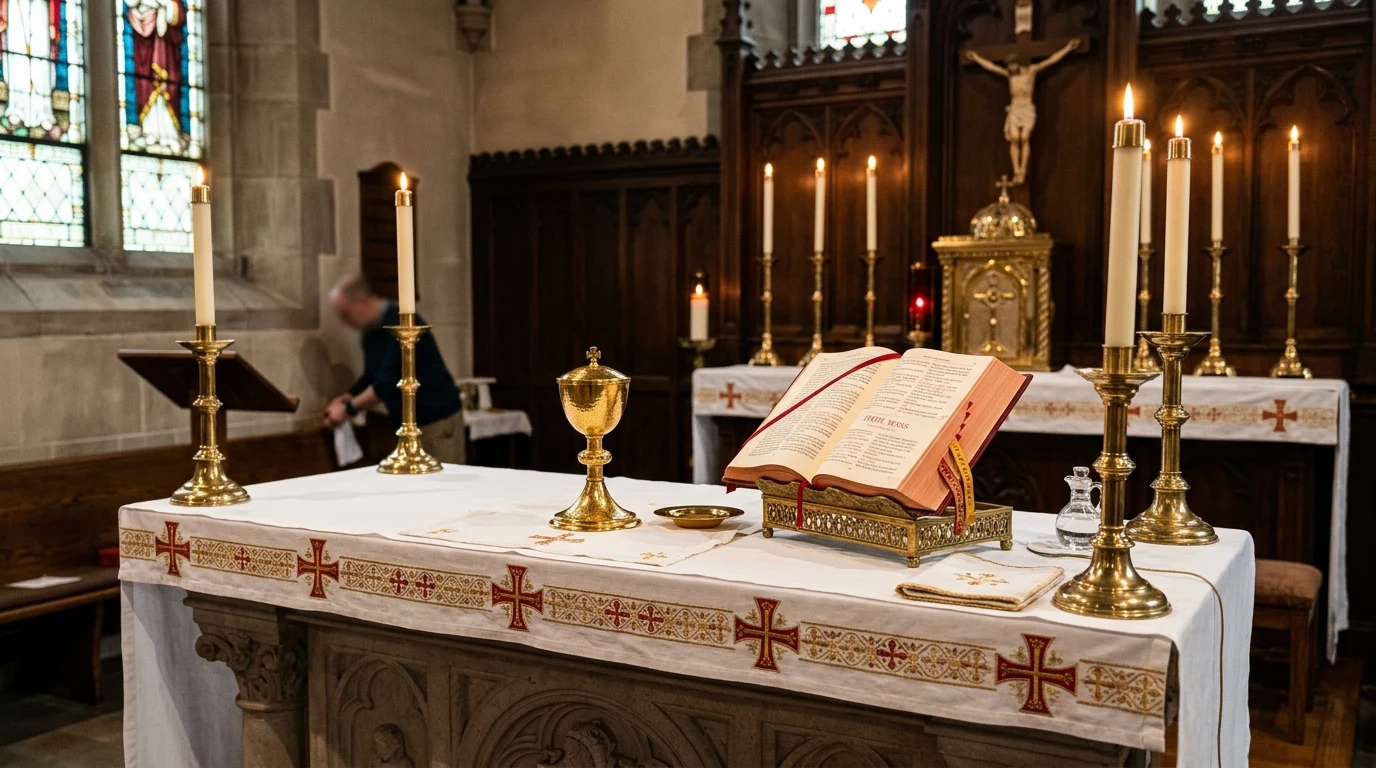
Understanding the Meaning of Sacred Sacraments: Spiritual Significance and Grace
✨ This article was AI edited. Editorial responsibility: Saint Jerome Church.
Produced with AI. This article was artificially generated. Editorial responsibility: Saint Jerome Church.
In Catholic theology, a sacred sacrament is an efficacious sign of divine grace instituted by Jesus Christ and entrusted to the Church, through which divine life is bestowed upon believers. The seven sacred sacraments serve as tangible spiritual encounters communicating God’s presence, sanctifying souls, and marking vital stages in a Christian’s journey of faith.
For two millennia, the sacraments have formed the sacramental heartbeat of Christian liturgical life. Rather than serving as mere symbolic commemorations or dry rituals, each sacrament is a dynamic encounter where the divine realm touches human history. Through visible rites, tangible elements such as water, bread, wine, and consecrated oil become channels of invisible grace, nourishing believers from birth through their final breath.
Contents
- The Etymological and Historical Meaning of Sacrament
- The Three Essential Components: Matter, Form, and Intention
- The Seven Sacraments: Categorized by Spiritual Purpose
- Comprehensive Sacramental Theological Matrix
- Why the Sacraments Are Central to Catholic Faith
- Frequently Asked Questions About Sacred Sacraments
The Etymological and Historical Meaning of Sacrament
To understand the profound theological weight of the word sacrament, one must examine its ancient origins. In classical antiquity, the Latin noun sacramentum denoted a solemn sacred oath or pledge of allegiance sworn by Roman soldiers to their commander and the empire. It signified an irrevocable personal dedication that consecrated an individual to a higher duty and communal brotherhood.
When early Christian theologians, notably Tertullian and Saint Augustine of Hippo, sought a Latin term to translate the Greek New Testament concept of mysterion (mystery), they adopted sacramentum. Saint Augustine famously defined a sacrament as “an outward and visible sign of an inward and spiritual grace” (signum visibile gratiae invisibilis). Through this definition, early Christians understood that the sacraments make the mysterious saving actions of Christ tangibly perceptible in physical creation.
The Three Essential Components: Matter, Form, and Intention
In Catholic scholastic theology codified during the Council of Florence and the Council of Trent, every valid sacrament requires the harmony of three fundamental components:
- The Matter (Res): The physical material or visible action utilized in the sacramental rite. For example, the pouring of natural water in Baptism, the wheat bread and grape wine in the Eucharist, or the laying on of hands and Sacred Chrism in Confirmation.
- The Form (Verba): The specific liturgical words spoken by the minister that consecrate the matter and express its spiritual effect. Examples include “I baptize you in the name of the Father, and of the Son, and of the Holy Spirit” or the words of institution over the bread and chalice.
- The Valid Minister and Intention: The sacrament must be celebrated by an ordained minister (or, in extreme emergencies for Baptism, any person with right intention) possessing the necessary faculties and intending to accomplish what the Church intends.
Furthermore, Catholic dogma upholds the principle of ex opere operato (“by the very fact of the action being performed”). This guarantees that the sacramental grace flows from the eternal merits of Jesus Christ rather than the personal sanctity of the human priest. However, the recipient’s spiritual fruitfulness is governed by ex opere operantis—meaning the degree of grace received depends upon the recipient’s personal faith, repentance, and openness.
The Seven Sacraments: Categorized by Spiritual Purpose
The Catholic Church recognizes exactly seven sacraments, each instituted by Christ to sanctify different dimensions of human and communal existence. The Catechism of the Catholic Church divides them into three coherent categories:
1. Sacraments of Christian Initiation
These sacraments lay the divine foundation of Christian life:
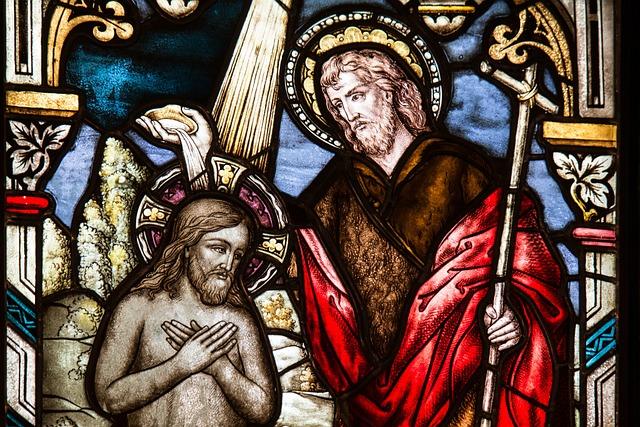
- Baptism: The gateway to life in the Spirit (ianua vitae spiritualis). It washes away Original Sin and personal sins, infuses sanctifying grace, and imprints an indelible spiritual mark (character) uniting the soul to the Body of Christ.
- Confirmation: The perfection and completion of baptismal grace. Through the anointing with Sacred Chrism and the laying on of hands, the confirmand is sealed with the sevenfold gifts of the Holy Spirit to act as a courageous witness to Christ.
- Holy Eucharist: The source and summit (fons et culmen) of the entire Christian life. Catholics profess the Real Presence of Christ—Body, Blood, Soul, and Divinity—under the Eucharistic species of consecrated bread and wine through transubstantiation.
2. Sacraments of Healing
These sacraments restore and strengthen believers burdened by human weakness, illness, and sin:
- Penance and Reconciliation (Confession): The spiritual tribunal of divine mercy where sins committed after Baptism are forgiven upon sincere contrition, confession to a validly ordained priest, and completion of penance.
- Anointing of the Sick: Bestowed upon believers facing serious illness, old age, or imminent surgery. It confers peace, courage, spiritual resilience, and frequently physical alleviation, while uniting the sufferer’s afflictions to the Passion of Christ.
3. Sacraments at the Service of Communion and Mission
These sacraments direct believers outward toward the salvation of others and the leadership of the Christian community:
- Holy Matrimony: A covenantal union between a baptized man and woman established for mutual spiritual sanctification and the procreation and education of offspring. It reflects the unbreakable covenant between Christ and His Church.
- Holy Orders: The conferring of ministerial authority through the three degrees of the ordained priesthood: deacon, priest (presbyter), and bishop (episcopate). Priests are configured to Christ the Head (in persona Christi capitis) to preach the Gospel and celebrate the sacred mysteries.
Comprehensive Sacramental Theological Matrix
The following structured reference outlines the biblical foundations, visible matter, and indelible sacramental effects across all seven rites:
| Sacrament | Sacramental Matter | Primary Minister | Key Biblical Institution | Indelible Character? |
|---|---|---|---|---|
| Baptism | Immersion or pouring of pure water | Priest or Deacon (anyone in emergency) | Matthew 28:19; John 3:5 | Yes (permanent seal) |
| Confirmation | Anointing with Sacred Chrism; laying on of hands | Bishop (or delegated Priest) | Acts 8:14-17; Acts 19:6 | Yes (permanent seal) |
| Holy Eucharist | Wheat unleavened bread and natural grape wine | Validly ordained Priest or Bishop | Luke 22:19-20; 1 Cor 11:23-26 | No (repeatable nourishment) |
| Reconciliation | Contrition, verbal confession, and satisfaction | Priest or Bishop with faculties | John 20:22-23; James 5:16 | No (repeatable healing) |
| Anointing of the Sick | Anointing with Oil of the Sick (olive oil) | Priest or Bishop | James 5:14-15; Mark 6:13 | No (repeatable during grave illness) |
| Holy Matrimony | Mutual consent expressed through vows | The spouses themselves (clergy witnesses) | Matthew 19:4-6; Ephesians 5:31-32 | No (covenant lasts until death) |
| Holy Orders | Laying on of hands by a Bishop in silence | Validly consecrated Bishop | 2 Timothy 1:6; Titus 1:5 | Yes (permanent seal) |
Why the Sacraments Are Central to Catholic Faith
Unlike purely intellectual forms of spiritual contemplation, sacramental worship honors the fullness of human nature. Because human beings possess both bodily senses and spiritual souls, God chose to communicate transcendent truth through physical signs. Water washes, bread feeds, oil soothes, and spoken words comfort. The sacred sacraments remind believers that God redeemed physical reality through the Incarnation of Christ.
For Christians seeking renewal, actively participating in the sacraments brings spiritual equilibrium. Regularly receiving the Holy Eucharist and seeking forgiveness in Reconciliation fortifies the conscience against moral temptation, instills charity in family life, and fosters vibrant parish fellowship.
Frequently Asked Questions About Sacred Sacraments
What is the difference between a sacrament and a sacramental?
A sacrament was directly instituted by Jesus Christ to confer sanctifying grace *ex opere operato*. In contrast, a sacramental (such as holy water, rosaries, the sign of the cross, or scapulars) is a sacred sign instituted by the Church that prepares believers to receive grace through personal devotion (*ex opere operantis*).
Which sacraments can be received only once?
Baptism, Confirmation, and Holy Orders can each be received only once in a lifetime. These three sacraments confer an indelible sacramental character—a permanent spiritual mark upon the soul that cannot be erased or repeated.
Can someone receive the sacraments without belief?
While the objective grace of the sacrament is validly conferred if the minister acts with proper matter and form, an adult recipient must possess personal faith, repentance, and an open heart to receive the spiritual fruits and transformative benefits of the rite.
Get our latest guides, news, and insights highlighted in your Google Search & AI Overviews.


 URGENT: PAGE CLOSING SOON!