

What Constitutes a Catholic Sacrament? Explained
Welcome to an exploration of the sacred rituals that form the cornerstone of Catholic faith – the sacraments. In this article, we will delve into the significance and requirements that define a Catholic sacrament, shedding light on their importance in the life of a Catholic believer. Stay tuned for a comprehensive explanation of what constitutes a Catholic sacrament.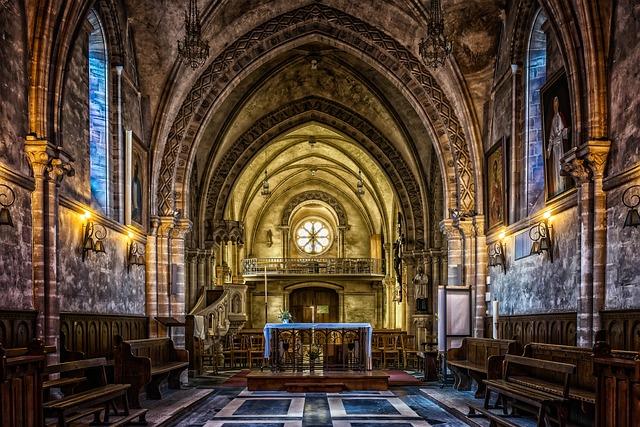
Contents
- Overview of Catholic Sacraments
- The Seven Sacraments in Catholicism
- Sacramental Validity and Efficacy
- Sacraments as Signs and Instruments of Grace
- Sacraments of Initiation, Healing, and Vocation
- Sacraments of Initiation:
- Sacraments of Healing:
- Sacraments of Vocation:
- Importance of Proper Sacramental Preparation
- Sacraments and the Role of the Church
- The Sacraments in the Context of Salvation History
- Controversies Surrounding the Catholic Sacraments
- Final Thoughts
Overview of Catholic Sacraments
Catholic Sacraments are sacred rituals instituted by Jesus Christ, believed to confer the grace of God. There are seven sacraments in the Catholic Church, each providing believers with spiritual nourishment and strengthening their faith. These sacraments are seen as essential for salvation and growth in the Christian life.
The seven sacraments are:
- Baptism: The first sacrament of initiation, cleansing the soul of original sin and welcoming the individual into the Christian community.
- Eucharist: The sacrament of the Body and Blood of Christ, received during Mass, symbolizing the unity of believers with Christ and with one another.
- Confirmation: The sacrament where the individual confirms their baptismal promises and receives the fullness of the Holy Spirit.
- Penance and Reconciliation: The sacrament of confession, where believers seek forgiveness for their sins and reconcile with God and the Church.
Other sacraments include Anointing of the Sick, Holy Orders, and Matrimony. Each sacrament is a visible sign of God’s invisible grace, offering believers the opportunity to experience the presence of God in their lives.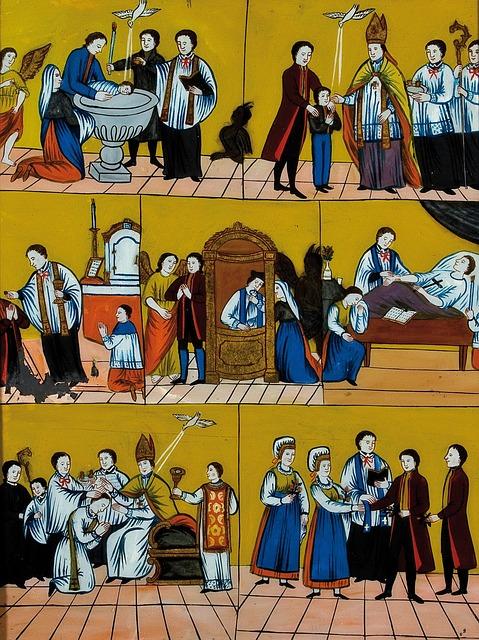
The Seven Sacraments in Catholicism
are essential rituals that mark significant milestones in the lives of believers. Each sacrament is seen as a visible sign of God’s invisible grace, a way for Catholics to experience and receive the saving work of Jesus Christ in their lives.
These sacraments are:
- Baptism: The first sacrament received and the gateway to all other sacraments.
- Confirmation: Strengthens the gifts of the Holy Spirit received at Baptism.
- Eucharist: The source and summit of the Christian life, where Catholics receive the body and blood of Christ.
- Reconciliation: Allows for the forgiveness of sins through confession to a priest.
- Anointing of the Sick: Administered to those who are seriously ill or facing surgery.
- Matrimony: Unites a man and a woman in a lifelong commitment to love and support one another.
- Holy Orders: Ordains men into the priesthood, allowing them to serve the Church and administer the sacraments.
Each sacrament is rooted in the teachings of Jesus Christ and helps Catholics grow in their relationship with God and their community.
Sacramental Validity and Efficacy
In the Catholic Church, a sacrament is a visible sign instituted by Christ to give grace. For a sacrament to be considered valid and efficacious, certain criteria must be met. These criteria include:
– **Proper Form:** Each sacrament has specific words and actions that must be used in order for it to be valid. For example, in the sacrament of Baptism, the essential form is “I baptize you in the name of the Father, and of the Son, and of the Holy Spirit.”
– **Valid Matter:** Some sacraments require specific materials in order to be valid. For example, in the Eucharist, valid matter consists of bread and wine.
– **Intent:** The minister of the sacrament must have the intention of doing what the Church intends. This means that the person administering the sacrament must have the proper understanding of what they are doing.
It is important to note that while the validity of a sacrament is essential, the efficacy of the sacrament is not dependent on the worthiness of the minister. The sacraments themselves are channels of grace, regardless of the holiness of the person administering them.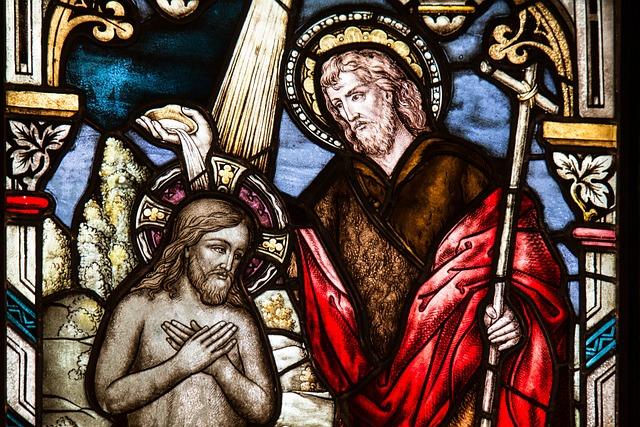
Sacraments as Signs and Instruments of Grace
In the Catholic Church, sacraments are seen as visible signs of God’s invisible grace, which are considered to be essential in the spiritual life of believers. These sacraments are not just symbols, but rather efficacious signs that convey the grace they signify. There are seven sacraments in Catholicism, each with its own unique significance and purpose.
The sacraments are believed to be instruments of grace, through which God communicates his love and mercy to his people. Each sacrament is thought to confer a specific grace on the recipient, helping them to grow in holiness and deepen their relationship with God. While the sacraments are channels of grace, they also require the active participation and openness of the individual to fully receive the benefits they offer.
The sacraments are divided into three categories: sacraments of initiation, sacraments of healing, and sacraments of service. Each category serves a different purpose in the life of a Catholic believer, helping them to strengthen their faith, receive forgiveness, and serve others in love. It is through the sacraments that Catholics believe they are able to encounter the living God in a tangible and transformative way.
| Sacrament | Category |
|---|---|
| Baptism | Sacrament of Initiation |
| Reconciliation | Sacrament of Healing |
| Matrimony | Sacrament of Service |
Sacraments of Initiation, Healing, and Vocation
Catholic sacraments are sacred rituals that have been instituted by Jesus Christ to bring about and strengthen the faith of those who receive them. There are three main categories of sacraments: initiation, healing, and vocation.
Sacraments of Initiation:
- Baptism – the first sacrament of initiation, through which one becomes a member of the Christian community.
- Confirmation – the sacrament that strengthens and seals the grace received at baptism.
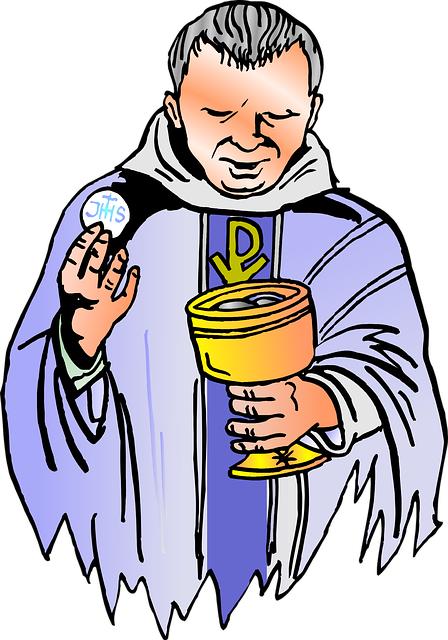
- Eucharist – the sacrament in which Catholics partake in the body and blood of Jesus Christ.
Sacraments of Healing:
- Reconciliation – the sacrament of confession and forgiveness for sins.
- Anointing of the Sick – the sacrament for the healing and comfort of the sick and dying.
Sacraments of Vocation:
- Matrimony – the sacrament of marriage, in which a man and a woman commit to a lifelong partnership.
- Holy Orders – the sacrament through which men are ordained as deacons, priests, or bishops to serve the Church.

Importance of Proper Sacramental Preparation
Proper sacramental preparation is essential in the Catholic faith, as it ensures that individuals are spiritually and mentally ready to receive the grace and blessings of the sacraments. Each sacrament in the Catholic Church is a visible sign of God’s presence and love, and it is through these sacred rituals that believers experience the saving power of Christ.
One of the key aspects of sacramental preparation is catechesis, which involves teaching the candidates about the significance of the sacrament they are about to receive. This instruction helps them deepen their understanding of the sacraments and enables them to approach the rituals with reverence and respect.
Another important element of sacramental preparation is spiritual formation, which involves prayer, reflection, and examination of conscience. By engaging in these spiritual practices, individuals are able to prepare their hearts and minds to receive the graces and blessings that come with the sacrament.
In addition to catechesis and spiritual formation, proper sacramental preparation also involves practical aspects such as understanding the requirements for receiving each sacrament and being properly disposed to receive them. This may include participating in confession, attending Mass regularly, and fulfilling any other pre-requisites set by the church. By taking the time to prepare properly, individuals can fully embrace the sacraments and experience the transformative power of God’s grace in their lives.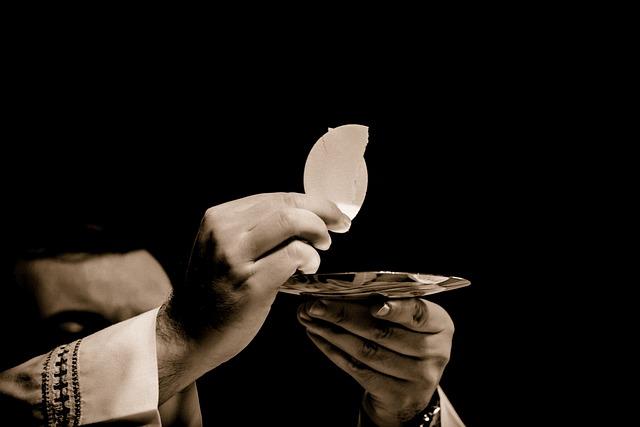
Sacraments and the Role of the Church
In the Catholic tradition, sacraments are seen as visible signs of God’s grace. These sacred rituals are believed to confer divine blessings upon those who participate in them. There are seven sacraments recognized by the Catholic Church, each with its own unique significance and role in the life of a believer.
The seven sacraments in the Catholic Church are:
– Baptism
– Eucharist
– Confirmation
– Reconciliation
– Anointing of the Sick
– Holy Orders
– Matrimony
These sacraments are considered essential for the spiritual growth and development of a Catholic Christian. Through these rituals, believers are believed to receive God’s grace and are strengthened in their faith. Each sacrament has its own specific purpose and effects, all of which are intended to bring believers closer to God and to each other.
The role of the Church in administering these sacraments is critical. It is through the Church that believers are able to participate in these sacred rituals and receive the grace that they offer. The Church acts as a mediator between God and the faithful, facilitating the sacramental life of its members and guiding them on their spiritual journey. In this way, the Church plays a crucial role in the lives of Catholics and in the practice of their faith.
The Sacraments in the Context of Salvation History
In the Catholic faith, sacraments are considered essential elements of one’s spiritual journey, connecting believers with God’s grace and salvation history. These sacred rituals are deeply rooted in the teachings of Jesus Christ and play a crucial role in the life of every Catholic.
There are seven sacraments recognized by the Catholic Church, each with its own significance and purpose. These sacraments are:
– Baptism
– Eucharist
– Confirmation
– Reconciliation
– Anointing of the Sick
– Matrimony
– Holy Orders
What sets a sacrament apart from a mere symbol or ritual is the belief that through these sacraments, God’s grace is truly present and active in the lives of believers. This divine intervention helps individuals grow in faith, receive forgiveness, and experience God’s love in a tangible way.
When we understand the context of salvation history, we see how the sacraments are not just isolated ceremonies but are part of a larger narrative of God’s plan for humanity. From the Old Testament covenants to the ultimate sacrifice of Jesus on the cross, each sacrament helps us participate in the ongoing story of salvation and redemption.
Controversies Surrounding the Catholic Sacraments
Within the Catholic faith, sacraments are seen as sacred rituals instituted by Jesus Christ himself. They are believed to be outward signs of God’s grace, conveying His presence and blessing to believers. The seven sacraments recognized by the Catholic Church are:
- Baptism – the first sacrament, marking initiation into the Christian community
- Confirmation – anointing with chrism oil, strengthening the gifts of the Holy Spirit
- Eucharist – receiving the Body and Blood of Christ in the form of bread and wine
- Reconciliation – confessing sins and receiving absolution
- Anointing of the Sick – prayer and anointing for the sick or dying
- Marriage – the union of a man and a woman in a lifelong commitment
- Holy Orders – ordination of bishops, priests, and deacons
These sacraments are considered essential for the spiritual growth and salvation of Catholics, as they are believed to confer grace and strengthen believers in their faith.
Final Thoughts
In conclusion, understanding what constitutes a Catholic sacrament is essential for every practicing Catholic. By recognizing the seven sacraments established by Christ, we can deepen our faith and spiritual connection to God. Whether it is through baptism, Eucharist, confirmation, confession, marriage, holy orders, or anointing of the sick, each sacrament plays a vital role in our journey of faith. Embrace these sacred rituals with reverence and openness, and allow them to guide you in your path towards salvation and holiness.


 CLASSIFIED INFORMATION ALERT