

The Importance of Understanding What a Sacrament Is
Sacraments are a fundamental part of many religious traditions, but do we truly understand their significance? In this article, we will explore the importance of understanding what a sacrament is and its implications in our spiritual lives. Join us as we dive into the rich history and profound meaning behind these sacred rituals.
Contents
- The Definition of a Sacrament and Its Significance in Christian Faith
- Understanding the History and Origins of Sacraments in Christianity
- Key Differences Between Sacraments and Other Religious Rituals
- The Role of Sacraments in Strengthening an Individual’s Relationship with God
- Exploring the Seven Sacraments in Catholicism and Their Meaning
- How Sacraments Serve as a Channel of God’s Grace to His People
- Common Misconceptions About Sacraments and Clarifications
- Practical Tips for Engaging More Meaningfully in Sacramental Practices
- The Benefits of Regularly Participating in Sacraments for Spiritual Growth
- In Summary
The Definition of a Sacrament and Its Significance in Christian Faith
In Christian faith, a sacrament is a sacred ritual or ceremony established by Jesus Christ as a means of grace. The significance of sacraments lies in their ability to convey God’s grace to believers and strengthen their faith. Understanding what a sacrament is can deepen one’s spiritual experience and enhance their relationship with God.
Key Points on the Definition of a Sacrament:
- Sacraments are outward signs of inward grace, conveying God’s presence and blessings to believers.
- There are generally seven sacraments in the Christian faith, including baptism, Eucharist, and confirmation.
- Sacraments are viewed as channels of God’s grace, helping believers grow in their faith and spiritual life.
Significance of Sacraments in Christian Faith:
- Sacraments serve as a visible expression of God’s love and mercy towards believers.
- They provide a means for believers to experience God’s presence and receive spiritual nourishment.
- Through sacraments, believers are united with Christ and the Church, strengthening their faith and commitment to following Christ.
Understanding the Importance of Sacraments:
- By understanding the significance of sacraments, believers can deepen their relationship with God and experience His grace more fully.
- Sacraments provide a tangible way for believers to connect with God and grow in their faith journey.
- Embracing the sacraments can lead to a deeper sense of spiritual fulfillment and a greater appreciation for the mysteries of God’s love and mercy.

Understanding the History and Origins of Sacraments in Christianity
When delving into the history and origins of sacraments in Christianity, it is crucial to have a solid understanding of what a sacrament actually is. A sacrament is a visible sign of inward grace, instituted by Christ and entrusted to the Church. It is through sacraments that believers receive the saving benefits of Christ’s work.

Understanding the significance of sacraments allows individuals to appreciate their importance in the Christian faith. The sacraments serve as a means of grace, conveying God’s love and presence to believers. By participating in sacraments, Christians are reminded of their faith and strengthened in their spiritual journey.
Through studying the history and origins of sacraments in Christianity, we gain insight into how these practices have evolved over time. Learning about the early Church’s belief in sacraments and how they were administered sheds light on the development of sacramental theology throughout the centuries.
By exploring the roots of sacraments in Christianity, we can deepen our appreciation for these sacred rituals and their role in the life of the Church. Understanding the historical context of sacraments enhances our spiritual experience and helps us connect with the traditions of the faith.
Key Differences Between Sacraments and Other Religious Rituals
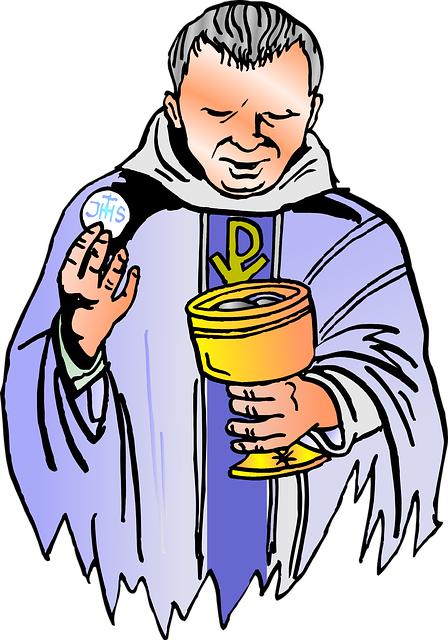
One of the most crucial aspects of religious practice is understanding the differences between sacraments and other religious rituals. Sacraments hold a special significance in many religions, often considered as sacred rites that are believed to convey divine grace to the participants. Here are some key differences to consider:
- Sacredness: Sacraments are often considered more sacred and essential to the faith, while other religious rituals may vary in their importance and significance.
- Divine Grace: Sacraments are believed to convey divine grace to the participants, while other rituals may not necessarily have this belief attached to them.
- Number: Most religions have a specific number of sacraments, such as seven in Catholicism, whereas other rituals may not have a set number or specific definition.
Understanding the distinctions between sacraments and other religious rituals can help individuals deepen their spiritual understanding and connection to their faith. It allows for a more profound appreciation of the sacred rites that are practiced within religious traditions.
The Role of Sacraments in Strengthening an Individual’s Relationship with God
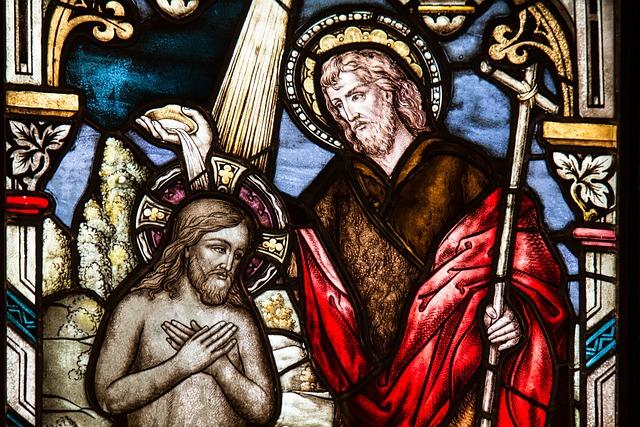
Understanding what a sacrament is essential in recognizing its significance in strengthening an individual’s relationship with God. A sacrament is a sacred ritual or ceremony established by Jesus Christ in Christianity, believed to be a symbol of divine grace. Through sacraments, believers receive spiritual blessings and experience God’s presence in a tangible way.
The role of sacraments in a person’s spiritual journey is multifaceted. They not only mark important milestones in one’s faith but also serve as a means of grace, aiding in the growth and development of a deeper connection with God. By participating in sacraments, individuals are reminded of their commitment to their faith and are encouraged to live a life in alignment with their beliefs.
There are several sacraments recognized in Christianity, each serving a specific purpose in nurturing one’s relationship with God. These sacraments include baptism, confirmation, Eucharist, reconciliation, anointing of the sick, marriage, and holy orders. Each sacrament holds its own significance and contributes uniquely to an individual’s spiritual growth.

Exploring the Seven Sacraments in Catholicism and Their Meaning
When delving into the world of Catholicism, one cannot ignore the significance of the seven sacraments. These sacred rituals play a crucial role in the spiritual life of believers, serving as visible signs of God’s grace. Understanding what a sacrament is and its importance is essential for all Catholics seeking a deeper connection with their faith.
Each sacrament in Catholicism holds a unique meaning and purpose, symbolizing different aspects of the believer’s journey towards salvation. From Baptism, which marks the entrance into the Christian community, to the Anointing of the Sick, which provides healing and strength in times of illness, each sacrament is a powerful expression of God’s love and presence in our lives.
By participating in the sacraments, Catholics are able to experience God’s grace in a tangible way, strengthening their faith and deepening their relationship with Him. Through these sacred rituals, believers are reminded of the central tenets of their faith, such as forgiveness, redemption, and the promise of eternal life.
Ultimately, the seven sacraments serve as a roadmap for Catholics on their spiritual journey, guiding them towards a closer union with God and a greater understanding of His divine plan for humanity. By recognizing the importance of these sacred rituals, believers can enrich their faith and find renewed meaning and purpose in their lives.
How Sacraments Serve as a Channel of God’s Grace to His People
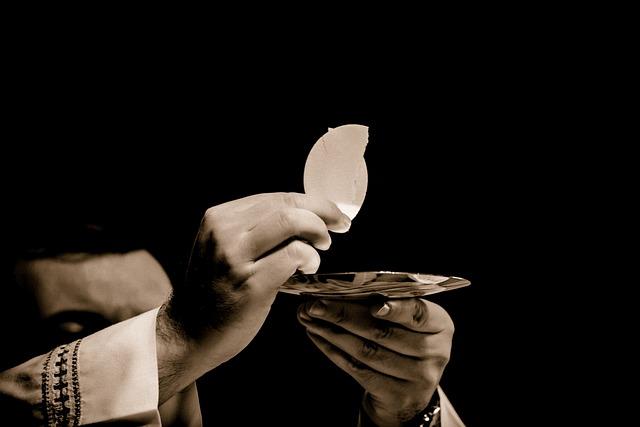
Understanding what a sacrament is crucial for appreciating the role they play in the lives of believers. A sacrament is a visible sign of an invisible grace, a way in which God communicates His love and blessing to His people. Through the sacraments, believers are able to experience the presence and power of God in a tangible way.
Sacraments serve as a channel of God’s grace by providing concrete moments of encounter with the divine. In the sacraments, God’s love and mercy are made real and accessible to us, helping us to grow in our relationship with Him. By participating in the sacraments, believers are strengthened, comforted, and empowered to live out their faith in the world.
Each sacrament has its own unique way of conveying God’s grace to His people. Whether it is through the waters of baptism, the bread and wine of the Eucharist, or the laying on of hands in confirmation, each sacrament draws us closer to God and deepens our faith. By understanding the significance of each sacrament, believers can more fully appreciate the ways in which God is at work in their lives.
Common Misconceptions About Sacraments and Clarifications
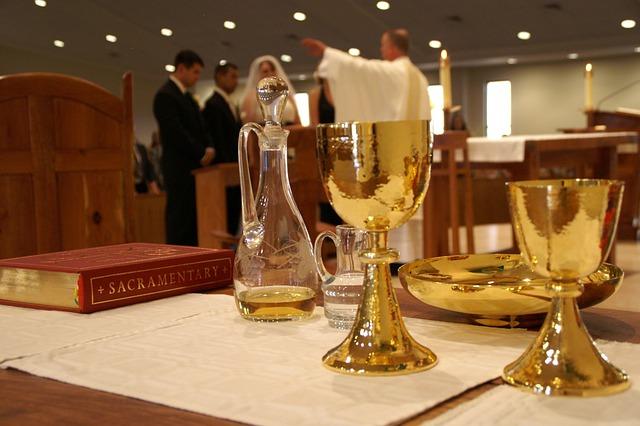
One common misconception about sacraments is that they are simply symbolic rituals with no real significance. However, sacraments are not just symbolic; they are sacred rituals that convey spiritual grace and bring believers closer to God.
Another misconception is that sacraments are only for certain select individuals or that they are the sole responsibility of clergy. In reality, sacraments are available to all believers, regardless of their status or role within the church. Each sacrament is a gift from God to be experienced by all who seek to deepen their faith.
It is also important to clarify that sacraments are not magic spells that automatically guarantee salvation. While sacraments are powerful rites that connect us to God’s grace, they are not a substitute for personal faith and commitment to spiritual growth. Sacraments are meant to be experienced with a humble heart and a sincere desire for spiritual transformation.
Understanding the true essence of sacraments is key to fully appreciating their significance in the Christian faith. By embracing the sacraments with a spirit of reverence and openness, believers can access a deeper connection to God and experience profound spiritual growth.
Practical Tips for Engaging More Meaningfully in Sacramental Practices
In order to engage more meaningfully in sacramental practices, it is crucial to have a clear understanding of what a sacrament is. Sacraments are outward signs of inward grace, instituted by Christ and entrusted to the Church, by which divine life is dispensed to us. They are sacred rituals that symbolize and bring about spiritual realities.
To fully appreciate the sacraments, one must approach them with reverence and faith. Here are some practical tips to help you engage more deeply in sacramental practices:
– **Prepare your heart**: Before participating in a sacrament, take time to reflect on its significance and the grace it offers. Prepare yourself spiritually through prayer and repentance.
– **Participate fully**: When receiving a sacrament, be fully present in mind and body. Listen attentively to the prayers and responses, and actively participate in the rituals.
– **Reflect on the meaning**: After receiving a sacrament, take time to reflect on the grace you have received and how it can impact your life. Consider how you can live out the fruits of the sacrament in your daily activities.
– **Seek guidance**: If you are unsure about the meaning or significance of a particular sacrament, don’t hesitate to seek guidance from a priest or spiritual director. They can help deepen your understanding and appreciation of the sacraments.
The Benefits of Regularly Participating in Sacraments for Spiritual Growth
Understanding what a sacrament is can greatly enhance the benefits of regularly participating in them for spiritual growth. A sacrament is a visible sign of an invisible grace, instituted by Christ and entrusted to the Church. Through the sacraments, we receive God’s grace, which strengthens our relationship with Him and helps us grow in holiness.
**Here are some key points to consider when understanding the importance of sacraments:**
- Sacraments are essential for our spiritual journey, as they are tangible ways in which God works in our lives.
- Participating in sacraments regularly helps us stay connected to God and His Church.
- The sacraments provide us with the grace we need to live out our faith more fully and to overcome spiritual obstacles.
**In essence, sacraments are a gift from God to nourish and strengthen our souls. By understanding their significance and participating in them with reverence and intention, we can experience profound spiritual growth and deepen our relationship with God.**
In Summary
In conclusion, understanding what a sacrament is is crucial for anyone seeking to deepen their faith and experience a closer relationship with God. By recognizing the profound significance of these sacred rituals, we can open ourselves up to a greater understanding of our spiritual journey. So take the time to explore the meaning behind each sacrament, and allow yourself to be transformed by the grace and blessings they offer. Embrace the beauty and power of the sacraments, and watch as they enrich your life in ways you never thought possible.


 URGENT: PAGE CLOSING SOON!