

Is Quinceanera a Sacrament of the Catholic Church? Explained
Quinceanera, a traditional celebration marking a young girl’s transition into womanhood, is a significant event in many Latin American and Catholic communities. However, is it considered a sacrament of the Catholic Church? In this article, we will explore the origins of the quinceanera tradition and discuss its religious significance within the context of Catholicism. Join us as we delve into this age-old practice and uncover the truth behind its spiritual connection.
Contents
- What is a Quinceanera and its significance in Latin American culture?
- Understanding the origins of the Quinceanera ceremony
- Comparing the Quinceanera to traditional Catholic sacraments
- The role of the Catholic Church in the modern Quinceanera celebration
- Key elements of a Quinceanera that align with Catholic beliefs
- Debunking common misconceptions about Quinceanera as a sacrament
- Exploring the spiritual significance of the Quinceanera ceremony
- Tips for incorporating more religious elements into a Quinceanera celebration
- Navigating the intersection of culture, tradition, and faith in planning a Quinceanera
- Respecting the diversity of interpretations of the Quinceanera ceremony within the Catholic Church
- Future Outlook
What is a Quinceanera and its significance in Latin American culture?
In Latin American culture, a Quinceanera is a traditional coming-of-age ceremony that celebrates a girl’s 15th birthday. It is a significant milestone in a young woman’s life and symbolizes her transition from childhood to adulthood. While the celebration varies in different countries and regions, the core elements remain the same – a religious ceremony, a lavish party, and the presentation of the young woman to society.
The Quinceanera ceremony typically begins with a Catholic Mass, where the girl reaffirms her faith and receives blessings from the priest. This aspect of the celebration reflects the strong influence of Catholicism in Latin American culture. However, it is important to note that the Quinceanera is not a sacrament of the Catholic Church. Instead, it is a cultural tradition that has been adapted to incorporate elements of the Catholic faith.
The significance of the Quinceanera extends beyond just a birthday party; it is a rite of passage that honors a young woman’s growth, maturity, and values. Through this ceremony, she is welcomed into womanhood and embraced by her community. The event is often marked by elaborate decorations, beautiful dresses, traditional dances, and heartfelt speeches that reflect the rich heritage and values of Latin American culture.
Overall, the Quinceanera is a beautiful and meaningful celebration that holds a special place in the hearts of Latin Americans. It is a time-honored tradition that highlights the importance of family, faith, and community in the life of a young woman.
Understanding the origins of the Quinceanera ceremony
The Quinceanera ceremony is a tradition deeply ingrained in Latin American culture, particularly in Mexico and other Spanish-speaking countries. While it is often associated with the Catholic Church, the Quinceanera is not actually a sacrament. Instead, it is a cultural celebration that marks a young girl’s transition from childhood to womanhood.
Originating from pre-Hispanic traditions, the Quinceanera ceremony has evolved over time to become what we see today. It combines elements of both indigenous practices and Catholic customs, reflecting the blending of cultures that occurred during the Spanish conquest of the Americas.
One of the key features of the Quinceanera ceremony is the religious aspect, where the young girl reaffirms her faith and dedication to God. This is typically done through a Catholic Mass, where she receives a blessing from the priest and offers a prayer of gratitude for reaching this important milestone in her life.
While the Quinceanera ceremony may not be a sacrament, it holds great significance in the lives of many Latin American families. It is a time to celebrate tradition, culture, and family, as well as a time to reflect on the journey from childhood to adulthood.
Comparing the Quinceanera to traditional Catholic sacraments
While the Quinceanera celebration is a significant event in the life of a young girl in Latin American culture, it is not a sacrament of the Catholic Church. However, many similarities can be drawn between the Quinceanera and traditional Catholic sacraments. Here are some key comparisons:
- Quinceanera: A celebration marking a girl’s transition from childhood to womanhood.
- Catholic Baptism: The sacrament that initiates a person into the Christian faith.
- Quinceanera: Involves a religious ceremony, usually held at a church.
- Catholic Confirmation: The sacrament that strengthens a person’s faith and commitment to the Church.
While the Quinceanera is not a sacrament, it is a unique cultural tradition that holds deep religious and spiritual significance for many families in the Latin American community. It is a celebration of faith, family, and tradition that is often compared to the sacraments of the Catholic Church, despite their distinct differences.
The role of the Catholic Church in the modern Quinceanera celebration
The Catholic Church plays a significant role in the modern Quinceanera celebration, although it is not considered a sacrament of the Church. The tradition of celebrating a Quinceanera originated from a blend of indigenous and Spanish traditions, and over the years, the Catholic Church has become closely associated with this important milestone in a young woman’s life.
During a Quinceanera ceremony, the young woman reaffirms her faith and commitment to God through various rituals and blessings performed by a priest. The Catholic Church often emphasizes the spiritual aspect of the celebration, highlighting the young woman’s journey towards adulthood and her responsibilities as a faithful member of the Church.
While the Quinceanera itself is not a sacrament, it is considered a sacred and symbolic event within the Catholic community. The Church’s involvement in the celebration helps instill values of faith, purity, and devotion in the young woman, guiding her towards a deeper relationship with God and the Church.
In conclusion, while the Quinceanera is not a sacrament of the Catholic Church, its significance and role in modern celebrations are deeply intertwined with the Church’s teachings and traditions, making it a cherished and meaningful event for many young women and their families.

Key elements of a Quinceanera that align with Catholic beliefs
When it comes to the Quinceanera celebration, there are several key elements that align with Catholic beliefs. These elements are deeply rooted in the traditions and customs of the Catholic Church, making the Quinceanera a special sacramental celebration for young girls transitioning into womanhood.
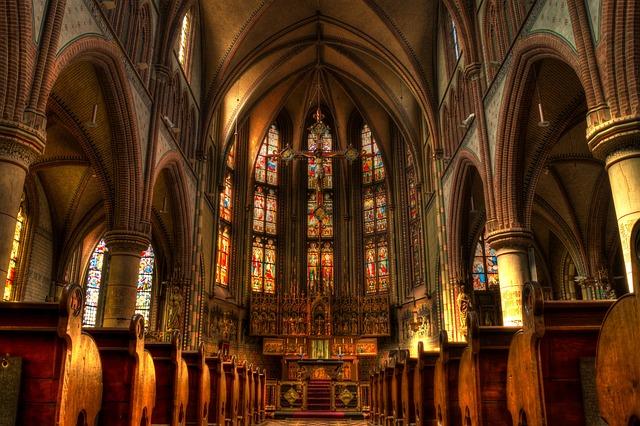
One of the key elements of a Quinceanera that aligns with Catholic beliefs is the religious ceremony that takes place during the celebration. This typically includes a Mass where the quinceanera gives thanks to God for her life and asks for blessings as she enters this new phase of maturity. The importance of faith and spirituality is central to the Quinceanera, highlighting the young girl’s commitment to her Catholic beliefs.
Another key element is the presence of religious symbols and rituals throughout the celebration. From the presentation of the quinceanera’s bouquet to the blessing of her crown, each of these traditions holds special significance within the Catholic faith. These symbolic gestures serve as reminders of the young girl’s commitment to her faith and her journey towards spiritual growth.
Overall, while the Quinceanera is not considered a sacrament of the Catholic Church, it is a deeply spiritual and meaningful celebration that reflects the values and beliefs of the Catholic faith. Through its religious ceremonies, symbols, and rituals, the Quinceanera reinforces the importance of faith, family, and community in the life of a young Catholic woman.
Debunking common misconceptions about Quinceanera as a sacrament
There is a common misconception that a Quinceanera is a sacrament of the Catholic Church, but in reality, it is not. A Quinceanera is a cultural celebration that has religious elements, but it is not one of the seven sacraments recognized by the Catholic Church.
During a Quinceanera, the young girl celebrates her 15th birthday in a special and meaningful way, often involving a church ceremony, a blessing from a priest, and a thanksgiving mass. While these elements may have similarities to sacraments, such as baptism or confirmation, they are not the same.
It is important to understand the difference between a Quinceanera and a sacrament to avoid confusion and misinformation. The Quinceanera is a beautiful tradition that honors a young girl’s transition into womanhood, but it is not a sacrament of the Catholic Church.
Exploring the spiritual significance of the Quinceanera ceremony
Quinceanera is a cherished tradition in many Latin American cultures, especially among those who follow the Catholic faith. While it is not considered a sacrament of the Catholic Church like baptism or communion, the ceremony does hold significant spiritual importance for those who participate.
During a Quinceanera, the young woman being honored is often accompanied by her padrinos (godparents) who play a symbolic role in her journey into adulthood. This mirrors the concept of godparents in baptism, emphasizing the importance of spiritual guidance and support throughout life’s milestones.
Just like other sacraments, the Quinceanera ceremony involves elements of prayer, blessings, and reflection on faith. The young woman may receive a special blessing from the priest, attend a Mass in her honor, or participate in other religious rituals that strengthen her connection to her faith and community.
Ultimately, while Quinceanera may not be a sacrament in the strict sense, its spiritual significance cannot be denied. It serves as a beautiful opportunity for young women to deepen their faith, seek guidance from their community, and celebrate their journey into adulthood with a strong foundation in their beliefs.

Tips for incorporating more religious elements into a Quinceanera celebration
When planning a Quinceanera celebration, incorporating religious elements can add depth and significance to the event. For those in the Catholic faith, the Quinceanera is not considered a sacrament, but it is a deeply religious and spiritual tradition. Here are some :
- Mass: Include a special Mass as part of the celebration, where the Quinceanera can receive blessings and prayers from the priest.
- Prayer: Encourage the Quinceanera to spend time in prayer leading up to the event, focusing on her spiritual growth and connection to God.
- Sacraments: Consider incorporating elements of the sacraments, such as the Eucharist or confession, into the celebration to emphasize the Quinceanera’s continued journey of faith.
By infusing these religious elements into the Quinceanera celebration, you can create a truly meaningful and spiritual experience for the young woman as she transitions into adulthood.

Quinceanera is not a sacrament of the Catholic Church, but rather a cultural and religious celebration that holds deep significance in Latinx communities. While it is often associated with religious traditions, such as a church service and blessing, Quinceanera is not a formal sacrament like baptism or confirmation.
During a Quinceanera celebration, the intersection of culture, tradition, and faith is evident in various aspects of the event:
- The Church Ceremony: Many Quinceaneras include a church service where the young woman reaffirms her faith and receives a blessing from the priest.
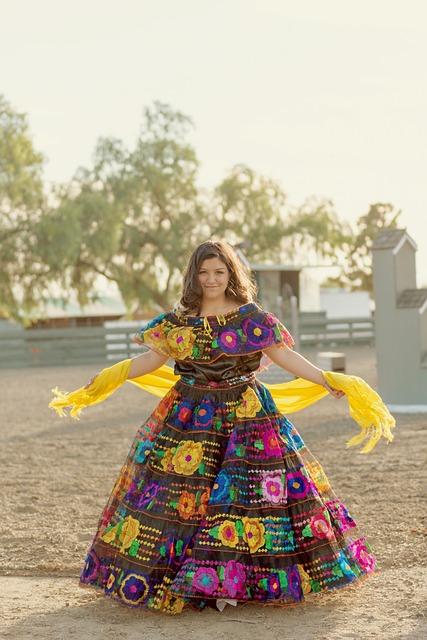
- The Dress: The Quinceanera dress is often white, symbolizing purity, but can also incorporate the young woman’s cultural heritage through embroidery or colors.
- The Court of Honor: This group of family and friends plays a significant role in the celebration, representing the values and traditions of the young woman’s community.
| Aspect | Significance |
|---|---|
| Church Ceremony | Reaffirmation of faith and blessing |
| The Dress | Symbolism of purity and cultural heritage |
| The Court of Honor | Representation of community values and traditions |
While Quinceanera may not be a sacrament, it is a meaningful and symbolic rite of passage that honors a young woman’s transition into adulthood within the context of her culture, traditions, and faith.

Respecting the diversity of interpretations of the Quinceanera ceremony within the Catholic Church
The Quinceanera ceremony is a cherished tradition within the Catholic Church, symbolizing the transition of a young girl into womanhood. While the ceremony itself is not considered a sacrament by the Church, it holds great significance in many Hispanic communities around the world. It is important to respect the diversity of interpretations of this ceremony within the Catholic Church, as different regions and cultures may have varying customs and practices surrounding the Quinceanera.
**Key Points to Consider:**
Historical Significance: The Quinceanera ceremony has roots in both indigenous and Catholic traditions, making it a unique cultural celebration that has evolved over time.
Cultural Variations: Different regions and communities may have their own customs and rituals associated with the Quinceanera, reflecting the diversity of interpretations within the Catholic Church.
Spiritual Meaning: While the Quinceanera is not a sacrament of the Church, it can hold spiritual significance for the young woman and her family, symbolizing her commitment to her faith and community.
| Region | Customs |
|---|---|
| Mexico | Mariachi bands, elaborate dresses, and traditional dances |
| Puerto Rico | Mass at the church followed by a big party with live music and food |
| United States | Blend of traditional and modern elements, such as a court of honor and choreographed dances |
Future Outlook
In conclusion, the quinceañera is not a sacrament of the Catholic Church, but rather a cultural tradition deeply rooted in Latin American heritage. While it may not hold the same religious significance as the sacraments, it holds immense value in celebrating a young girl’s transition into womanhood. Understanding the origins and customs of the quinceañera can help us appreciate the beauty and importance of this special event in the lives of many young Latinas.


 CLASSIFIED INFORMATION ALERT