
Reconciliation & Absolute Contrition: Are You Truly Forgiven?
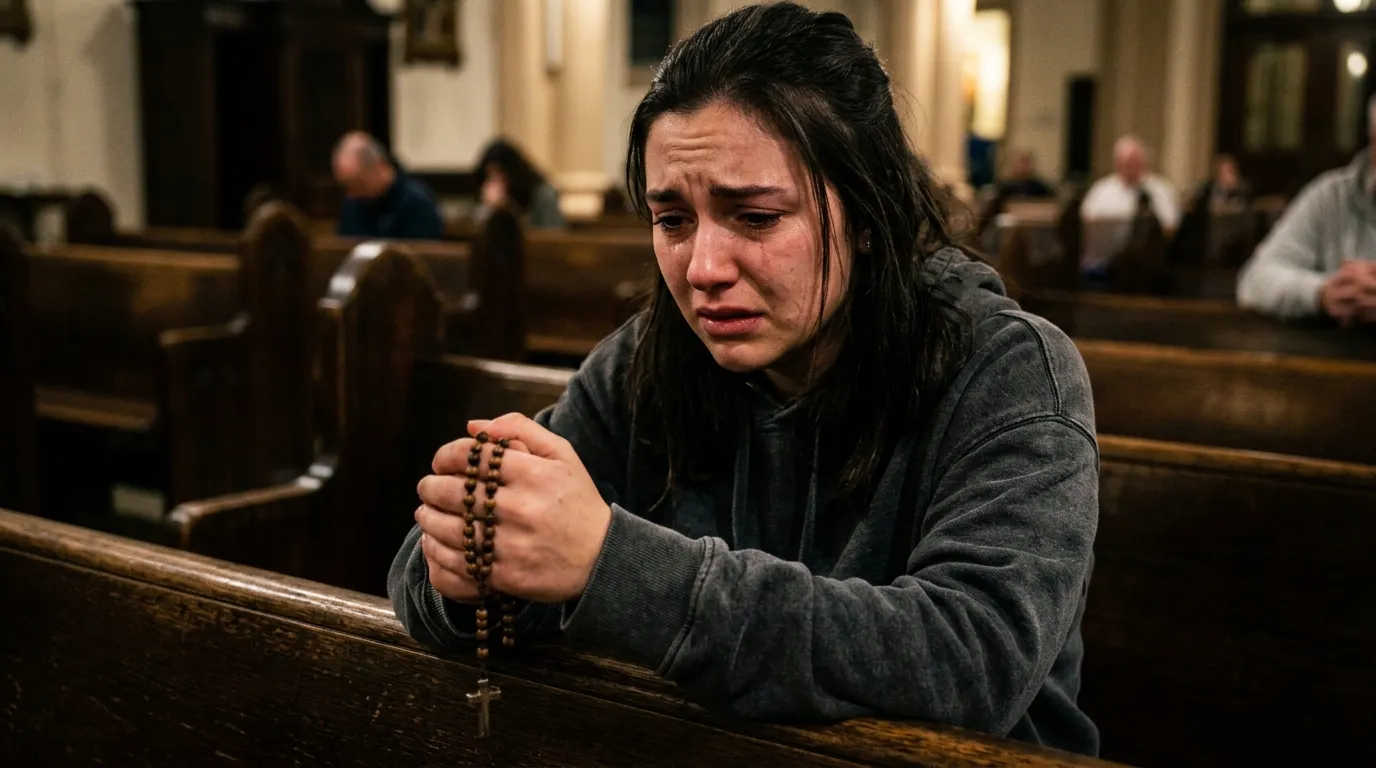
Many Catholics wonder if reconsiliation absolute contrition guarantees forgiveness when they cannot reach a priest. The Sacrament of Reconciliation remains the normative way God forgives grave offenses.
However, sudden emergencies leave faithful individuals terrified of dying in unrepented sin before Confession. Yet, one specific internal act restores you to grace immediately.
Many Catholics wonder if reconsiliation absolute contrition guarantees forgiveness when they cannot reach a priest. The Sacrament of Reconciliation remains the normative way God forgives grave offenses, but sudden emergencies leave faithful individuals terrified of dying in unrepented sin before Confession. One specific internal act—perfect contrition—restores you to grace immediately.
The exact requirement for this extraordinary grace surprises many, and missing this subtle distinction changes your spiritual standing completely.
Contents
- What is Perfect vs. Absolute Contrition in Reconciliation?
- The Difference Between Perfect Contrition and Imperfect Contrition
- Mortal Sin, Venial Sin, and the Grace of Forgiveness
- How to Make an Act of Perfect Contrition Step by Step
- What to Do When You Can’t Get to Confession Immediately
- Common Myths About the Sacrament of Reconciliation
- Jubilee Year 2025: Indulgences and Spiritual Renewal
- Final Thoughts on Absolute Contrition and Seeking Absolution
- Frequently Asked Questions
What is Perfect vs. Absolute Contrition in Reconciliation?
Absolute contrition typically refers to what the Catechism of the Catholic Church calls Perfect Contrition. This grace arises purely from your deep love of God.
You mourn offenses because they offend a perfectly good Creator. By contrast, Imperfect Contrition stems from secondary motives.
You might begin unmasking luxury in your life. You realize worldly attachments cause spiritual ruin.
Consequently, you repent merely fearing punishment. Only perfect sorrow restores your soul before formal confession.

The Difference Between Perfect Contrition and Imperfect Contrition
Theologians call imperfect sorrow Attrition (sorrow based on fear of divine justice).
Attrition suffices for forgiveness when you receive sacramental absolution. Perfect sorrow flows entirely from Charity (the theological virtue of loving God).
This pure love washes away grave offenses immediately if you firmly intend to confess them later.
The spiritual seal on your soul breaks upon sinning, but pure love begins healing instantly.
Mortal Sin, Venial Sin, and the Grace of Forgiveness
Mortal Sin
A Mortal Sin destroys the life of Grace completely. When you commit a grave offense, you need sacramental Absolution (the priest’s declaration of forgiveness).
Venial Sin
A Venial Sin damages your relationship with God without severing it.
If you sincerely pray for forgiveness out of pure love, God answers. He restores your spiritual life immediately while you wait to confess.
How to Make an Act of Perfect Contrition Step by Step
Start by examining your conscience honestly. Acknowledge your specific failings directly to God.
Next, stir up your love for the Lord by reflecting on His cross.
- Speak a prayer expressing your deep sorrow specifically because your sins offend Him.
- Resolve to confess as soon as physically possible.
Is this private prayer worth anything?
Yes, it holds immense spiritual value and secures salvation in emergencies.
What to Do When You Can’t Get to Confession Immediately
Sometimes extreme circumstances separate you from a Priest. Do not panic.
Make your act of pure sorrow immediately and trust in God’s mercy. Continue praying daily and fulfill your normal spiritual duties.
You must abstain from Holy Communion until you finally participate in the sacrament of Penance (the complete ritual of confession).
God honors your sincere desire for reconciliation.
Common Myths About the Sacrament of Reconciliation
Many falsely believe that private prayer completely replaces the sacrament. This contradicts Catholic teaching regarding the priesthood.
Others fear that a priest might share their dark secrets. The strict Seal of Confession prevents a priest from ever revealing what he hears.
A priest faces immediate excommunication if he breaks this sacred trust. Your soul remains entirely safe within the confessional.
Jubilee Year 2025: Indulgences and Spiritual Renewal
The approaching Jubilee Year 2025 offers an extraordinary opportunity for spiritual renewal.
The Vatican grants special indulgences (the remission of temporal punishment) during these holy years.
To receive these graces, you must detach yourself from all sin.
Cultivating a habit of making perfect acts of sorrow prepares your heart. Prepare your soul now by returning to frequent confession.
Final Thoughts on Absolute Contrition and Seeking Absolution
God desires your salvation far more than you do. He provides extraordinary means of grace for desperate situations through perfect sorrow.
You never have to live paralyzed by the fear of sudden death.
Embrace this profound theological reality today. Examine your heart, express your pure love for the Creator, and plan to visit the confessional this week.
Frequently Asked Questions
Can I receive forgiveness for a mortal sin without confession?
Yes, through perfect contrition you can receive immediate forgiveness for a mortal sin, provided you have a firm intention to go to sacramental confession as soon as possible. This is a vital grace given by God in emergencies. (Read more about the seal here)
What is the difference between attrition and perfect contrition?
Attrition, or imperfect contrition, is sorrow for sin born out of a fear of hell. Perfect contrition arises purely from a love of God. While imperfect contrition is sufficient for absolution in confession, perfect contrition forgives sin outside the sacrament.
Does perfect contrition replace the Sacrament of Reconciliation?
No, perfect contrition does not replace the Sacrament of Reconciliation. The Catholic Church teaches that even if your sins are forgiven through perfect contrition, you are still obligated to confess any mortal sins to a priest during confession.
How do I make an act of perfect contrition?
To make an act of perfect contrition, express deep sorrow for your sins out of love for God. You can pray a traditional Act of Contrition, focusing your heart entirely on God’s goodness rather than just the fear of eternal punishment.
Why is the seal of confession so strictly protected?
The seal of confession guarantees absolute privacy for the penitent. A priest can never reveal what is said during the Sacrament of Reconciliation, allowing individuals to confess freely and experience God’s mercy without fear of public exposure.
[contact-form-7 id=”1″ title=”Contact Us”]
Get our latest guides, news, and insights highlighted in your Google Search & AI Overviews.


 CLASSIFIED INFORMATION ALERT