
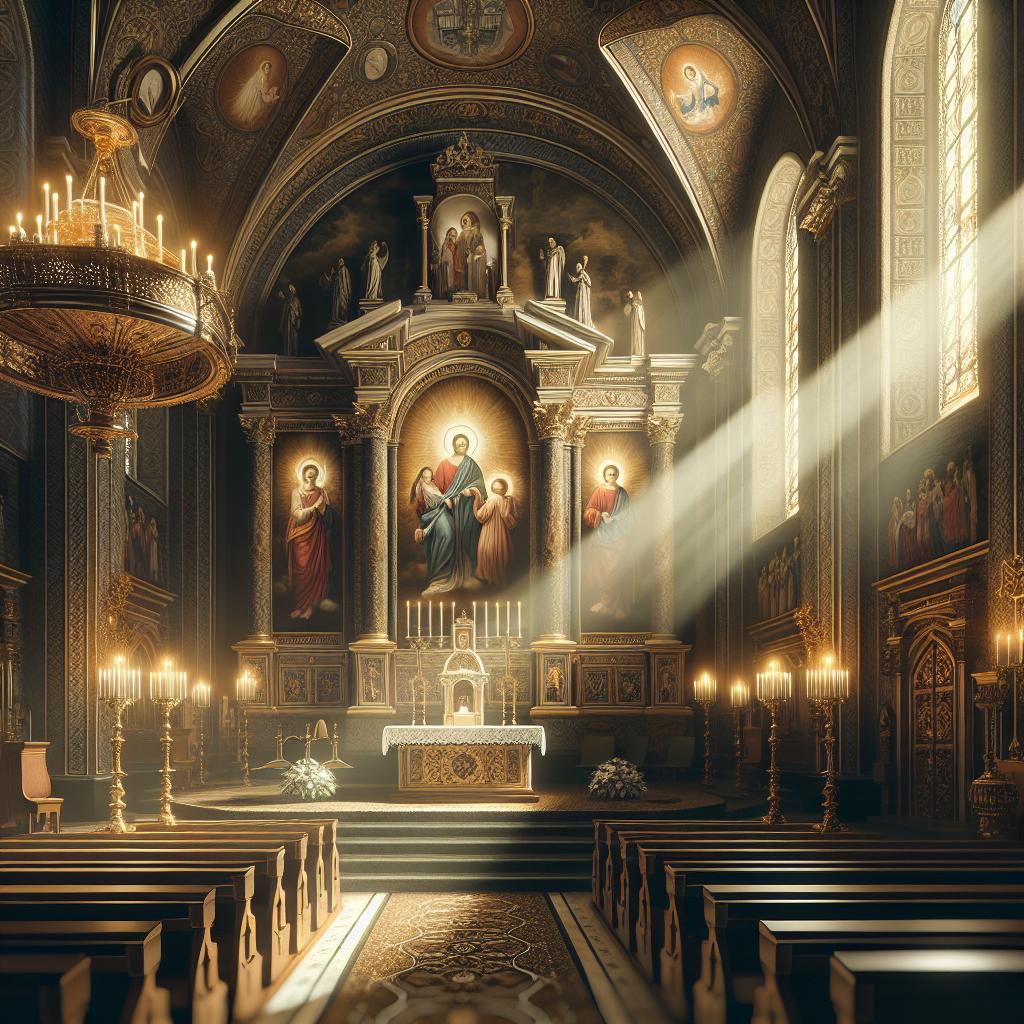
Historical Insights: How Did Marriage Become a Sacrament?
Marriage is a sacred union that has been deeply intertwined with religious beliefs and traditions for centuries. But how did marriage come to be viewed as a sacrament within various faiths? By delving into the historical roots of this practice, we can gain valuable insights into the origins and evolution of marriage as a sacred bond. Let’s explore the fascinating journey of how marriage became a sacrament.
Contents
- The Origins of Marriage as a Sacrament
- Historical Development of Marriage in Christianity
- Influential Figures in Establishing Marriage as a Sacrament
- Differences Between Sacramental Marriage and Civil Marriage
- Impact of the Council of Trent on Marriage as a Sacrament
- Understanding the Spiritual Significance of Sacramental Marriage
- Challenges to the Concept of Marriage as a Sacrament
- Contemporary Perspectives on Marriage as a Sacrament
- Recommendations for Strengthening the Sanctity of Sacramental Marriage
- Key Takeaways
The Origins of Marriage as a Sacrament
Marriage has been a sacred institution in many cultures throughout history, but the concept of marriage as a sacrament within the Christian faith has its roots in the early days of the Church. The idea of marriage as a holy union between a man and a woman can be traced back to the teachings of Jesus Christ and the writings of the Apostle Paul. Over time, the Church began to view marriage not just as a legal contract, but as a spiritual bond ordained by God.
One of the key moments in the formalization of marriage as a sacrament came during the Council of Trent in the 16th century. This ecumenical council of the Catholic Church affirmed the sanctity of marriage and declared it to be one of the seven sacraments. The Council emphasized the indissolubility of marriage and the importance of marital fidelity, echoing the teachings of the early Church fathers.
The sacramental view of marriage has had a profound impact on Christian theology and ethics. It has shaped the way that Christians understand the purpose and meaning of marriage, emphasizing the importance of love, commitment, and self-sacrifice. By recognizing marriage as a sacrament, the Church elevates the institution to a sacred status, emphasizing the spiritual significance of the union between a husband and wife.
In modern times, the sacramental view of marriage continues to influence Christian teachings on marriage and family life. It provides a framework for understanding the divine nature of marriage and the responsibilities that come with it. By viewing marriage as a sacrament, Christians are called to uphold the sanctity of marriage and to strive for harmony, love, and unity within their own relationships.
Historical Development of Marriage in Christianity
Marriage in Christianity has a rich historical development, evolving over centuries to become not just a cultural institution, but also a sacred sacrament. The early Christian church placed a strong emphasis on the sanctity of marriage, viewing it as a holy union ordained by God. As Christianity spread and developed, so too did the Church’s teachings on marriage.
One of the key turning points in the was the Council of Trent in the 16th century. It was here that marriage was formally recognized as one of the seven sacraments of the Church, alongside baptism, confirmation, and the Eucharist. This declaration elevated marriage to a divine institution, emphasizing its sacred nature and importance in the life of believers.
Throughout history, marriage in Christianity has been seen as a reflection of the relationship between Christ and the Church. The mutual love and commitment between a husband and wife are meant to mirror the selfless love and sacrifice of Christ for his followers. This theological understanding has shaped the way Christians view marriage as a covenant between partners, grounded in faith and fidelity.
Today, the sacrament of marriage continues to hold a central role in the life of the Church, with couples entering into this sacred bond with the blessings and guidance of clergy. As we look back on the , we gain a deeper appreciation for the spiritual significance and enduring legacy of this holy institution.

Influential Figures in Establishing Marriage as a Sacrament
Throughout history, there have been several influential figures who played a pivotal role in establishing marriage as a sacrament within various religions. These individuals helped shape the beliefs and practices surrounding marriage, elevating it to a sacred and spiritually significant union.
One such figure is Augustine of Hippo, a renowned theologian and philosopher in the early Christian church. Augustine’s writings on marriage and family life provided a foundation for the concept of marriage as a sacrament. He emphasized the importance of fidelity, love, and unity within marriage, laying the groundwork for its sacred status within the Christian faith.
Another key figure in the establishment of marriage as a sacrament was Thomas Aquinas, a prominent theologian in the medieval Catholic Church. Aquinas’s teachings on the sacraments, particularly his emphasis on the spiritual significance of marriage as a reflection of Christ’s union with the Church, further solidified the sacramental nature of marriage within Catholic doctrine.
Overall, these influential figures, among others, played a crucial role in shaping the understanding of marriage as a sacrament, emphasizing its sacred and spiritual significance within religious traditions.

Differences Between Sacramental Marriage and Civil Marriage
One of the key lies in the beliefs and traditions associated with each type of union. In sacramental marriage, the union is seen as a sacred covenant between two individuals that is blessed by a higher power, typically within a religious context. On the other hand, civil marriage is a legally recognized partnership between two individuals, often devoid of religious connotations.
Furthermore, sacramental marriage is typically officiated by a religious figure, such as a priest, rabbi, or imam, who invokes the blessings of a deity upon the couple. In contrast, civil marriage requires only a legal officiant, such as a judge or magistrate, to solemnize the union according to the laws of the state or country.
Another significant difference between the two types of marriage is the role of faith and spirituality in the relationship. In sacramental marriage, the couple’s commitment is not only to each other but also to their shared beliefs and values, which are often rooted in their religious affiliation. Conversely, civil marriage is more focused on the legal rights and responsibilities that come with being a married couple, without the added spiritual dimension.
While sacramental marriage and civil marriage serve similar purposes in terms of creating a legally recognized partnership between two individuals, the underlying beliefs, traditions, and rituals associated with each type of union can greatly influence the dynamics of the relationship and the way in which the marriage is perceived by society.
Impact of the Council of Trent on Marriage as a Sacrament
At the Council of Trent, one of the significant impacts on the institution of marriage was the formal recognition of marriage as a sacrament within the Catholic Church. This decision solidified the spiritual significance of marriage and underscored its importance as a sacred union between a man and a woman. The Council of Trent played a pivotal role in shaping the understanding of marriage as a sacrament, influencing beliefs and practices surrounding the marital bond.
The recognition of marriage as a sacrament by the Council of Trent had far-reaching implications for the faithful, highlighting the spiritual dimension of the marital relationship. This designation elevated marriage to a sacred status, emphasizing the divine nature of the union and the importance of fidelity, love, and commitment between spouses. By defining marriage as a sacrament, the Council of Trent reinforced the idea that marriage was not merely a civil contract but a sacred covenant before God.
Furthermore, the Council of Trent’s declaration regarding marriage as a sacrament brought about changes in the Church’s teachings and regulations concerning the sacrament of matrimony. It underscored the significance of marriage vows, the indissolubility of the marital bond, and the sanctity of the marital union. The Council’s emphasis on the sacramental nature of marriage had a profound impact on the faithful, shaping their understanding of the spiritual foundation of the marital relationship.

Understanding the Spiritual Significance of Sacramental Marriage
Marriage has been a sacred institution across cultures and religions for centuries, symbolizing the union of two individuals in love and commitment. In Christianity, the concept of marriage as a sacrament has deep historical roots that trace back to the teachings of Jesus Christ and the early church fathers.
requires a look at how this sacred union became a formal ritual within the Christian tradition. Here are some historical insights on how marriage evolved into a sacrament:
- Early Christian Views: In the early days of Christianity, marriage was seen as a social contract rather than a religious sacrament. However, as the church grew in influence, the sacramental nature of marriage began to take shape.
- Influence of Roman Law: The Roman Emperor Constantine’s conversion to Christianity in the 4th century played a significant role in elevating marriage to a sacrament. His endorsement of Christian practices led to the incorporation of Roman legal principles into Christian marriage ceremonies.
- Council of Trent: The Council of Trent in the 16th century officially declared marriage a sacrament, solidifying its importance within the Catholic Church. This decree emphasized the spiritual unity between spouses and the symbolic representation of Christ’s love for the church.
Today, sacramental marriage continues to hold a special place in the hearts of believers, serving as a profound expression of faith, love, and unity within the Christian community.

Challenges to the Concept of Marriage as a Sacrament
One of the main stems from its historical origins. The idea of marriage being a sacrament is not universal across all religions or cultures. In fact, the concept of marriage as a sacrament emerged in Western Christianity during the Middle Ages.
Historically, the Christian church played a significant role in defining and regulating the institution of marriage. The church viewed marriage as a sacred union between one man and one woman, ordained by God. This perspective influenced the development of the sacramental view of marriage.
Another challenge to the concept of marriage as a sacrament is the changing social and cultural norms surrounding marriage. In modern times, the institution of marriage has evolved to be more inclusive and diverse. Societal attitudes towards marriage have shifted, with an increasing acceptance of non-traditional forms of partnership and family structures.
Furthermore, the rise of secularism and the decline of religious influence in society have also contributed to . As more individuals question traditional religious teachings and practices, the idea of marriage as a sacrament may be seen as outdated or irrelevant to some.
Contemporary Perspectives on Marriage as a Sacrament
Marriage as a sacrament has a long and complex history, with roots dating back to ancient civilizations. In the Catholic tradition, marriage is considered a sacred bond between a man and a woman that mirrors the relationship between Christ and the Church. Over time, the concept of marriage as a sacrament has evolved, influenced by various cultural, religious, and social factors.
One key turning point in the history of marriage as a sacrament was the Council of Trent in the 16th century. This ecumenical council reaffirmed the sacramental nature of marriage and established strict guidelines for the validity of marriages within the Catholic Church. The Council’s teachings had a lasting impact on the understanding of marriage as a sacrament within Catholic theology.
Today, continue to be shaped by ongoing debates and discussions within the Church. Some theologians emphasize the spiritual significance of marriage as a sacrament, highlighting its role in sanctifying the couple’s relationship and fostering their growth in faith. Others explore the cultural and social dimensions of marriage, examining how the sacramental nature of marriage intersects with issues such as gender equality, divorce, and family dynamics.
Overall, the concept of marriage as a sacrament remains a rich and multifaceted topic that invites ongoing reflection and dialogue. By delving into its historical roots and considering contemporary perspectives, we can gain a deeper understanding of the sacred institution of marriage and its significance in the lives of believers.

Recommendations for Strengthening the Sanctity of Sacramental Marriage
Throughout history, the concept of marriage has evolved to hold a significant religious and spiritual meaning in various cultures and traditions. In the Christian faith, marriage is regarded as a sacrament, a sacred union ordained by God. But how did marriage become a sacrament in the Christian tradition?
Historically, the idea of marriage as a sacrament was formalized during the medieval period by the Catholic Church. This development was influenced by the teachings of prominent theologians such as St. Augustine and St. Thomas Aquinas, who emphasized the spiritual significance of marriage as a reflection of Christ’s relationship with the Church.
To strengthen the sanctity of sacramental marriage, it is essential to uphold the following recommendations:
- Preparation and Education: Provide couples with comprehensive pre-marital counseling and education on the sacramental nature of marriage.
- Support and Counseling: Offer ongoing support and counseling services to help couples navigate challenges and strengthen their marital bond.
- Community Involvement: Encourage active participation in the faith community, as it provides a support network and spiritual guidance for married couples.
- Prayer and Reflection: Foster a culture of prayer and reflection within marriages, helping couples deepen their spiritual connection with each other and with God.
Key Takeaways
In conclusion, the evolution of marriage from a purely secular to a sacred institution has a long and intricate history. Through examining the roots of this transformation, we gain a deeper understanding of the cultural, religious, and legal forces that have shaped the concept of marriage as a sacrament. As we continue to reflect on the significance of this union in various societies and religious traditions, we are reminded of the enduring power and complexity of the human bond.
Get our latest guides, news, and insights highlighted in your Google Search & AI Overviews.


 PROSPERITY PRAYER