

What Changed the Mass from Latin? Historical Perspectives Discussed
For centuries, the Latin language held a central role in Catholic Mass around the world. However, in the mid-20th century, significant changes were made to bring Mass to the vernacular languages of the people. In this article, we will explore the historical perspectives that led to this shift in one of the most sacred rituals of the Catholic Church. Join us as we delve into the reasons behind the transition from Latin to the language of the people in Mass.
Contents
- Origins of the Latin Mass
- Influence of the Protestant Reformation
- Impacts of Vatican II
- Role of Secularization and Modernization
- Evolving Understanding of Liturgy
- Shift towards Vernacular Languages
- Importance of Active Participation
- Challenges and Controversies
- Historical Perspectives
- Relevance of Tradition and Innovation
- Insights and Conclusions
Origins of the Latin Mass
The Latin Mass, also known as the Tridentine Mass, has a long and rich history within the Catholic Church. Its origins can be traced back to the Council of Trent in the 16th century, where standardized liturgical practices were established to combat the spread of Protestantism. The Mass was celebrated exclusively in Latin, creating a sense of unity and continuity across different regions and languages.
Over the centuries, the Latin Mass became deeply ingrained in the Catholic tradition, with priests and parishioners reciting prayers and responses in Latin. However, with the Second Vatican Council in the 1960s, the Mass underwent significant reforms aimed at modernizing and simplifying the liturgy. This led to the introduction of the vernacular language, allowing for greater participation and understanding among the faithful.
Despite these changes, the Latin Mass continues to be celebrated by some traditionalist Catholics who prefer the solemnity and reverence of the ancient ritual. Today, the debate over the use of Latin in the Mass remains a topic of discussion among theologians, historians, and laypeople alike. Ultimately, the serve as a reminder of the enduring legacy and evolution of Catholic liturgical practices.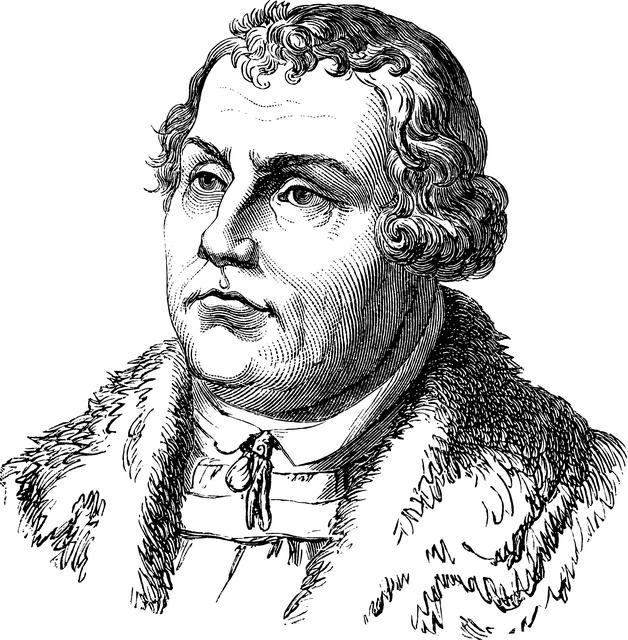
Influence of the Protestant Reformation
The Protestant Reformation had a significant impact on the way religious services were conducted, including the Mass. Prior to the Reformation, the Mass was typically conducted in Latin, a tradition that had been in place for centuries. However, the Reformation brought about changes that led to the Mass being conducted in the vernacular languages of the people.
During this period, several key factors influenced the shift from Latin to vernacular languages in the Mass:
- The desire to make religious services more accessible to the general population
- The emphasis on individual interpretation of religious texts
- The rejection of traditional authority in favor of personal faith
This shift in language reflected a broader change in religious practices and beliefs that emerged during the Protestant Reformation. It marked a departure from the established traditions of the Catholic Church and paved the way for new forms of worship and religious expression.

Impacts of Vatican II
One of the most significant was the decision to allow Mass to be celebrated in vernacular languages rather than solely in Latin. This change was a major shift in the Catholic Church’s tradition and had a profound effect on the way worshippers engaged with the liturgy.
By allowing the Mass to be conducted in languages that people could understand, the Council aimed to make the rites and prayers more accessible and meaningful to the faithful. This change helped to bring the Church closer to its followers and fostered a deeper connection between the worshipper and the sacred rituals.
The move away from Latin also opened the door for greater participation from the laity, as they could now actively engage in the Mass by following along with the prayers and responses in their own language. This change helped to democratize the worship experience and empower the faithful to take a more active role in their spiritual lives.
Overall, the decision to allow Mass to be celebrated in vernacular languages was a significant and impactful change resulting from Vatican II that continues to shape the way Catholics worship to this day.

Role of Secularization and Modernization
Secularization and modernization have played integral roles in the transformation of the Mass from Latin to the vernacular languages. The shift away from Latin can be attributed to various historical factors that have influenced the evolution of religious practices and beliefs.
One key aspect of secularization is the idea of making religious practices more accessible and relatable to the general population. By translating the Mass into the vernacular languages, churches have been able to connect with their congregations on a more personal level, making the religious experience more meaningful for individuals.
On the other hand, modernization has also played a significant role in the change from Latin to the vernacular languages in the Mass. As societies have become more technologically advanced and interconnected, there has been a growing emphasis on inclusivity and diversity. This has led to a push for greater accessibility and understanding in religious practices, prompting the transition to vernacular languages in the Mass.

Evolving Understanding of Liturgy
Throughout history, the Mass has undergone significant changes, particularly in the transition from Latin to vernacular languages. The decision to shift away from Latin in the liturgy was not made hastily; rather, it was the result of a complex interplay of historical, cultural, and ecclesiastical factors.
Some key influences that contributed to the evolution of the Mass away from Latin include:
- The Second Vatican Council (1962-1965), which sought to make the liturgy more accessible to the faithful
- The desire for greater participation and engagement from the congregation
- The recognition of the importance of local languages in fostering a deeper understanding and connection to the liturgy
As a result of these factors, many churches around the world began offering Mass in the vernacular, allowing worshippers to more fully engage with and comprehend the sacred rituals. This shift towards inclusivity and accessibility has had a profound impact on the way the Mass is experienced and understood by contemporary worshippers.

Shift towards Vernacular Languages
In the history of the Catholic Church, the use of Latin as the language for Mass was prevalent for centuries. However, a significant began to take place in the mid-20th century. This change was prompted by various factors, including:
- The Second Vatican Council: The Council, convened by Pope John XXIII in 1962, called for greater participation of the laity in the Mass. This led to a reconsideration of the use of Latin, as many worshippers did not understand the language.
- Desire for Accessibility: There was a growing recognition that using vernacular languages would make the liturgy more accessible to the faithful, allowing them to engage more fully in the celebration of Mass.
- Promotion of Cultural Identity: The use of vernacular languages was also seen as a way to promote the cultural identity of different communities within the Church, as it allowed for a more personal and meaningful worship experience.
As a result of these and other factors, many dioceses around the world began to introduce translations of the Mass into local languages. This marked a significant shift in the way the liturgy was celebrated and experienced by the faithful.

Importance of Active Participation
Active participation in the Mass is crucial for every Catholic. It is not just about attending church services, but engaging fully in the worship experience. When we actively participate in the Mass, we are fulfilling our role as members of the Body of Christ and actively joining in the prayers, songs, and rituals of the liturgy.
One of the key reasons why the Mass transitioned from Latin to the vernacular languages was to encourage greater active participation among the faithful. By allowing people to understand the prayers and readings in their native language, the Church hoped to foster a deeper connection with God and a greater sense of belonging to the faith community.
Active participation also includes taking on roles within the Mass, such as serving as lectors, Eucharistic ministers, or choir members. By actively volunteering to serve in these capacities, individuals not only enrich their own worship experience but also help to create a more vibrant and engaging liturgical celebration for the entire congregation.
In conclusion, active participation in the Mass is not just a suggestion—it is a necessity for every Catholic looking to deepen their faith and live out their calling as disciples of Christ. By fully engaging in the Mass, we not only enrich our own spiritual lives but also contribute to the vitality and vibrancy of our faith communities.

Challenges and Controversies
Historical Perspectives
One of the main factors that led to the shift away from Latin in the Catholic Mass was the Second Vatican Council in the 1960s. This council, also known as Vatican II, aimed to modernize and reform the Catholic Church in response to the changing world. As part of these reforms, the use of the vernacular languages in the liturgy was encouraged to make the Mass more accessible to the faithful.
Another important factor was the desire to promote active participation and understanding among the congregation. By allowing the Mass to be celebrated in languages that people could understand, it was believed that the faithful would be able to engage more fully in the worship experience and deepen their spiritual connection.
While the shift away from Latin was not without controversy, with some traditionalists arguing for the preservation of the ancient language, the decision ultimately reflected the changing dynamics of the Church and the desire to connect with a wider audience in the modern world.
Today, the use of the vernacular languages in the Mass has become the norm in most Catholic churches around the world, with Latin retaining a symbolic and historical significance in certain contexts within the Church.

Relevance of Tradition and Innovation
When discussing the evolution of the Mass from Latin, it is crucial to understand the interplay between tradition and innovation throughout history. The shift from Latin to vernacular languages in the Mass was a gradual process that involved a complex interplay of cultural, political, and religious factors.
One key factor that contributed to the change was the desire to make religious teachings more accessible to the general population. By translating the Mass into vernacular languages, people could better understand and engage with the religious rituals and teachings. This shift towards inclusivity and accessibility marked a significant departure from the traditional use of Latin in the Mass.
Additionally, technological advancements, such as the printing press, played a crucial role in disseminating vernacular translations of the Mass to a wider audience. The ability to mass-produce religious texts in different languages allowed for greater dissemination of knowledge and religious practices, further contributing to the shift away from Latin.
Insights and Conclusions
In conclusion, the shift from Latin to vernacular languages in the Mass was a gradual and complex process shaped by a variety of historical, cultural, and theological factors. By exploring the insights provided by historical perspectives, we can better understand the evolution of this significant change in the Catholic Church. As we continue to reflect on the implications of this transformation, we gain a deeper appreciation for the rich tapestry of traditions that have shaped the practice of worship for centuries. Thank you for joining us on this enlightening journey through the changing face of the Mass.
Get our latest guides, news, and insights highlighted in your Google Search & AI Overviews.


 ELITE NEUROSCIENCE DISCOVERY