

Understanding the Sacrament in the Catholic Church
The sacraments are essential components of Catholic faith and practice, deeply rooted in tradition and significance. Understanding the sacraments is key to fully engaging with the beliefs and practices of the Catholic Church. In this article, we will explore the meaning, importance, and rites of the sacraments in the Catholic tradition, providing insight and clarity to this central aspect of Catholic spirituality. Let’s delve into the rich and profound world of the sacraments in the Catholic Church.
Contents
- The Meaning and Purpose of Sacraments in the Catholic Church
- Sacraments as a Means of Grace and Spiritual Nourishment
- The Seven Sacraments: Baptism, Eucharist, Confirmation, Reconciliation, Anointing of the Sick, Matrimony, Holy Orders
- Key Differences Between Sacraments and Symbolic Rituals
- How to Properly Prepare for Receiving the Sacraments
- The Role of Priests in Administering the Sacraments
- Common Misconceptions About the Sacraments
- The Importance of Regularly Participating in the Sacraments
- Practical Tips for Deepening Your Understanding and Experience of the Sacraments
- In Retrospect
The Meaning and Purpose of Sacraments in the Catholic Church
Sacraments in the Catholic Church are sacred rituals that have been instituted by Jesus Christ to confer grace. These sacraments are considered visible signs of God’s invisible presence and work in our lives. They are powerful means through which Catholics can experience God’s grace and strengthen their faith.
The purpose of sacraments in the Catholic Church is to help believers deepen their relationship with God, receive His grace, and grow in holiness. Each sacrament corresponds to different stages and needs in the life of a Catholic, from birth to death. Through the sacraments, Catholics can experience God’s love and mercy in a tangible way.
The sacraments are not mere symbols or empty rituals; they are channels of God’s grace that transform the lives of believers. By participating in the sacraments, Catholics can receive forgiveness, healing, strength, and guidance to live a life of faith and service. It is through the sacraments that Catholics can fully participate in the life of the Church and receive the spiritual nourishment they need to grow in their relationship with God.
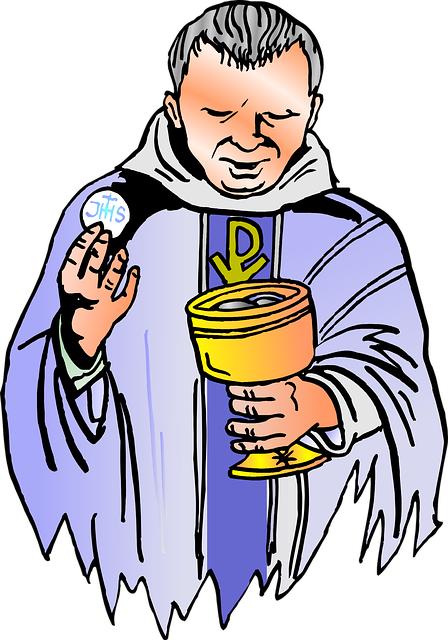
Sacraments as a Means of Grace and Spiritual Nourishment
In the Catholic Church, the sacraments are seen as essential elements of the faith that provide believers with grace and spiritual nourishment. These sacred rituals are considered visible signs of God’s invisible presence in the world, and through them, Catholics are able to experience the presence of God in a tangible way.
One of the key aspects of sacraments is that they are believed to be channels through which God’s grace is imparted to individuals. This grace is seen as a gift from God that helps believers grow in their faith and draw closer to Him. Through the sacraments, Catholics are able to receive the strength and guidance they need to live out their faith in their daily lives.
Each sacrament in the Catholic Church is imbued with its own unique spiritual significance and purpose. From baptism, which marks the beginning of a believer’s journey with Christ, to the Eucharist, which nourishes the soul with the body and blood of Christ, each sacrament plays a vital role in the spiritual life of Catholics. By participating in these sacred rituals, believers are able to deepen their relationship with God and strengthen their connection to the Church community.

The Seven Sacraments: Baptism, Eucharist, Confirmation, Reconciliation, Anointing of the Sick, Matrimony, Holy Orders
In the Catholic Church, there are seven sacraments that hold great significance in the spiritual life of believers. Each sacrament serves as a visible sign of God’s grace and presence in the lives of the faithful. Understanding the sacraments is essential for Catholics to fully participate in the life of the Church and grow in their faith.
Baptism: Through the sacrament of Baptism, individuals are initiated into the Church and become members of the Christian community. It is a cleansing of original sin and a rebirth into a life of grace.
Eucharist: The Eucharist, also known as Holy Communion, is the central sacrament of the Catholic Church. During Mass, bread and wine are consecrated by the priest and believed to become the body and blood of Christ.
Confirmation: Through the sacrament of Confirmation, individuals receive the gifts of the Holy Spirit and are strengthened in their faith. It is a personal commitment to living out the teachings of the Church.
| Sacrament | Significance |
|---|---|
| Reconciliation | Forgiveness of sins |
| Anointing of the Sick | Healing and comfort |
Key Differences Between Sacraments and Symbolic Rituals
In the Catholic Church, there is a clear distinction between sacraments and symbolic rituals. Sacraments are considered to be sacred rites instituted by Christ himself, while symbolic rituals are mere expressions of faith without the same level of efficacy. Understanding the key differences between these two helps believers deepen their spiritual understanding and connection to their faith.
One of the main differences between sacraments and symbolic rituals is the belief in their efficacy. Sacraments are believed to confer grace upon the recipient, while symbolic rituals are seen as outward expressions of faith without any inherent power to bring about spiritual transformation. This is why sacraments are considered essential for salvation in Catholic doctrine.
Another key difference is the number of sacraments recognized by the Catholic Church. There are seven sacraments in total: Baptism, Confirmation, Eucharist, Penance, Anointing of the Sick, Holy Orders, and Matrimony. Each sacrament has its own unique significance and is seen as a means of encountering the divine presence in a tangible way.
In contrast, symbolic rituals can vary widely in form and practice, depending on cultural and religious traditions. While they may hold deep personal meaning for individuals, they do not have the same level of universally recognized significance as sacraments in the Catholic Church. Ultimately, understanding the sacrament in the Catholic Church is a key aspect of deepening one’s spiritual journey and connection to the divine.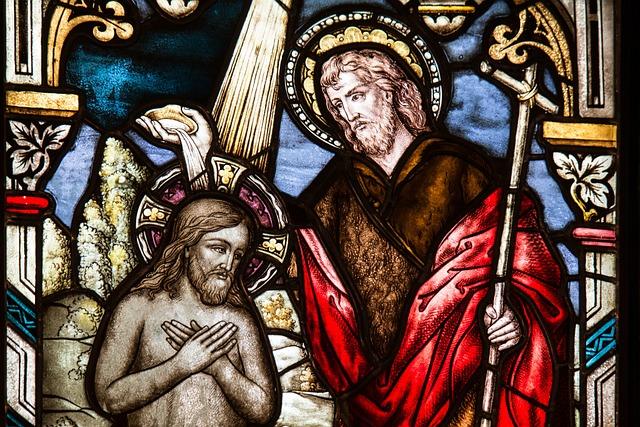
How to Properly Prepare for Receiving the Sacraments
Preparing to receive the sacraments in the Catholic Church is a significant step in one’s spiritual journey. Whether it is baptism, confirmation, Eucharist, reconciliation, anointing of the sick, marriage, or holy orders, careful preparation is essential to fully benefit from these sacred rituals.
Here are some key steps to properly prepare for receiving the sacraments:
- Education: Take the time to learn about the significance and meaning of the sacrament you are about to receive. Attend catechism classes or study materials provided by your church.
- Prayer: Develop a strong prayer life leading up to the sacramental event. Seek guidance and strength from God through regular prayer and reflection.
- Confession: Before receiving certain sacraments, such as Eucharist or confirmation, participate in the sacrament of reconciliation to cleanse your soul and seek forgiveness for any sins.
- Reflection: Spend time in self-reflection and meditation to prepare your heart and mind for the sacramental experience. Consider the impact it will have on your faith and relationship with God.

The Role of Priests in Administering the Sacraments
In the Catholic Church, one of the most important roles of priests is administering the sacraments to the faithful. The sacraments are sacred rituals that Catholics believe were instituted by Jesus Christ to confer grace upon those who receive them. Priests act as the mediators between God and the people, facilitating the reception of these divine gifts.
Through the sacraments, Catholics believe they receive God’s grace, which helps them to live a more Christ-like life. Priests play a crucial role in this process, ensuring that the sacraments are administered correctly and effectively. They are entrusted with the responsibility of guiding the faithful through these sacred rituals, providing spiritual support and guidance along the way.
It is important for Catholics to understand the significance of the sacraments and the role that priests play in administering them. By participating in these rituals with reverence and faith, Catholics can deepen their relationship with God and experience His grace more fully. Priests are there to help facilitate this spiritual journey, making the sacraments accessible to all who seek them.

Common Misconceptions About the Sacraments
One common misconception about the sacraments in the Catholic Church is that they are simply symbolic rituals with no real power or significance. However, sacraments are actually considered outward signs of inward grace, instituted by Christ himself. They are believed to confer grace upon the recipient, helping them grow closer to God and live a more virtuous life.
Another misconception is that the sacraments are only for “holy” or perfect people. In reality, the sacraments are meant for all members of the Church, regardless of their sinfulness or shortcomings. Through the sacraments, Catholics believe that God’s grace can transform and sanctify individuals, helping them on their spiritual journey.
Some may also mistakenly believe that the sacraments are just empty rituals that have lost their meaning over time. However, the Catholic Church teaches that the sacraments are timeless gifts from God, filled with deep spiritual significance. Each sacrament has a specific purpose and grace attached to it, designed to nourish and strengthen the faithful in their Christian life.
It is important for Catholics to understand the true nature and purpose of the sacraments in order to fully benefit from their graces. By embracing the sacraments with faith and reverence, believers can experience the transformative power of God’s love in their lives.

The Importance of Regularly Participating in the Sacraments
Regular participation in the sacraments is a foundational aspect of the Catholic faith, providing believers with spiritual nourishment and grace to strengthen their relationship with God. The sacraments are outward signs instituted by Christ to give grace, and their importance cannot be overstated in the life of a Catholic.
Through the sacraments, Catholics are able to encounter the presence of Christ in a tangible way, receiving His grace and forgiveness. Each sacrament has unique significance and provides specific graces to help believers navigate the challenges of life and grow in holiness.
Attending Mass regularly, confessing sins, receiving the Eucharist, and participating in other sacramental rituals are essential practices for Catholics seeking to deepen their faith and commitment to Christ. By engaging in these sacred rituals, believers are able to experience the transformative power of God’s grace in their lives.
In summary, regularly participating in the sacraments is vital for Catholics to nurture their spiritual life, strengthen their connection to God, and receive the grace needed to live out their faith in the world. Embracing the sacraments with an open heart and a spirit of devotion can lead to profound spiritual growth and a deeper relationship with Christ.

Practical Tips for Deepening Your Understanding and Experience of the Sacraments
One way to deepen your understanding and experience of the Sacraments in the Catholic Church is through regular participation and reflection. Attending Mass and receiving the Sacraments regularly can help you develop a deeper connection with the sacramental grace they offer. Participating in the Sacraments with reverence and intention can also enhance your spiritual growth.
Another practical tip is to educate yourself about the significance and symbolism of each Sacrament. Understanding the theological background and historical context of the Sacraments can enrich your experience and deepen your appreciation for them. Consider reading books, attending seminars, or discussing the Sacraments with knowledgeable individuals to gain more insights.
Engaging in regular prayer and meditation can also help you deepen your understanding and experience of the Sacraments. Take time to reflect on the graces you have received through the Sacraments and offer thanksgiving to God for His abundant blessings. Pray for guidance and grace to live out the promises made through the Sacraments in your daily life.
Lastly, cultivating a spirit of humility and openness can facilitate a deeper experience of the Sacraments. Approach the Sacraments with a contrite heart and a willingness to be transformed by God’s grace. Seek spiritual direction from a trusted priest or spiritual advisor to help you discern how to grow in your relationship with God through the Sacraments.
In Retrospect
By now, you should have a better understanding of the sacraments in the Catholic Church and their significance in the lives of believers. Whether you are looking to deepen your own faith or simply seeking knowledge about these sacred rituals, remember that the sacraments serve as a tangible expression of God’s grace and love for us. If you have any more questions or want to explore this topic further, don’t hesitate to reach out to your local parish or a trusted source for guidance. Embrace the sacraments with an open heart and mind, and allow them to enrich your spiritual journey.
Get our latest guides, news, and insights highlighted in your Google Search & AI Overviews.


 PROSPERITY PRAYER