

Who Is the Holy Trinity? Divine Concepts Explored!
The concept of the Holy Trinity has long been a central tenet of Christian theology, yet many struggle to fully grasp its meaning. In this article, we will delve into the divine mystery of the Holy Trinity, exploring the interplay between the Father, Son, and Holy Spirit. Join us as we unravel the complexities of this fundamental belief and gain a deeper understanding of the divine nature of God.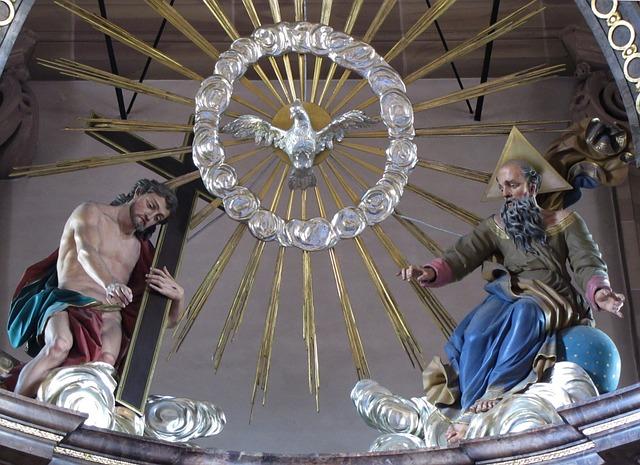
Contents
- The Holy Trinity: Exploring the Concept of God’s Triune Nature
- Understanding the Father, Son, and Holy Spirit: Key Components of the Trinity
- The Significance of the Holy Trinity in Christian Doctrine
- Debunking Common Misconceptions About the Trinity
- Unveiling the Mystery: How the Trinity Reflects God’s Love and Oneness
- Practical Ways to Embrace the Trinity in Your Daily Life
- The Role of the Trinity in Salvation and Redemption
- Comparing the Holy Trinity in Different Christian Denominations
- Exploring the Biblical Basis for the Doctrine of the Holy Trinity
- Challenges in Grasping the Triune Nature of God: Insights and Solutions
- Future Outlook
The Holy Trinity: Exploring the Concept of God’s Triune Nature
The concept of the Holy Trinity is a central belief in Christianity, representing God’s triune nature as the Father, Son, and Holy Spirit. It is a complex and mysterious concept that has been debated and discussed by theologians for centuries. Understanding the Holy Trinity can deepen one’s faith and relationship with God.
Here are some key points to consider when exploring the concept of the Holy Trinity:
- Three Persons, One God: The Holy Trinity teaches that there are three distinct persons within the one Godhead. Each person is fully God, yet distinct from one another.
- Equal in Power and Glory: The Father, Son, and Holy Spirit are equal in power, glory, and divine nature. They are co-eternal and co-equal, existing in perfect unity.
- Role in Salvation: Each person of the Trinity plays a unique role in the plan of salvation. The Father creates and sustains, the Son redeems through His sacrifice, and the Holy Spirit sanctifies and empowers believers.
| Person | Role |
|---|---|
| God the Father | Creator and Sustainer |
| God the Son | Redeemer |
| God the Holy Spirit | Sanctifier and Empowerer |

Understanding the Father, Son, and Holy Spirit: Key Components of the Trinity
The concept of the Holy Trinity is central to Christian theology, representing the belief in one God existing as three distinct persons: the Father, the Son, and the Holy Spirit. Each person of the Trinity plays a unique role in the work of salvation and in the relationship between God and humanity.
Key Components of the Trinity:
-
The Father: The first person of the Trinity, often described as the Creator and source of all things. The Father is seen as the ultimate authority and the one who sends the Son into the world.
-
The Son (Jesus Christ): The second person of the Trinity, who became incarnate as Jesus Christ. Jesus is believed to be both fully human and fully divine, serving as the mediator between God and humanity through his life, death, and resurrection.
- The Holy Spirit: The third person of the Trinity, who is often depicted as the divine presence within believers. The Holy Spirit is seen as the comforter, guide, and empowerer of Christians, leading them in their faith and empowering them for service.
Understanding the Trinity:
While the concept of the Trinity may be difficult to comprehend fully, it is a foundational belief for many Christians. The Trinity represents the complexity and unity of God, showing how the three persons work together in perfect harmony towards the redemption of humanity. By studying the roles and relationships within the Trinity, believers can deepen their understanding of God’s nature and his love for all creation.
The Significance of the Holy Trinity in Christian Doctrine
In Christian doctrine, the Holy Trinity is a fundamental concept that represents the three persons of God: the Father, the Son (Jesus Christ), and the Holy Spirit. Each person is distinct yet inseparable, working together in perfect unity.
The significance of the Holy Trinity lies in its reflection of the complex nature of God, who is both singular and triune. It underscores the belief that God is one being in three persons, with each person playing a unique role in the salvation and redemption of humanity.
The Father is seen as the creator and sustainer of the universe, the Son as the redeemer who took on human form to save humanity, and the Holy Spirit as the divine presence that empowers believers and guides them in their spiritual journey. Together, they form a divine community of love and relationship.
Understanding and contemplating the Holy Trinity can deepen one’s faith and appreciation for the mystery of God’s nature. It serves as a reminder of the richness and complexity of the Christian faith, inviting believers to explore and embrace the depths of divine love and unity.
Debunking Common Misconceptions About the Trinity
Many people hold misconceptions about the concept of the Holy Trinity in Christianity. It is crucial to understand the true essence of this divine concept to appreciate its significance. Here, we debunk common myths and clarify doubts surrounding the Trinity:
- Three Gods: Contrary to popular belief, the Trinity does not mean belief in three separate Gods. Instead, it refers to the three distinct persons within one Godhead – the Father, the Son (Jesus Christ), and the Holy Spirit.
- Equal in Power: Each person of the Trinity is equal in power, glory, and deity. They are not ranked hierarchically, but exist in perfect unity and harmony.
- One Substance: The Father, Son, and Holy Spirit share the same substance or essence, yet they are distinct persons. This divine mystery underscores the complexity and depth of God’s nature.
- Co-eternal and Co-equal: The Trinity has always existed, with no beginning or end. Each person is equally God and plays a unique role in the divine plan of salvation.
| Person of the Trinity | Distinctive Role |
|---|---|
| God the Father | Creator of the universe |
| Jesus Christ (God the Son) | Savior of humanity |
| Holy Spirit | Comforter and guide |
Unveiling the Mystery: How the Trinity Reflects God’s Love and Oneness
When we delve into the concept of the Holy Trinity, we are faced with a profound mystery that reflects the very nature of God Himself. The Trinity, consisting of the Father, the Son, and the Holy Spirit, is a complex yet beautifully unified expression of God’s love and oneness.
Each person of the Trinity plays a unique role in showcasing different aspects of God’s character and work in the world. The Father represents the source of all things, the Son embodies God’s sacrificial love for humanity, and the Holy Spirit is the power that sustains and empowers believers.
Through the Trinity, we see a perfect harmony of love, unity, and purpose. The three persons of the Trinity are distinct yet inseparable, existing in a divine dance of eternal relationship. It is in this unity that we catch a glimpse of the deep love and oneness that defines God Himself.
As we reflect on the mystery of the Holy Trinity, we are invited to explore the depths of God’s nature and His infinite love for us. In understanding this divine concept, we can experience the fullness of God’s presence in our lives and appreciate the beauty of His triune nature.

Practical Ways to Embrace the Trinity in Your Daily Life
The Holy Trinity, Father, Son, and Holy Spirit, is a fundamental concept in Christian theology. Understanding and embracing the Trinity in your daily life can deepen your spiritual connection and guide your actions. Here are some practical ways to incorporate the Trinity into your everyday routine:
- Start your day with a prayer to the Father, thanking Him for His love and guidance.
- Throughout the day, meditate on the teachings of Jesus, the Son, and strive to embody His compassion and forgiveness in your interactions with others.
– Invite the Holy Spirit into your heart and mind, asking for wisdom and strength to navigate challenges and make wise decisions.
– Reflect on the unity and harmony of the Trinity as a model for your relationships with others, seeking to cultivate love, mutual respect, and collaboration in your interactions.
By actively engaging with the concept of the Holy Trinity in your daily life, you can experience a deeper sense of connection to God and a greater awareness of His presence in all aspects of your life. Embracing the Trinity can be a powerful spiritual practice that enriches your faith and empowers you to live with purpose and passion.
The Role of the Trinity in Salvation and Redemption
The Holy Trinity is a concept central to Christian theology, representing the three persons of God: the Father, the Son, and the Holy Spirit. Each person plays a distinct role in the process of salvation and redemption, working together in perfect unity.
– The Father serves as the creator of the universe and the ultimate source of all existence. He is the one who sent his Son, Jesus Christ, to earth to save humanity from sin and death.
– The Son, Jesus Christ, took on human form to live a sinless life and ultimately sacrifice himself on the cross for the atonement of our sins. Through his death and resurrection, he offers salvation and redemption to all who believe in him.
– The Holy Spirit is the active presence of God in the world, working in the hearts of believers to convict them of sin, guide them in truth, and empower them to live a life pleasing to God.
Together, the three persons of the Trinity work harmoniously to bring about salvation and redemption for all who accept the gift of grace through faith in Jesus Christ. This divine collaboration showcases the love, mercy, and power of God in the process of reconciling humanity to himself.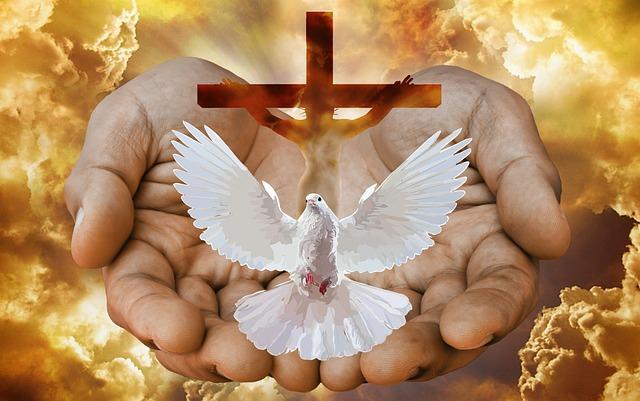
Comparing the Holy Trinity in Different Christian Denominations
Within various Christian denominations, the concept of the Holy Trinity is a central belief that defines the nature of God. While the doctrine of the Trinity is universally accepted among Christians, there are nuances in how different denominations interpret and understand the nature of the Father, Son, and Holy Spirit.
Catholic Perspective:
In the Catholic Church, the Holy Trinity is viewed as three distinct persons - the Father, the Son (Jesus Christ), and the Holy Spirit, who are all equally God. This concept is central to Catholic theology and worship practices.
Protestant Perspective:
Protestant denominations also believe in the Holy Trinity but may have differences in how they understand the relationship between the three persons. Some Protestants emphasize the oneness of God, while others focus more on the distinctiveness of each person within the Trinity.
Orthodox Perspective:
Orthodox Christians believe in the Holy Trinity as well, but they place a strong emphasis on the idea of the Trinity as a community of love and unity. The Father, Son, and Holy Spirit are seen as working together in perfect harmony for the salvation of humanity.

Exploring the Biblical Basis for the Doctrine of the Holy Trinity
The concept of the Holy Trinity is a foundational belief in Christian theology, yet it can be a complex and mysterious doctrine to grasp. In , we delve into the very nature of God as Father, Son, and Holy Spirit. Here are some key points to consider:
– **Triune God**: The doctrine of the Holy Trinity affirms that there is one God who exists eternally in three persons – Father, Son, and Holy Spirit. This mystery of the Trinity is not explicitly spelled out in the Bible, but rather inferred from various passages that speak of the three persons of the Godhead.
– **Biblical Support**: Throughout the Old and New Testaments, there are verses that hint at the triune nature of God. For example, in the Gospel of Matthew, Jesus commands his disciples to baptize in the name of the Father, Son, and Holy Spirit (Matthew 28:19), implying their equal divine status.
– **Unity in Diversity**: The Holy Trinity demonstrates a unity in diversity, with each person of the Godhead playing a distinct role in the work of redemption. The Father creates, the Son redeems, and the Holy Spirit sanctifies, yet all three persons are united in purpose and essence.
In conclusion, as we explore the biblical basis for the doctrine of the Holy Trinity, we are invited to ponder the profound mystery of God’s being. While we may never fully comprehend the depths of the Trinity, we can rest in the assurance that God reveals himself to us as Father, Son, and Holy Spirit, inviting us into relationship with the triune Godhead.
Challenges in Grasping the Triune Nature of God: Insights and Solutions
Understanding the triune nature of God can be a challenging concept for many believers. The idea of God existing as three persons in one can be difficult to wrap our minds around. However, by delving deeper into this divine mystery, we can gain valuable insights and find solutions to help us grasp this complex theological concept.
One key insight into the Holy Trinity is recognizing that each person of the Trinity – the Father, the Son, and the Holy Spirit – is distinct yet inseparable. This means that while they are three distinct persons, they are also one God. **This unity in diversity** is a central aspect of the triune nature of God that can help us better understand this divine mystery.
Another helpful solution in understanding the Holy Trinity is to look at the roles and functions of each person within the Trinity. **By examining how the Father creates, the Son redeems, and the Holy Spirit empowers**, we can see how each person works together in perfect harmony for the glory of God.
| Person | Role |
|---|---|
| Father | Creator |
| Son | Redeemer |
| Holy Spirit | Empowerer |
Overall, delving into the triune nature of God requires a willingness to embrace the mystery and complexity of **God’s nature**. Through prayer, study, and reflection, we can deepen our understanding of the Holy Trinity and grow in our relationship with God as we seek to know Him more fully.
Future Outlook
In conclusion, the Holy Trinity is a complex and profound concept that has been debated and studied for centuries. As we have explored in this article, the Father, Son, and Holy Spirit are three distinct persons yet one God. Understanding the Holy Trinity is essential for Christians, as it reveals the nature of God and His relationship with humanity. Whether you are a devout believer or simply curious about religious theology, the notion of the Holy Trinity invites us to contemplate the limitless mysteries of the divine. We hope that this article has shed some light on this intriguing topic and encouraged you to delve deeper into the rich tapestry of Christian faith. Thank you for joining us on this journey of exploration into the depths of divine concepts.


 CLASSIFIED INFORMATION ALERT