
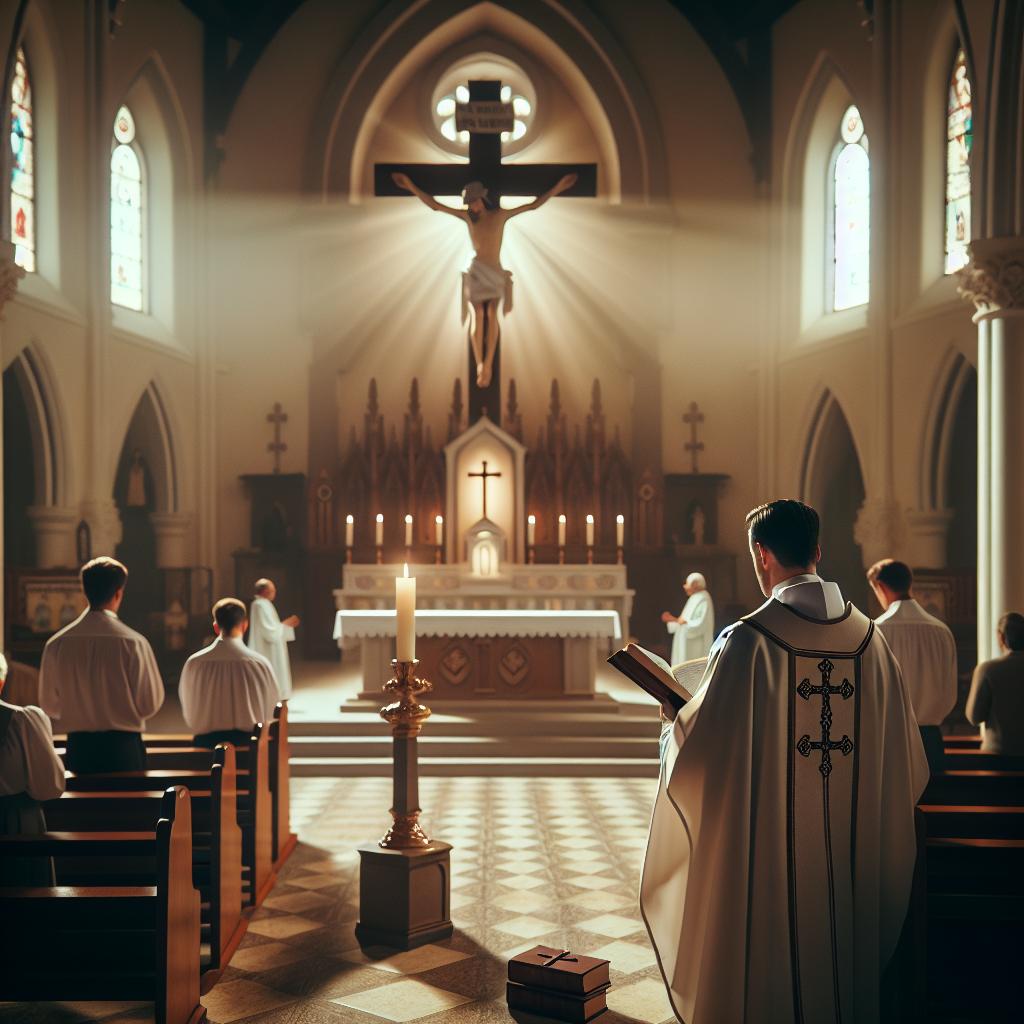
Who Can Receive the Holy Orders? Ecclesiastical Rites Explored
In the Catholic Church, the Holy Orders are a sacred and ancient tradition that bestows the responsibility of ministry upon ordained individuals. But who exactly is eligible to receive this sacred calling? In this article, we will explore the ecclesiastical rites and requirements for those seeking to enter into the Holy Orders, shedding light on the process and criteria for this deeply revered sacrament.
Contents
- Who is Eligible for the Holy Orders?
- Requirements for Receiving the Holy Orders
- Understanding the Different Ecclesiastical Rites
- Exploring the Sacramental Significance of Holy Orders
- Navigating the Process of Receiving Holy Orders
- Key Considerations Before Pursuing the Holy Orders
- Challenges Faced by Candidates Seeking the Holy Orders
- The Role of the Ecclesiastical Authority in Granting Holy Orders
- Benefits and Responsibilities of Receiving the Holy Orders
- Benefits of Receiving the Holy Orders
- Responsibilities of Receiving the Holy Orders
- Final Considerations for Those Considering the Holy Orders
- To Conclude
Who is Eligible for the Holy Orders?
In the Catholic Church, the Holy Orders refer to the sacrament through which an individual is ordained as a deacon, priest, or bishop. This sacred tradition dates back to the early Christian community and holds immense significance within the Church hierarchy. But who exactly is eligible to receive the Holy Orders?
Eligibility for the Holy Orders varies depending on the ecclesiastical rites within the Catholic Church. Here is a breakdown of the requirements for each role:
-
Deacon: To become a deacon, a man must be at least 25 years old, have received the sacraments of Baptism and Confirmation, be in good standing with the Church, and undergo a period of formation and training.
-
Priest: Aspiring priests must meet similar criteria as deacons, with the additional requirement of celibacy for diocesan priests in the Latin Rite. Other rites within the Catholic Church may allow for married men to become priests.
- Bishop: Bishops must be ordained priests with significant experience in pastoral ministry. They are typically chosen from the ranks of priests who have demonstrated leadership qualities and a deep commitment to serving the Church.
Overall, the Holy Orders are reserved for those who are called by God to serve His people through ordained ministry. It is a sacred responsibility that requires great faith, dedication, and humility. By meeting the eligibility requirements and discerning one’s vocation, individuals can embark on a lifelong journey of service to the Church and the faithful.
Requirements for Receiving the Holy Orders
Before one can receive the Holy Orders, there are specific criteria and prerequisites that must be met. These requirements vary depending on the ecclesiastical rite being followed. In general, there are common elements that are essential for anyone seeking to be ordained in the Catholic Church.
- Discernment: Prospective candidates must first discern if they are being called by God to the priesthood. This involves prayer, spiritual direction, and reflection on one’s vocation.
- Education: Candidates must have a solid foundation in theology, philosophy, and pastoral studies. This typically involves completing a degree from a seminary or other approved institution.
- Age: There are age requirements for ordination, with most dioceses requiring candidates to be at least 25 years old.
- Celibacy: In most ecclesiastical rites, candidates for the priesthood must commit to a life of celibacy as a sign of their dedication to God and the Church.
It is important for individuals considering the Holy Orders to prayerfully consider these requirements and seek guidance from their spiritual advisors. The discernment process can be challenging, but ultimately rewarding for those called to serve as ordained ministers in the Church.
Understanding the Different Ecclesiastical Rites
In the Catholic Church, the Holy Orders are one of the seven sacraments that confer a special grace upon those called to serve the Church in a specific role. This sacrament is reserved for baptized men who feel a calling to serve as deacons, priests, or bishops. It is important to note that different ecclesiastical rites within the Catholic Church have varying requirements and traditions surrounding the Holy Orders.
The Latin Rite, which is the most common rite within the Catholic Church, follows the traditional practice of reserving the Holy Orders for celibate men. However, there are exceptions to this rule, such as married Anglican priests who convert to Catholicism and are allowed to be ordained as Catholic priests while maintaining their marriage. On the other hand, the Eastern Catholic Churches have a long-standing tradition of ordaining married men to the priesthood, in line with their unique customs and practices.
within the Catholic Church can provide insight into the rich diversity of traditions and practices that exist within the universal Church. While the fundamental teachings and beliefs remain the same, the way in which these teachings are expressed and lived out can vary significantly from one rite to another. Embracing this diversity can help foster a deeper appreciation for the unity and universality of the Catholic faith.
Exploring the Sacramental Significance of Holy Orders
In the Catholic Church, Holy Orders is one of the seven sacraments, which bestows the recipient with the grace and authority to perform sacred duties within the Church. This sacrament is reserved for baptized men who feel called to serve as deacons, priests, or bishops. The Church believes that through the sacrament of Holy Orders, these men are given a special blessing and power to carry out their roles in the community of faith.
The process of receiving Holy Orders involves a series of ecclesiastical rites, each marking a progression in the individual’s journey towards becoming a deacon, priest, or bishop. These rites include the Rite of Candidacy, the Rite of Ordination, and the Rite of Consecration. Each of these rites is accompanied by prayers, blessings, and gestures that signify the recipient’s commitment to the Church and their readiness to take on their designated role.
It is important to note that not everyone is eligible to receive the sacrament of Holy Orders. The Church outlines specific requirements for candidates, including being male, being of a certain age, and being morally and spiritually fit for the responsibilities that come with ordination. Additionally, candidates must have a genuine desire to serve the Church and a deep sense of vocation to the priesthood. Through discernment and prayer, those considering Holy Orders can determine if they are called to this sacred vocation.
In the Catholic Church, only men can receive the Holy Orders, which include the diaconate, priesthood, and episcopate. This tradition dates back to the apostles, who were all men chosen by Jesus to carry out His ministry. While some may debate this practice, the Church continues to uphold this requirement as part of its long-standing tradition.
The process of receiving Holy Orders involves several ecclesiastical rites, each marking a significant step in the candidate’s journey towards ordination. These rites include the admission to candidacy, the institution of acolytes, the ordination to the diaconate, and finally, the ordination to the priesthood or episcopate. Each rite is accompanied by prayers, blessings, and the laying on of hands by the bishop, signifying the candidate’s consecration to serve the Church.
Candidates for Holy Orders must undergo a period of discernment and formation, typically lasting several years, before they can be ordained. This process includes theological studies, pastoral training, and spiritual formation to prepare candidates for the responsibilities and challenges of ministry. The Church takes great care in ensuring that those who receive Holy Orders are well-equipped to serve God’s people with competence, compassion, and commitment.
Key Considerations Before Pursuing the Holy Orders
In order to receive the Holy Orders, there are several key considerations that individuals must take into account. These considerations include:
- Discernment: It is important for individuals to carefully discern whether they are truly called to the priesthood or religious life.
- Educational Requirements: Candidates for the Holy Orders must meet specific educational requirements, which often include a Bachelor’s degree in theology or a related field.
- Physical and Emotional Health: Candidates must be in good physical and emotional health in order to effectively carry out their duties as clergy.
- Commitment to Celibacy: Most branches of Christianity require clergy members to commit to a life of celibacy.
It is also important to understand the various ecclesiastical rites and traditions associated with the Holy Orders. These rites may vary depending on the branch of Christianity and can include:
- The Roman Rite: The most common rite in the Western Church, which is used by the Roman Catholic Church.
- The Byzantine Rite: Used by Eastern Catholic Churches and some Eastern Orthodox Churches.
- The Anglican Rite: Used by Anglican churches and some other Protestant denominations.
- The Oriental Rite: Used by Eastern Orthodox Churches and some Eastern Catholic Churches.

Challenges Faced by Candidates Seeking the Holy Orders
In their journey to receive the Holy Orders, candidates often face various challenges that test their faith, dedication, and readiness for service to the Church. These challenges can be both internal and external, requiring candidates to navigate a complex and sometimes daunting process.
Some common include:
- Discernment: Candidates must undergo a period of discernment to ensure that they are called to the priesthood or religious life. This process involves prayer, reflection, and spiritual guidance to help candidates understand and embrace their vocation.
- Educational Requirements: Candidates are usually required to complete a rigorous educational program to prepare them for the responsibilities of the priesthood. This can be challenging and time-consuming, requiring candidates to balance their studies with other commitments.
- Social Pressures: Candidates may face social pressures from friends, family members, or society at large who may not understand or support their decision to pursue the Holy Orders. This can be emotionally challenging and require candidates to rely on their faith and perseverance.
Despite these challenges, candidates who are called to the Holy Orders are often able to overcome them with the support of their faith, spiritual community, and dedication to serving God and His people.
The Role of the Ecclesiastical Authority in Granting Holy Orders
The ecclesiastical authority plays a crucial role in the granting of Holy Orders within the Catholic Church. This authority is responsible for overseeing the process in which individuals are ordained into the clergy, ensuring that they meet all the necessary requirements and are well-prepared for their sacred duties.
Individuals who wish to receive Holy Orders must first go through a rigorous selection process, which includes discernment, formation, and evaluation by the ecclesiastical authorities. This process ensures that only those who are truly called to serve in the priesthood or diaconate are ordained.
The ecclesiastical authority also administers the sacrament of Holy Orders through specific rituals and ceremonies, which vary depending on the level of ordination. These rites are steeped in tradition and hold great significance within the Catholic faith, symbolizing the mystical union between the ordained minister and Christ.
Overall, the ecclesiastical authority serves as a guiding force in the granting of Holy Orders, ensuring that those who are ordained are equipped to carry out their pastoral duties with grace, humility, and devotion. Through their oversight and discernment, they help to uphold the sacredness and sanctity of the priesthood within the Church.
Benefits and Responsibilities of Receiving the Holy Orders
Benefits of Receiving the Holy Orders
One of the greatest benefits of receiving the Holy Orders is the opportunity to serve and minister to the Church and its members. Those who are ordained have the privilege of leading worship services, administering sacraments, and providing spiritual guidance to the faithful.
Additionally, ordained individuals are seen as spiritual leaders within the community, respected for their dedication to their faith and their commitment to serving others. This can bring a sense of fulfillment and purpose to those who have been called to the priesthood or other ordained ministry.
Responsibilities of Receiving the Holy Orders
Along with the benefits of receiving the Holy Orders come significant responsibilities. Those who are ordained are expected to uphold the teachings of the Church, live a life of moral integrity, and serve as role models for the faithful.
Ordained individuals must also commit to a life of service, putting the needs of others before their own and dedicating themselves to the spiritual well-being of those under their care. This requires a deep sense of selflessness and a willingness to make sacrifices for the greater good.
Final Considerations for Those Considering the Holy Orders
In making the decision to enter the Holy Orders, there are several factors to consider before embarking on this sacred journey. It is crucial to understand the commitment, responsibilities, and sacrifices that come with taking on this vocation. Here are some final considerations for those who are contemplating becoming ordained:
- Discernment Process: Before pursuing the Holy Orders, it is essential to engage in a thorough discernment process. This involves prayer, reflection, and seeking guidance from spiritual mentors to ensure that you are truly called to serve in this capacity.
- Commitment to Celibacy: One of the key requirements for those entering the Holy Orders is a commitment to celibacy. This means foregoing marriage and intimate relationships in order to fully dedicate oneself to God and the Church.
- Ongoing Formation: Becoming ordained is not the end of the journey but rather the beginning. Continuous formation, education, and spiritual growth are necessary to fulfill the duties and responsibilities of the ordained ministry.
- Support System: It is crucial to have a strong support system in place, including fellow clergy, mentors, and the wider faith community. Building relationships and seeking assistance when needed are essential for thriving in the Holy Orders.
Overall, entering the Holy Orders is a profound and life-altering decision that requires careful consideration and spiritual discernment. By understanding the commitments and responsibilities involved, as well as having a reliable support system in place, those considering this vocation can embark on this journey with confidence and conviction.
To Conclude
In conclusion, the Holy Orders are reserved for those who meet specific criteria outlined by the Church, including being male, baptized, of sound mind, and willing to commit their lives to serving God and his people. The various ecclesiastical rites offer individuals the opportunity to answer the call to ministry in different ways, whether as deacons, priests, or bishops. If you feel called to serve the Church in this capacity, it is important to discern carefully and seek guidance from knowledgeable mentors to ensure you are following the proper path. Ultimately, the Holy Orders play a crucial role in the life of the Church, providing the leadership and sacramental ministry necessary for the spiritual nourishment of the faithful.


 ELITE NEUROSCIENCE DISCOVERY