

Where in the Bible Does It Talk About the Trinity? Biblical References Explored!
As believers, we often find ourselves marveling over the concept of the Trinity—a divine mystery that lies at the very heart of Christianity. But have you ever wondered where exactly in the Bible this enigmatic doctrine is discussed? In this enlightening article, we delve into the depths of Scripture to explore the biblical references that shed light on the Trinity. Join us on this captivating journey as we unravel the fascinating connections and gain a deeper understanding of this remarkable aspect of our faith. Get ready to embark on a quest that will unveil the hidden treasures of the Bible and reveal the divine nature of Father, Son, and Holy Spirit.
Contents
- Introduction to the Doctrine of the Trinity in the Bible
- The Father, the Son, and the Holy Spirit: Key Biblical Mentions
- Exploring the Divine Nature of Each Person in the Trinity
- Understanding the Unity in Trinity: Scriptures That Emphasize Oneness
- Trinitarian Beliefs in Early Christianity: Historical Context and Influential Figures
- The Trinity in the Bible
- The Holy Trinity in the Old Testament: Foreshadowing the Coming of Christ
- New Testament Evidence of the Trinity: Gospels, Epistles, and Revelation
- Answering Difficult Questions: Clarifying Misconceptions about the Trinity
- Living out the Trinitarian Faith: Practical Implications and Spiritual Growth
- Conclusion: The Significance of the Trinity in Christian Theology and Worship
- Final Thoughts
Introduction to the Doctrine of the Trinity in the Bible
The doctrine of the Trinity is one of the most significant and complex teachings in Christian theology. Although the word "Trinity" is not explicitly mentioned in the Bible, several biblical passages allude to the concept of the triune nature of God. These references help us understand how the Father, Son, and Holy Spirit are distinct but eternally intertwined.
-
Genesis 1:26: In the creation account, God says, "Let us make mankind in our image, in our likeness." The plural pronouns used here—us and our—indicate that God is not a solitary being but a unified plurality.
-
Matthew 28:19: Jesus instructs his disciples to baptize in the name of the Father, Son, and Holy Spirit. This verse reveals the three distinct persons of the Trinity being equal and unified in purpose.
-
John 1:1-3: "In the beginning was the Word, and the Word was with God, and the Word was God." This passage alludes to the eternal existence of Jesus (the Word) alongside God (the Father). It highlights the divine nature of Jesus, while still distinguishing him as a distinct person within the Godhead.
-
Acts 5:3-4: Peter confronts Ananias and says, "Why has Satan filled your heart to lie to the Holy Spirit?… You have not lied just to human beings but to God!" This incident demonstrates the personal attributes of the Holy Spirit and affirms his divinity.
- 2 Corinthians 13:14: Paul concludes his letter by saying, "The grace of the Lord Jesus Christ, the love of God, and the fellowship of the Holy Spirit be with you all." This verse explicitly mentions all three persons of the Trinity, emphasizing their distinct roles and yet their unified presence in the life of believers.
Understanding the doctrine of the Trinity requires careful examination and interpretation of these biblical references and many others. It is a mysterious yet foundational belief that underscores the nature of God as eternally existing in three persons. While it may not be fully comprehensible to our finite minds, the concept enriches our understanding of God’s love, grace, and relationship with humanity.
The Father, the Son, and the Holy Spirit: Key Biblical Mentions
The concept of the Trinity, which includes the Father, the Son, and the Holy Spirit, is one of the fundamental doctrines in Christianity. While the word “Trinity” does not appear in the Bible, there are several key biblical references that explore this concept. Understanding these references can help deepen our understanding of God’s nature and how He works in our lives.
1. Genesis 1:26: In the creation account, God said, “Let us make man in our image, after our likeness.” This “us” suggests the presence of more than one person within the Godhead and alludes to the plurality of God.
2. Matthew 3:16-17: During Jesus’ baptism, the heavens opened, and the Spirit of God descended like a dove, while a voice from heaven said, “This is my beloved Son, with whom I am well pleased.” This event showcases the simultaneous presence of the Father, the Son, and the Holy Spirit.
3. Matthew 28:19: In the Great Commission, Jesus instructs His disciples to baptize believers “in the name of the Father and of the Son and of the Holy Spirit.” This verse explicitly mentions all three persons of the Trinity and highlights their distinct yet unified roles.
4. John 14:16-17: Jesus speaks about the coming of the Holy Spirit, referring to Him as the “Helper” or “Advocate” who will be sent by the Father in Jesus’ name. These verses illustrate the interdependence and cooperation between the Father, the Son, and the Holy Spirit.
These biblical references provide a glimpse into the Trinity and its significance in Christianity. It is important to approach this topic with reverence and an open mind, as the concept of the Trinity transcends human comprehension and reminds us of the infinite and mysterious nature of our Creator.
| Biblical Reference | Key Points |
|---|---|
| Genesis 1:26 | Plurality of God in creation |
| Matthew 3:16-17 | Simultaneous presence of the Father, the Son, and the Holy Spirit at Jesus’ baptism |
| Matthew 28:19 | The instruction to baptize in the name of the Father, the Son, and the Holy Spirit |
| John 14:16-17 | The role of the Holy Spirit as the Helper sent by the Father in Jesus’ name |

Exploring the Divine Nature of Each Person in the Trinity
In the vast and complex world of theology, few topics garner as much interest and intrigue as the concept of the Trinity. The idea of three distinct persons in one divine nature has fascinated theologians, scholars, and believers alike for centuries. But where in the Bible does it talk about the Trinity? Let’s delve into the biblical references that shed light on this fascinating doctrine.
1. The Great Commission (Matthew 28:19) – One of the clearest references to the Trinity can be found in Jesus’ final words to his disciples. He instructs them to go and make disciples of all nations, baptizing them in the name of the Father, Son, and Holy Spirit. Here, Jesus explicitly acknowledges the three distinct persons within the Godhead.
2. Baptism of Jesus (Matthew 3:16-17) - Another significant passage that alludes to the Trinity is found in the account of Jesus’ baptism. As Jesus comes up from the water, the heavens open, and the Spirit of God descends like a dove while a voice from heaven says, “This is my Son, whom I love; with him, I am well pleased.” In this event, we see the Father, Son, and Holy Spirit present simultaneously, revealing the divine nature of each person.
3. The Baptismal Formula (2 Corinthians 13:14) - The Apostle Paul, in his letter to the Corinthians, employs a Trinitarian formula as he blesses the church. He writes, “The grace of the Lord Jesus Christ, the love of God, and the fellowship of the Holy Spirit be with you all.” Paul’s use of this formula suggests his understanding of the three distinct persons within the Godhead.
4. Creation Narrative (Genesis 1:26) – Although the word “Trinity” isn’t explicitly used in the Old Testament, there are subtle hints pointing to the divine plurality within God. In Genesis 1:26, God says, “Let us make mankind in our image, in our likeness.” The use of the plural pronouns “us” and “our” in reference to God suggests a multi-personal nature, providing a glimpse into the Trinity.
As we explore the divine nature of each person in the Trinity, it becomes evident that the Bible contains various references that hint at this profound mystery. While the term “Trinity” may not be explicitly mentioned, these biblical passages, among others, offer glimpses into the complex relationship between the Father, Son, and Holy Spirit. As followers of Christ, we can find comfort and awe in the exploration of this divine truth.
Understanding the Unity in Trinity: Scriptures That Emphasize Oneness
When it comes to understanding the Trinity, many believers look to the Bible for guidance. While the word “Trinity” does not appear in the Scriptures, there are several passages that emphasize the oneness of God in three persons. Let’s explore some of these biblical references that shed light on this divine mystery.
1. The Great Commission (Matthew 28:19): In this well-known verse, Jesus commands his disciples to go and make disciples of all nations, baptizing them in the name of the Father, and of the Son, and of the Holy Spirit. This triadic formula clearly reveals the three distinct persons in the Godhead.
2. The Baptism of Jesus (Mark 1:9-11): When Jesus was baptized by John the Baptist, the heavens opened, the Holy Spirit descended on Jesus like a dove, and a voice came from heaven declaring, “You are my beloved Son; with you, I am well pleased.” This event provides a glimpse into the coexistence of the three persons of the Trinity.
3. The Upper Room Discourse (John 14-16): In these chapters, Jesus speaks to his disciples about the coming of the Holy Spirit and the unity between the Father, the Son, and the Holy Spirit. He explains that the Father and the Son are in each other, and the Holy Spirit proceeds from the Father and the Son. These teachings affirm the inseparable relationship among the three persons of the Trinity.
4. The First Letter of John (1 John 5:7): Although this verse is subject to some controversy, it has historically been understood as a straightforward affirmation of the Trinity. It states, “For there are three that bear record in heaven: the Father, the Word, and the Holy Spirit, and these three are one.” This verse underscores the unity and equality of the Father, the Son (the Word), and the Holy Spirit.
By delving into these biblical passages, we can gain a deeper appreciation for the unity in the Trinity. While the concept may be challenging to comprehend fully, these Scriptures offer glimpses into the divine mystery of God’s triune nature. So, let us continue to explore and appreciate the richness of these biblical references that highlight the oneness of our Creator.
Trinitarian Beliefs in Early Christianity: Historical Context and Influential Figures
The Trinity in the Bible
In the study of Trinitarian beliefs within early Christianity, it is natural to wonder where exactly in the Bible the concept of the Trinity is found. While the term “Trinity” is not explicitly mentioned in the Scriptures, there are several biblical references that allude to the nature and existence of the Trinity. Let us explore some of these references:
- Genesis 1:26 – “Then God said, ‘Let us make man in our image, after our likeness.'” The plural pronouns used here (“us,” “our”) suggest that God is not a singular entity, but rather a Trinity of Father, Son, and Holy Spirit.
- Matthew 28:19 – “Go therefore and make disciples of all nations, baptizing them in the name of the Father and of the Son and of the Holy Spirit.” In this Great Commission, Jesus Himself acknowledges the Trinity, instructing His disciples to baptize in the name of three distinct persons.
- John 1:1 – “In the beginning was the Word, and the Word was with God, and the Word was God.” Here, the Word (Jesus) is distinct from God, yet identified as God, pointing to the Trinitarian belief in Jesus as both fully divine and as a separate person within the Godhead.
- 2 Corinthians 13:14 - “The grace of the Lord Jesus Christ and the love of God and the fellowship of the Holy Spirit be with you all.” This passage encapsulates the Trinitarian formula, acknowledging the three persons of the Trinity and their unique roles in the lives of believers.
These are just a few examples from the Bible that provide a foundation for the belief in the Trinity. While the concept of the Trinity may be complex and difficult to fully comprehend, it is firmly rooted in the Scriptures, and it was these references that influenced early Christian thinkers and theologians as they sought to understand the nature of God.
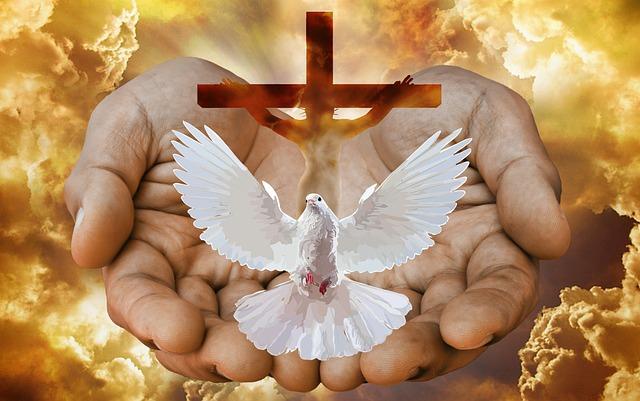
The Holy Trinity in the Old Testament: Foreshadowing the Coming of Christ
The concept of the Holy Trinity, the belief in the Father, Son, and Holy Spirit as three distinct persons in one Godhead, is a fundamental doctrine in Christianity. While the term “Trinity” might not be explicitly mentioned in the Old Testament, there are several instances where the concept is foreshadowed, setting the stage for the coming of Christ in the New Testament.
One of the most prominent examples can be found in the book of Genesis, where God says, “Let us make mankind in our image, in our likeness” (Genesis 1:26). Here, the use of the plural pronouns ”us” and ”our” indicates a conversation within the Godhead, implying the presence of multiple persons.
Another foreshadowing can be seen in the account of God’s visit to Abraham in the form of three visitors (Genesis 18:1-2). While these visitors are referred to as ”men,” they are later identified as God, further hinting at the multiplicity within the Godhead.
Furthermore, the prophet Isaiah provides a glimpse of the Trinity in his writings. In Isaiah 48:16, God says, “And now the Sovereign Lord has sent me, endowed with his Spirit.” Here, God speaking as the Father, refers to being sent by the Sovereign Lord (the Father) and being endowed with the Spirit, alluding to the three distinct persons.
These references, along with others throughout the Old Testament, not only pave the way for the doctrine of the Holy Trinity but also serve as a prophetic sign of the coming of Christ. As Christians, it is crucial to understand and appreciate these foreshadowings, as they deepen our understanding of the triune nature of God and the significance of Christ’s role in our salvation.
In summary, although the exact term “Trinity” may not be explicitly mentioned in the Old Testament, the foreshadowing of three distinct persons within the Godhead is present in various passages. These references set the stage for the eventual revelation of the Holy Trinity in the New Testament and highlight the profound interplay between the Father, Son, and Holy Spirit in God’s plan of redemption.
New Testament Evidence of the Trinity: Gospels, Epistles, and Revelation
The concept of the Trinity – the belief in one God existing in three persons: the Father, the Son (Jesus Christ), and the Holy Spirit – is one of the central doctrines of Christianity. While the term “Trinity” is not explicitly mentioned in the New Testament, there are various passages that provide evidence for this foundational belief. Let’s explore some of these key references from within the Gospels, Epistles, and Revelation.
In the Gospels, we find several instances where Jesus refers to both the Father and the Holy Spirit, suggesting their coexistence as distinct persons. For instance, in Matthew 28:19, Jesus commands his disciples to baptize believers “in the name of the Father and of the Son and of the Holy Spirit.” This clearly highlights the presence of a triune Godhead.
Similarly, the Epistles, or letters written by the apostles, provide further evidence of the Trinity. For example, in 2 Corinthians 13:14, Paul writes, “The grace of the Lord Jesus Christ and the love of God and the fellowship of the Holy Spirit be with you all.” Here, Paul acknowledges the separate roles of each person in the Trinity while emphasizing their unity in relationship with believers.
Lastly, the book of Revelation offers glimpses into the divine nature of the Trinity. In Revelation 1:4-5, John greets the seven churches saying, “Grace to you and peace from him who is and who was and who is to come, and from the seven spirits who are before his throne, and from Jesus Christ.” The mention of “him who is and who was and who is to come” signifies the eternal nature of God, while the inclusion of the Holy Spirit and Jesus Christ further highlights the triune nature.
As we examine these passages from the New Testament, it becomes evident that the Trinity is an integral part of Christian belief. While the term itself may not be explicitly stated, the evidence of the Father, the Son, and the Holy Spirit working together in various capacities demonstrates the foundational doctrine of the triune Godhead.
Answering Difficult Questions: Clarifying Misconceptions about the Trinity
The concept of the Trinity, which refers to the belief in one Godhead consisting of three distinct persons – the Father, the Son, and the Holy Spirit – is a fundamental and often perplexing aspect of Christianity. While the term “Trinity” may not be explicitly mentioned in the Bible, numerous biblical passages allude to the existence of this triune God.
One of the most notable references to the Trinity can be found in the Gospel of Matthew, where Jesus commands his disciples to baptize new believers “in the name of the Father and of the Son and of the Holy Spirit” (Matthew 28:19). This verse not only highlights the distinct roles of each person in the Godhead, but also establishes their unified authority as one divine entity.
Another significant passage can be found in the book of Genesis, where God says, “Let us make mankind in our image, in our likeness” (Genesis 1:26). The use of plural pronouns suggests a cooperative effort between the Father, the Son, and the Holy Spirit in the act of creation, further implying their unique interrelationship within the Trinity.
The apostle Paul also makes references to the Trinity in his letters. In his letter to the Corinthians, he writes, “The grace of the Lord Jesus Christ and the love of God and the fellowship of the Holy Spirit be with you all” (2 Corinthians 13:14). This verse emphasizes the presence and involvement of all three persons of the Trinity in the lives of believers, providing comfort and assurance.
As with any complex theological concept, exploring the Trinity requires careful study and interpretation of various biblical passages. While the term “Trinity” itself may not be explicitly mentioned, the biblical references we have discussed shed light on this foundational belief of Christianity. Through these passages, we gain a deeper understanding of the divine nature and the distinct yet unified presence of the Father, the Son, and the Holy Spirit in the Christian faith.
Living out the Trinitarian Faith: Practical Implications and Spiritual Growth
In order to fully grasp the concept of the Trinity, it is essential to explore the biblical references that support this fundamental belief in Christianity. While the word “Trinity” doesn’t appear explicitly in the Bible, there are numerous passages that allude to the triune nature of God. Let’s delve into some key verses that shed light on this divine mystery.
1. Genesis 1:26: ”Then God said, ‘Let us make mankind in our image, in our likeness.'” This passage is one of the earliest indications of God’s triunity. The use of pronouns “us” and “our” implies that God is not a solitary being, but rather exists in a plurality of persons within the Godhead.
2. Matthew 28:19: “Go therefore and make disciples of all nations, baptizing them in the name of the Father and of the Son and of the Holy Spirit.” In this Great Commission, Jesus Himself commands His disciples to baptize new believers in the name of the Triune God. By associating the Father, Son, and Holy Spirit together in baptism, Jesus underscores their equal importance and shared essence.
3. 2 Corinthians 13:14: “The grace of the Lord Jesus Christ, and the love of God, and the communion of the Holy Spirit be with you all.” This benediction from Paul highlights the distinct roles and identities of each person of the Trinity, while emphasizing their inseparable nature. It reminds us that all three members of the Trinity are actively involved in our spiritual journey and desire a deep relationship with us.
4. John 1:1-3: “In the beginning was the Word, and the Word was with God, and the Word was God. He was with God in the beginning. Through him all things were made.” Here, the Apostle John introduces Jesus as the Word who was eternally present with God and simultaneously identified as God. This passage speaks to the divinity of Christ and affirms His integral role in the Godhead.
As we explore these and other biblical references, it becomes evident that the doctrine of the Trinity is not easily comprehended, yet it holds immense significance in our understanding of God’s nature. It invites us to embrace the Father, Son, and Holy Spirit in our daily lives, recognizing their distinct roles and how they work together harmoniously for our salvation and sanctification.
Conclusion: The Significance of the Trinity in Christian Theology and Worship
The concept of the Trinity is a foundational belief in Christian theology and worship. While the word “Trinity” is not explicitly mentioned in the Bible, there are several biblical references that support the idea of God as a Triune being. These references help us to understand the significance of the Trinity in our faith.
One of the key passages that alludes to the Trinity is found in the Gospel of Matthew. In Matthew 28:19, Jesus commissions his disciples, saying, “Go therefore and make disciples of all nations, baptizing them in the name of the Father and of the Son and of the Holy Spirit.” This verse clearly identifies the three persons of the Trinity – the Father, the Son (Jesus), and the Holy Spirit – and emphasizes their importance in the Christian faith.
Another significant biblical reference is found in the book of Genesis. In Genesis 1:26, God says, ”Let us make mankind in our image, in our likeness.” This plural pronoun suggests the presence of more than one person within the Godhead. In this verse, we catch a glimpse of the communal nature of God and the Triune relationship between the Father, Son, and Holy Spirit.
Furthermore, in the Gospel of John, Jesus speaks extensively about his relationship with the Father and the Holy Spirit. He often refers to himself as the Son of God and speaks of the Holy Spirit as the Helper who will come after his departure. These passages highlight the distinct roles of each person within the Trinity and emphasize their unity and coexistence.
In conclusion, while the word “Trinity” might not be explicitly mentioned in the Bible, there are numerous biblical references that support the belief in God as a Triune being. These references help us understand the significance of the Trinity in Christian theology and worship, highlighting the distinct roles and unity of the Father, Son, and Holy Spirit. Embracing the doctrine of the Trinity allows us to appreciate the depth and complexity of God’s nature and underscores the importance of this belief in shaping our faith and understanding of God.
Final Thoughts
In conclusion, exploring the biblical references to the Trinity has provided us with a deeper understanding of this fundamental Christian belief. While the word “Trinity” may not be explicitly mentioned in the Bible, numerous passages hint at the complex nature of God’s existence as Father, Son, and Holy Spirit. From the Old Testament’s foreshadowing to the New Testament’s explicit teachings, we see a cohesive and consistent picture emerge. While the concept of the Trinity may be challenging to comprehend fully, these biblical references serve as a foundation for our theological understanding. So, as we delve into the depths of scripture, let us continue to explore the wonders of the Trinity and seek to deepen our relationship with the triune God.


 CLASSIFIED INFORMATION ALERT