

What Is the Day of the Dead Altar – Understanding the Day of the Dead Altar
The Day of the Dead Altar, a vibrant and symbolic tradition in Mexican culture, holds significant meaning for those who commemorate their loved ones during this annual celebration. By understanding the elements and significance of the Day of the Dead Altar, we can gain deeper insight into the rich cultural traditions and beliefs that shape this powerful celebration. Let’s explore the intricate and fascinating world of the Day of the Dead Altar together.
Contents
- What is the significance of the Day of the Dead altar?
- How to create a traditional Day of the Dead altar
- Key elements to include in a Day of the Dead altar
- Understanding the symbolism behind each offering on the altar
- The role of marigolds in Day of the Dead altars
- How to honor deceased loved ones through a Day of the Dead altar
- Tips for personalizing your Day of the Dead altar
- Cultural variations in Day of the Dead altars
- Common misconceptions about Day of the Dead altars and celebrations
- How to respectfully participate in Day of the Dead traditions
- Key Takeaways
What is the significance of the Day of the Dead altar?
Day of the Dead altar, also known as ofrenda de muertos, is an important cultural tradition in Mexico and other Latin American countries. These altars are created to honor and remember deceased loved ones during the Day of the Dead celebration.
Altars are typically decorated with a variety of symbolic items that hold significant meaning. Some of the key elements commonly found on a Day of the Dead altar include:
- Photos: Pictures of the deceased to honor their memory.
- Marigolds: Known as the “flower of the dead,” marigolds are believed to guide spirits back to the living world.
- Food and drink: Offerings of the deceased’s favorite foods and beverages to nourish their souls.
By creating a Day of the Dead altar, families and communities come together to pay tribute to those who have passed away. It serves as a way to celebrate their lives, remember their legacy, and keep their spirits alive in the hearts of the living.
How to create a traditional Day of the Dead altar
Creating a traditional Day of the Dead altar is a beautiful way to honor and remember loved ones who have passed away. These altars, known as ofrendas, are typically set up in homes, cemeteries, and public spaces during the Day of the Dead celebration. They are decorated with a variety of items that hold special significance and help guide the spirits of the deceased back to the world of the living.
One key element of a Day of the Dead altar is the papel picado, colorful paper decorations that are often hung around the altar. Candles are also an important part of the altar, as they represent the light that guides the souls of the dead. Marigolds, known as cempasúchil, are another common feature of Day of the Dead altars, as their bright color and strong scent are believed to help attract the spirits.
Food and drinks are also placed on the altar as offerings to the deceased. These can include traditional Mexican dishes such as tamales, pan de muerto (bread of the dead), and sugar skulls. It is believed that the spirits consume the essence of the offerings, so it is common to see these items placed on the altar in a neat and organized manner.
Key elements to include in a Day of the Dead altar
When setting up a Day of the Dead altar, there are several key elements that you should include to honor and remember departed loved ones. These elements help create a meaningful and aesthetically pleasing display that captures the essence of this traditional Mexican holiday. Here are some essential items to consider including on your altar:
– **Marigolds (Cempazuchitl)**: These vibrant orange flowers are believed to attract spirits to the altar with their strong scent and bright color.
– **Water**: A glass of water is typically included to quench the thirst of the spirits after their long journey back to the world of the living.
– **Candles**: Lit candles symbolize the light that guides the spirits back home and are often arranged in a cross shape to represent the four cardinal directions.
– **Photos and mementos**: Personal items such as photographs, favorite foods, and belongings of the deceased help to evoke memories and celebrate their lives.
Remember, the Day of the Dead altar is a deeply personal and symbolic representation of the connection between the living and the dead. Feel free to get creative and add your own unique touches to make the altar truly special and meaningful.
Understanding the symbolism behind each offering on the altar
The offerings placed on a Day of the Dead altar hold deep symbolic meaning, each playing a significant role in honoring and remembering the deceased. Understanding the symbolism behind each item can provide insight into the rich cultural traditions associated with this Mexican holiday.
– **Marigolds**: These vibrant orange flowers are believed to attract the spirits of the dead with their strong scent and bright colors, leading them to the altars where their loved ones await them.
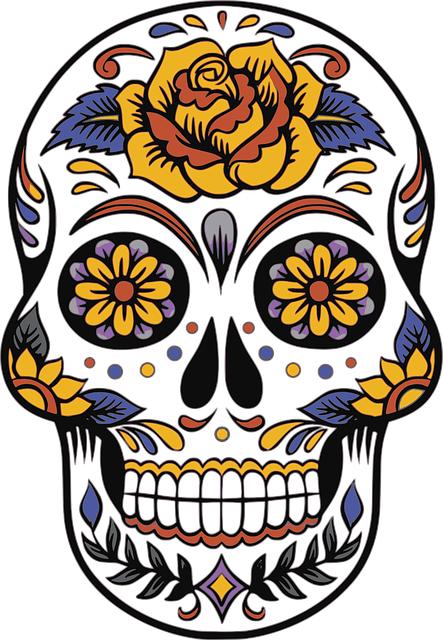
– **Sugar skulls**: These intricately decorated candies represent the sweetness and joy of life, as well as the inevitability of death. They are often personalized with the name of the deceased and placed on the altar to remind us of the cycle of life and death.
– **Pan de muerto**: This traditional sweet bread shaped like a skull or bones is meant to nourish the souls of the departed on their journey back to the world of the living. It is a symbol of communion and remembrance.
– **Candles**: Lit to guide the spirits of the dead on their way back to the land of the living, candles also represent the light of hope and love that continues to shine even in the darkness of grief and loss.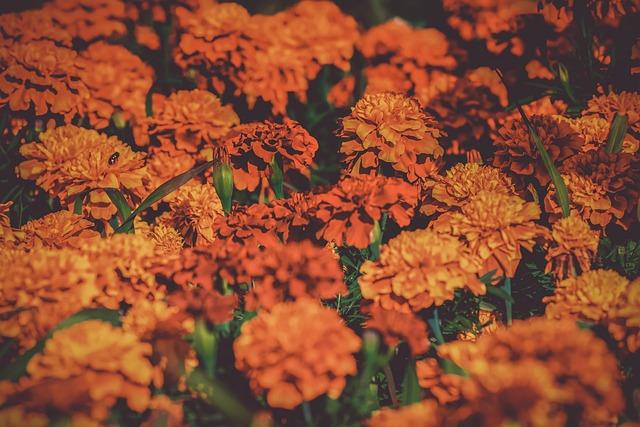
The role of marigolds in Day of the Dead altars
Marigolds, known as “cempasuchil” in Mexico, play a significant role in Day of the Dead altars. These vibrant orange flowers are believed to attract the souls of the departed back to the living world during the celebration. Placing marigolds on the altar is a way to guide the spirits of loved ones to the offerings and ensure a safe journey back to the afterlife.
In addition to their symbolic importance, marigolds also serve a practical purpose on Day of the Dead altars. Their strong, sweet fragrance is thought to help the deceased find their way home, while their bright color is said to represent the sun and the cycle of life and death. These flowers are typically arranged in elaborate patterns or garlands on the altar, creating a stunning visual display that honors the memory of the departed.
Whether used as a symbol of remembrance or as a practical guide for the spirits, marigolds are an essential element of Day of the Dead altars. Their presence not only adds beauty to the altar but also deepens the connection between the living and the dead during this important tradition.
How to honor deceased loved ones through a Day of the Dead altar
An essential part of the Mexican celebration of Dia de los Muertos, or Day of the Dead, is the creation of an altar dedicated to deceased loved ones. This colorful and symbolic altar, known as an “ofrenda,” serves as a way to honor and remember those who have passed away.
The Day of the Dead altar typically includes several key elements that hold special meaning and significance. These elements can vary depending on regional traditions and personal preferences, but common features often include:
– **Marigolds**: These bright orange flowers are believed to guide the spirits of the deceased back to the world of the living. Their vibrant color and distinctive scent are thought to attract the souls of loved ones.
– **Photos**: Images of the deceased are placed on the altar to remember and honor them. Family members may also include mementos, such as favorite foods, drinks, or personal items, to help the spirits feel welcome and at home.
– **Candles**: Lit candles are used to guide the spirits on their journey and illuminate their path back to the world of the living. The warm glow of the candles is also said to represent hope and light in the darkness of death.
– **Pan de Muerto**: This traditional sweet bread is a staple of Day of the Dead celebrations. The circular shape symbolizes the cycle of life and death, while the sweet flavor is meant to entice and nourish the spirits of the departed.
By understanding the significance of these elements and taking the time to create a thoughtful and personalized altar, you can pay tribute to your deceased loved ones in a meaningful and heartfelt way. Embrace the rich cultural tradition of Dia de los Muertos and honor the memories of those who have passed on with a beautiful Day of the Dead altar.
Tips for personalizing your Day of the Dead altar
When it comes to personalizing your Day of the Dead altar, there are a few key tips to keep in mind to make it truly special and meaningful.
- Choose Meaningful Photos: Include photographs of your loved ones who have passed away, along with other sentimental items that remind you of them.
- Add Favorite Foods and Drinks: Include the favorite foods and drinks of your departed loved ones on the altar as a way to honor and remember them.
- Incorporate Symbolism: Use traditional Day of the Dead symbols such as marigold flowers, sugar skulls, and papel picado to decorate your altar and add layers of meaning.
- Create a Multi-Level Display: Arrange your items on different levels to create visual interest and make your altar more visually appealing.

Cultural variations in Day of the Dead altars
Day of the Dead altars, also known as ofrendas, are an essential part of the traditional Mexican holiday Dia de los Muertos. These colorful and elaborate altars are constructed to honor deceased loved ones and welcome their spirits back to the world of the living. While the basic elements of a Dia de los Muertos altar remain consistent across Mexico, there are fascinating cultural variations in the way altars are created and decorated in different regions.
In Oaxaca, families often adorn their altars with intricate sand tapestries called “tapetes.” These finely crafted designs are made using colored sand, flowers, and other natural materials, showcasing the artistic talent of the region. In contrast, altars in the Yucatan Peninsula may feature marigold petals arranged in beautiful patterns, symbolizing the connection between life and death.
Altars in central Mexico are typically decorated with traditional papel picado, intricately cut tissue paper banners that add a festive touch to the ofrenda. Families in the northern states of Mexico may include regional foods like machaca and burritos on their altars to represent the unique culinary traditions of their area. Despite these variations, the underlying purpose of a Day of the Dead altar remains the same: to honor and remember the departed.
Common misconceptions about Day of the Dead altars and celebrations
One of the most common misconceptions about Day of the Dead altars is that they are meant to worship the dead. In reality, Day of the Dead altars are set up to honor deceased loved ones and celebrate their lives. They are not meant for worship or to communicate with the spirits of the departed.
Another misconception is that Day of the Dead altars are morbid and dark. On the contrary, these altars are colorful and vibrant, filled with marigold flowers, sugar skulls, and photographs of the deceased. They are meant to be joyful celebrations of life and remembrance.
Some people also believe that Day of the Dead celebrations are the same as Halloween. While both holidays fall around the same time of year, they have different origins and traditions. Day of the Dead is a Mexican tradition with deep cultural significance, while Halloween has Celtic roots.
It’s important to understand and respect the traditions and customs of different cultures, including the Day of the Dead. By debunking these common misconceptions, we can appreciate and celebrate this beautiful holiday with the reverence it deserves.
How to respectfully participate in Day of the Dead traditions
An essential part of Day of the Dead celebrations is the creation of altars, also known as ofrendas, to honor and remember loved ones who have passed away. These altars are beautifully decorated with traditional items and offerings that are believed to guide the spirits of the deceased back to the living world for a brief visit.
Key elements to include on a Day of the Dead altar:
– **Marigolds (cempasúchil):** These vibrant flowers are thought to attract spirits with their strong scent and bright color.
– **Photos of deceased loved ones:** Display photographs of those who have passed away to help their spirits find their way back.
– **Candles and incense:** Light candles and burn incense to guide and assist spirits on their journey.
– **Favorite foods and drinks:** Offer the favorite foods and beverages of the deceased to nourish them during their visit.
By respectfully participating in Day of the Dead traditions and creating a thoughtful altar, you can honor your ancestors and celebrate their lives in a meaningful way. Embrace the beauty and significance of this cultural tradition as you pay homage to those who have come before you.
Key Takeaways
In conclusion, the Day of the Dead altar is a beautiful and symbolic tradition that holds deep cultural significance in Mexican culture. By understanding the key elements and meanings behind each component of the altar, we can better appreciate and respect the rich heritage of this important celebration. So next time you come across a Day of the Dead altar, take a moment to reflect on the love and memories being honored, and the connections between the living and the deceased. It truly is a fascinating display of remembrance and celebration.


 URGENT: PAGE CLOSING SOON!