

Sacred Mystery: Unveiling the Concept of a Holy Sacrament
Have you ever wondered about the profound and mystical concept of a holy sacrament? Embarking on a journey to uncover its sacred mystery, we delve into the depths of this age-old practice, seeking to unveil its true essence. Rooted in faith and tradition, the concept of a holy sacrament holds tremendous importance for many religious communities. In this informative article, we explore the historical origins, unique rituals, and profound significance behind these sacred acts. So, join us as we peel back the layers and shed light on the enigmatic concept of a holy sacrament.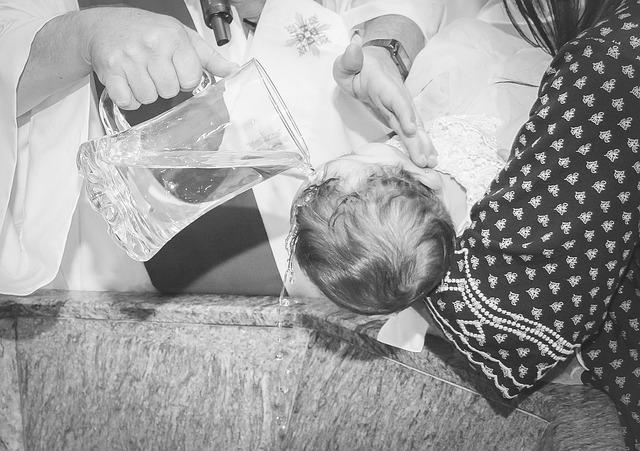
Contents
- The Meaning and Significance of a Holy Sacrament
- Unveiling the Divine Encounter: The Role of Faith in Sacraments
- Sacred Mystery: Unveiling the Concept of a Holy Sacrament
- Understanding the Sacraments: Channels of God’s Grace
- The Seven Sacraments: A Comprehensive Overview
- The Sacraments of Initiation: Baptism, Eucharist, and Confirmation
- The Sacraments of Healing: Reconciliation and Anointing of the Sick
- The Sacraments of Vocation: Matrimony and Holy Orders
- The Importance of Active Participation in Sacramental Life
- Nurturing the Sacramental Journey: Recommendations for Spiritual Growth
- Sacred Mystery: Unveiling the Concept of a Holy Sacrament
- Key Takeaways
The Meaning and Significance of a Holy Sacrament
A holy sacrament is a sacred mystery that holds immense meaning and significance in religious traditions around the world. It is a divine ritual that symbolizes a spiritual transformation and serves as a conduit for receiving divine grace. The concept of a holy sacrament is deeply rooted in the belief that through these rituals, believers can experience a closer connection with the divine and strengthen their faith.
One of the main purposes of a holy sacrament is to provide a tangible representation of the spiritual reality that lies beyond our limited human understanding. It allows individuals to encounter the divine in a tangible and experiential way, providing a bridge between the physical and the spiritual realms. This powerful symbolism provides a source of comfort and inspiration, reminding believers of the presence and love of a higher power.
Furthermore, a holy sacrament is seen as a means of grace, conveying divine blessings and favor to those who participate in it with faith and reverence. It is believed that through the sacraments, believers receive the transformative power of God, enabling them to grow spiritually, receive forgiveness, and deepen their relationship with the divine. This grace is considered a gift from God, unearned and freely given, demonstrating the unconditional love and mercy that the divine bestows upon humanity.
In many religious traditions, there are different types of holy sacraments, each with its own significance and purpose. Examples include baptism, confirmation, Eucharist, marriage, and anointing of the sick. These sacraments mark important milestones in the spiritual journey of individuals and provide a means for communal worship and celebration. They foster a sense of unity and belonging within religious communities, as believers come together to witness and participate in these sacred rituals.
The beauty of a holy sacrament lies not only in its symbolism and meaning but also in the personal experience and deep spiritual connection it can provide. It is a reminder that there is a sacred dimension to life, beyond the hustle and bustle of our daily routines. Through the sacraments, believers are invited to embark on a journey of spiritual transformation, drawing closer to the divine and finding solace in the mysteries and wonders of faith.
Unveiling the Divine Encounter: The Role of Faith in Sacraments
Sacred Mystery: Unveiling the Concept of a Holy Sacrament
The profound spiritual encounter known as a holy sacrament manages to intertwine the tangible world we inhabit with the divine realm that transcends it. Rooted in faith and nurtured by religious traditions, sacraments offer believers a transformative experience that deepens their relationship with the divine. In this post, we will embark on an exploration of this sacred mystery, delving into the role of faith in sacraments and the profound impact they can have on the lives of believers.
The Power of Faith in Sacraments
At the heart of every sacrament lies faith, the unwavering belief in the presence and grace of the divine. It is through faith that believers enter into a sacred covenant, allowing the sacrament to become a conduit for the manifestation of divine grace in their lives. Whether it be through baptism, the Eucharist, confirmation, or any other sacrament, faith acts as the key that unlocks the transformative power inherent in these sacred rituals.
The Role of Sacraments in Nourishing Faith
Sacraments serve as a channel for believers to encounter the divine in a tangible way. Through their participation in these rituals, individuals are invited to experience the presence of God in their lives and to deepen their connection with their spiritual beliefs. Sacraments, in essence, act as nourishment for faith, sustaining and strengthening the believer’s relationship with the divine.
The Transformative Nature of Sacraments
The encounter with the divine in the sacraments holds the potential to bring about profound transformation in the lives of individuals. Through these sacred rituals, believers are invited to experience divine love, forgiveness, and healing. The sacraments serve as catalysts for spiritual growth, providing believers with the opportunity to align their lives more closely with the divine will and to embrace a life of deeper faith and humility.
Understanding the Sacraments: Channels of God’s Grace
Embarking on a journey of faith often means encountering sacred mysteries that are meant to deepen our understanding of God’s presence in our lives. One such profound mystery is the concept of a holy sacrament. Sacraments are recognized as powerful channels through which God’s grace is bestowed upon us, bringing us closer to Him and strengthening our spiritual journey.
A sacrament can be defined as a visible sign of an invisible reality, a tangible expression of God’s love and presence within our lives. There are seven sacraments in the Catholic Church: Baptism, Confirmation, the Eucharist, Penance, Anointing of the Sick, Holy Orders, and Matrimony. Each of these sacraments represents a unique encounter with God and holds the potential to transform our lives.
Through the sacraments, we are able to experience God’s grace in a tangible way. They are not merely symbolic rituals, but rather powerful moments of encounter with the divine. In the sacraments, we are united with Christ and find ourselves immersed in the mystery of God’s love and mercy.
It is important to note that the effectiveness of the sacraments is not dependent on our worthiness or understanding. They are gifts freely given to us by God, expressing His desire to be an active presence in our lives. Therefore, it is through faith and openness that we can fully receive the graces poured out in the sacraments and allow them to transform us from within.

The Seven Sacraments: A Comprehensive Overview
The concept of a holy sacrament is a sacred mystery that has been a cornerstone of Christian faith for centuries. It represents a physical and tangible expression of a believer’s connection with God, capturing the divine presence in everyday human experiences. The seven sacraments are pivotal in Catholicism, and they serve as moments of grace and spiritual transformation. Each sacrament holds unique significance and carries the power to deepen one’s relationship with God.
-
Baptism: This sacrament marks the initiation into the Christian community. Through the pouring or immersion of water, it symbolizes the washing away of sin and the entry into new life as a member of God’s family.
-
Confirmation: Building upon the foundation of baptism, confirmation is a sacrament of empowerment. It involves the anointing with holy oil and the laying on of hands, imparting the gifts of the Holy Spirit and strengthening the individual’s faith.
-
Eucharist: Also known as Holy Communion, this sacrament holds special significance during the Catholic Mass. It represents the body and blood of Christ, consumed as a way of uniting with Jesus and his sacrifice.
-
Reconciliation: This sacrament, also called confession or penance, provides the opportunity for individuals to seek forgiveness for their sins. It involves confessing one’s wrongdoing to a priest, who acts as a mediator between the person and God, granting absolution and guiding them towards spiritual growth.
-
Anointing of the Sick: Known as the sacrament of healing, it offers spiritual strength and physical comfort to those facing illness or the end of life. Through the anointing with oil and prayer, individuals are provided with the grace to endure their suffering and find peace in God’s presence.
-
Holy Orders: This sacrament is reserved for those called to serve in the priesthood. Through the laying on of hands by a bishop, individuals are ordained, empowered, and equipped to administer the other sacraments, preach the Word of God, and shepherd the faithful.
- Matrimony: This sacrament celebrates the sacred union of two individuals as they solemnize their commitment to each other before God and their community. The exchange of vows and the blessing of their union signify their covenant and their call to emulate the love of Christ and the Church.
In conclusion, the seven sacraments represent profound encounters with the divine and provide opportunities for spiritual growth and transformation. Through these physical and sacramental actions, believers are able to experience and participate in the presence of God in their daily lives. Each sacrament serves as a powerful reminder of God’s love, grace, forgiveness, and guidance, offering believers a path to deepen their relationship with the divine.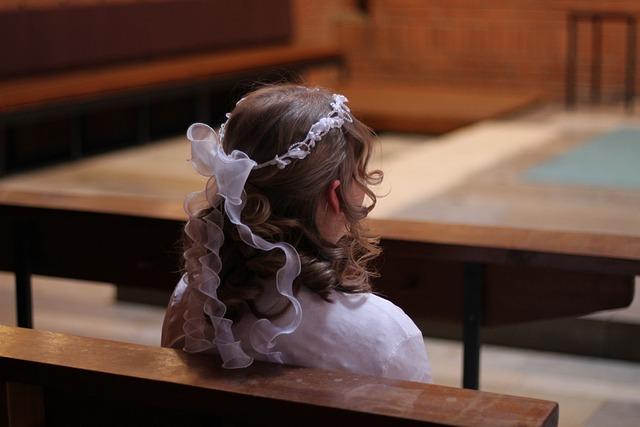
The Sacraments of Initiation: Baptism, Eucharist, and Confirmation
The Sacraments of Initiation are an integral part of the Catholic faith, representing key milestones in a believer’s spiritual journey. Baptism is the first sacrament, a sacred rite through which an individual is cleansed of original sin and welcomed into the Christian community. It is an act of rebirth, symbolizing the beginning of a new life in Christ. During the baptismal ceremony, water is poured over the person’s head or they are immersed in water, signifying purification and the grace of God.
The Eucharist, also known as Holy Communion, is the second sacrament of initiation. It is a commemoration of the Last Supper, where Jesus shared bread and wine with his disciples, instructing them to do the same in his memory. Participants receive the consecrated bread and wine, which Catholics believe to be the body and blood of Jesus Christ. This sacrament signifies the unity of believers with Christ and with one another.
Confirmation is the third sacrament of initiation, typically administered during adolescence. Through the anointing with holy oil, known as chrism, individuals are sealed with the gifts of the Holy Spirit. Confirmation strengthens the faith of the recipients, empowering them to live out their baptismal promises and bear witness to Christ in the world. It marks the deepening commitment to the Catholic Church and the personal responsibility to share the Gospel.
Within the Catholic tradition, these sacraments of initiation form the foundation of a person’s faith journey. They provide a tangible experience of God’s grace and offer spiritual nourishment to sustain individuals in their relationship with Christ and the community of believers. Through these sacred mysteries, individuals are initiated into the rich traditions and rituals of the Catholic Church, becoming true participants in the body of Christ.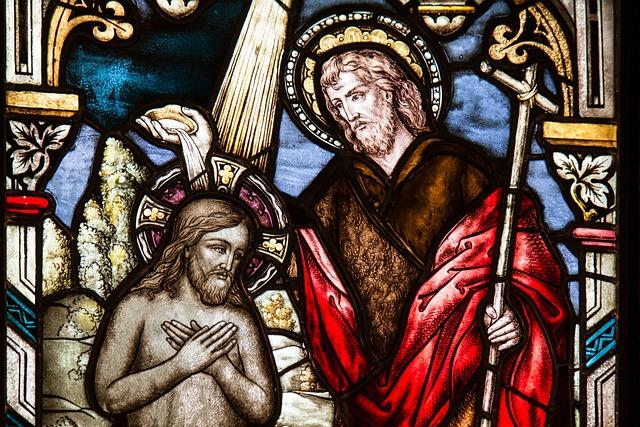
The Sacraments of Healing: Reconciliation and Anointing of the Sick
The sacraments of reconciliation and anointing of the sick are two powerful means through which the Catholic Church offers healing and spiritual renewal to its members. These sacred mysteries hold a deep significance in the lives of believers, guiding them towards repentance, forgiveness, and emotional and physical healing.
Reconciliation, also known as confession or penance, enables individuals to seek forgiveness for their sins and reconcile with God and the Church. It is a sacrament of great importance, as it allows for the recognition of wrongdoing, the opportunity for self-reflection, and the chance to receive absolution through the words of a priest acting in the person of Christ. This act of contrition brings about a profound sense of spiritual healing, freeing individuals from the burden of guilt and opening the door to renewed fellowship with God.
On the other hand, the anointing of the sick is a sacrament dedicated to those who are facing illness, physical suffering, or the frailty of old age. Through the anointing with holy oil, this sacrament confers God’s grace and strength upon the person, offering them comfort, peace, and even the possibility of physical healing. While it doesn’t guarantee a cure, the anointing of the sick brings spiritual solace and a deep sense of God’s presence during times of physical and emotional struggle.
Both reconciliation and anointing of the sick exemplify the Church’s commitment to the holistic well-being of its members. These sacraments serve as a reminder that God’s love and mercy are ever-present, providing avenues for healing and restoration, both in body and soul. Participating in these sacraments allows individuals to experience God’s grace in a tangible and transformative way, fostering a deeper relationship with Christ and the Church community.
In summary, the sacraments of reconciliation and anointing of the sick are sacred mysteries that play a crucial role in the lives of Catholics. These sacraments offer opportunities for repentance, forgiveness, and spiritual strength, acting as powerful instruments of healing and renewal. Through the grace bestowed in these sacraments, believers are able to find solace, restoration, and a deeper connection with God, ultimately leading to a more profound and meaningful faith journey.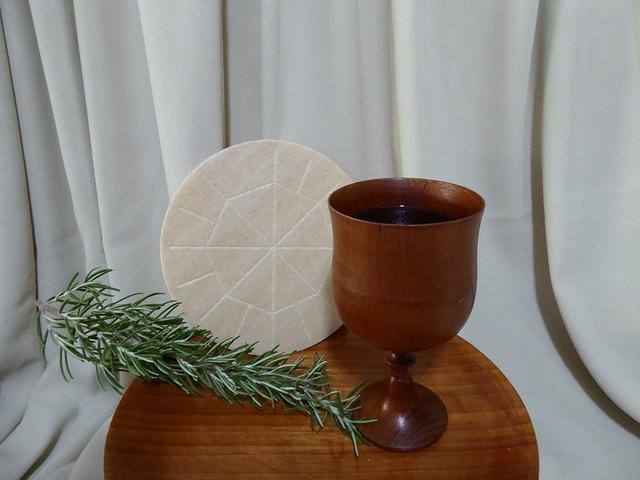
The Sacraments of Vocation: Matrimony and Holy Orders
In the Catholic faith, the sacraments of Matrimony and Holy Orders are considered sacred mysteries. These sacraments play a crucial role in the spiritual journey of individuals, marking significant milestones in their lives and their commitment to God’s work.
Matrimony, also known as marriage, is a sacrament that unites a man and a woman in a lifelong bond of love and mutual support. It is not only a legal contract but a sacred covenant that mirrors the union between Christ and his Church. Through the sacrament of Matrimony, couples receive God’s grace to strengthen their love for each other and raise their children in the faith.
Holy Orders, on the other hand, is a sacrament that grants men the authority and power to serve as ordained ministers in the Church. Through the sacrament of Holy Orders, individuals are consecrated as priests, deacons, or bishops, and are entrusted with the responsibility of leading and guiding the faithful. They serve as spiritual shepherds, offering the sacraments and imparting spiritual guidance to the community.
Both Matrimony and Holy Orders are lifelong commitments and are considered vocations within the Catholic Church. They are considered to be holy sacraments because they are instituted by Jesus Himself and are infused with His grace. These sacraments not only contribute to the personal growth and salvation of individuals but also play a vital role in the overall well-being and spiritual nourishment of the Church community.

The Importance of Active Participation in Sacramental Life
Active participation in sacramental life is not just an obligation, but a transformative and enriching experience for individuals seeking a deeper connection with their faith. The sacraments, as sacred mysteries, provide a unique opportunity to encounter the divine and receive the grace necessary for our spiritual journey.
One of the significant reasons why active participation is essential in the sacraments is that they act as powerful channels of God’s love and mercy. Through the sacraments, we are united with Christ and given the opportunity to receive His grace and forgiveness. For example, in the Sacrament of Reconciliation, we can confess our sins and receive absolution, experiencing the healing and transformative power of God’s mercy firsthand.
Active participation also strengthens our sense of belonging and community within the Church. By actively engaging in the sacraments, we join with fellow believers in worship and celebration. Through the Sacrament of Baptism, we enter into the mystical body of Christ, becoming part of a larger family of believers. The sacraments help us to connect with others who share our faith and offer support and encouragement on our spiritual journey.
Moreover, active participation in the sacraments deepens our relationship with God and nourishes our spiritual growth. Through the reception of the Eucharist, the source and summit of our Christian life, we are united with Christ in a profound and intimate way. The sacraments provide us with the grace and strength necessary to navigate the challenges of daily life, helping us to become more like Christ in our thoughts, words, and actions.
In conclusion, active participation in the sacramental life of the Church is not just a religious duty, but an opportunity for personal and spiritual growth. By actively engaging in the sacraments, we open ourselves to the transformative power of God’s grace, strengthen our sense of community, and deepen our relationship with God. The sacraments are an invitation to encounter the divine, and by embracing this invitation, we can experience a profound and lasting impact on our faith journey.
Nurturing the Sacramental Journey: Recommendations for Spiritual Growth
Sacred Mystery: Unveiling the Concept of a Holy Sacrament
Within the realm of religious practices, sacraments hold a profound significance as transformative encounters with the divine. These sacred rituals not only serve as visible signs of invisible grace but also act as catalysts for spiritual growth. Understanding the essence and purpose of a holy sacrament is crucial for nurturing one’s sacramental journey. Here are some recommendations to deepen your spiritual growth through the sacraments:
1. Intentional Preparation:
Prior to participating in a sacrament, take time for intentional preparation. Reflect on the meaning behind the sacrament, its significance in your faith tradition, and the personal impact it can have on your spiritual journey. Seek guidance from clergy, spiritual leaders, or trusted resources to gain a deeper understanding of the sacramental experience.
2. Active Participation:
A sacrament is not a passive act; it requires active participation. Engage fully with the rituals, prayers, and gestures involved. Approach the sacrament with an open heart and a willingness to receive the divine grace being offered. Allow the sacramental moment to penetrate your being and infuse your life with spiritual nourishment.
3. Reflection and Integration:
After participating in a sacrament, take time to reflect on the experience. Consider the graces received, the insights gained, and the transformative potential of the sacramental encounter. Integrate the sacramental experience into your daily life by embracing the teachings and values it embodies. Let the sacrament inspire actions that align with your newfound spiritual growth.
4. Community Connection:
Embrace the communal aspect of sacraments. Seek opportunities to participate in sacraments as a community, sharing in the sacred journey with others who share your faith. Engage in discussions, study groups, or retreats that deepen your understanding of the sacraments in a collective setting. By connecting with others, you can support and challenge each other in your spiritual growth.
Key Takeaways
In conclusion, the concept of a holy sacrament is truly a sacred mystery that has captivated the hearts and minds of believers for centuries. From its origins in ancient religious practices to its significance in modern-day spiritual journeys, the sacraments remain a powerful conduit for individuals to connect with the divine. By delving into their historical context, understanding their profound symbolism, and embracing their transformative power, we are able to unlock the deep spiritual meaning they hold. As we continuously seek to unravel this sacred mystery, may we approach the sacraments with awe, reverence, and a sense of wonder, allowing them to guide us on our own personal path towards spiritual growth and enlightenment.


 CLASSIFIED INFORMATION ALERT