

Penance Pondered: Is Penance Truly a Sacrament?
Have you ever found yourself immersed in deep reflection, pondering the true essence of the sacrament of penance? Whether you are a devout Catholic, a curious individual seeking spiritual enlightenment, or merely someone intrigued by religious rituals, this article will guide you through the enthralling world of penance. Join us on this insightful journey as we delve into the age-old question: is penance truly a sacrament? With a confident and knowledgeable tone, we will explore the historical and theological dimensions of this sacred practice, shedding light on its purpose, significance, and the ongoing debate that surrounds it. Get ready to unlock a deeper understanding of penance as we unravel its mysteries and confront its controversies in a neutral and clear approach. Let us embark on this enlightening adventure together.
Contents
- Penance’s Origin and Definition: Tracing the Historical and Theological Roots of the Sacrament
- Penance as a Means of Transformation: Exploring How the Sacrament can Foster Spiritual Growth
- The Role of Confession: Understanding the Importance of Honest and Comprehensive Confessions in Penance
- The Healing Power of Absolution: Unveiling the Grace and Forgiveness within the Sacrament
- Penance and Reconciliation: Examining the Connection between Penance and Restoring Relationships
- Penance Pondered: Is Penance Truly a Sacrament?
- Penance in Today’s World: Evaluating the Relevance and Practice of the Sacrament in Modern Society
- The Priest’s Role: Shedding Light on the Crucial Role of the Priest in Administering the Sacrament of Penance
- Alternatives to Religious Penance: Exploring Alternative Methods of Seeking Forgiveness and Reconciliation
- The Concept of Penance: Traditional vs. Alternative Approaches
- Penance’s Influence on Spiritual Life: Investigating How the Sacrament Impacts One’s Relationship with God
- Penance Pondered: Is Penance Truly a Sacrament?
- Dispelling Misconceptions: Debunking Common Myths and Misunderstandings about the Sacrament of Penance
- Myth #1: Penance is not a true sacrament
- Myth #2: Only priests can grant forgiveness
- Myth #3: Confession is unnecessary; God can forgive directly
- Myth #4: Penance is a harsh and judgmental practice
- Concluding Remarks
Penance’s Origin and Definition: Tracing the Historical and Theological Roots of the Sacrament
Penance, often discussed as one of the seven sacraments of the Catholic Church, has a rich historical and theological background that traces back to ancient times. The concept of penance can be found in various religious traditions and is deeply intertwined with notions of repentance, forgiveness, and reconciliation.
In its essence, penance is a sacrament that allows individuals to seek forgiveness for their sins and reconcile with God and the Church. It is a means of acknowledging one’s wrongdoing, expressing remorse, and striving for spiritual renewal. Through the centuries, the understanding and practice of penance have evolved, reflecting the changing theological perspectives and pastoral needs of the faithful.
Historically, the roots of penance can be traced back to the early Christian traditions, where acts of self-discipline, fasting, and prayer were performed as a way of seeking forgiveness and spiritual purification. As the Church grew and developed, the sacrament of penance became more formalized, incorporating the elements of confession, absolution, and satisfaction.
From a theological standpoint, penance is grounded in the belief that all humans are imperfect and prone to sin. It recognizes the inherent need for repentance and restoration of one’s relationship with God. The Church teaches that by sincerely confessing one’s sins to a priest, the penitent opens themselves to the divine mercy and receives absolution, granting them forgiveness and reconciling them with God and the community of believers.
Ultimately, the sacrament of penance serves as a powerful tool for personal and spiritual growth, offering individuals the opportunity to reflect on their actions, seek forgiveness, and make amends. It invites believers to undergo a transformative journey, enabling them to renew their commitment to moral living, deepen their faith, and experience the healing power of God’s grace. Penance, indeed, holds a significant place in the sacramental life of the Catholic Church, providing solace, guidance, and the promise of divine reconciliation for all who seek it.
Penance as a Means of Transformation: Exploring How the Sacrament can Foster Spiritual Growth
The sacrament of penance, often referred to as confession, has long been a topic of contemplation and debate within religious circles. Some question its validity as a sacrament, while others see it as an essential means of transformation and spiritual growth. In this post, we will explore the question: Is penance truly a sacrament?
Firstly, it is important to note that penance has been recognized as a sacrament within the Catholic Church for centuries. The Catechism of the Catholic Church defines sacrament as “efficacious signs of grace, instituted by Christ and entrusted to the Church, by which divine life is dispensed to us.”
Penance fits this definition by providing a means for believers to seek forgiveness for their sins and be reconciled with God. Through the sacrament of penance, individuals are given the opportunity to repent, receive absolution, and experience spiritual transformation.
Moreover, penance fosters spiritual growth by promoting self-reflection and self-discipline. It encourages individuals to examine their conscience, take responsibility for their actions, and seek reconciliation. By confessing their sins to a priest or spiritual advisor, they are able to receive guidance and support on their journey towards holiness.
In conclusion, penance can indeed be considered a sacrament as it fulfills the criteria of being an efficacious sign of grace that brings about the transformative power of God’s forgiveness. By engaging in this sacrament, believers have the opportunity to grow spiritually and strengthen their relationship with God.

The Role of Confession: Understanding the Importance of Honest and Comprehensive Confessions in Penance
Confession plays a significant role in the sacrament of Penance, as it serves as the gateway to forgiveness and reconciliation with God. The importance of a sincere and comprehensive confession cannot be overstated, as it allows the penitent to confront their sins honestly and seek absolution. Here are a few key aspects that highlight the significance of confession:
1. A Path to Healing: Confession provides an opportunity for spiritual healing and growth. By acknowledging our shortcomings and sins, we open ourselves to receive God’s grace and mercy. It is through this act of humility and contrition that we can experience true transformation and find solace in the forgiving arms of our loving Creator.
2. Accountability and Self-reflection: Confession invites us to examine our lives and evaluate our actions. Through this self-reflection, we become aware of the areas in our lives where we have fallen short and where we can strive to improve. By taking responsibility for our actions, we acknowledge the impact they may have had on others and the need for reconciliation on both a personal and communal level.
3. Guidance and Spiritual Direction: When we confess our sins to a priest, we not only seek absolution but also benefit from the wisdom and guidance they offer. Their role is not only to administer the sacrament but also to provide counsel and spiritual direction as we navigate our journey towards holiness. The insights and advice they offer can help us avoid repeating past mistakes and deepen our relationship with God.
In summary, confession is a vital component of the sacrament of Penance, acting as a transformative and healing encounter with God’s mercy. It allows us to honestly confront our sins, seek forgiveness, and receive spiritual guidance. By embracing the importance of confession, we open ourselves to the transformative power of God’s grace, paving the way for a more meaningful and fulfilling spiritual journey.
The Healing Power of Absolution: Unveiling the Grace and Forgiveness within the Sacrament
In the realm of Catholicism, Penance holds a significant place, offering a path to redemption and healing through the sacrament’s profound elements of grace and forgiveness. While some may question the true essence of Penance as a sacrament, delving into its spiritual implications reveals its undeniable importance within the faith. Let us ponder upon the profound aspects of this sacrament and explore the depths of its healing power.
The Essence of Penance
Penance, as a sacrament, serves as a powerful means to seek God’s forgiveness for our transgressions and to restore our relationship with Him. It involves sincere contrition, confession, and acts of satisfaction or penance, all aimed at obtaining absolution from the priest, who acts as an intermediary with God. This sacred ritual not only grants the forgiveness of sins but also offers spiritual healing and reconciliation with both God and the Catholic community.
The Grace within the Sacrament
An essential aspect of Penance lies in the divine grace it bestows upon the penitent. Through the sacrament, the faithful communicate directly with God, confessing their sins and seeking His mercy. This act of humbling oneself before the Almighty opens the door to receive God’s abundant grace, which cleanses the soul, nourishes the spirit, and strengthens one’s resolve to lead a renewed life. This grace instills a sense of peace, hope, and empowerment in the hearts of believers, fostering their journey toward holiness and genuine transformation.
The Transformative Power of Forgiveness
Within the sacrament of Penance, forgiveness stands as a beacon of hope, guiding individuals on a path of spiritual restoration. When confessing our sins, we acknowledge our faults and humbly seek forgiveness, allowing the healing light of absolution to permeate our souls. This act of receiving forgiveness not only grants respite from guilt and shame but also invites us to embark on a transformative journey of self-improvement. The power of forgiveness transcends the boundaries of human understanding, offering liberation, healing, and the opportunity for a fresh start.

Penance and Reconciliation: Examining the Connection between Penance and Restoring Relationships
Penance Pondered: Is Penance Truly a Sacrament?
In the realm of Catholicism, the sacrament of penance holds a significant position. It serves as a powerful means of seeking forgiveness and restoring relationships with both God and fellow human beings. But what truly defines penance as a sacrament? And how does it contribute to the process of reconciliation?
The Essence of Penance
Penance, also known as confession or reconciliation, plays a vital role in the spiritual journey of Catholics. As a sacrament, it involves an act of contrition, confession, and the subsequent absolution by a priest. This sacrament is based on the belief that sins harm the relationship between an individual and God, as well as their relationship with the community.
- Act of contrition: The first step in the sacrament of penance is genuine remorse for one’s sins. This involves reflecting upon and acknowledging the actions that have caused harm or disconnection.
- Confession: The penitent then articulates their sins before a priest, expressing their desire to seek forgiveness and reconcile with God.
- Absolution: The priest, acting in the person of Christ, grants absolution, offering forgiveness on behalf of God and guiding the penitent in their path towards reconciliation.
Penance as a Means of Restoring Relationships
While penance aims to repair the relationship between the penitent and God, it also emphasizes the importance of addressing the consequences of one’s actions within the community. Understanding the interconnection between personal and social relationships, penance calls for active efforts to repair the harm caused to others.
Through sincere penance and subsequent acts of reparation, individuals can contribute to restoring trust, healing wounds, and rebuilding relationships within their community. This sacrament not only serves as a personal avenue for healing but also fosters unity and compassion among believers, strengthening the fabric of the faith community.

Penance in Today’s World: Evaluating the Relevance and Practice of the Sacrament in Modern Society
When it comes to the practice of penance, its relevance and place in today’s world have frequently been called into question. In this era of constant change and evolving societal norms, some argue that the concept of repentance and seeking forgiveness through penance seems outdated and out of touch with modern society.
However, it is important to recognize that the sacrament of penance has deep roots in religious traditions and holds significant spiritual value for many individuals. Despite its long-standing history, it is essential to evaluate the relevance and practice of penance in a contemporary context.
A key aspect to consider is the spiritual and emotional benefits that penance can offer. The act of confessing sins and seeking absolution contributes to personal growth, moral reflection, and the opportunity for positive transformation. It allows individuals to acknowledge and take responsibility for their actions, fostering self-awareness and a commitment to living a more virtuous life.
Furthermore, penance provides a sense of closure and peace to individuals who may carry the burden of guilt or regret. By engaging in the sacramental practice, one can experience a profound sense of forgiveness, both from a higher power and oneself. This forgiveness can lead to healing and a renewed sense of spiritual well-being.
- Through penance, individuals can:
- Reflect on their actions and the impact on others.
- Receive guidance and counsel from a spiritual advisor.
- Experience the transformative power of forgiveness.
- Seek reconciliation and make amends.
While it is true that the practice of penance may not hold the same societal prominence it once did, it remains a relevant and valuable sacrament for those who choose to embrace it. Its practice allows individuals to engage in a profound spiritual journey, fostering growth, healing, and a deeper connection to their faith.
In conclusion, while questioning the relevance of penance in today’s world is valid, it is also important to recognize the lasting impact and value it holds for many individuals. By engaging in the sacrament of penance, individuals can find solace, growth, and reconciliation in a modern society that often overlooks these essential aspects of the human experience.

The Priest’s Role: Shedding Light on the Crucial Role of the Priest in Administering the Sacrament of Penance
Penance, also known as the Sacrament of Reconciliation, has been a topic of debate among theologians and believers for centuries. Some argue that it is not truly a sacrament, while others hold fast to its importance in the spiritual journey of a Catholic. However, shedding light on the crucial role of the priest in administering this sacrament can provide a deeper understanding of its significance.
First and foremost, the role of the priest in the Sacrament of Penance is that of a mediator between the penitent and God. Through his ordination, the priest is granted the authority to act in the person of Christ, offering absolution to the repentant sinner. This authority stems from the belief that Christ Himself entrusted this power to His apostles, as recounted in the Gospels.
Secondly, the priest serves as a guide and counselor to those seeking penance. He is trained to listen with compassion and provide spiritual guidance to help individuals recognize their sins, make a sincere confession, and receive forgiveness. The priest’s role is not to judge but to facilitate reconciliation between the penitent and God.
Lastly, the priest offers the Sacrament of Penance within the context of the Church community. This communal aspect is significant as it emphasizes the recognition of sin not only as a personal offense against God but also as a rupture in the Body of Christ. The priest, acting on behalf of the Church, serves as a witness to the confession and absolution, reaffirming the penitent’s reintegration into the community of believers.
Alternatives to Religious Penance: Exploring Alternative Methods of Seeking Forgiveness and Reconciliation
The Concept of Penance: Traditional vs. Alternative Approaches
When it comes to seeking forgiveness and reconciliation, religious penance has long been considered a sacrament in many faith traditions. However, as our understanding of spirituality evolves, people are starting to explore alternative methods for achieving the same purpose. This begs the question: Is penance truly a sacrament, or are there other ways to seek forgiveness and reconciliation?
Traditional religious penance often involves confessing one’s sins to a religious authority, performing prescribed acts of repentance, and receiving absolution. While adherents of these faiths find solace and spiritual growth through these practices, some individuals may seek alternatives that align more closely with their personal beliefs or values. Exploring alternative methods of seeking forgiveness and reconciliation can provide a broader perspective on this universal human experience.
1. Self-Reflection and Personal Growth
One alternative approach to religious penance is engaging in self-reflection and personal growth. This involves examining one’s actions, acknowledging any harm caused, and taking steps to make amends directly with those affected. Through introspection and the conscious effort to change and grow, individuals can seek forgiveness by showing genuine remorse and committing to positive change.
2. Community-Based Reconciliation
Another alternative is community-based reconciliation. This approach emphasizes the importance of repairing relationships within a broader social context. In this dynamic, individuals work together to identify and address the root causes of conflicts, facilitating open dialogue and understanding between conflicting parties. By fostering empathy and mutual understanding, community-based reconciliation provides a meaningful path towards forgiveness and healing.
3. Rituals and Symbolic Acts
Rituals and symbolic acts can also serve as alternatives to traditional religious penance. These methods often center around intentional actions that carry personal or cultural significance. For example, writing letters of apology, performing acts of kindness or charity, or engaging in meditation and mindfulness practices can all offer avenues for seeking forgiveness and fostering personal growth.
A Broad Spectrum of Approaches
Ultimately, the question of whether penance is truly a sacrament or if alternative methods are equally effective is subjective and deeply personal. Each individual’s spiritual journey is unique, and exploring various approaches to seeking forgiveness and reconciliation can allow for a broader understanding and appreciation of the human experience. Whether one chooses traditional religious penance or explores alternative methods, the goal remains the same: to seek forgiveness, find inner peace, and foster personal and spiritual growth.

Penance’s Influence on Spiritual Life: Investigating How the Sacrament Impacts One’s Relationship with God
Penance Pondered: Is Penance Truly a Sacrament?
With its deep-rooted significance in Catholicism, penance has captivated theologians and faithful followers for centuries. As we delve into the topic of penance as a sacrament, we aim to unravel the mysteries surrounding its influence on one’s spiritual life and its intricate connection to an individual’s relationship with God.
1. The Essence of Penance: Penance, also known as confession or reconciliation, is a sacrament within the Catholic Church where believers express remorse for their sins and seek reconciliation with God and the Church community. It is through this pivotal sacrament that Catholics are able to experience the divine mercy and absolution granted by God.
2. The Transformative Power: The sacrament of penance holds the potential to deeply impact one’s spiritual journey, forging a path towards personal growth and renewal. Through the act of penance, individuals are given the opportunity to reflect on their actions and attain inner transformation. It offers a chance to receive divine grace and healing, strengthening the bond between the penitent and God.
3. The Sacrament’s Role in Spiritual Life: Penance is a fundamental aspect of Catholic spiritual life, serving as a guiding light on the path towards holiness. By acknowledging and repenting for our wrongdoing, we strive to align our actions with the teachings of Christ and demonstrate our commitment to leading a virtuous life. Through the sacrament of penance, one can experience spiritual growth and a deepening of their relationship with God.
4. Ancient Tradition, Modern Relevance: Though penance has been practiced throughout the centuries, its relevance persists in present times. The sacrament remains a powerful means for Catholics to seek forgiveness, confront their shortcomings, and renew their commitment to living a virtuous life. It is a gentle reminder that God’s infinite mercy is always available to those who seek it.
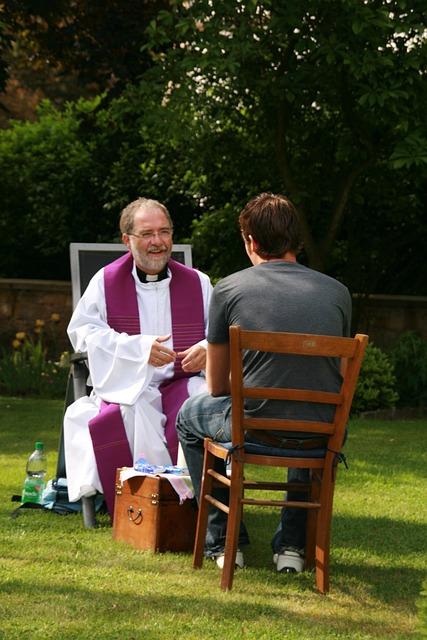
Dispelling Misconceptions: Debunking Common Myths and Misunderstandings about the Sacrament of Penance
The sacrament of Penance, often referred to as Reconciliation or Confession, is a fundamental aspect of the Catholic Church. However, it is not uncommon to encounter misconceptions or misunderstandings about this sacrament. Let’s delve into some of the most common myths surrounding Penance and debunk them.
Myth #1: Penance is not a true sacrament
Some individuals question if Penance is truly a sacrament, arguing that it is merely a ritual or a form of psychological relief. This misconception stems from a lack of understanding of the sacraments’ significance in Catholic theology. In reality, Penance is indeed one of the seven sacraments recognized by the Catholic Church, with a profound spiritual and sacramental purpose.
Myth #2: Only priests can grant forgiveness
Another common myth is the belief that only priests have the authority to grant forgiveness during the sacrament of Penance. While it is true that priests have been ordained to serve as mediators between God and humanity, they do not possess the power to forgive sins on their own. Rather, they act in persona Christi, representing Jesus in the sacrament, through whom God offers his mercy and forgiveness to those who seek it.
Myth #3: Confession is unnecessary; God can forgive directly
Some individuals argue that confession to a priest is unnecessary since God can forgive sins directly. While it is true that God’s forgiveness can be received through personal prayer and contrition, the sacrament of Penance provides a specific and tangible means for Catholics to confess their sins, receive spiritual guidance, and experience the healing power of God’s forgiveness.
Myth #4: Penance is a harsh and judgmental practice
Lastly, there is a misconception that the sacrament of Penance is a harsh and judgmental practice, where individuals are condemned for their sins. In reality, Penance is a sacrament of mercy, offering a loving and compassionate space for individuals to acknowledge their shortcomings, seek forgiveness, and receive pastoral guidance. It is an opportunity for personal growth, transformation, and reconciliation with both God and the community.
Concluding Remarks
In conclusion, the question of whether penance is truly a sacrament has been the subject of much contemplation and theological debate. While some argue that it lacks the essential elements to be considered a sacrament, others firmly believe that its role in the Catholic faith cannot be dismissed. By delving into the historical background and examining the teachings of the Church, it becomes evident that penance holds a significant place in the sacramental life of believers. Whether approached as a means of reconciliation, an opportunity for spiritual growth, or a process of self-reflection, penance remains an integral part of the Catholic sacramental tradition. As we continue to ponder the depths of this sacrament, it is our fervent hope that we may foster a deeper understanding and appreciation for the richness it brings to our spiritual lives.


 PROSPERITY PRAYER