

Navigating the Catholic Catechism of the Church: Sacrament Explained
Delving into the depths of the Catholic Catechism can feel like embarking on a mysterious journey through centuries-old traditions and beliefs. For many, the sacraments hold a particular fascination as sacred rituals that connect believers to the divine. In this article, we will unravel the complexities of the Catholic Catechism and explore the significance of sacraments in the life of the Church. Join us as we navigate the intricacies of the sacraments and uncover their profound meaning and relevance in the modern world.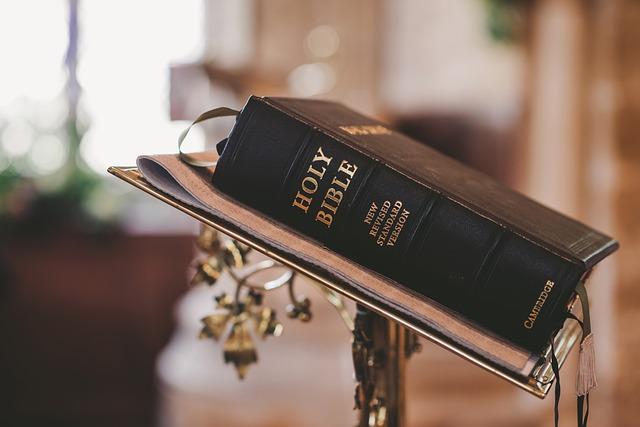
Contents
- Introduction to the Catholic Catechism of the Church
- Overview of the Seven Sacraments
- Importance of the Sacraments in Catholic faith
- Exploring the Sacraments of Initiation: Baptism, Confirmation, Eucharist
- Understanding the Sacraments of Healing: Reconciliation, Anointing of the Sick
- Significance of the Sacraments of Service: Matrimony and Holy Orders
- Key teachings and principles related to the Sacraments
- Practical tips for incorporating the Sacraments into daily life
- Common misconceptions about the Sacraments and clarifications
- In Conclusion
Introduction to the Catholic Catechism of the Church
The Catholic Catechism of the Church is a comprehensive guide to the teachings and beliefs of the Catholic faith. It is a treasure trove of knowledge and wisdom that can help deepen one’s understanding of the sacraments, prayer, morality, and more. Navigating through the Catechism may seem daunting at first, but with a little guidance, you can unravel its rich content and apply it to your own spiritual journey.
One of the key aspects of the Catholic Catechism is its explanation of the sacraments. These sacred rituals are fundamental to the faith and play a crucial role in the life of a Catholic. Understanding the significance of each sacrament, from baptism to holy orders, can enrich your spiritual experience and strengthen your connection to God. The Catechism provides clear and concise explanations of each sacrament, along with the biblical basis and historical context behind them.
As you delve into the Catholic Catechism, take the time to reflect on how the teachings and principles outlined within can shape your beliefs and practices. By studying the Catechism with an open heart and mind, you can deepen your faith, cultivate a deeper relationship with God, and live out the Gospel values in your daily life. Let the Catechism be your guide as you navigate the complexities of the Catholic faith and grow in your spiritual journey.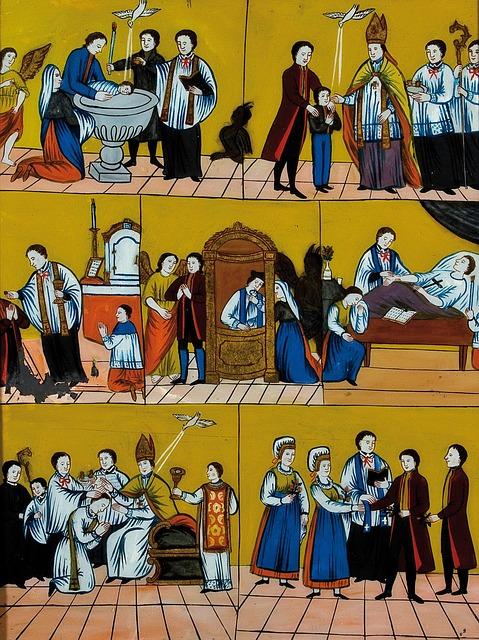
Overview of the Seven Sacraments
The Seven Sacraments are fundamental to the Catholic faith, symbolizing and embodying key religious experiences in the life of believers. Each sacrament is a visible sign of God’s grace, a way through which Catholics can encounter the divine presence in their lives. From Baptism to the Anointing of the Sick, each sacrament plays a significant role in the spiritual journey of a Catholic individual.
The Seven Sacraments in Catholicism are:
- Baptism: The first sacrament, through which one becomes a member of the Church
- Eucharist: Receiving the body and blood of Christ in the form of bread and wine
- Confirmation: Affirming one’s baptismal vows and receiving the gifts of the Holy Spirit
- Reconciliation: Confessing sins and seeking God’s forgiveness
- Anointing of the Sick: Seeking healing and strength for those who are ill
- Holy Orders: Devoting one’s life to serving God as a priest, deacon, or bishop
- Matrimony: Joining in marriage and receiving God’s blessing for a life together
Understanding the significance and purpose of each sacrament is essential for every Catholic believer, as they provide a framework for growing in faith and deepening one’s relationship with God. Through these sacred rituals, Catholics are able to experience the presence of Christ in their lives in a tangible and profound way.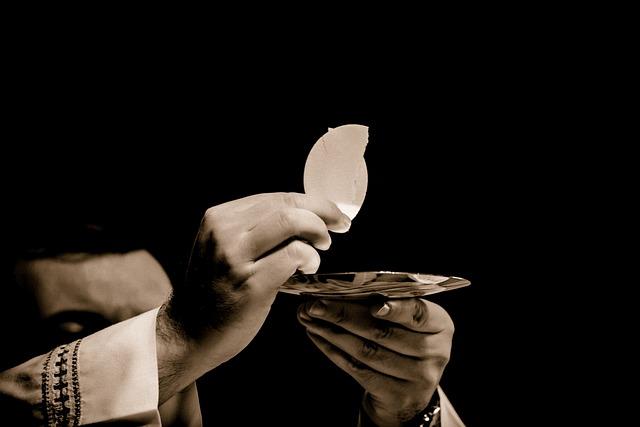
Importance of the Sacraments in Catholic faith
The sacraments in the Catholic faith hold a significant place in the lives of believers, serving as tangible signs of God’s grace and presence. These sacred rituals are seen as essential for spiritual growth and the nourishment of the soul. They are deeply rooted in biblical tradition and have been passed down through generations within the Church.
Key Points:
-
Sacraments as Channels of Grace: Catholics believe that the sacraments are not merely symbolic rituals but actual channels through which God’s grace is imparted to the faithful. Each sacrament is believed to confer a specific grace and help individuals on their spiritual journey.
-
Seven Sacraments: The Catholic Church recognizes seven sacraments, namely Baptism, Eucharist, Confirmation, Reconciliation, Anointing of the Sick, Holy Orders, and Matrimony. Each sacrament plays a unique role in the life of a believer, marking key milestones and providing strength for the journey.
- Community and Sacraments: The sacraments are often celebrated within the community of believers, highlighting the communal nature of the Catholic faith. Through the sacraments, believers are brought closer to God and to one another, fostering a sense of unity and shared faith.
Summary Table of the Seven Sacraments:
| Sacrament | Grace Conferred |
|---|---|
| Baptism | Cleansing of Original Sin and Initiation into Church |
| Eucharist | Spiritual Nourishment through the Body and Blood of Christ |
| Confirmation | Strengthening of Faith and Gifts of the Holy Spirit |
| Reconciliation | Forgiveness of Sins and Reconciliation with God and the Church |
| Anointing of the Sick | Healing of Body and Soul in Times of Illness |
| Holy Orders | Ordination of Priests and Deacons for Ministry in the Church |
| Matrimony | Blessing and Grace for Married Couples in their Union |
Understanding the importance of the sacraments in the Catholic faith is essential for all believers seeking to deepen their spiritual lives and grow in their relationship with God. Partaking in these sacred rituals can bring about profound transformation and renewal, guiding individuals on their path towards holiness and salvation.
Exploring the Sacraments of Initiation: Baptism, Confirmation, Eucharist
Baptism, Confirmation, and Eucharist are known as the Sacraments of Initiation in the Catholic Church. Each of these sacraments plays a vital role in the spiritual journey of a Catholic believer, marking important milestones in their relationship with God and the Church.
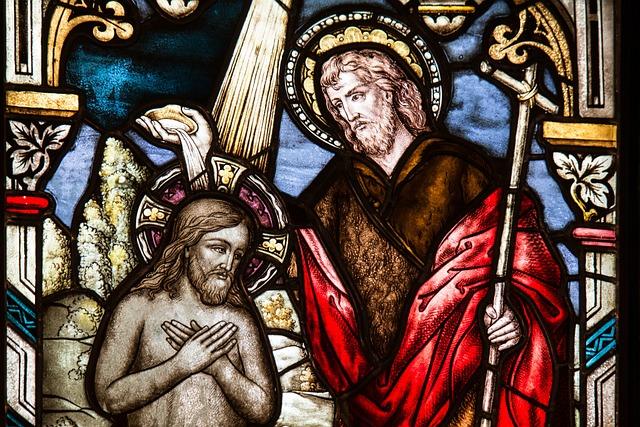
**Baptism** is the first of the Sacraments of Initiation and is the sacrament through which we are welcomed into the Christian community. Through the pouring of water and the words of the priest, we are cleansed of original sin and born into new life in Christ. It is an essential step in our journey of faith as Catholics.
**Confirmation** is the sacrament in which we receive the fullness of the Holy Spirit and are strengthened in our faith. It is a personal affirmation of our commitment to God and the Church, often occurring in adolescence or adulthood. Confirmation seals our baptism and empowers us to live out our faith courageously.
| Sacrament | Age of Reception |
|---|---|
| Baptism | Infancy |
| Confirmation | Adolescence or Adulthood |
| Eucharist | After First Communion |
**Eucharist** is the sacrament of the Body and Blood of Christ, where we receive Jesus in the form of bread and wine. This sacrament is celebrated during Mass and is the source and summit of our Christian life. Through the Eucharist, we are nourished spiritually and united with Christ and the Church.
Understanding the Sacraments of Healing: Reconciliation, Anointing of the Sick
In the Catholic faith, the Sacraments of Healing play a crucial role in the spiritual life of believers. Reconciliation, also known as Confession, is a sacrament where Catholics seek forgiveness for their sins through confession to a priest. This sacrament provides the opportunity for individuals to receive absolution and reconcile with God, the Church, and themselves.
Anointing of the Sick is another sacrament of healing, which offers spiritual strength and physical healing to those who are suffering from illness or facing the end of their life. Through the anointing with holy oil and the prayers of the priest, Catholics believe that the sick are given the grace to endure their suffering and unite it with the suffering of Christ.
Understanding these sacraments is essential for Catholics to fully participate in the spiritual life of the Church and receive the grace and healing they offer. By seeking the Sacrament of Reconciliation regularly and not being afraid to receive the Anointing of the Sick when needed, believers can experience the healing and mercy of God in their lives in a profound way. Let us embrace these sacraments with open hearts and minds, trusting in the healing power of Christ through the Church.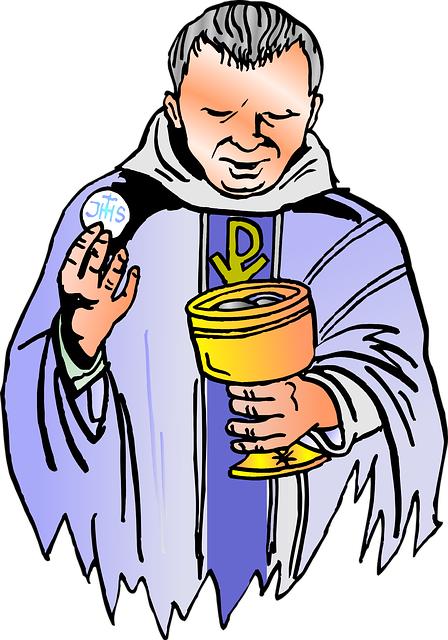
Significance of the Sacraments of Service: Matrimony and Holy Orders
Both Matrimony and Holy Orders are sacraments of service in the Catholic Church, each with their own unique significance and purpose.
Matrimony:
- Matrimony is a sacred covenant between a man and a woman, established by God as a lifelong commitment.
- Through the sacrament of Matrimony, couples are united in love and are called to support each other in faith and in their journey towards Heaven.
Holy Orders:
- Holy Orders is the sacrament through which men are ordained as deacons, priests, or bishops to serve the Church and the people of God.
- Those who receive Holy Orders are given the grace and authority to administer the sacraments and lead the faithful in worship and spiritual guidance.
| Matrimony | Holy Orders |
|---|---|
| Sacred covenant between a man and a woman | Ordination as deacons, priests, or bishops |
| United in love and faith | Serve the Church and the people of God |
| Lifelong commitment | Administer sacraments and provide spiritual guidance |
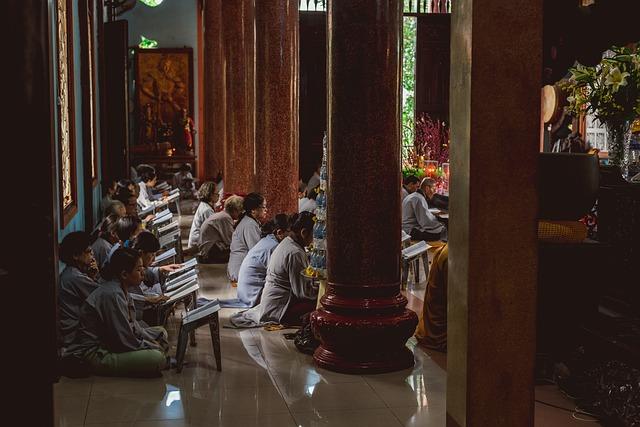
In the Catholic Church, the sacraments hold significant importance as they are sacred rituals that outwardly express inward divine grace. These sacraments are essential for the spiritual growth and development of the faithful. Understanding the is crucial for every Catholic believer.
**Sacraments Are Signs of Grace:** Each sacrament is a visible sign of an invisible reality – the presence of God’s grace. Through the sacraments, believers are united with Christ and receive the strength and guidance needed to live a life in accordance with God’s will.
**Seven Sacraments:** In the Catholic Church, there are seven sacraments: Baptism, Eucharist, Confirmation, Reconciliation, Anointing of the Sick, Holy Orders, and Matrimony. Each sacrament serves a specific purpose and is a channel through which God’s grace is conferred upon the faithful.
**Sacraments Are Initiation, Healing, and Service:** The sacraments can be categorized into three groups: Sacraments of Initiation (Baptism, Eucharist, Confirmation), Sacraments of Healing (Reconciliation, Anointing of the Sick), and Sacraments at the Service of Communion (Holy Orders, Matrimony). Each group serves a unique purpose in the spiritual journey of a Catholic believer.
**Sacraments Are Celebrated with Reverence:** The sacraments are to be celebrated with solemnity, reverence, and with the proper dispositions of heart. Through the sacraments, believers are drawn closer to God and are empowered to live a life of faith, hope, and love.
Practical tips for incorporating the Sacraments into daily life
One way to incorporate the sacraments into your daily life is by starting your day with a morning prayer, asking for God’s grace to guide you throughout the day. This simple act can help you stay mindful of the sacramental grace that is always available to you. Another practical tip is to set aside time each day for reflection and gratitude. This can be done through journaling or simply taking a few moments to thank God for the blessings in your life.
Attending Mass regularly is also a key way to incorporate the sacraments into your daily routine. By participating in the Eucharist, you are receiving the body and blood of Christ, which nourishes your soul and strengthens your connection to God. Additionally, consider setting specific goals for yourself in terms of sacramental participation, such as going to confession regularly or receiving the anointing of the sick when needed.
Lastly, don’t underestimate the power of community in living out the sacraments. Surround yourself with fellow believers who can support and encourage you in your faith journey. Whether it’s joining a Bible study group, volunteering at your parish, or simply attending social gatherings, being part of a community can help you stay accountable and motivated in incorporating the sacraments into your daily life.
Common misconceptions about the Sacraments and clarifications
Common misconceptions about the Sacraments often arise due to a lack of understanding or misinformation. One common misconception is that the Sacraments are simply symbolic rituals with no real significance. In reality, the Sacraments are considered by the Catholic Church to be outward signs of inward grace, instituted by Christ himself.
Another misconception is that the Sacraments are only for “holy” or perfect individuals. However, the Sacraments are actually meant for all believers, regardless of their shortcomings or sins. They are seen as a means of receiving God’s grace and strengthening one’s faith.
It is also mistakenly believed that the Sacraments are optional or unnecessary for salvation. The Catholic Church teaches that the Sacraments are essential for the spiritual life of believers and are channels through which God’s grace is communicated.
Finally, some may think that the Sacraments have no real effect or power. On the contrary, each Sacrament is believed to confer specific graces and blessings upon the recipient, helping them to grow in their relationship with God.
In Conclusion
In conclusion, understanding the sacraments is a crucial aspect of practicing the Catholic faith. By navigating the Catechism of the Church, we not only deepen our knowledge of these sacred rituals but also strengthen our spiritual connection with God. Armed with this knowledge, we can fully embrace the grace and blessings that come with each sacrament. Let us continue to explore and learn about the sacraments, allowing them to guide us on our journey of faith.


 ELITE NEUROSCIENCE DISCOVERY