

Is the Holy Trinity Mentioned in the Bible? Biblical References Explored!
The concept of the Holy Trinity has long been a cornerstone of Christianity, but have you ever wondered if this theological doctrine is actually mentioned in the Bible? Join us on this enlightening journey as we delve into the biblical references and explore the origins and significance of the Holy Trinity. With a natural and confident tone, we will present you with clear and knowledgeable insights, allowing you to form your own conclusions regarding this age-old theological debate. Get ready to unlock the biblical mysteries and discover the truth behind the Holy Trinity!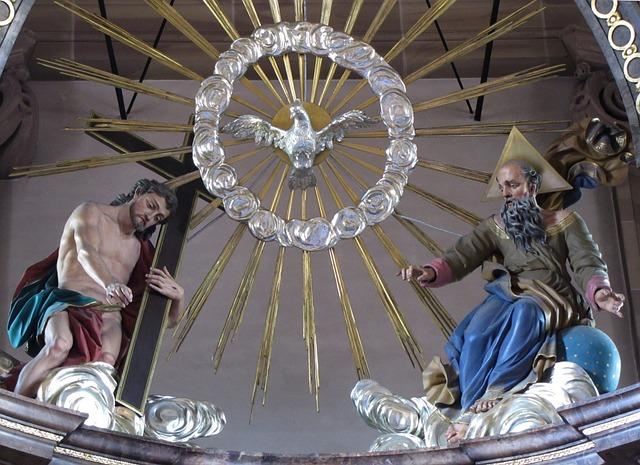
Contents
- 1. Understanding the Holy Trinity: An Exploration into its Biblical Origins and Meaning
- 2. Tracing Biblical References: Examining Scripture for Mentions of the Holy Trinity
- 3. Unveiling the Biblical Evidence: Scriptural Passages that Explicate the Holy Trinity
- 4. The Divinity of Father, Son, and Holy Spirit: Key Bible Verses that Support the Holy Trinity
- 5. Symbolic Unity in the Bible: Exploring Metaphors that Allude to the Holy Trinity
- 6. Debunking Misconceptions: Acknowledging the Absence of Explicit Holy Trinity Terminology
- 7. Early Church Fathers and the Holy Trinity: Insights from Early Christian Theologians
- 8. The Significance of the Holy Trinity: Understanding its Role in Christian Doctrine
- 9. Embracing the Mystery: Recognizing the Limitations of Human Language in Describing the Holy Trinity
- 10. Implications for Faith and Worship: Incorporating the Understanding of the Holy Trinity in Contemporary Christianity
- The Way Forward
1. Understanding the Holy Trinity: An Exploration into its Biblical Origins and Meaning
The concept of the Holy Trinity is deeply rooted in Christian theology and has been a subject of intense debate and interpretation throughout history. Many people wonder if the Holy Trinity is explicitly mentioned in the Bible. While the term "Holy Trinity" itself is not present in the Bible, biblical references provide the foundation for this foundational Christian belief.
The Father: The Bible frequently refers to God as the Father, emphasizing His role as the creator and sustainer of all things. In the New Testament, Jesus Himself refers to God as His Father and teaches His disciples to pray to "Our Father in heaven."
The Son: The second person of the Holy Trinity, Jesus Christ, is undoubtedly mentioned in the Bible. The Gospels describe His birth, life, teachings, miracles, crucifixion, and resurrection. Jesus is often referred to as the Son of God and the Savior of the world.
- The Holy Spirit: The Holy Spirit, also known as the third person of the Holy Trinity, is explicitly mentioned throughout the Bible. In the Old Testament, the Spirit of God is described as being present in the creation of the world and inspiring prophets and leaders. In the New Testament, Jesus promises to send the Holy Spirit to guide and empower His followers.
While the Bible does not explicitly use the term "Holy Trinity," these references highlight the distinct yet interconnected roles of the Father, Son, and Holy Spirit in Christian belief. The Holy Trinity embodies the triune nature of God and reflects the divine mystery and unity found within the Godhead. Understanding and exploring the biblical origins and meaning of the Holy Trinity can deepen our understanding of the Christian faith and our relationship with God.
2. Tracing Biblical References: Examining Scripture for Mentions of the Holy Trinity
In our quest to explore the concept of the Holy Trinity, it is essential to delve deep into the Scriptures themselves. The Bible serves as the ultimate authority for Christian doctrine, and understanding its teachings is key to comprehending the nature of the Trinity. So, let’s embark on this fascinating journey of tracing biblical references and examining the Scripture for mentions of the Holy Trinity!
The Great Commission: One of the most prominent passages where the concept of the Holy Trinity is implied is found in Matthew 28:19, where Jesus commands his disciples to baptize in the name of the Father, the Son, and the Holy Spirit. This unequivocal statement highlights the three distinct persons within the Godhead and their active roles in the life of believers.
The Baptism of Jesus: Another significant instance occurs during the baptism of Jesus, as recorded in Matthew 3:16-17. As Jesus emerged from the waters, the heavens opened, and the Holy Spirit descended like a dove, while a voice from heaven declared, "This is my Son, whom I love; with him, I am well pleased." This miraculous event showcases the Triune nature of God, with the Father, the Son, and the Holy Spirit all present and active.
The Apostle Paul’s Writings: The apostle Paul meticulously expounds upon the nature of the Trinity in several of his letters. For instance, in his epistle to the Corinthians (1 Corinthians 12:4-6), he affirms that there are different kinds of spiritual gifts, but the same Spirit, Lord (Jesus), and God (the Father) work in all believers. This passage not only acknowledges the three distinct persons but emphasizes their unity and cooperation in the work of the Church.
- Divine Unity and Diversity: As we continue our exploration, it is essential to appreciate the delicate balance between the oneness and diversity of the Holy Trinity. Scripture reminds us that while the Father, Son, and Holy Spirit are distinct persons with unique roles, they are also eternally united as one God. This divine mystery is eloquently expressed in passages such as John 10:30, where Jesus affirms, "I and the Father are one."
Through our investigation of these biblical references, we find ample evidence of the Holy Trinity’s presence within Scripture. As believers, it inspires us to further explore this profound theological concept, deepening our understanding of the nature of God. By recognizing the Triune God’s active involvement in our lives and the unity amidst diversity, we can draw closer to embracing the fullness of divine love, grace, and truth. So, let’s continue this journey, unearthing more treasures of the Trinity within the pages of the holy Scriptures.
3. Unveiling the Biblical Evidence: Scriptural Passages that Explicate the Holy Trinity
The concept of the Holy Trinity is a central tenet of Christian theology, but is it explicitly mentioned in the Bible? In this post, we will explore various scriptural passages that shed light on the Holy Trinity and delve into the biblical evidence that supports this belief.
Genesis 1:26 – "Then God said, ‘Let us make mankind in our image, in our likeness.’" This passage suggests a plurality within the Godhead, as God refers to Himself as "us" and "our." This can be interpreted as an early hint at the Triune nature of God.
Matthew 28:19 – "Go therefore and make disciples of all nations, baptizing them in the name of the Father and of the Son and of the Holy Spirit." These words, spoken by Jesus Himself, clearly indicate the existence of three distinct persons within the Godhead – the Father, the Son, and the Holy Spirit.
John 1:1-3 – "In the beginning was the Word, and the Word was with God, and the Word was God. He was in the beginning with God. All things were made through Him, and without Him was not any thing made that was made." This passage reveals the divine nature of Jesus, who is referred to as the Word and is equated with God. This suggests the existence of a divine co-eternity.
- 2 Corinthians 13:14 – "The grace of the Lord Jesus Christ and the love of God and the fellowship of the Holy Spirit be with you all." This verse summarizes the Trinitarian formula, explicitly naming the three persons of the Trinity – Jesus Christ, God the Father, and the Holy Spirit. It emphasizes their unity and their distinct roles in the divine plan.
These scriptural references, among others, provide compelling evidence for the existence of the Holy Trinity within the Bible. The idea of one God in three persons is a complex mystery that goes beyond human comprehension. While the term "Trinity" may not be explicitly mentioned, the biblical passages we have explored point to the profound reality of the Triune nature of God. Christians believe that the Father, Son, and Holy Spirit are co-equal, co-eternal, and distinct persons who together form the one true God.
4. The Divinity of Father, Son, and Holy Spirit: Key Bible Verses that Support the Holy Trinity
The concept of the Holy Trinity—God as three persons in one—is a fundamental belief in Christianity. But is the Holy Trinity actually mentioned in the Bible? Let’s explore some key Bible verses that support this doctrine.
Matthew 28:19 (NIV): "Therefore go and make disciples of all nations, baptizing them in the name of the Father and of the Son and of the Holy Spirit." This verse clearly presents the three distinct persons of the Holy Trinity, emphasizing their unity in the act of baptism.
John 14:16-17 (NIV): "And I will ask the Father, and he will give you another advocate to help you and be with you forever—the Spirit of truth." Here, Jesus speaks of both the Father and the Holy Spirit as separate entities, alluding to the uniqueness and divinity of each person within the Trinity.
2 Corinthians 13:14 (NIV): "May the grace of the Lord Jesus Christ, and the love of God, and the fellowship of the Holy Spirit be with you all." This verse beautifully encapsulates the triune nature of God, with Paul invoking the distinct names of Jesus, God, and the Holy Spirit, while emphasizing their relational unity.
- Hebrews 9:14 (NIV): "How much more, then, will the blood of Christ, who through the eternal Spirit offered himself unblemished to God, cleanse our consciences from acts that lead to death, so that we may serve the living God!" In this verse, we see the Son, the Spirit, and God the Father working in harmony, highlighting their interconnected roles in the redemptive work of salvation.
As these verses demonstrate, the Holy Trinity is indeed mentioned in the Bible. While the term "Trinity" may not appear explicitly, the Bible presents numerous passages that affirm the existence of God as Father, Son, and Holy Spirit, each with unique characteristics and roles. It’s through these references that Christians have come to understand and embrace the profound mystery of the Holy Trinity.
5. Symbolic Unity in the Bible: Exploring Metaphors that Allude to the Holy Trinity
The concept of the Holy Trinity, consisting of God the Father, God the Son (Jesus Christ), and God the Holy Spirit, has been a topic of discussion and debate among theologians for centuries. While the actual term "Holy Trinity" may not be explicitly mentioned in the Bible, numerous biblical references point to this profound theological truth through various symbolic metaphors.
Water: One of the most commonly used metaphors alluding to the Holy Trinity is water. Just as water exists in three states – solid (ice), liquid, and vapour (steam) – God reveals Himself in three distinct persons. In John 4:14, Jesus said, "But whoever drinks of the water that I will give him will never be thirsty again. The water that I will give him will become in him a spring of water welling up to eternal life." This verse emphasizes the relationship between Jesus (the Source of living water), God the Father, and the Holy Spirit.
Light: Another powerful metaphor that reflects the unity of the Holy Trinity is light. In 1 John 1:5, it is written, "This is the message we have heard from him and proclaim to you, that God is light, and in him is no darkness at all." Just as light consists of three essential components - illumination, heat, and color – the Holy Trinity is characterized by God’s illuminating presence, His passionate love, and the vibrant diversity within His divine nature.
Family: The concept of family is deeply embedded in the Bible, and it also provides a metaphorical understanding of the Holy Trinity. Ephesians 3:14-15 states, "For this reason I bow my knees before the Father, from whom every family in heaven and on earth is named." This passage highlights the divine relationship between God the Father, God the Son, and God the Holy Spirit, alluding to the familial bond that exists within the Trinity.
- Shield and Shelter: In Psalm 91:4, we find a metaphorical portrayal of the Holy Trinity as a shield and shelter. It says, "He will cover you with his pinions, and under his wings you will find refuge; his faithfulness is a shield and buckler." Just as a shield offers protection, and a shelter provides refuge, the Holy Trinity offers a shield of faithfulness and a safe haven for all who seek refuge in Him.
By exploring these symbolic metaphors present in the Bible, we begin to unravel the beautiful mystery of the Holy Trinity. Although not explicitly mentioned by name, these metaphors serve as powerful reminders of the divine unity found within God Himself, shedding light on His intricate nature and the profound love He extends to humanity. So, let us immerse ourselves in the richness of these metaphors and embrace the revelation they provide about the Holy Trinity.
6. Debunking Misconceptions: Acknowledging the Absence of Explicit Holy Trinity Terminology
Throughout history, there has been much debate and confusion surrounding the concept of the Holy Trinity and its explicit mention in the Bible. Many individuals, both within and outside of religious circles, have questioned whether the term "Holy Trinity" is explicitly mentioned in the scriptures. To address this misconception, it is essential to explore the biblical references that hint at the concept of the Holy Trinity without explicitly using the terminology.
The First Epistle of John (5:7): This verse is often cited as one of the strongest biblical references to the Holy Trinity. It states, "For there are three that bear witness in heaven: the Father, the Word, and the Holy Spirit; and these three are one." Though the term "Holy Trinity" is absent, this verse clearly implies the triune nature of God as Father, Son (the Word), and Holy Spirit.
The Great Commission (Matthew 28:19): In this well-known passage, Jesus instructs His disciples, saying, "Go therefore and make disciples of all nations, baptizing them in the name of the Father and of the Son and of the Holy Spirit." While the explicit term is not mentioned, the passage suggests the coexistence and involvement of the Father, Son, and Holy Spirit in the act of baptism.
The Baptism of Jesus (Matthew 3:16-17): This significant event displays a compelling illustration of the Holy Trinity. As Jesus is baptized, the Holy Spirit descends like a dove, and a voice from heaven declares, "This is my beloved Son, with whom I am well pleased." This interaction between the Father, Son, and Holy Spirit exemplifies the three distinct persons united as one.
- The Appearance of God (Genesis 1:26): In the creation account, God says, "Let us make man in our image, after our likeness." The plural pronouns used in this verse suggest a conversation between multiple persons within the divine nature. While not explicitly stating the Holy Trinity, it hints at the triune nature of God.
It is important to note that while the specific term "Holy Trinity" may not be present throughout the Bible, these biblical references and others offer evidence of the concept’s existence. The absence of explicit terminology should not undermine the belief in the triune nature of God, but rather, it urges us to delve deeper into the scriptures to uncover the profound mystery of the Holy Trinity. Through careful examination and contemplation of these biblical passages, we can gain a greater understanding and appreciation for this foundational aspect of Christian faith.
7. Early Church Fathers and the Holy Trinity: Insights from Early Christian Theologians
The concept of the Holy Trinity, as we understand it today, is not explicitly mentioned in the Bible. However, the early Christian theologians, also known as the Early Church Fathers, provided valuable insights and interpretations that laid the foundation for understanding the Trinity. Their writings, theological debates, and creeds ultimately shaped the doctrine of the Holy Trinity as we know it today.
One of the key figures among the Early Church Fathers is Tertullian, who coined the term "Trinity" in the early third century. He described the Father, Son, and Holy Spirit as three distinct persons, yet one God. Tertullian’s works explored the unity and diversity within the Godhead, emphasizing the equality and co-eternality of the three persons.
Another influential figure is Athanasius of Alexandria, who defended the divinity of Christ against the Arian heresy. Athanasius affirmed the equality of the Son with the Father, stressing the eternal nature of both. His writings provided crucial support for the understanding of Jesus as the eternal Word of God, fully God and fully human.
The Council of Nicaea, held in 325 AD, brought together various early Christian theologians to address the Arian controversy and further clarify the doctrine of the Trinity. The Creed that emerged from this council affirmed the consubstantiality (being of the same substance) of the Son with the Father, emphasizing their eternal relationship.
These early Christian theologians, through their interpretations and theological reflections, helped to formulate the doctrine of the Holy Trinity. Their insights enable us to understand the complex nature of God as three persons in one divine essence. Though the term "Trinity" may not appear in the Bible, these early writings provide a solid foundation for our understanding of the Triune God.
8. The Significance of the Holy Trinity: Understanding its Role in Christian Doctrine
The concept of the Holy Trinity is a fundamental cornerstone of Christian doctrine, representing the threefold nature of God as Father, Son, and Holy Spirit. While the term "Holy Trinity" itself may not be explicitly mentioned in the Bible, numerous biblical references allude to this divine mystery.
One of the key passages that sheds light on the Holy Trinity is found in Matthew 28:19, where Jesus instructs his disciples to baptize in the name of the Father, Son, and Holy Spirit. This implies a shared authority and unity among the three persons of the Godhead. Similarly, in John 14:16-17, Jesus promises to send the Holy Spirit as a helper, indicating the distinct identity and presence of each member of the Trinity.
Another notable reference is in 2 Corinthians 13:14, where Paul blesses the believers with the grace of the Lord Jesus Christ, the love of God, and the fellowship of the Holy Spirit. This verse exemplifies the threefold nature of God as integral to the Christian experience.
The Holy Trinity is essential in shaping our understanding of God’s character and relationship with humanity. It teaches us that God is both unity and diversity, an unfathomable mystery that invites believers to embrace the complexity and richness of their faith. Through the Trinity, Christians recognize the divine love and redemption offered through the Father, the salvation and example exemplified by the Son, and the guidance and empowerment received from the Holy Spirit.
In summary, while the term "Holy Trinity" may not be explicitly stated in the Bible, the concept is deeply rooted in Scripture. Through various passages and allusions, we are invited to explore and appreciate the complex and mysterious nature of God as Father, Son, and Holy Spirit. Understanding the significance of the Holy Trinity is essential to comprehending the core principles and teachings of Christianity.
9. Embracing the Mystery: Recognizing the Limitations of Human Language in Describing the Holy Trinity
In our quest to understand the Holy Trinity, the first question we often encounter is whether it is even mentioned in the Bible. While the term "Holy Trinity" might not be explicitly stated, biblical references explore the concept of God in three distinct persons – the Father, the Son, and the Holy Spirit. Let’s delve into some notable passages that shed light on this divine mystery:
The Baptism of Jesus: In the New Testament, when Jesus is baptized by John, a pivotal moment occurs. As Jesus comes out of the water, the heavens open, and the Spirit of God descends like a dove, while a voice from heaven declares, "This is my Son, whom I love; with him I am well pleased" (Matthew 3:17). This passage reveals the presence of all three persons of the Trinity simultaneously.
The Great Commission: Before ascending to heaven, Jesus instructs his disciples to go and make disciples of all nations, baptizing them in the name of the Father, the Son, and the Holy Spirit (Matthew 28:19). This commission encapsulates the essential triune nature of God.
The Doxology of Paul: In his letter to the Corinthians, the apostle Paul writes, "The grace of the Lord Jesus Christ, and the love of God, and the fellowship of the Holy Spirit be with you all" (2 Corinthians 13:14). Here, Paul mentions all three persons of the Trinity as distinct entities, yet united in fellowship.
- The Intercession of Jesus: In the book of Romans, Paul explains that the Holy Spirit helps us in our weakness and intercedes for us "in accordance with the will of God" (Romans 8:27). This passage demonstrates the interconnectedness and collaboration between the three divine persons.
It is essential to understand that while these biblical references provide glimpses into the concept of the Holy Trinity, our human language ultimately falls short in capturing the profound nature of this mystery. As finite beings, we can only grasp so much about an infinite God. Embracing the mystery and recognizing the limitations of human language leads us to approach the Holy Trinity with awe and wonder, rather than exhaustive understanding.
10. Implications for Faith and Worship: Incorporating the Understanding of the Holy Trinity in Contemporary Christianity
Incorporating the understanding of the Holy Trinity in contemporary Christianity has profound implications for the faith and worship of believers. While the term "Holy Trinity" may not appear in the Bible, the concept is deeply rooted in biblical references. Let us explore some key passages that shed light on the existence and nature of the Holy Trinity.
The Great Commission (Matthew 28:19): Jesus commands His disciples to baptize believers in the name of the Father, Son, and Holy Spirit. This statement highlights the equality and distinctiveness of each person in the Trinity, emphasizing the belief in their coexistence.
The Baptism of Jesus (Matthew 3:16-17): During Jesus’ baptism, the heavens opened, and the Spirit of God descended like a dove, while a voice from heaven declared, "This is my Son, whom I love; with him, I am well pleased." This event reveals the presence of God the Father, God the Son, and God the Holy Spirit simultaneously, providing evidence of the Trinity.
The Benediction (2 Corinthians 13:14): Paul concludes his second letter to the Corinthians with a trinitarian benediction: "May the grace of the Lord Jesus Christ, and the love of God, and the fellowship of the Holy Spirit be with you all." This verse affirms the separate identities of the Father, Son, and Holy Spirit, yet emphasizes their unity and involvement in the lives of believers.
- The Creation Account (Genesis 1:26): In the opening chapters of the Bible, God says, "Let us make mankind in our image, in our likeness." This plural pronoun "us" implies the presence of multiple persons within the Godhead, thus alluding to the Trinity.
Understanding these biblical references helps contemporary Christians deepen their faith and enrich their worship. By embracing the Holy Trinity, believers acknowledge the complexity and mystery of God’s nature, while also recognizing His triune presence in their lives. This understanding invites believers to engage in trinitarian worship, where they honor and adore the Father, Son, and Holy Spirit as equal and indistinguishable persons within the Godhead. As Christians navigate their spiritual journey, incorporating the understanding of the Holy Trinity can lead to a more profound and all-encompassing faith experience.
The Way Forward
In conclusion, the question of whether the Holy Trinity is mentioned in the Bible is one that has sparked much debate among scholars and theologians. While the exact term may not appear in the scriptures, there are several passages that allude to the concept of the Trinity. From the baptism of Jesus to the Great Commission, biblical references provide a framework for understanding God’s triune nature.
It is important to note, however, that the Holy Trinity remains a complex and profound mystery. As humans, our finite minds can only grasp so much of God’s infinite nature. Yet, through diligent study and a deep faith, we can strive to comprehend this divine truth to the best of our abilities.
Ultimately, whether one finds explicit mention of the Trinity or not, what truly matters is our relationship with God and our faith in His redemptive plan. Let us continue to explore the depths of scripture, seeking knowledge, wisdom, and ultimately, a closer connection with our creator.
So, as we journey through the pages of the Bible, let us embrace the mystery, trust in God’s revelation, and find solace in knowing that He is a three-in-one God, Father, Son, and Holy Spirit. And as we navigate this complex theological terrain, may we always approach it with a humble heart, recognizing the infinite wisdom and majesty of our Creator.


 URGENT: PAGE CLOSING SOON!