

Is Saint Celestine a Demon? Myths and Misconceptions about Saints
Saint Celestine is a prominent and revered figure in Christian history, known for her unwavering faith and miraculous deeds. However, despite her status as a saint, there are lingering doubts and rumors surrounding her true identity. In this article, we will delve into the myths and misconceptions surrounding Saint Celestine, and explore the truth behind these claims. Join us as we uncover the reality behind the question, "Is Saint Celestine a demon
Contents
- – The Origins of Saint Celestine: Separating Fact from Fiction
- – Understanding the Concept of Demons in Catholicism
- – Debunking the Myth of Saint Celestine as a Demon
- – Examining the Misconceptions Surrounding Saints in general
- – Exploring the Role of Saints in Catholicism
- – Saint Celestine: A Symbol of Hope and Faith for Many
- – How Media and Pop Culture Influence Perceptions of Saints
- – Recommendations for Properly Researching and Understanding Saints
- – The Importance of Context and Historical Accuracy in Evaluating Saints
- – Conclusion: Appreciating the Legacy and Contributions of Saint Celestine
- Future Outlook
– The Origins of Saint Celestine: Separating Fact from Fiction
There has been much speculation surrounding the origins of Saint Celestine, with some claiming that she is a demon disguised as a saint. However, it is important to separate fact from fiction when it comes to the life of this revered figure in Christian history.
<p>One common myth surrounding Saint Celestine is that she was involved in dark magic and that her miracles were actually acts of deception. This misconception stems from a lack of understanding of the miracles performed by saints, which are believed to be manifestations of God's power.</p>


<p>It is crucial to recognize that saints like Saint Celestine are human beings who have achieved a high level of holiness through their devotion to God and their selfless acts of charity. While some may question the validity of their miracles, it is essential to approach these claims with an open mind and a willingness to learn.</p>


<p>By dispelling these myths and misconceptions, we can better appreciate the true legacy of Saint Celestine and the positive impact she had on the lives of those around her. Let us remember her for her selfless deeds and unwavering faith, rather than doubting her true intentions.</p>
– Understanding the Concept of Demons in Catholicism
Demons in Catholicism are often depicted as malevolent supernatural beings who seek to tempt and deceive individuals into sin. These entities are believed to be fallen angels who rebelled against God and now roam the Earth causing chaos and destruction. While the concept of demons may seem frightening, it is important to understand that Catholics believe in the power of God to protect and guide believers in their spiritual journey.
One common misconception related to demons in Catholicism is the confusion between demons and saints. Saints, such as Saint Celestine, are individuals who have lived exemplary lives of faith and virtue, and who are believed to be in the presence of God in heaven. On the other hand, demons are beings who have chosen to reject God and his teachings, opting instead to follow their own selfish desires.
It is crucial to differentiate between saints and demons, as saints serve as role models for Catholics to emulate in their own lives, while demons represent the ultimate evil and temptation. Saint Celestine, for example, is revered for his humility, piety, and devotion to God, qualities that are contrary to the nature of demons. By understanding the true essence of saints and demons in Catholicism, believers can deepen their faith and discern the path to righteousness.
– Debunking the Myth of Saint Celestine as a Demon
Saint Celestine’s Story
Saint Celestine V, born Pietro Angelerio, was a hermit and ascetic before becoming the Pope of the Catholic Church in 1294. He is known for his humility, simplicity, and dedication to the Church. After resigning from his papacy after only five months, he lived out the rest of his life in solitude. In 1313, he was canonized as a saint by Pope Clement V.
Debunking the Myth
Despite his saintly reputation, there have been misconceptions and myths surrounding Saint Celestine, with some claiming that he was actually a demon in disguise. This myth likely stems from his unconventional decision to resign as Pope, which was seen as a betrayal by some. However, there is no evidence to suggest that he was anything other than a devout and holy man.
Why the Myth Persists
The myth of Saint Celestine being a demon may have been perpetuated over the years due to misunderstandings of his actions and beliefs. It is important to separate fact from fiction and recognize Saint Celestine for his contributions to the Church and his dedication to his faith.

– Examining the Misconceptions Surrounding Saints in general
There are numerous misconceptions surrounding saints in general, with one of the most prevalent being the belief that Saint Celestine is a demon. This myth has been passed down through generations, leading many to question the true nature of saints and their significance in various religions.
It is important to dispel this misconception and understand the truth about saints. Saints are individuals who have lived their lives according to the teachings of their faith, performing miracles and embodying virtues that make them worthy of veneration. They are not demonic beings, but rather spiritual guides and intercessors who can help believers in their spiritual journey.
By examining the misconceptions surrounding saints, we can gain a deeper understanding of their role in different religious traditions and appreciate the diversity of beliefs that exist. It is crucial to approach the topic with an open mind and be willing to learn from various perspectives, rather than relying on stereotypes and misinformation.
Let us challenge the myths and misconceptions about saints, including the idea that Saint Celestine is a demon, and instead, strive to appreciate the rich history and significance of these revered figures in our collective spiritual heritage.

– Exploring the Role of Saints in Catholicism
Saint Celestine is not a demon, despite some myths and misconceptions that may suggest otherwise. In Catholicism, saints are revered individuals who have lived saintly lives and are believed to be in Heaven, serving as intercessors between God and humanity. The role of saints in Catholicism is significant, with each saint having specific attributes and purposes.
It is important to understand that saints are not worshipped in Catholicism, but rather venerated for their exemplary lives and devotion to God. Saints are believed to be able to intercede on behalf of believers, offering prayers for specific needs or intentions. This belief in the power of saints’ intercession is a central aspect of Catholic devotional practices.
While myths and misconceptions may exist regarding certain saints, it is essential to rely on reputable sources and accurate information when exploring the role of saints in Catholicism. Each saint has a unique story and significance, and it is important to approach the topic with an open and respectful mindset.
Overall, saints play a vital role in Catholicism, serving as models of holiness and faith for believers. By learning more about the lives of saints and their teachings, we can deepen our understanding of the Catholic faith and draw inspiration from their examples of piety and devotion.
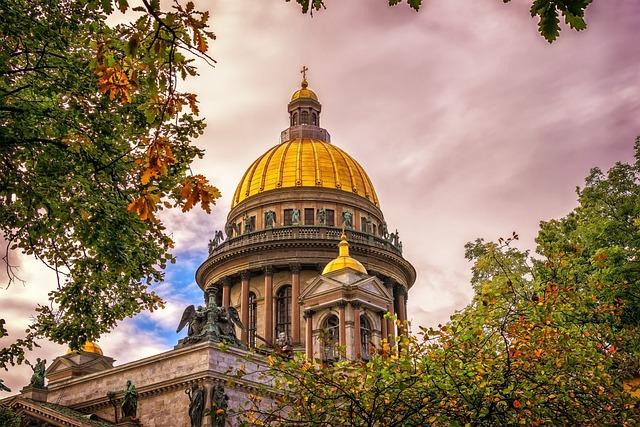
– Saint Celestine: A Symbol of Hope and Faith for Many
Saint Celestine has long been revered as a symbol of hope and faith for many believers around the world. However, there are misconceptions and myths surrounding this revered saint, with some even questioning whether Saint Celestine is actually a demon in disguise. Let’s debunk some of these myths and shed light on the true nature of this beloved figure.
One common misconception is that Saint Celestine possesses supernatural powers that are associated with demonic entities. In reality, saints are individuals who have lived pious and virtuous lives, dedicated to serving others and spreading love and kindness. Saint Celestine’s miracles and acts of compassion are reflections of their deep faith and connection to a higher power.
Another myth surrounding Saint Celestine is that their intercession is ineffective or that they are not truly deserving of veneration. However, the Catholic Church recognizes saints as exemplary models of Christian life and devotion, worthy of honor and reverence. Through their prayers and intercessions, saints like Celestine offer hope, comfort, and guidance to those in need.
It is important to remember that saints, including Saint Celestine, are not to be feared or misunderstood. They are beacons of light and sources of inspiration for believers, reminding us of the power of faith, hope, and love. Let us embrace the legacy of Saint Celestine with an open heart and a renewed sense of faith.

– How Media and Pop Culture Influence Perceptions of Saints
In today’s media-saturated world, the line between fact and fiction can often become blurred, especially when it comes to the portrayal of saints in popular culture. One saint who has frequently been misunderstood is Saint Celestine, whose reputation has been unfairly tarnished by myths and misconceptions.
One common misconception about Saint Celestine is that he is actually a demon in disguise. This false belief likely stems from the way he is depicted in certain movies and television shows, which portray him as a dark and malevolent figure. In reality, Saint Celestine was a devout and compassionate man who dedicated his life to serving others.
Another misconception about saints in general is that they are infallible beings who never make mistakes. This belief is perpetuated by the media, which often portrays saints as perfect and flawless individuals. In reality, saints were human beings who faced their own struggles and imperfections, just like the rest of us.
It is important to remember that saints are not mythical creatures or supernatural beings, but rather ordinary men and women who lived extraordinary lives of faith and devotion. By dispelling myths and misconceptions about saints like Saint Celestine, we can gain a deeper understanding and appreciation for their true impact and legacy.
– Recommendations for Properly Researching and Understanding Saints
When researching saints, it is crucial to rely on reputable sources and avoid falling for common myths and misconceptions. One such misconception is the belief that saints, such as Saint Celestine, are actually demons in disguise. This false notion can be traced back to misunderstandings and misinterpretations of historical records and religious texts. By properly researching and understanding the lives of saints, we can dispel these myths and gain a deeper appreciation for their contributions to the Christian faith.
To effectively research and understand saints, consider the following recommendations:
– Consult authoritative sources, such as official church documents, biographies written by reputable scholars, and historical records.
– Look for primary sources, such as letters, diaries, and other writings by or about the saint in question.
– Examine the historical and cultural context in which the saint lived to gain a better understanding of their actions and beliefs.
– Seek guidance from religious leaders, theologians, and historians who specialize in the study of saints.
By following these recommendations, we can ensure that our research into saints is thorough, accurate, and respectful of their legacy. Saints like Saint Celestine have much to teach us about faith, compassion, and the power of spiritual devotion, and it is important to approach their stories with an open mind and a willingness to learn.
– The Importance of Context and Historical Accuracy in Evaluating Saints
In order to properly evaluate saints, it is crucial to consider the context and historical accuracy surrounding their lives. Saint Celestine has often been associated with myths and misconceptions, with some even going as far as labeling him as a demon. However, it is important to delve into the historical records and cultural context of his time to get a clearer picture of who he truly was.
When examining the life of Saint Celestine, it is essential to consider the societal norms and beliefs of the era in which he lived. Without this understanding, it is easy to misinterpret his actions and intentions. Additionally, it is crucial to look at the historical accuracy of the sources that detail his life, as many myths and legends have arisen over the centuries that may not accurately reflect the reality of his existence.
By approaching the evaluation of saints with a critical eye and a deep understanding of the context in which they lived, we can gain a more accurate and nuanced perspective on their lives and legacies. It is important to separate fact from fiction and dispel any myths or misconceptions that may have clouded our understanding of these revered individuals throughout history. Our exploration of Saint Celestine serves as a reminder of the importance of context and historical accuracy in evaluating saints.
– Conclusion: Appreciating the Legacy and Contributions of Saint Celestine
Saint Celestine has left behind a remarkable legacy that has shaped the Catholic Church for centuries. Despite his numerous contributions, there are still myths and misconceptions surrounding his life and work. One common misunderstanding is the belief that Saint Celestine is a demon, which couldn’t be further from the truth.
It’s important to recognize Saint Celestine’s role in promoting peace and unity within the Church. He worked tirelessly to reconcile disputes and bring about understanding among conflicting parties. His dedication to serving others and spreading the message of love and compassion is a testament to his true nature as a saint.
While some may misinterpret historical accounts or folklore, it’s crucial to appreciate the genuine impact Saint Celestine had on the world. By debunking myths and shedding light on his true character, we can fully appreciate and honor his legacy for generations to come.
Future Outlook
In conclusion, the idea that Saint Celestine is a demon is simply a misconception born out of ignorance and misunderstanding. Saints are not demons, but rather individuals who have lived their lives in accordance with the teachings of the Church and have been recognized for their exemplary virtues. It is important to separate fact from fiction and educate ourselves on the true nature of saints. By dispelling these myths, we can gain a deeper appreciation for the spiritual significance of these holy figures in our lives. Let’s continue to seek knowledge and understanding as we strive to embrace the truth.


 URGENT: PAGE CLOSING SOON!