

May a Deacon Preach Traditional Latin Mass? Ecclesiastical Roles Explored
In the realm of Catholic liturgical services, the role of deacons is commonly associated with assisting in the celebration of the Mass. However, a question that has stirred debate within the Church is whether a deacon may also preach during the Traditional Latin Mass. Join us as we delve into the ecclesiastical roles of deacons and explore this intriguing topic in depth.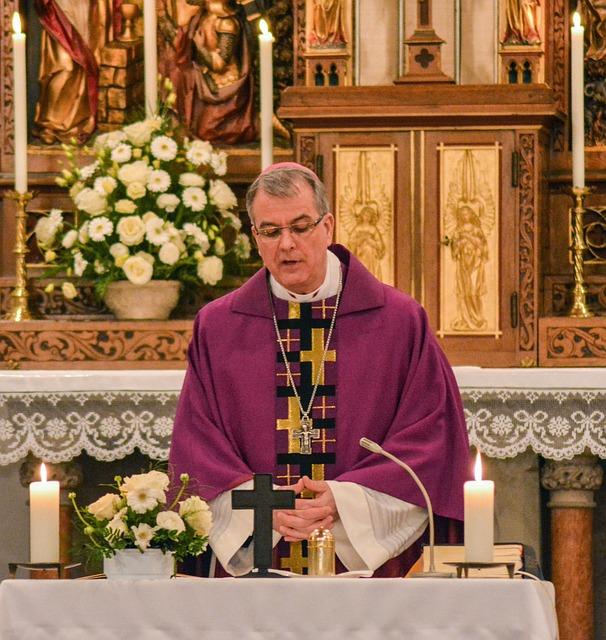
Contents
- Overview of Deacon’s Role in the Traditional Latin Mass
- Canonical Requirements for a Deacon to Preach in the Traditional Latin Mass
- The Historical Context of Deacons in the Liturgy
- Challenges Faced by Deacons Wanting to Preach in the Traditional Latin Mass
- The Importance of Proper Training and Preparation for Deacons in the Traditional Latin Mass
- Potential Benefits of Allowing Deacons to Preach in the Traditional Latin Mass
- Perspectives from Experts and Leaders in the Catholic Church
- Considerations for Deacons Seeking Permission to Preach in the Traditional Latin Mass
- Recommendations for Deacons on Balancing Their Ecclesiastical Roles in the Traditional Latin Mass
- The Way Forward
Overview of Deacon’s Role in the Traditional Latin Mass
In the Traditional Latin Mass, the role of the deacon is an essential and sacred one. While the deacon does not have the authority to celebrate Mass or consecrate the Eucharist, they play a crucial part in assisting the priest during the liturgy. Some key responsibilities of the deacon during the Traditional Latin Mass include:
- Assisting the priest with the preparation of the altar
- Proclaiming the Gospel during the liturgy
- Assisting with the distribution of Holy Communion
- Helping to purify the sacred vessels after Communion
While the deacon may not preach during the Traditional Latin Mass, their presence and assistance are integral to the smooth running of the liturgy. By faithfully carrying out their duties, deacons help to enhance the reverence and solemnity of the Mass, allowing the faithful to more fully participate in the mystery of the Eucharist.
Canonical Requirements for a Deacon to Preach in the Traditional Latin Mass
In the Roman Catholic Church, the role of a deacon is crucial in the liturgical celebration of the Traditional Latin Mass. However, there are specific canonical requirements that a deacon must meet in order to be allowed to preach during this ancient form of the Mass.
According to Canon Law, a deacon must be properly formed and approved by the local Ordinary or Bishop to preach in the Traditional Latin Mass. This approval is typically granted after the deacon has completed the necessary studies in theology and liturgy, demonstrating a deep understanding of the traditions and rubrics of the Latin Mass.
Moreover, a deacon must also have a strong command of Latin, as the Traditional Latin Mass is celebrated in the ancient language of the Church. This proficiency in Latin is essential for the deacon to effectively communicate the Gospel message and provide spiritual guidance to the faithful in attendance.
Overall, the role of a deacon in preaching during the Traditional Latin Mass is a sacred and privileged responsibility that requires adherence to canonical requirements and a dedication to upholding the beauty and reverence of this ancient form of worship.
The Historical Context of Deacons in the Liturgy
In the historical context of the liturgy, deacons have played a crucial role in assisting priests during Mass. Traditionally, deacons were responsible for tasks such as proclaiming the Gospel, assisting in the administration of the Eucharist, and serving as a link between the clergy and the laity. This important ecclesiastical role dates back to the early days of Christianity and has evolved over time.
One question that often arises in discussions about deacons in the liturgy is whether a deacon may preach during a Traditional Latin Mass. While the role of the deacon in the Latin Mass is primarily focused on assisting the priest and serving at the altar, there are instances where a deacon may be permitted to preach. It is important to consider the specific guidelines and regulations set forth by the Church when determining the extent of a deacon’s involvement in the Traditional Latin Mass.
Understanding is essential for gaining insight into their ecclesiastical roles and responsibilities. By exploring the traditions and practices surrounding deacons in the Church, we can better appreciate the significance of their role in the liturgical celebration. Whether assisting at the altar or delivering a sermon, deacons continue to play a vital role in the worship and spiritual life of the Church.

Challenges Faced by Deacons Wanting to Preach in the Traditional Latin Mass
One of the is the need to adhere to the rubrics and norms established for this form of the liturgy. While deacons are permitted to preach during the Traditional Latin Mass, they must do so in a manner that respects the solemnity and reverence of the ancient rite.
Another challenge is the language barrier, as the Traditional Latin Mass is celebrated in Latin. Deacons who are not well-versed in Latin may find it challenging to effectively communicate their message to the congregation. This highlights the importance of proper preparation and study for deacons wishing to preach in this form of the Mass.
Furthermore, deacons may face resistance or skepticism from parishioners who are more accustomed to the Novus Ordo Mass. Some may question the relevance of preaching in Latin or the need to incorporate traditional elements into the liturgy. Deacons must be prepared to address these concerns with humility and patience, while also standing firm in their conviction to uphold the traditions of the Church.
In conclusion, while there are challenges for deacons wanting to preach in the Traditional Latin Mass, with dedication, study, and a deep understanding of the liturgical norms, deacons can effectively fulfill this important role in the ancient rite. By embracing the richness of tradition and the beauty of the Latin language, deacons can help deepen the spiritual experience of the faithful and contribute to the continuity of the Church’s timeless heritage.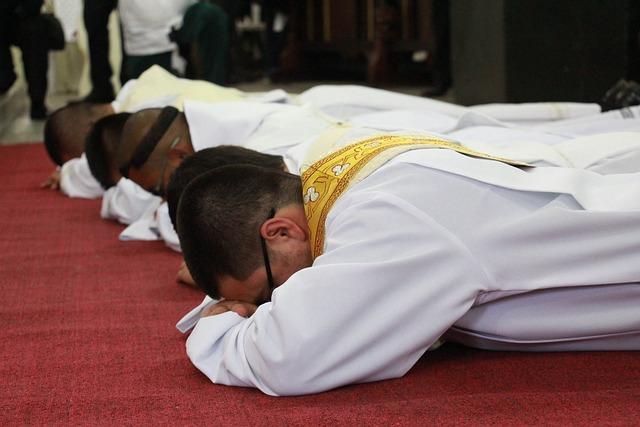
The Importance of Proper Training and Preparation for Deacons in the Traditional Latin Mass
Proper training and preparation for deacons in the Traditional Latin Mass is crucial in ensuring the seamless execution of their ecclesiastical roles. Deacons play an integral part in the celebration of the Mass, assisting the priest and serving the needs of the congregation. It is essential for deacons to be well-versed in the rubrics and rituals of the Traditional Latin Mass to fulfill their duties with reverence and precision.
Training for deacons in the Traditional Latin Mass should cover a variety of important aspects, including:
- Understanding the structure and flow of the Latin Mass
- Learning the proper gestures and movements during the Mass
- Mastering the Latin language for prayers and responses
- Understanding the symbolism and theology behind the Traditional Latin Mass
Preparation is also key for deacons to confidently carry out their responsibilities during the Mass. This includes practicing their roles, familiarizing themselves with the liturgical texts, and honing their skills in serving at the altar. With proper training and preparation, deacons can contribute to the solemnity and beauty of the Traditional Latin Mass, enriching the spiritual experience of the faithful.
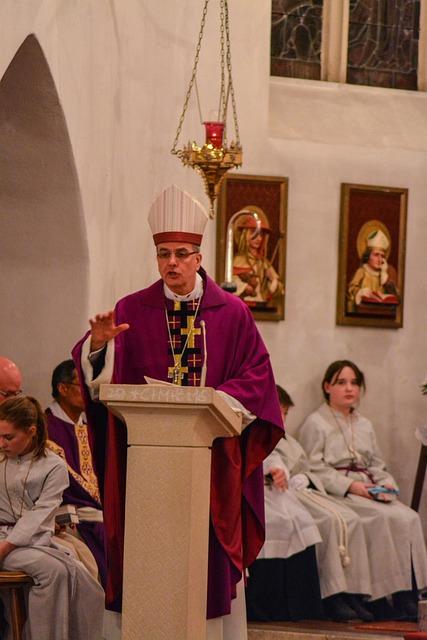
Potential Benefits of Allowing Deacons to Preach in the Traditional Latin Mass
Allowing deacons to preach in the Traditional Latin Mass can bring about several potential benefits to the worship experience:
- Enriched spiritual insights: Deacons, as ordained ministers, can offer unique perspectives and spiritual insights during the homily, providing the congregation with a deeper understanding of the Scriptures and the teachings of the Church.
- Expanded ministry opportunities: Allowing deacons to preach can enhance their role within the church community, providing them with more opportunities to exercise their ministry and serve the faithful.
- Cultural diversity: Deacons from different backgrounds and cultures can bring a diversity of experiences and perspectives to the preaching ministry, enriching the worship experience for the congregation.
Ultimately, allowing deacons to preach in the Traditional Latin Mass can contribute to a more vibrant and dynamic worship environment, fostering a deeper spiritual growth for all those who participate in the liturgy.

Perspectives from Experts and Leaders in the Catholic Church
There has been ongoing debate within the Catholic Church regarding the roles and responsibilities of deacons, particularly in relation to the celebration of the Traditional Latin Mass. While the Second Vatican Council allowed for the restoration of the use of the vernacular in the liturgy, there are differing opinions on whether deacons may still preach in Latin.
Some experts argue that the use of Latin in the Traditional Latin Mass is integral to preserving the rich tradition and heritage of the Catholic Church. They believe that deacons should be allowed to preach in Latin in order to maintain the solemnity and reverence of the Mass.
On the other hand, some leaders in the Church believe that the use of the vernacular is more accessible to the faithful and promotes greater understanding of the teachings of the Church. They argue that deacons should preach in the language that is most widely understood by the congregation.
In conclusion, while there are valid arguments on both sides of the debate, the ultimate decision on whether a deacon may preach in Latin during the Traditional Latin Mass may vary depending on the specific circumstances and guidelines set forth by individual dioceses and bishops.

Considerations for Deacons Seeking Permission to Preach in the Traditional Latin Mass
When it comes to deacons seeking permission to preach in the Traditional Latin Mass, there are several important considerations to keep in mind. While deacons are an integral part of the Catholic Church and play a crucial role in the liturgy, there are specific guidelines that dictate their involvement in the Traditional Latin Mass.
One key consideration is the authority granted to deacons by the Church hierarchy. Deacons are ordained ministers who assist bishops and priests in various liturgical functions, including preaching. However, the decision to allow a deacon to preach in the Traditional Latin Mass ultimately rests with the local bishop or pastor.
Additionally, deacons seeking to preach in the Traditional Latin Mass should have a solid understanding of the Latin language and the traditional format of the Mass. This includes familiarity with the rubrics, prayers, and chants used in the Traditional Latin Mass, as well as a respectful attitude towards the rich history and traditions of this form of worship.
Ultimately, while deacons can play a valuable role in the Traditional Latin Mass, it is essential for them to approach this opportunity with reverence, humility, and a deep commitment to upholding the integrity of the liturgy. By adhering to the guidelines set forth by the Church and demonstrating a sincere devotion to the Traditional Latin Mass, deacons can contribute meaningfully to this sacred form of worship.
Recommendations for Deacons on Balancing Their Ecclesiastical Roles in the Traditional Latin Mass
Deacons play a crucial role in the celebration of the Traditional Latin Mass, assisting the priest and serving the faithful. However, it is important for deacons to balance their ecclesiastical roles effectively to ensure the smooth flow of the liturgy. Here are some recommendations for deacons on how to maintain this balance:
– **Focus on Service**: Remember that your primary role as a deacon is to serve the priest and the congregation. This means being attentive to their needs, whether it be assisting with the preparation of the altar or distributing Holy Communion.
– **Honing your Skills**: Take the time to perfect your skills in chanting, incensing, and other liturgical duties specific to the Traditional Latin Mass. This will not only enhance the beauty of the liturgy but also demonstrate your dedication to your role.
– **Learn the Rubrics**: Familiarize yourself with the rubrics of the Traditional Latin Mass to ensure that you are following the prescribed actions and gestures correctly. This will help you to avoid any disruptions during the liturgy and maintain a sense of reverence.
– **Collaborate with the Priest**: Work closely with the celebrating priest to coordinate your actions and ensure a seamless flow of the Mass. Communication is key in creating a harmonious worship experience for the faithful.
By following these recommendations, deacons can effectively balance their ecclesiastical roles in the Traditional Latin Mass and contribute to the solemnity and reverence of the liturgy.
The Way Forward
In conclusion, the question of whether a deacon may preach the Traditional Latin Mass is a complex issue that requires careful consideration of the Church’s teachings and guidelines. While the role of a deacon is primarily to assist in the liturgy and serve the community, there may be certain circumstances where a deacon could potentially preach during the Traditional Latin Mass. Ultimately, it is important to consult with ecclesiastical authorities and adhere to the teachings of the Church when navigating these roles. Thank you for reading and may you continue to deepen your understanding of the sacred traditions of the Catholic faith.
Get our latest guides, news, and insights highlighted in your Google Search & AI Overviews.


 PROSPERITY PRAYER