
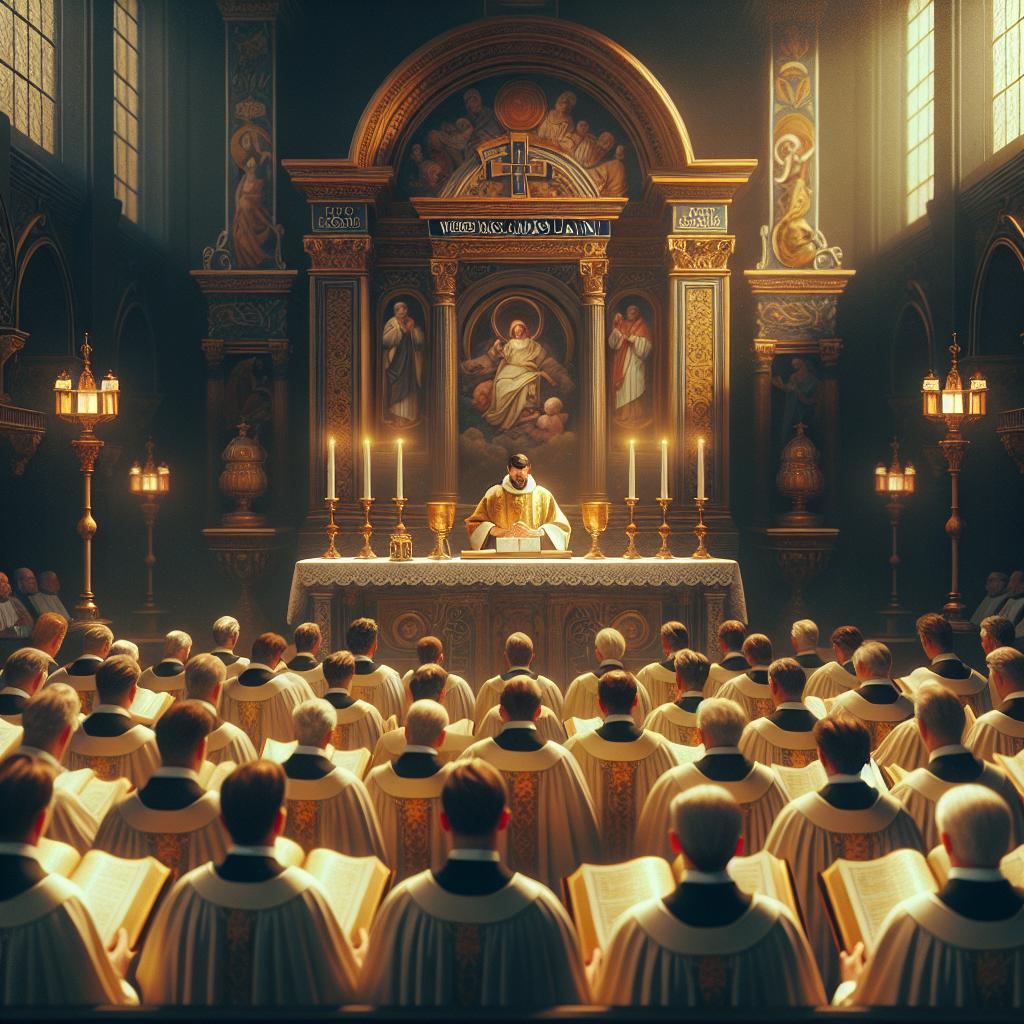
Were Masses Always in Latin? Historical Perspectives Explored
Have you ever wondered if traditional Masses were always conducted in Latin? Join us as we delve into historical perspectives to explore the evolution of the language used in the Mass. From ancient times to the modern era, gain insights into why Latin played such a prominent role in Catholic worship and how it has changed over time. Discover the fascinating history behind this longstanding tradition in the Catholic Church.
Contents
- Origins of Latin Mass in Early Christian Worship
- Development of Latin Mass in Medieval Europe
- Challenges to Latin Mass in the Reformation Era
- The Council of Trent and Standardization of Latin Mass
- Variations in Latin Mass Practices Across the Catholic World
- Modern Reforms and the Use of Vernacular Languages in Mass
- Contemporary Debates Surrounding the Use of Latin in Mass
- Impact of Latin Mass on Catholic Liturgical Tradition
- Recommendations for Preserving and Promoting Latin Mass Today
- Insights and Conclusions
Origins of Latin Mass in Early Christian Worship
Throughout the history of Christianity, the use of Latin in Mass has not always been a constant practice. The origins of Latin Mass can be traced back to the early days of Christian worship, where Latin was the common language spoken in the Roman Empire. As Christianity spread throughout the Roman world, the use of Latin in Mass became more prevalent.
While Latin Mass became the standard in the Roman Catholic Church by the Middle Ages, it was not always the case in the early Christian church. In fact, early Christian Masses were conducted in Greek, the lingua franca of the Eastern Mediterranean at that time. It was only after the Western Roman Empire fell and the Latin language remained dominant in the West that Latin Mass became more widespread.
Despite the shift towards Latin Mass, some Eastern Christian Churches continued to use Greek in their liturgy. This cultural and linguistic divide highlights the diverse practices within early Christian worship and the gradual spread of Latin Mass as a standardized form of worship in the Roman Catholic Church.

Development of Latin Mass in Medieval Europe
The Latin Mass, also known as the Tridentine Mass, has a long and complex history in medieval Europe. While Latin has been used in Christian worship since the early days of the Church, the specific form of the Mass we are familiar with today took shape gradually over the centuries.
During the Middle Ages, the Latin Mass became more standardized and regulated by the Church. This process was influenced by a number of factors, including theological developments, liturgical reforms, and the influence of monastic orders. By the time of the Council of Trent in the 16th century, the Latin Mass had been codified into a specific form that would be used for centuries to come.
One key aspect of the development of the Latin Mass was the use of Gregorian chant, which provided the musical framework for the liturgy. Chant was sung in Latin, reinforcing the importance of the language in the worship of the Church. This emphasis on Latin helped to create a sense of unity and universality among the faithful, even across different regions and cultures.
Overall, the development of the Latin Mass in medieval Europe reflects the broader trends of the time, including the centralization of power within the Church, the standardization of religious practices, and the promotion of unity among believers. While Masses were not always in Latin, the language eventually became a central part of Catholic worship, shaping the religious experience of countless generations of faithful.
Challenges to Latin Mass in the Reformation Era
In the Reformation era, the Latin Mass faced significant challenges as the Protestant Reformation led to a questioning of traditional practices within the Catholic Church. Latin had been the universal language of the Mass for centuries, serving as a unifying factor for believers regardless of their native tongue. However, as the reformers sought to make the Scriptures more accessible to the common people, the use of Latin in worship services became a point of contention.
One of the main criticisms of the Latin Mass during the Reformation era was that it created a barrier between the clergy and the laity. Many reformers believed that worship should be conducted in the vernacular language of the people so that everyone could fully understand and participate in the Mass. This shift away from Latin was seen as a way to democratize worship and empower the congregation to engage more deeply with their faith.
Interestingly, the debate over the use of Latin in the Mass also extended to issues of power and control within the Church hierarchy. Critics of the Latin Mass argued that the use of a language not understood by the majority of worshippers allowed the clergy to maintain a position of authority over the laity. By advocating for the use of the vernacular in worship, reformers sought to break down these barriers and promote greater transparency and accountability within the Church.
Despite the challenges faced by the Latin Mass in the Reformation era, the tradition persisted in many Catholic communities. Over time, the Church would make efforts to address some of the concerns raised by the reformers, such as allowing for the use of local languages in certain parts of the Mass. The debate over the language of worship would continue to evolve in the centuries that followed, reflecting the ongoing tensions between tradition and innovation in the Catholic Church.
The Council of Trent and Standardization of Latin Mass
The Council of Trent had a significant impact on the standardization of the Latin Mass in the Catholic Church. Prior to this, Masses were conducted in various languages depending on the region and custom. However, the Council of Trent, which took place between 1545 and 1563, sought to bring uniformity to the liturgy in order to combat the spread of Protestantism.
During the Council, it was decreed that the Mass must be celebrated in Latin, the traditional language of the Roman Catholic Church. This decision was made in part to ensure that the liturgy was accessible to all Catholics, regardless of their native language. Standardizing the use of Latin also served to reinforce the authority of the Church and promote unity among its members.
As a result of the Council of Trent, the Latin Mass became the norm throughout the Catholic Church. While there have been revisions to the liturgy over the centuries, the use of Latin remains an important tradition in many Catholic communities. The Council’s efforts to standardize the Latin Mass have had a lasting impact on the practice of worship within the Church.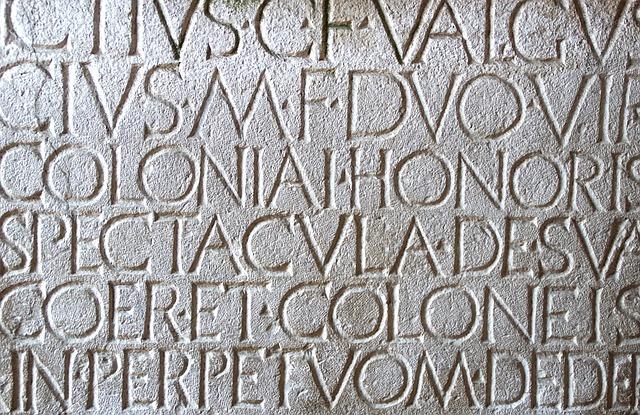
Variations in Latin Mass Practices Across the Catholic World
In exploring the , it is important to delve into the historical perspectives that have shaped these traditions. Contrary to popular belief, Masses were not always celebrated in Latin throughout the history of the Catholic Church. Over the centuries, the language of the Mass has evolved and been influenced by various factors.
One of the key turning points in the history of Latin Mass practices was the Council of Trent in the 16th century. This ecumenical council standardized the use of Latin in the Mass as a way to promote unity and clarity in worship. However, even before the Council of Trent, Latin was already widely used in liturgical settings as the language of scholarship and the Roman Empire.
Despite the universal use of Latin in the Mass for many centuries, there have been regional variations in Latin Mass practices across different parts of the Catholic world. These variations can be attributed to factors such as cultural influences, historical developments, and the implementation of Vatican II reforms in the 20th century.

Modern Reforms and the Use of Vernacular Languages in Mass
The use of Latin in Mass has been a long-standing tradition in the Catholic Church, with roots dating back to the early days of Christianity. Latin was chosen as the language of Mass due to its universality and timeless quality, making it understandable to all Catholics regardless of their native language. However, with the advent of modern reforms in the Church, there has been a shift towards the use of vernacular languages in Mass.
This change in the use of language in Mass can be attributed to the Second Vatican Council, which took place in the 1960s. The council emphasized the importance of making Mass more accessible to the faithful by allowing the use of vernacular languages. This decision was seen as a way to better engage and involve the congregation in the liturgy, as they could now fully understand the prayers and readings.
While Latin continues to hold a special place in the Church, the use of vernacular languages in Mass has brought about a sense of inclusivity and diversity. This shift has allowed for a more personal and meaningful experience for the faithful, as they can now participate more fully in the Mass by understanding the words being spoken and sung.
Overall, the use of vernacular languages in Mass has been a positive development in the Church, as it has helped to make the liturgy more accessible and engaging for all Catholics. While Latin may have been the traditional language of Mass, the incorporation of vernacular languages has brought about a modernization that reflects the changing times and the diverse nature of the Church.

Contemporary Debates Surrounding the Use of Latin in Mass
Latin has been traditionally used as the language of the Catholic Mass for centuries. However, there has been ongoing debate among scholars, clergy, and laypeople about its continued use in the modern era. Let’s delve into the historical perspectives surrounding this contentious issue.
One of the main arguments in favor of Latin in Mass is its historical significance. Latin has been the official language of the Roman Catholic Church since the early days of Christianity. It was standardized for liturgical use in the fourth century by St. Jerome, and has since been a unifying force for Catholics around the world.
On the other hand, opponents of Latin argue that using a language that is not understood by the majority of worshippers can create a barrier to full participation in the Mass. They argue for the use of vernacular languages to ensure that everyone present can fully engage with the prayers, readings, and hymns.
In conclusion, while the debate over the use of Latin in Mass continues, it is essential to consider both the historical significance and the practical implications of this tradition. Finding a balance between honoring the Church’s rich history and making the Mass accessible to all worshippers remains a crucial challenge for the modern Catholic Church.
Impact of Latin Mass on Catholic Liturgical Tradition
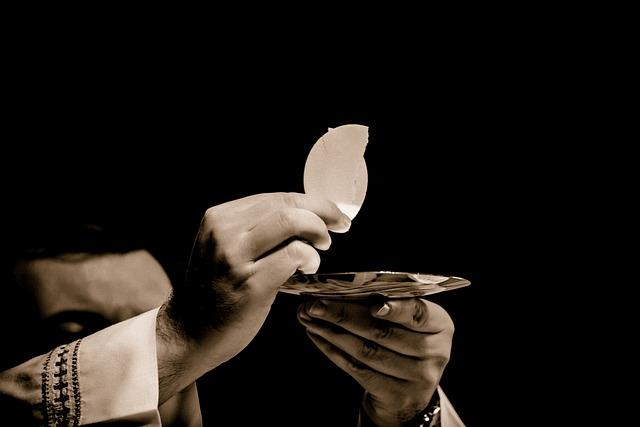
Latin Mass has had a profound impact on Catholic liturgical tradition throughout history. The use of Latin in the Mass dates back to the early days of the Church and has been a central part of Catholic worship for centuries. The tradition of celebrating Mass in Latin has shaped the way Catholics worship and has influenced the development of liturgical practices.
One of the key aspects of the Latin Mass is its universality. Latin was the language of the Roman Empire, and by using Latin in the Mass, the Church was able to communicate with people in different parts of the world. This helped to unify the Church and create a sense of common identity among Catholics, regardless of their native language.
Another important aspect of the Latin Mass is its sense of continuity with the past. Latin has been used in the Mass for so long that it has become deeply ingrained in Catholic tradition. The use of Latin helps to connect modern-day Catholics with the generations of believers who have come before them, creating a sense of continuity and tradition that is central to the Catholic faith.

Recommendations for Preserving and Promoting Latin Mass Today
To help preserve and promote Latin Mass in today’s world, it’s important to understand the historical context of Mass practices. Latin Mass has a long tradition in the Catholic Church, dating back to the Council of Trent in the 16th century. This rich history can inform our approach to preserving and promoting Latin Mass today. Here are some recommendations for keeping this tradition alive:
– Emphasize the beauty and reverence of Latin Mass to attract new followers who may be drawn to the more traditional elements of the service. Highlight the transcendent nature of the Latin language and its connection to centuries of prayer and worship.
– Provide education and resources for those interested in learning more about Latin Mass, including language classes, online tutorials, and study groups. Encouraging a deeper understanding of the prayers and texts used in Latin Mass can enhance the worship experience for participants.
– Foster a sense of community among Latin Mass attendees by organizing social events, workshops, and retreats centered around the traditional liturgy. Building a strong network of supporters can help ensure the continued growth and sustainability of Latin Mass communities.
By embracing the historical significance of Latin Mass and implementing these recommendations, we can work towards preserving and promoting this cherished tradition for generations to come. Let us honor the legacy of our faith and celebrate the richness of Latin Mass in the modern world.
Insights and Conclusions
In conclusion, the use of Latin in the Mass has a long and varied history, reflecting the evolving nature of worship practices throughout the centuries. While Latin was the predominant language of the Mass for many years, the shift towards vernacular languages in the 20th century marked a significant turning point in the history of liturgical language. By exploring these historical perspectives, we gain a greater understanding of the role that language has played in shaping the Catholic Church’s worship tradition. Thank you for joining us on this journey through the fascinating world of liturgical history.


 ELITE NEUROSCIENCE DISCOVERY