

Reflective Observations: A Pious Reflection on the Latin Mass
In an era marked by constant change and hurried lifestyles, finding solace in tradition can be a profound experience. One such tradition that holds a special place in the hearts of many faithful is the Latin Mass. Steeped in rich history and revered for its timeless allure, this ancient form of worship continues to captivate and uplift the souls of believers around the world. In this article, we embark on a pious reflection on the Latin Mass, delving into its profound significance, unique rituals, and the power it holds to connect us to a deeper sense of spirituality. Join us as we explore this sacred journey, immersing ourselves in the reflective observations that make the Latin Mass an enduring symbol of reverence and devotion.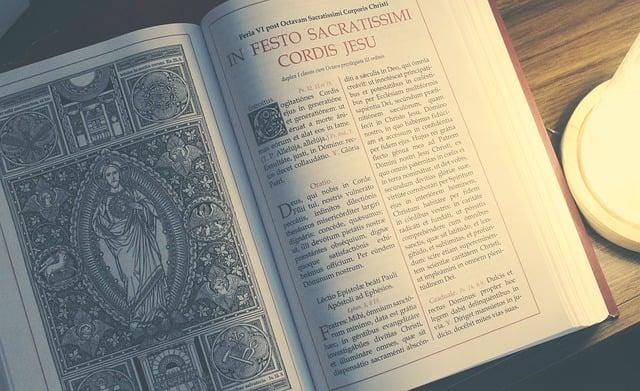
Contents
- Reflecting on the Significance of the Latin Mass in the Catholic Tradition
- Unveiling the Historical Roots and Development of the Latin Mass
- Examining the Liturgical Elements of the Latin Mass: Silence and Sacredness
- Unearthing the Profound Spiritual Experience of the Latin Mass
- Exploring the Theological Implications and Symbolism of the Latin Mass
- Understanding the Contemporary Relevance of the Latin Mass in a Modern Society
- Highlighting the Benefits and Drawbacks of Attending the Latin Mass
- The Benefits
- The Drawbacks
- Offering Practical Suggestions for a Meaningful Participation in the Latin Mass
- Tips for a Meaningful Participation in the Latin Mass
- Addressing Common Misconceptions Surrounding the Latin Mass
- Common Misconceptions
- Encouraging a Deeper Appreciation and Reverence for the Latin Mass
- Concluding Remarks
Reflecting on the Significance of the Latin Mass in the Catholic Tradition
In today’s post, we take a deep dive into the significance of the Latin Mass in the rich Catholic tradition. The Latin Mass, also known as the Tridentine Mass or Traditional Latin Mass, holds a special place for many Catholics around the world. It is a liturgical form that has been celebrated for centuries and its impact on the faithful is undeniable.
One cannot help but be captivated by the beauty and solemnity of the Latin Mass. The use of Latin, the ancient language of the Church, carries with it a sense of timelessness and universality. It reminds us that the Catholic faith transcends cultural and linguistic boundaries, connecting us to the countless generations that have come before us.
Moreover, the Latin Mass is steeped in tradition and reverence. The carefully choreographed movements and gestures of the priest and the use of incense, candles, and sacred music create a sacred atmosphere that invites the faithful to enter into a deeper level of prayer and contemplation.
The Latin Mass also serves as a tangible link to the early centuries of Christianity. The prayers, chants, and rituals have been passed down through the ages, connecting us to our apostolic roots. It reminds us that we are not alone in our faith journey, but rather part of a larger communion of believers spanning centuries.
While the Latin Mass may not be as prevalent as it once was, its significance and value in the Catholic tradition cannot be understated. It continues to be celebrated by a dedicated community of faithful who appreciate its beauty, reverence, and profound connection to the ancient roots of our faith.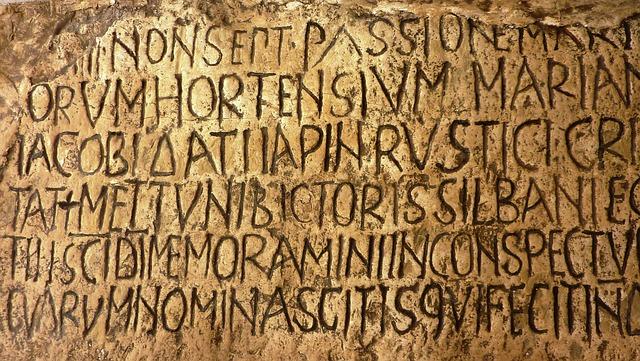
Unveiling the Historical Roots and Development of the Latin Mass
Throughout history, the Latin Mass has stood as a symbol of tradition and reverence within the Catholic Church. Its origins can be traced back to the early centuries of Christianity, when Latin was the universal language of the Church, allowing believers from diverse regions to worship together in a common tongue.
One of the key milestones in the development of the Latin Mass was the Council of Trent in the 16th century. As part of the Counter-Reformation, the Council sought to address the concerns raised by the Protestant Reformation and reaffirm the core tenets of Catholicism. As a result, the Council standardized the Latin Mass, known as the Tridentine Mass, as the official liturgy of the Church.
Over the centuries, the Latin Mass underwent further refinements and adaptations, culminating in the promulgation of the Roman Missal by Pope Pius V in 1570. This Missal became the definitive text for celebrating the Latin Mass, preserving its sacred rituals, chants, and prayers.
Despite undergoing minor revisions in later years, the Latin Mass remained the dominant form of worship until the Second Vatican Council in the 1960s. During this Council, the Church embraced various liturgical reforms, allowing for the celebration of Mass in vernacular languages. While this move aimed to make the liturgy more accessible to the faithful, it also led to a decrease in the regular use of the Latin Mass.
Today, the Latin Mass continues to have a devoted following among Catholics who value its rich historical heritage and its timeless connection to the early days of Christianity. These worshippers find solace in the beauty and solemnity of the Latin language, the sacred chants, and the distinct rituals that have been handed down through generations.
To truly understand and appreciate the Latin Mass, one must delve into its historical roots, appreciating its development through the centuries and its deep connection to the universal Church. It is through this pious reflection that we can come to embrace the beauty and significance of this ancient form of worship.

Examining the Liturgical Elements of the Latin Mass: Silence and Sacredness
In this reflective post, we delve into the liturgical elements of the Latin Mass, focusing specifically on the profound concepts of silence and sacredness. The Latin Mass, also known as the Tridentine Mass, is celebrated in the Roman Catholic Church and often admired for its traditional and reverential nature.
One of the most striking aspects of the Latin Mass is the immense emphasis placed on silence. Throughout the entirety of the Mass, there are various moments of profound stillness, creating a serene and contemplative atmosphere. This intentional use of silence allows for personal reflection and a deeper connection with the sacred mysteries being celebrated.
Another hallmark of the Latin Mass is its undeniable sense of sacredness. Every prayer, gesture, and movement is executed with utmost reverence, highlighting the belief that the Mass is a sacred and holy event. The use of Latin, the sacred language of the Church, further enhances this sense of sacredness by fostering a timeless connection to the liturgical traditions of the past.
When examining the liturgical elements of the Latin Mass, silence and sacredness are inseparable. The intentional embrace of silence allows for a heightened awareness of the sacredness of the Mass, inviting worshippers to encounter the divine in a profound and transformative way. Through the power of silence and the preservation of sacredness, the Latin Mass offers a unique and enriching spiritual experience for believers.
Unearthing the Profound Spiritual Experience of the Latin Mass
The Latin Mass, also known as the Tridentine Mass, is a profound and captivating spiritual experience that has a rich history dating back centuries. Attending a Latin Mass can transport one’s soul to a place of deep reverence and contemplation. This ancient form of worship, rooted in tradition and sacredness, holds a unique allure for the faithful who seek a more profound connection with God.
During the Latin Mass, one can’t help but be struck by the solemnity and beauty that pervade the entire liturgy. The use of Latin, a language that is unknown to most, adds a sense of mystery and transcendence to the experience. The prayers, the hymns, and the rituals all come together to create a spiritually immersive environment that can touch the hearts of those in attendance.
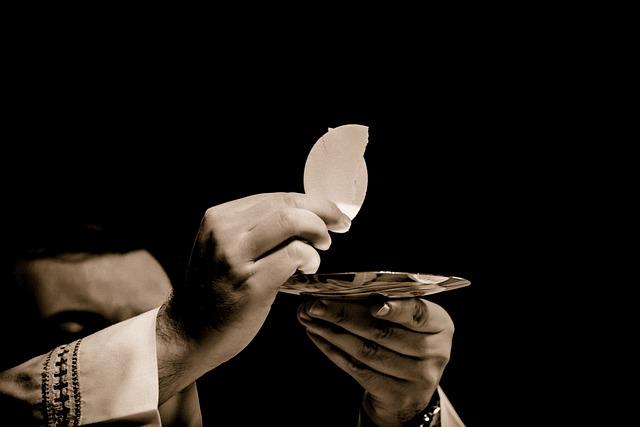
One of the most remarkable aspects of the Latin Mass is the focus it places on the Eucharist. The reverence with which the priest and the faithful approach the altar is awe-inspiring. Every gesture, every movement is deliberate and purposeful, emphasizing the sacredness of the act of receiving communion. This profound reverence for the Eucharist serves as a reminder of the immense gift and sacrifice that Jesus made for humanity.
Moreover, the Latin Mass allows for a deeper sense of personal reflection and prayer. The absence of distractions, such as vernacular language or modern music, enables one to direct their attention solely towards the presence of God. The slower pace of the liturgy invites the faithful to meditate on the profound mysteries of the faith, fostering a more intimate and personal encounter with Christ.
In conclusion, the Latin Mass offers a unique and profound spiritual experience that is deeply rooted in tradition and faith. Its immersive and reflective nature allows believers to delve into the depths of their souls, fostering a stronger connection with God. Whether one is a regular attendee or encountering this form of worship for the first time, the Latin Mass has the power to awaken a sense of awe and reverence for the mysteries of the faith.
Exploring the Theological Implications and Symbolism of the Latin Mass
The Latin Mass, or Tridentine Mass, holds a rich history and profound theological implications that have captivated the faithful for centuries. In this reflective piece, we delve into the depths of this ancient liturgical celebration, exploring the theological symbolism that permeates every aspect of the Latin Mass.
1. Language as a Sacred Veil: The most striking characteristic of the Latin Mass is, undoubtedly, the exclusive use of the Latin language. By preserving this ancient tongue, the Mass becomes a sacred and universal language that links the faithful across time and space. Latin serves as a powerful reminder of the continuity and universality of the Catholic Church, connecting us to the legacy of our forefathers in faith.
2. Sacred Silence and Contemplative Worship: The Latin Mass is marked by moments of profound silence, inviting contemplation and reflection. These periods of sacred silence provide an opportunity for personal encounter with the divine, allowing space for prayerful introspection and listening. The silent moments during the Mass open a window to the mystical and invite worshipers to participate actively in the liturgy through the contemplation of Christ’s sacrifice.
3. The Beauty of Ritual and Sacred Gestures: The Latin Mass is renowned for its rich ritualism and sacred gestures, which add a layer of visual and sensory symbolism to the liturgical experience. From the priest’s precise movements to the elevation of the Eucharist, each gesture carries deep theological meaning. These actions serve as a visual display of our reverence for God, reminding us of the transcendence and holiness of the Mass.
4. Awe-Inspiring Sacred Music: The Latin Mass is inseparable from its majestic sacred music, such as Gregorian chants and polyphonic motets. These centuries-old musical compositions elevate our spirits, guiding us into a state of worship and contemplation. The transcendent melodies and harmonies infuse the Mass with a sense of the divine, reinforcing the reverence and awe we feel in the presence of God.
In conclusion, the Latin Mass is a treasure trove of theological implications and symbolism. It transports us beyond the confines of time and space, facilitating a deep connection with the ancient traditions of our faith. Through its sacred language, moments of silence, ritual gestures, and sublime music, the Latin Mass invites us to immerse ourselves in a profound encounter with the divine.
Understanding the Contemporary Relevance of the Latin Mass in a Modern Society
The Latin Mass, also known as the Tridentine Mass, holds a significant place in Catholic history and tradition. Although it has been largely replaced by vernacular languages in modern liturgical practices, understanding its contemporary relevance can provide valuable insights into the faith and spirituality of both the past and present.
One reason why the Latin Mass remains relevant today is its timeless and universal nature. By using Latin, a language unchanged for centuries, the Mass connects modern believers to the rich heritage of their ancestors who worshipped in the same manner. This sense of continuity fosters a deep appreciation for Catholic traditions and underscores the unchanging teachings of the Church.
Additionally, the Latin Mass offers a unique spiritual experience that can be seen as a welcome retreat from the fast-paced, secular world. Its solemnity, the beauty of Gregorian chants, and the awe-inspiring rituals create a profound atmosphere of reverence and transcendence. As worshippers, we are invited to immerse ourselves in the mysteries of the Mass and contemplate the divine presence in our lives.
Moreover, the Latin Mass encourages active participation in a different way. In this liturgy, the focus shifts from a more participatory role of the congregation to a profound contemplation and adoration of Christ. The use of Latin, its symbolism, and the priest facing the altar highlight the sacrificial nature of the Mass, while allowing the faithful to enter into a deeper personal union with Christ through prayer, meditation, and reflection.
Highlighting the Benefits and Drawbacks of Attending the Latin Mass
The Benefits
Attending the Latin Mass can be a transformative experience for many devout worshippers. Here are some of the highlights:
- Sense of Tradition: The Latin Mass is deeply rooted in centuries-old traditions, offering a sense of continuity and connection to the early Christian Church. Its solemnity and reverence can create a profound atmosphere for spiritual contemplation and devotion.
- Meditative Nature: The use of Latin in the Mass, a language unfamiliar to most, fosters a meditative environment where individuals can reflect more deeply on the sacred mysteries unfolding before them. The deliberate pace and structured rituals provide a unique opportunity for personal introspection and contemplation.
- Aesthetic Beauty: The Latin Mass often incorporates elaborate vestments, intricate chants, and sacred music, which can be incredibly moving and visually stunning. The grandeur of the liturgical setting, with its ornate altars and beautiful artwork, can elevate the worshipper’s experience, enhancing their connection with the divine.
The Drawbacks
While the Latin Mass appeals to many, it also presents some potential challenges that individuals should consider:
- Language Barrier: The use of Latin throughout the Mass may be unfamiliar to those who do not speak the language, making it harder to fully grasp the meaning behind the prayers and readings without the aid of translations or personal study.
- Limited Participation: In the Latin Mass, the focus is primarily on the priest and his actions, with minimal congregational responses. This style of worship may not provide the same level of active participation or community engagement that some individuals seek in a religious service.
- Lack of Understanding: The intricacies of the Latin Mass liturgy, filled with symbolic gestures and rituals, may feel inaccessible or confusing to newcomers. Without proper guidance or prior knowledge, it can be challenging to fully appreciate and engage with the various elements of the Mass.
Offering Practical Suggestions for a Meaningful Participation in the Latin Mass
Tips for a Meaningful Participation in the Latin Mass
Attending a Latin Mass can be a truly enriching and spiritual experience. The traditional beauty and solemnity of the Latin Mass, often referred to as the Extraordinary Form, offers a unique opportunity for worshippers to connect deeply with their faith. To help you make the most of your participation, here are some practical suggestions:
Prepare Your Mind and Heart
Prior to attending the Latin Mass, take a few moments for quiet reflection and prayer. Being mentally and spiritually prepared helps you engage more fully in the liturgy. Focus on the sacrificial nature of the Mass and the reverence it commands, setting aside worldly distractions.
Follow Along with a Missal
Latin Masses are usually celebrated in Latin and may include ancient chants and prayers. Having a missal, a book containing the text and translations of the Mass, can be invaluable. It allows you to follow along, understand the prayers, and actively participate in the responses, fostering a more profound connection with the Mass.
Witness the Beauty and Symbolism
One of the hallmarks of the Latin Mass is its rich symbolism and ceremonial gestures. Take the time to observe and appreciate the sacred actions performed by the priest, the use of incense, candles, and the extraordinary vestments. Allow yourself to be drawn into the beauty and transcendence of these sacred rituals, which aid in elevating your soul to God.
Posture and Gestures
During the Latin Mass, there are various postures and gestures that signify worship and respect. Familiarize yourself with these practices, such as kneeling, standing, and making the sign of the cross. By participating in these liturgical actions with reverence and grace, you actively engage in the profound mysteries unfolding before you.
Sample Guide to Latin Mass Postures:
| Posture/Gesture | Explanation |
|---|---|
| Kneeling | Expresses adoration and humility before God. |
| Standing | Represents attentiveness and readiness to receive God’s Word. |
| Making the Sign of the Cross | Invokes the Holy Trinity and signifies our faith in Christ’s redemptive sacrifice. |
| Bowing | Expresses reverence and submission to God. |
By immersing yourself in the solemnity and timeless traditions of the Latin Mass, you can embark on a profound spiritual journey. Remember, the goal is not simply to attend, but to actively participate and allow the beauty of the liturgy to nourish and transform your soul.

Addressing Common Misconceptions Surrounding the Latin Mass
Common Misconceptions
As with any topic of deep significance, the Latin Mass has been subject to its fair share of misconceptions over the years. It is important to address and dispel these misconceptions in order to fully understand the beauty and richness of this sacred liturgy. Let us examine some persistent misunderstandings:
- The Latin Mass is outdated: One common misconception is that the Latin Mass is archaic and no longer relevant in our modern times. However, it is essential to recognize that the Latin Mass is not simply a relic of the past, but a living tradition that continues to resonate with many faithful today. This ancient form of worship connects us with centuries of Catholic tradition and allows us to experience the depth and solemnity of the liturgy in a unique way.
- The Latin Mass is exclusive: Another misconception is that the Latin Mass is reserved for a select group of individuals or is only accessible to those who are well-versed in Latin. On the contrary, the Latin Mass is open to all and invites every person to participate in the worship of the Church. While the use of Latin may require some effort to understand, the prayers, gestures, and rituals of the Latin Mass can be followed with the aid of various resources available to the faithful.
- The Latin Mass lacks community: Some may believe that the Latin Mass is detached and lacks the sense of community found in modern liturgical celebrations. However, the Latin Mass provides a unique opportunity for communal worship, fostering a shared devotion and unity among the faithful. It encourages deep reflection and personal prayer, allowing individuals to connect with God and one another in a profound way.
By addressing these common misconceptions surrounding the Latin Mass, we can gain a clearer understanding of its true nature and purpose. It is through this understanding that we can fully appreciate the timeless beauty and spiritual depth that the Latin Mass offers to the faithful.
Encouraging a Deeper Appreciation and Reverence for the Latin Mass
In today’s fast-paced world, it is easy to get caught up in the hustle and bustle of everyday life. However, it is crucial to take a step back and find moments of reflection and tranquility. The Latin Mass, with its rich history and deep reverence, offers a unique opportunity to connect with the divine and foster a deeper appreciation for the spiritual aspects of worship.
One of the most striking elements of the Latin Mass is its timeless beauty. From the ornate architecture of the churches to the Gregorian chants that fill the air, every aspect of this ancient form of worship is meant to inspire and uplift the faithful. The Latin language itself carries a certain gravitas, reminding us of the Church’s long-standing traditions and the unchanging nature of God.
Attending the Latin Mass can also be a transformative experience for those seeking a deeper connection to the mysteries of the faith. The reverent gestures, such as the sign of the cross and genuflecting, serve as physical manifestations of the sincere devotion that the faithful bring to the Mass. These actions not only engage our senses but also create a sense of unity with the countless believers who have come before us.
Furthermore, the Latin Mass provides an opportunity for us to focus our minds and hearts solely on the worship of God. With the absence of distractions such as modern music or casual language, we are able to enter into a more contemplative state, allowing the sacred mysteries to penetrate our souls more deeply. This deliberate separation from the outside world invites us to truly encounter God in a profound way.
| Latin Mass | Modern Mass |
| Traditional language | Contemporary language |
| Rich symbolism and rituals | Simpler rituals |
| Deep reverence and awe | Casual and less formal |
In conclusion, the Latin Mass offers a sanctuary of profound spirituality and reverence in a world often consumed by noise and distraction. By attending this ancient form of worship, we can tap into the rich traditions of the Church and cultivate a deeper appreciation for the sacred. Let us embrace the opportunity to reflect, connect, and grow in our faith as we experience the Latin Mass.
Concluding Remarks
In conclusion, the Latin Mass holds a special place within the hearts of countless faithful individuals who derive immense spiritual fulfillment from its timeless rituals and profound symbolism. Throughout this article, we have explored the reflective observations surrounding this sacred tradition, seeking to understand its significance in the modern world. While the Latin Mass may not be widely practiced today, it continues to capture the imagination of those who yearn for a deeper connection with their faith.
The rich history and authenticity associated with the Latin Mass offer a unique lens through which we can experience the divine. Its solemnity and reverent pace invite introspection and foster a sense of awe that is often missing from contemporary services. The Latin language itself carries a mystique, allowing participants to transcend the confines of ordinary communication and tap into a sacred dialogue with God.
As we reflect on the Latin Mass, it is important to acknowledge that personal faith journeys vary greatly, and what resonates deeply with one individual may not have the same effect on another. However, through exploring this pious tradition, we gain a broader understanding of the diverse ways in which people seek and experience spirituality.
Whether you find comfort in the familiarity of the Latin Mass or are simply curious about its allure, the beauty of religious practice lies in its ability to inspire and uplift individuals. By delving into reflective observations and examining our own spiritual preferences, we can foster a more profound connection with our faith and a deeper understanding of ourselves.
While the Latin Mass may not be the path for everyone, its enduring presence throughout centuries reminds us of the power of ritual and tradition in guiding our spiritual lives. By honoring the past and embracing the present, we open ourselves to a richer, more meaningful experience of worship.
In the end, the Latin Mass stands as a testament to the enduring power and universality of religious practice. Through our reflective observations, we have not only gained insight into its significance but also deepened our appreciation for the diverse ways in which people seek connection with the divine. So, whether you find solace in the echo of ancient words spoken during a Latin Mass or in the vibrant energy of a modern service, may you continue to explore, understand, and embrace the beauty of your own spiritual journey.


 URGENT: PAGE CLOSING SOON!