

How to Get a Latin Mass Locally? Ecclesiastical Practices Explored
Are you interested in experiencing the beauty and tradition of a Latin Mass in your local area? Look no further! In this article, we will explore the ecclesiastical practices and resources available to help you find a Latin Mass near you. Whether you are a seasoned attendee or a newcomer to this rich liturgical tradition, we have the information you need to start your journey. Let’s delve into the world of Latin Masses and discover how you can participate in this ancient form of worship.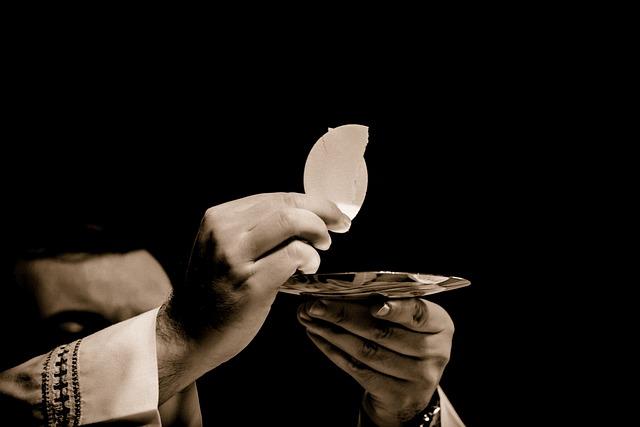
Contents
- Overview of the Latin Mass
- Benefits of Attending a Latin Mass
- Finding a Latin Mass in Your Area
- Contacting Local Churches and Parishes
- Attending a Latin Mass for the First Time
- Etiquette and Dress Code for a Latin Mass
- Building a Community of Latin Mass Attendees
- Exploring the Rich History of the Latin Mass
- Challenges and Controversies Surrounding the Latin Mass
- Wrapping Up
Overview of the Latin Mass
The Latin Mass, also known as the Extraordinary Form of the Roman Rite, is a cherished tradition in the Catholic Church that dates back centuries. Its rich history and solemn beauty have attracted a dedicated following of worshippers seeking a deeper connection to their faith. If you’re interested in attending a Latin Mass locally, there are a few key steps you can take to find a parish that offers this unique form of worship.
One way to locate a Latin Mass in your area is to consult with your diocesan office or parish priest. They can provide information on churches that celebrate the Extraordinary Form and help guide you towards a suitable option. Additionally, online resources such as the Latin Mass Directory or local Catholic forums can also be valuable tools in your search.
When attending a Latin Mass for the first time, it’s important to familiarize yourself with the ecclesiastical practices specific to this form of worship. From the use of Latin prayers to the intricate rituals performed by the priest, there are distinct elements that set the Latin Mass apart from the Novus Ordo. Taking the time to learn about these traditions can enhance your experience and deepen your understanding of the Mass.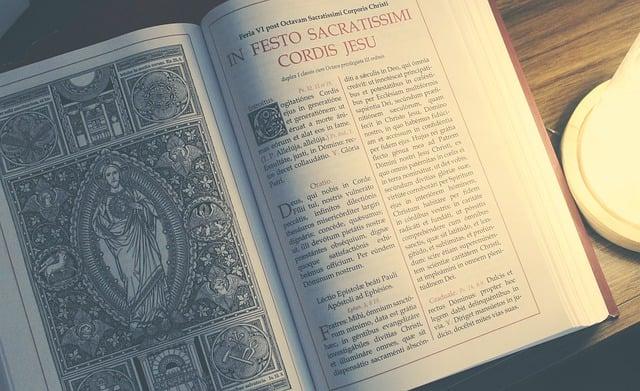
Benefits of Attending a Latin Mass
Are you interested in attending a Latin Mass? There are many benefits to experiencing this traditional form of worship that has been a cornerstone of the Catholic Church for centuries. Here are a few reasons why you should consider attending a Latin Mass:
- Sense of Tradition: Latin Masses have been celebrated for over a millennium, connecting worshippers to the long history of the Church.
- Reverence and Solemnity: The Latin Mass is known for its reverence and solemnity, creating a sense of awe and reverence for the Eucharist.
- Universal Language: Latin is a universal language of the Church, allowing worshippers from different cultures and backgrounds to come together in prayer.
So how can you find a Latin Mass in your local area? Many parishes offer Latin Masses at various times, so be sure to check your church bulletin or contact your local diocese for more information. You can also search online for Latin Mass communities or organizations that may be hosting events in your area. Attending a Latin Mass can be a transformative experience that deepens your faith and connects you to the rich traditions of the Catholic Church.
Finding a Latin Mass in Your Area
Looking to attend a Latin Mass in your area? Whether you’re a devout Catholic or simply curious about traditional ecclesiastical practices, finding a Latin Mass locally can be a rewarding experience. Here are some tips to help you locate a Latin Mass near you:
- Check with your local diocese: Start by contacting your diocesan office or visiting their website. They often have information on parishes that offer Latin Mass.
- Use online resources: Websites like LatinMassDir.org or UnaVoce.org provide directories of parishes that celebrate the Latin Mass. You can also check social media groups dedicated to traditional Catholic liturgy.
- Reach out to traditional Catholic communities: Traditionalist orders like the Priestly Fraternity of St. Peter (FSSP) or the Institute of Christ the King Sovereign Priest often celebrate the Latin Mass. Contact them to inquire about Mass schedules.
Attending a Latin Mass can be a beautiful and spiritually enriching experience. Whether you’re a seasoned attendee or a first-time visitor, you’re sure to find solace and reverence in the timeless traditions of the Latin Mass.

Contacting Local Churches and Parishes
When looking to attend a Latin Mass locally, it’s important to reach out to nearby churches and parishes. Many traditional Catholics prefer the solemnity and reverence of the Latin Mass, also known as the Extraordinary Form of the Roman Rite. is the first step in finding a community that celebrates this form of the Mass.
Here are some steps to follow when reaching out to local churches and parishes:
- Research: Start by researching churches in your area that offer the Latin Mass. Look for information on their websites or contact them directly for schedules and other relevant details.
- Phone Calls: Give them a call to inquire about their Latin Mass schedule, any special requirements for attendance, and any other relevant information you may need to know.
- Visit in Person: If possible, visit the church or parish in person to get a feel for the community and the atmosphere during the Latin Mass.
Remember, each church or parish may have its own unique practices when it comes to celebrating the Latin Mass. By contacting them directly, you can ensure that you have all the necessary information to attend and participate in this beautiful form of worship.
Attending a Latin Mass for the First Time
One way to find a Latin Mass locally is to reach out to your local diocese or parish and inquire about any scheduled Latin Masses in your area. You can also check online resources, such as websites dedicated to traditional Latin Masses, to see if there are any churches near you that offer this form of worship.
can be a unique and enriching experience. Here are some tips to help you navigate this unfamiliar territory:
– Familiarize yourself with the structure of the Latin Mass. While the format may differ from the Novus Ordo Mass, understanding the flow of the liturgy can help you follow along more easily.
– Bring a missal or a Latin-English translation booklet to help you understand the prayers and readings during the Mass.
– Don’t be afraid to ask questions or seek guidance from fellow parishioners. Many traditional Latin Mass attendees are passionate about their faith and are happy to help newcomers navigate the service.
– Finally, approach the Latin Mass with an open heart and mind, allowing yourself to be immersed in the beauty and reverence of this ancient form of worship.
In case you’re interested, here’s a simple table displaying the differences between the Latin Mass and the Novus Ordo Mass:
| Latin Mass | Novus Ordo Mass |
|——————————|—————————–|
| Prayers said in Latin | Prayers said in vernacular |
| Priest faces the altar | Priest faces the congregation|
| Emphasis on reverence and tradition | Emphasis on community participation|
| Gregorian chants and traditional hymns | More contemporary music and hymns |
| Longer duration | Shorter duration |
Etiquette and Dress Code for a Latin Mass
When attending a Latin Mass, it is important to be mindful of the proper etiquette and dress code. Here are some key guidelines to follow:
– **Dress Code**:
– Men are typically expected to wear suits or dress pants with a collared shirt.
– Women are encouraged to wear modest dresses or skirts that cover the knees and shoulders.
– Avoid wearing casual or revealing clothing, such as shorts, tank tops, or flip flops.
– **Etiquette**:
– Arrive early to allow time for prayer and reflection before the Mass begins.
– Follow along with the prayers and responses in the missal or booklet provided.
– Remain reverent and attentive throughout the service, refraining from talking or using electronic devices.
– **Receiving Holy Communion**:
– Approach the altar rail to receive Communion on the tongue while kneeling.
– Make a sign of reverence before receiving the Eucharist, such as making the sign of the cross or bowing your head.
For a more in-depth understanding of the Latin Mass and its traditions, consider reaching out to your local parish or diocese for information on how to participate in this sacred liturgy.
Building a Community of Latin Mass Attendees
If you are looking to become part of a vibrant community of Latin Mass attendees in your local area, there are a few key steps you can take to help cultivate this group:
- Research local parishes: Find out which churches in your area offer the Latin Mass and make a list of potential options.
- Reach out to clergy: Contact the priests or clergy at these parishes to inquire about their Latin Mass schedule and ask about opportunities to get involved.
- Attend Latin Mass regularly: Show your commitment to the Latin Mass by attending regularly and inviting others who may be interested in joining the community.
- Organize social events: Consider hosting social gatherings or study groups for fellow Latin Mass attendees to foster a sense of community and fellowship.
By actively participating in the Latin Mass and engaging with others who share your passion for this ancient form of worship, you can help build a strong and supportive community of Latin Mass attendees in your local area.
Exploring the Rich History of the Latin Mass
Discovering the Latin Mass can be a rewarding experience for those seeking to deepen their faith and explore the rich history of the Catholic Church. With its centuries-old traditions and sacred rituals, the Latin Mass offers a unique opportunity to connect with the ancient roots of Catholic worship.
So, how can you get a Latin Mass locally? Here are a few steps to help you explore this ecclesiastical practice:
- Check your local diocesan website for a list of churches that offer the Latin Mass.
- Reach out to your parish priest to inquire about any upcoming Latin Mass services in your area.
- Join online communities or forums dedicated to traditional Catholic practices to connect with others who attend Latin Mass regularly.
By taking the initiative to seek out the Latin Mass, you can deepen your understanding of the Church’s history and traditions while experiencing a unique form of worship that has stood the test of time.

Challenges and Controversies Surrounding the Latin Mass
For those interested in attending a Latin Mass locally, there are a few considerations to keep in mind. One of the main challenges is the availability of a Latin Mass in your area. While many parishes offer the traditional Latin Mass, some areas may have limited options, making it more difficult to find a nearby church that offers it.
Another challenge that individuals may face when trying to attend a Latin Mass is the controversy surrounding its use. Some members of the Catholic community have strong opinions on the use of the Latin Mass, with debates about its relevance in modern times and its impact on church unity.
Despite these challenges and controversies, there are ways to find a Latin Mass locally. One option is to use online resources, such as websites and social media pages dedicated to listing Latin Mass locations. Additionally, reaching out to your local diocese or parish office can help you discover if there are any Latin Masses being offered in your area.
In the end, attending a Latin Mass locally can be a rewarding experience for those who appreciate the rich tradition and beauty of the Latin liturgy. By exploring different ecclesiastical practices and staying informed about local opportunities, individuals can find ways to participate in this ancient form of worship.
Wrapping Up
In conclusion, accessing a Latin Mass locally is a rewarding experience for those interested in exploring traditional ecclesiastical practices. By following the steps outlined in this article, you can easily find a parish or community that offers this cherished form of worship. Whether you are a devout Catholic seeking a deeper connection to your faith or simply curious about the rich history of the Latin Mass, don’t hesitate to reach out to local churches or organizations to begin your journey. Embrace the beauty and reverence of this ancient liturgy, and deepen your spiritual experience through the time-honored traditions of the Latin Mass.


 PROSPERITY PRAYER