

Historical Examination: What Is Old Latin Mass?
Have you ever wondered about the origins of the Latin Mass, a centuries-old religious tradition that still captivates countless worshippers? Embarking on a journey through time, this article aims to unravel the mystery behind the Old Latin Mass. As we delve into its historical significance, we will uncover the rituals, prayers, and customs that have made this ancient liturgy an enduring pillar of spiritual devotion. Join us on this informative exploration, where we shed light on the essence and impact of the Old Latin Mass, bringing to light a rich tapestry of tradition and faith.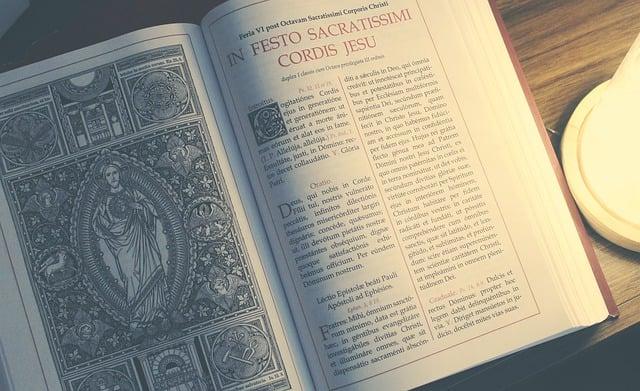
Contents
- 1. Understanding the Latin Mass: Tracing its Origins and Significance in History
- 2. Unveiling the Rituals: Exploring the Order and Structure of the Old Latin Mass
- 3. Preserving Tradition: The Importance of the Latin Language in the Mass
- 4. The Role of Gregorian Chant: Analyzing its Musical and Spiritual Significance in the Latin Mass
- 5. Liturgical Reforms: A Historical Overview of Changes in the Celebration of the Mass
- 6. Latin Mass Today: Discovering the Communities and Practices Reviving this Ancient Tradition
- 7. Embracing the Old Latin Mass: Benefits and Challenges for Contemporary Catholic Worship
- 8. Rediscovering the Transcendent: Exploring the Spiritual Depth of the Latin Mass
- 9. Engaging the Faithful: Strategies to Make Latin Mass More Accessible and Inclusive
- 10. Personal Reflection: Navigating the Journey of Incorporating the Old Latin Mass in One’s Spiritual Life
- The Conclusion
1. Understanding the Latin Mass: Tracing its Origins and Significance in History
The Latin Mass, also known as the Tridentine Mass, is a traditional form of Catholic worship that dates back to the early centuries of the Church. Its origins can be traced back to the time of Pope Gregory the Great in the 6th century, but it was not until the Council of Trent in the 16th century that the Mass was standardized and codified. The Latin Mass played a significant role in the Catholic Church for centuries, until its use was largely replaced by the Novus Ordo, or the Mass of Paul VI, in the late 20th century.
One of the most distinctive features of the Latin Mass is its use of the Latin language, which was the universal language of the Church for many centuries. This common language allowed the faithful to worship together, regardless of their native tongue, and created a sense of unity and universality. The use of Latin also served as a way to preserve the rich tradition and history of the Church, as the prayers and texts used in the Mass had been passed down through the ages.
Another important aspect of the Latin Mass is its reverence and solemnity. The Mass is celebrated with great attention to detail and with elaborate rituals and gestures. The priest faces the altar, rather than the congregation, and the prayers are recited in a low voice, creating a sense of awe and mystery. The use of incense, sacred music, and Gregorian chant further enhance the transcendent nature of the Latin Mass.
While the Latin Mass is not as widely celebrated today as it once was, it continues to hold great significance for many Catholics. It is seen as a link to the past, a way to connect with the long line of believers who have come before. It is also viewed as a form of worship that fosters a deeper sense of reverence and awe for the Eucharist. Many who attend the Latin Mass appreciate the sense of tradition and the beauty of the ancient rites.

2. Unveiling the Rituals: Exploring the Order and Structure of the Old Latin Mass
The Old Latin Mass, also known as the Tridentine Mass or Traditional Latin Mass, holds a significant place in the history of Catholic liturgy. This ancient form of worship has a rich tradition dating back centuries, and its structure and rituals offer a unique glimpse into the spiritual practices of the past.
At the heart of the Old Latin Mass is its order and structure, which is deeply rooted in tradition and symbolism. The Mass is divided into distinct parts, each with its own purpose and significance. These parts include the Prayers at the Foot of the Altar, the Introit, the Kyrie, the Gloria, the Collect, the Epistle, the Gradual, the Gospel, the Credo, the Offertory, the Canon of the Mass, the Communion, and the Final Blessing.
One distinctive feature of the Old Latin Mass is the use of Latin as the language of worship. The Latin language adds a sense of timelessness and universality to the liturgy, connecting Catholics across different cultures and generations. The Mass is also known for its solemnity and reverence, with the priest facing the altar and leading the congregation in prayer and offerings.
It is worth noting that while the Old Latin Mass was the norm until the Second Vatican Council in the 1960s, it is now celebrated less frequently in most Catholic churches. However, its beauty, historical significance, and spiritual depth continue to attract a devoted group of worshipers who find solace in its traditions and rituals. Whether one is seeking a deeper understanding of Catholic history, an exploration of ancient liturgical practices, or simply a unique spiritual experience, delving into the order and structure of the Old Latin Mass can provide a profound and enlightening journey.
3. Preserving Tradition: The Importance of the Latin Language in the Mass
Latin has been an integral part of the Catholic liturgy for centuries, with its roots tracing back to the early days of Christianity. The Latin Mass, also known as the Tridentine Mass or the Extraordinary Form, is a form of Catholic worship that follows the liturgical practices established in the Roman Missal of 1962. This historical examination aims to shed light on the significance of the Latin language in this traditional form of the Mass.
1. Liturgical Continuity:
One of the primary reasons for preserving the Latin language in the Mass is to maintain a sense of liturgical continuity with the early centuries of the Church. Latin was the common language of the Roman Empire, and as Christianity spread throughout the empire, the Roman Rite became the universal form of worship. By using Latin, the Church ensures that the prayers, hymns, and rituals used in the Latin Mass have a direct link to the ancient traditions and teachings of the Church.
2. Sacredness and Universality:
Latin has long been considered the sacred language of the Catholic Church. This status stems from its association with the timeless and unchanging nature of the Church’s teachings. By utilizing Latin in the Mass, the Church highlights the universality of its message, as the language transcends cultural and linguistic barriers. Latin serves as a unifying force, allowing Catholics from different parts of the world to come together in worship, regardless of the language spoken in their own communities.
3. Focus on Transcendence:
The use of Latin in the Mass emphasizes the transcendent nature of the liturgy. By providing a language that is distinct from everyday conversation, Latin helps to create a sense of reverence and awe. It allows the faithful to step away from the mundane and enter into a sacred space, where they can focus their minds and hearts on the divine mysteries unfolding during the Mass. The Latin language acts as a powerful tool for concentration and deepening one’s spiritual connection with God.
In conclusion, the preservation of the Latin language in the Mass serves to honor the rich history and traditions of the Church. It provides a link to the early days of Christianity and allows for a sense of liturgical continuity. Furthermore, the use of Latin emphasizes the sacred and transcendent nature of the Mass, while also fostering unity among the diverse Catholic community. Overall, the Latin language holds a vital role in preserving and enriching the Catholic faith for generations to come.
4. The Role of Gregorian Chant: Analyzing its Musical and Spiritual Significance in the Latin Mass
Gregorian chant is an integral part of the Latin Mass, playing a significant role both musically and spiritually. It is a style of monophonic, unaccompanied singing that developed during the medieval period in Western Europe. Gregorian chant is characterized by its flowing, melodic lines, its use of modes, and its solemn, sacred text.
Musically, Gregorian chant serves as a foundational element in the Latin Mass. Its simplicity and purity of form allow the chant to create a meditative and contemplative atmosphere, drawing the listener into a deeper spiritual experience. The chant’s fluid melodies and sustained notes provide a sense of timelessness, allowing the congregation to connect with the sacredness of the liturgy.
Beyond its musical significance, Gregorian chant holds great spiritual importance in the Latin Mass. Rooted in ancient traditions, it has the power to transport worshipers back in time, connecting them with the saints and generations of faithful who have gone before. The chant’s Latin lyrics, often taken from scripture or the writings of the early Church, convey a profound sense of reverence and awe, guiding the faithful toward a closer union with God.
In addition, Gregorian chant serves as a unifying element in the Latin Mass. Its timeless melodies and sacred texts are shared by Catholics around the world, fostering a sense of unity and continuity within the Church. Through the chant, believers can participate in a centuries-old tradition, joining their voices with countless others who have sung the same words and melodies throughout history.
Overall, Gregorian chant plays a crucial role in the Latin Mass, both as a musical form and as a vehicle for spiritual expression. Its ethereal beauty, melodic richness, and ancient roots combine to create a powerful and transformative worship experience. Whether sung by a soloist, a choir, or the entire congregation, the chant’s presence in the Latin Mass is a testament to its enduring significance in the Catholic faith.
5. Liturgical Reforms: A Historical Overview of Changes in the Celebration of the Mass
The Old Latin Mass, also known as the Tridentine Mass, refers to the liturgical celebration of the Mass according to the Roman Missal promulgated by Pope Pius V in 1570. This form of the Mass, which had been in use for centuries, underwent significant reforms during the Second Vatican Council in the 1960s. These reforms aimed to bring about a greater active participation of the faithful and a deeper understanding of the liturgy.
One of the major changes introduced during the liturgical reforms was the use of the vernacular language instead of Latin. Prior to the Second Vatican Council, the Mass was typically celebrated entirely in Latin, which made it difficult for many people to fully comprehend and engage with the liturgy. The introduction of the vernacular language allowed for a more accessible and inclusive celebration of the Mass.
Another significant change was the revision of the liturgical calendar. The old calendar, known as the Tridentine calendar, had remained largely unchanged for centuries. The reforms of the Second Vatican Council introduced a revised liturgical calendar, which added new feast days and made adjustments to the order and ranking of other celebrations. This allowed for a more balanced and comprehensive representation of the liturgical year.
Additionally, the reforms brought about changes in the structure and gestures of the Mass. The Tridentine Mass was characterized by its elaborate rituals and stringent rubrics, which often left little room for variation or spontaneity. The liturgical reforms aimed to simplify the celebration of the Mass, making it more accessible and adaptable to various cultural contexts. This resulted in changes such as the possibility of celebrating Mass facing the congregation, greater flexibility in the choice of liturgical music, and the inclusion of lay participation in various liturgical roles.
Overall, the liturgical reforms introduced during the Second Vatican Council aimed to bring about a renewed understanding and experience of the Mass. While the Old Latin Mass still holds a special place for those who cherish its rich tradition, the reforms sought to make the celebration of the Mass more meaningful, participatory, and relevant to the lives of the faithful.
6. Latin Mass Today: Discovering the Communities and Practices Reviving this Ancient Tradition
Latin Mass, also known as the Tridentine Mass, is a traditional form of Catholic worship that dates back centuries. While its use declined after the Second Vatican Council in the 1960s, there has been a recent resurgence in interest and practice among certain communities around the world.
Today, there are numerous communities and organizations dedicated to preserving and promoting the Latin Mass, offering a unique and reverential experience for those who attend. These communities often prioritize the use of traditional Latin prayers, chants, and rituals, creating a sense of continuity with the Church’s historical traditions.
Attending a Latin Mass can be a transformative experience, providing a connection to the rich heritage and spirituality of the Catholic Church. The use of Latin, a universal language understood by Catholics throughout the world, allows for a sense of unity and universality during worship.
Additionally, the Latin Mass emphasizes a deep reverence for the Eucharist, with a focus on the priest acting as an intermediary between the congregation and God. This form of worship often includes more silence and reflection, allowing for a deeper personal connection with the Divine.
- Key features of the Latin Mass:
- Use of the Latin language throughout the liturgy
- Traditional prayers and chants
- Facing the altar, rather than the congregation
- Greater emphasis on silence and personal reflection
- An increased sense of transcendence and mystery
The revival of the Latin Mass has attracted people from all walks of life, from young adults seeking a sense of tradition and history to older generations who remember this form of worship from their youth. While it may not be widely practiced in every diocese, those interested in attending a Latin Mass can often find communities and churches across the globe that provide this unique experience.

7. Embracing the Old Latin Mass: Benefits and Challenges for Contemporary Catholic Worship
The Old Latin Mass, also known as the Tridentine Mass, refers to the form of the Roman Catholic Mass that was used before the liturgical changes implemented by the Second Vatican Council in the 1960s. This ancient form of worship has gained renewed interest and popularity among some contemporary Catholics.
Benefits of embracing the Old Latin Mass:
1. Preservation of Tradition: The Old Latin Mass transports worshipers back to a time when the Catholic Church maintained a strong sense of continuity with its rich heritage. By embracing this form of worship, Catholics are able to connect with centuries of tradition and experience the liturgy as their ancestors once did.
2. Sense of Reverence: The Old Latin Mass emphasizes the sacredness and solemnity of the Eucharistic celebration. This traditional liturgy features elaborate rituals and gestures, creating a sense of awe and reverence that can deeply impact worshipers’ spiritual experience.
3. Unity with the Universal Church: The Old Latin Mass is celebrated in the universal language of the Church. Latin serves as a unifying element, allowing Catholics from different cultures and linguistic backgrounds to worship together.
Challenges of embracing the Old Latin Mass:
1. Limited Accessibility: Due to the more complex rubrics and the need for specialized training, the availability of priests who can celebrate the Old Latin Mass may be limited. This can make it challenging for some Catholics to attend this form of worship regularly.
2. Linguistic Barrier: While the use of Latin in the Old Latin Mass can be seen as a unifying factor, it can also pose a challenge for those who are unfamiliar with the language. Understanding the prayers and readings may require additional effort or the use of translations.
3. Adaptation to Modern Contexts: The Old Latin Mass was developed in a different era, and some elements may not easily resonate with contemporary sensibilities. Adapting this form of worship to be more inclusive and relevant to the present-day Church can present certain challenges.
However, despite these challenges, many Catholics find deep spiritual fulfillment in the beauty and reverence of the Old Latin Mass. It serves as a reminder of the rich history and liturgical heritage of the Catholic Church, inviting believers to encounter God through ancient, sacred traditions.
8. Rediscovering the Transcendent: Exploring the Spiritual Depth of the Latin Mass
In order to truly grasp the profound spiritual depth of the Latin Mass, it is crucial to embark on a historical examination of this ancient practice. The Old Latin Mass, sometimes referred to as the Tridentine Mass, dates back to the Council of Trent in the 16th century. This council aimed to reaffirm the Catholic Church’s teachings in response to the Protestant Reformation, and it resulted in a standardization of the liturgy.
The Old Latin Mass, celebrated predominantly in Latin and following the Missal of Pope Pius V, holds a rich and complex tradition that has been kept alive for centuries. By exploring this tradition, one unveils a plethora of spiritual treasures. From the Gregorian chants resonating through the sacred space to the reverential gestures of the priest and congregation, a sense of awe and mystery permeates the Latin Mass.
One of the distinguishing features of the Old Latin Mass is its focus on transcendence. The liturgy is designed to lift the hearts and minds of the faithful to an encounter with the divine. The Latin language, with its poetic cadence and universal appeal, aids in creating a sense of timelessness and unity with the Church throughout history. The use of incense, elaborate vestments, and sacred architecture further enhances this transcendent experience, reminding worshippers of the eternal and the sacred.
Attending the Latin Mass is not just an act of worship but a profound spiritual journey. By immersing ourselves in the ancient rituals and prayers, we connect to generations of believers who came before us. The Latin Mass provides an opportunity to escape the hustle and bustle of modern life and enter into a sacred space where time seems to stand still. It is a reawakening of the senses, a rediscovery of the transcendence that can so easily be overlooked in our fast-paced world.
In summary, the Old Latin Mass holds a wealth of spiritual depth waiting to be discovered. Its historical roots, emphasis on transcendence, and ability to transport us to a sacred realm beyond our daily lives make it a truly unique and enriching experience. Whether one seeks to reconnect with the traditions of the Church or explore a new form of worship, the Latin Mass offers a profound encounter with the divine.
9. Engaging the Faithful: Strategies to Make Latin Mass More Accessible and Inclusive
In this post, we delve into the historical origins and significance of the Old Latin Mass, shedding light on this ancient form of Catholic liturgy. The Latin Mass, also known as the Tridentine Mass, refers to the pre-Vatican II liturgy that was celebrated in Latin and followed a specific ritual. While it may be seen as traditional and steeped in history, it continues to have a devoted following today.
Originating from the 4th century, the Latin Mass remained largely unchanged for centuries until the Second Vatican Council in the 1960s. During this council, the Church underwent significant reforms, including the revision of the liturgy, leading to the introduction of vernacular languages in the Mass. However, some Catholics still embrace the Old Latin Mass, valuing its rich traditions and spiritual depth.
The Old Latin Mass is characterized by its solemnity, reverence, and adherence to a set ritual. Latin, being the universal language of the Church, was seen as a unifying force for Catholics around the world. The use of Gregorian chant and sacred polyphony adds to the contemplative ambiance, elevating the worship experience.
For those seeking a greater understanding and appreciation of their faith, attending an Old Latin Mass can be a meaningful experience. The profound symbolism, gestures, and prayers can foster a profound connection between the worshipper and the divine. It allows individuals to be immersed in the history and timeless beauty of the Church.

As we delve into the historical examination of the Old Latin Mass, it becomes imperative to understand the significance of incorporating it in our spiritual lives. This ancient form of liturgy, also known as the Tridentine Mass, dates back centuries and carries with it a rich tapestry of tradition and symbolism. Navigating the journey of incorporating the Old Latin Mass into our spiritual practices can be both challenging and rewarding.
One of the key aspects to consider when embracing the Old Latin Mass is the sense of reverence it instills within us. The solemnity of this liturgy, characterized by its use of Latin and Gregorian chants, allows for a deep contemplation and connection with the divine. By immersing ourselves in this ancient form of worship, we are transported to a realm of timeless beauty, leaving behind the distractions of the modern world.
Incorporating the Old Latin Mass also invites us to explore the richness of Catholic tradition. From the intricacies of the liturgical vestments to the precise gestures and postures, every element of this Mass carries deep symbolic meaning. By actively participating in these rituals, we not only honor the legacy of our ancestors but also deepen our understanding of the mysteries of the faith.
Lastly, embracing the Old Latin Mass serves as a powerful reminder of the continuity and universality of the Catholic Church throughout history. By engaging in a form of worship that has been celebrated for centuries, we join in communion with countless generations before us. This connection allows us to transcend the confines of time and space, affirming our place within the larger tapestry of the faithful.
The Conclusion
In conclusion, delving into the historical roots of the Latin Mass has provided us with a fascinating glimpse into the evolution of Catholic liturgy. We have explored the origins of this ancient rite, its transformation over time, and its enduring significance to worshippers around the world. From the early days of Christianity to its restoration in the 16th century, the Old Latin Mass has left an indelible mark on the faith and spirituality of countless generations.
Understanding the Old Latin Mass not only enhances our appreciation for the rich tapestry of Catholic traditions but also sheds light on the connections between the past and the present. Whether one is a devoted worshipper, a curious observer, or a student of history, exploring this topic invites us to explore the depths of our collective cultural heritage.
In a world that moves at an ever-increasing pace, the Old Latin Mass presents an opportunity for reflection, contemplation, and connection with centuries of devotion. While its use may be less widespread in modern times, the reverence and solemnity it evokes continue to capture the hearts of those who experience it.
So, whether you find yourself fascinated by liturgical history or simply intrigued by the allure of tradition, the Old Latin Mass serves as a testament to the enduring power of faith and the profound impact that rituals can have on our lives. Let us continue to delve into the mysteries of our past, finding inspiration and wisdom as we journey toward the future.


 PROSPERITY PRAYER