

Comparative Analysis: Is Latin Mass Better?
Welcome to the enlightening world of comparative analysis, where we delve into the depths of religious practices and explore the age-old question: Is Latin Mass truly better? From the majestic cathedrals of centuries past to the contemporary parish down the street, the Latin Mass has continued to captivate the hearts and minds of worshipers worldwide. In this article, we will embark on a journey of discovery, uncovering the merits and nuances that make the Latin Mass a distinct spiritual experience. So, fasten your seatbelts and prepare for a thought-provoking exploration that aims to shed light on this timeless debate.
Contents
- Comparative Analysis: Is Latin Mass Better?
- Understanding the History and Significance of Latin Mass
- Examining the Rituals and Symbolism in Latin Mass
- Comparative Study: Latin Mass vs. Vernacular Mass
- Exploring the Spiritual Experience of Latin Mass
- Analyzing the Community Dynamics in Latin Mass and Vernacular Mass
- Traditionalism vs. Accessibility
- The Role of Community Engagement
- The Role of Tradition in Latin Mass and its Impact on Worship
- Comparing the Scriptural and Liturgical Elements in Latin Mass and Vernacular Mass
- Addressing the Accessibility and Participation in Latin Mass
- Recommendations for Incorporating Latin Mass in Contemporary Worship Practices
- Insights and Conclusions
Comparative Analysis: Is Latin Mass Better?
Latin Mass, also known as Tridentine Mass or Traditional Latin Mass, has long been a subject of debate and comparison within the Catholic Church. Advocates of the Latin Mass argue that it offers a more reverent and spiritually enriching experience compared to the modern liturgy. On the other hand, proponents of the modern liturgy counter that it encourages active participation and better accessibility for contemporary worshippers. So, is Latin Mass really better? Let’s delve into a comparative analysis to understand its merits and potential drawbacks.
Rich Liturgical Tradition:
Latin Mass is deeply rooted in centuries-old liturgical tradition and carries a sense of solemnity and awe. Its carefully choreographed rituals, which include the use of incense, Gregorian chants, and precise postures, create a reverential atmosphere that many find spiritually uplifting. The incorporation of Latin, considered the language of the universal Catholic Church, adds a sense of unity and timelessness to the Mass.Focus on the Sacred:
One notable aspect of Latin Mass is its emphasis on the sacred. The use of the priest facing the tabernacle, the kneeling posture of the faithful, and the priest’s prayers spoken softly or inaudibly all contribute to a sense of directed focus on the Eucharist and the presence of God. This style of Mass allows for a more contemplative and meditative experience, enabling worshippers to deepen their connection with the divine.Lack of Understanding:
However, one of the potential drawbacks of Latin Mass is the language barrier that exists for many contemporary worshippers. Since the prayers and readings are in Latin, those unfamiliar with the language may find it challenging to actively engage and participate in the Mass. This can hinder the accessibility and inclusivity that the modern liturgy strives to achieve.- Liturgical Flexibility and Community Engagement:
The modern liturgy introduced after the Second Vatican Council aims to encourage active participation of the faithful by using the vernacular language, allowing for a better understanding of the prayers, readings, and hymns. The use of contemporary music and a more relaxed format fosters community engagement and creates a welcoming atmosphere for people of diverse backgrounds. This style of Mass also allows for more flexibility in incorporating local customs and traditions while maintaining the core elements of Catholic worship.
In conclusion, whether Latin Mass is better is subjective and depends on personal preferences and spiritual needs. While it offers a rich and time-honored liturgical experience that appeals to many, others may find the modern liturgical approach more accessible and engaging. Both forms have their strengths and weaknesses, ultimately aiming to guide individuals towards a deeper connection with their faith. It is important for the Church to continue to promote inclusivity and provide options that cater to the diverse needs of its worshippers.
Understanding the History and Significance of Latin Mass
Latin Mass, also known as Tridentine Mass or Traditional Latin Mass, refers to the form of the Roman Catholic Mass that was widely celebrated before the Second Vatican Council in the 1960s. It holds a significant place in the history of Catholicism and continues to be of great importance to many believers today. In this comparative analysis, we will explore the history and significance of Latin Mass, delving into the reasons why some individuals argue that it is better than the more contemporary forms of the liturgy.
Tradition and Continuity:
Latin Mass is deeply rooted in tradition, dating back centuries and having remained relatively unchanged until recent times. It carries a sense of continuity, connecting modern Catholics with their ancestors who also participated in this form of worship. The use of Latin as the language of the Mass further emphasizes this historical connection, evoking a sense of the ancient and sacred.Beauty and Reverence:
Many proponents of Latin Mass argue that its rituals and prayers possess a unique beauty and sense of reverence. The chant and polyphonic music associated with this form of worship, as well as the meticulous gestures and postures of the priest, create an atmosphere that is often described as transcendent and awe-inspiring. These elements are believed to enhance the spiritual experience of the faithful, fostering a deeper connection with the divine.Focus on the Sacred:
Latin Mass places a strong emphasis on the sacrificial nature of the Eucharist. The celebrant faces the altar, representing his role as a mediator between humanity and God. The use of Latin, a language not commonly spoken today, adds an air of mystery and separation from the mundane world, directing the attention of the faithful solely towards the sacred mysteries unfolding during the liturgy.- Sense of Unity:
Attending Latin Mass can create a sense of unity among the worshipers, as everyone participates in the same rituals and responses. The silence and solemnity that often accompany this form of worship foster a communal experience of prayer and contemplation. Additionally, the universality of Latin as a language allows Catholics from different countries and cultures to come together in worship, transcending linguistic barriers.
In conclusion, the Latin Mass carries a rich history and deep significance within the Catholic Church. While some argue that its traditional elements enhance the spiritual experience and foster a sense of continuity, it is important to recognize that different forms of liturgy can also hold meaning and significance for individuals. Ultimately, the choice between Latin Mass and other contemporary forms should be guided by personal preference and the desire for a deeper connection with the divine.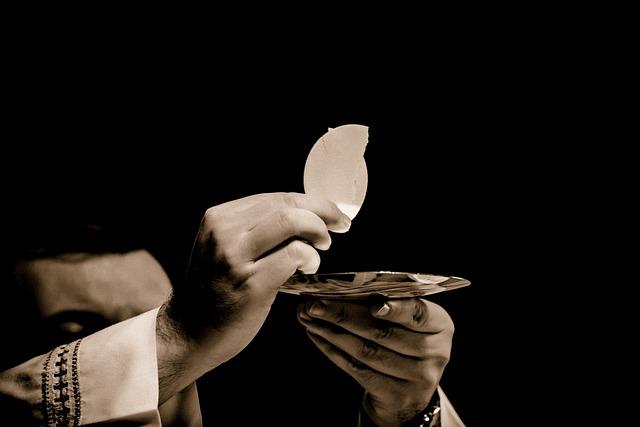
Examining the Rituals and Symbolism in Latin Mass
One of the key aspects that sets the Latin Mass apart from other liturgical celebrations is the rich array of rituals and symbolism employed throughout the service. These elements, meticulously preserved over centuries, contribute to the unique and captivating experience of the Latin Mass. Let’s delve into some of the most notable rituals and symbolism that can be found in this venerable tradition:
Gregorian Chant: At the heart of the Latin Mass is the sublime Gregorian chant. This ancient form of liturgical music, sung entirely in Latin, adds a profound spiritual dimension to the worship experience. With its soaring melodies and transcendent harmonies, Gregorian chant invokes a sense of reverence and draws the faithful deeper into prayer.
Ad Orientem: A striking feature of the Latin Mass is the position of the priest, facing the same direction as the congregation, traditionally known as "ad orientem." This practice symbolizes the unity of the faithful as they collectively turn towards God, focusing on the transcendental mystery unfolding on the altar. It serves as a reminder that the Mass is not a performance, but a communal act of worship.
Liturgical Vestments: The elaborate and symbolic vestments worn by the priests during the Latin Mass further enhance the worship experience. Each garment, meticulously crafted and adorned with intricate embroidery, carries its own symbolism. For example, the chasuble represents the yoke of Christ, while the alb signifies the purity of the soul.
- Sacred Silence: In the Latin Mass, moments of profound silence are interspersed throughout the liturgy. These moments serve as a powerful means of reflection and contemplation, allowing the faithful to internalize the mysteries being celebrated. In a world filled with noise and distractions, the sacred silence of the Latin Mass provides a much-needed oasis for spiritual renewal.
Whether one considers the Latin Mass to be better or not is a subjective matter. However, it is undeniable that this ancient form of worship offers a unique and captivating experience through its rich rituals and symbolism. The Gregorian chant, ad orientem posture, liturgical vestments, and sacred silence all contribute to the profound and transcendent nature of the Latin Mass, transcending language and time to connect worshippers with the divine in a truly meaningful way.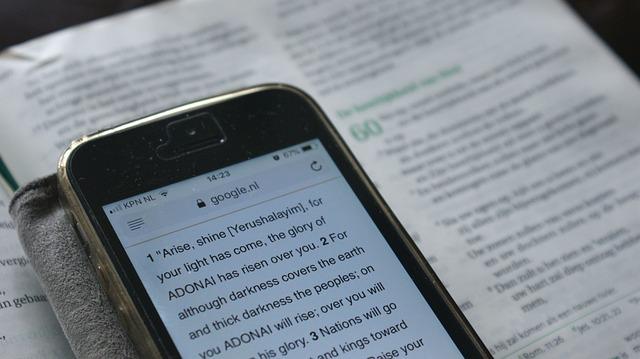
Comparative Study: Latin Mass vs. Vernacular Mass
In the age-old debate over the use of Latin versus the vernacular in the Catholic Mass, it’s important to consider the pros and cons of each approach. The Latin Mass, also known as the Tridentine Mass, holds a special place in the hearts of traditional Catholics. With its rich history and timeless beauty, this sacred liturgy has been celebrated for centuries. On the other hand, the vernacular Mass has gained popularity since the Second Vatican Council, as it promotes greater inclusivity and understanding among the faithful.
One of the main arguments in favor of the Latin Mass is its deeply rooted tradition. Latin, being the language of the Roman Empire, has been used in the Catholic Church for over a millennium. This historical significance adds a sense of continuity and reverence to the liturgy. Additionally, the Latin Mass is known for its deliberate pace and solemnity, allowing the worshippers to fully immerse themselves in the mysteries of the Mass.
However, proponents of the vernacular Mass argue that using the language understood by the people enhances their participation and comprehension. By using the vernacular, the Mass becomes more accessible to a wider audience, including those who might have previously felt disconnected from the ancient Latin texts. This fosters a sense of belonging and encourages active engagement during the liturgy.
Another factor to consider is the musical aspect of the Mass. Latin Masses often feature Gregorian chant and sacred polyphony, which are highly regarded for their beauty and spiritual depth. The use of Latin allows for a consistent musical tradition that spans centuries. Conversely, vernacular Masses provide an opportunity for local cultures to express their faith through music in their native language, creating a unique and inclusive worship experience.
In conclusion, the debate between the Latin Mass and the vernacular Mass ultimately comes down to personal preference and the specific pastoral needs of each community. While the Latin Mass flourishes in its traditional beauty and historic significance, the vernacular Mass offers a contemporary approach that emphasizes inclusivity and understanding. Both have their merits and can deeply enrich the spiritual lives of the faithful. Ultimately, the goal remains the same: to uplift hearts and minds in worship, and to encounter the divine in a way that is meaningful and transformative.
Exploring the Spiritual Experience of Latin Mass
The Latin Mass, also known as the Traditional Latin Mass or Tridentine Mass, is a spiritual experience that holds a rich history within the Catholic Church. While it might seem like a departure from the more commonly practiced Mass in the vernacular languages, many individuals find a deep connection and reverence in the Latin Mass.
So, is the Latin Mass better? It’s important to note that this is subjective and depends on individual preferences and spiritual needs. However, a comparative analysis can shed light on some aspects of the Latin Mass that might appeal to certain individuals.
1. Liturgical Beauty: One of the most striking features of the Latin Mass is its rich liturgical beauty. The solemnity and grandeur of the Latin prayers, music, and rituals can transport worshippers to a different realm, fostering a sense of awe and reverence.
2. Sense of Tradition: Participating in the Latin Mass allows individuals to connect with the rich history of the Catholic Church. The Latin language itself has been used in Mass for centuries, providing a link to the early traditions of the Church. This sense of tradition can deepen one’s faith and foster a stronger connection to the universal Church.
3. Mystery and Transcendence: The Latin Mass has an air of mystery and transcendence that can cultivate a deeper spiritual experience. The use of Gregorian chant, incense, and the veil of the tabernacle all contribute to an atmosphere of reverence and awe, allowing individuals to focus more intently on the mysteries of the faith.
4. Unified Worship: Attending the Latin Mass can provide a sense of unity and universality. Regardless of the local language, the Latin Mass serves as a common thread that binds Catholics worldwide. It offers a sense of continuity, reinforcing the belief in the universal Church and its timeless teachings.

Analyzing the Community Dynamics in Latin Mass and Vernacular Mass
When it comes to Catholic Mass, the decision between Latin Mass and Vernacular Mass has been a topic of debate and discussion within the community. Both types of Mass hold their own unique characteristics and have managed to create distinct dynamics within the Catholic community. By , we can gain a deeper understanding of the strengths and weaknesses of each.
Traditionalism vs. Accessibility
Latin Mass is deeply rooted in tradition and has been celebrated for centuries. Its use of Latin as the liturgical language connects Catholics to their historical roots and emphasizes a sense of continuity with the past. This traditional element attracts a certain group of worshippers who appreciate the solemnity and reverence of the Latin Mass.
Vernacular Mass, on the other hand, prioritizes accessibility and inclusivity by using the local language of the community. This allows for a clearer understanding of the prayers and readings, making it easier for the congregation to actively participate in the Mass. Vernacular Mass often appeals to younger generations and those seeking a more engaging worship experience.
The Role of Community Engagement
In Latin Mass, the focus is primarily on the clergy, with the congregation playing a more passive role. The Mass is seen as a transcendent experience, with the Latin language adding to the sense of mystery and awe. The community dynamics in Latin Mass tend to revolve around a shared devotion to the rituals and a strong sense of unity.
Vernacular Mass, on the other hand, encourages active participation from the congregation. In this setting, the community dynamics are characterized by a sense of togetherness and collaboration. The congregation becomes an integral part of the Mass, with opportunities for laypeople to serve as lectors, Eucharistic ministers, and choir members. This engagement fosters a sense of belonging and strengthens the bonds within the community.
| Latin Mass | Vernacular Mass |
|---|---|
| Deeply rooted in tradition | Accessible and inclusive |
| Emphasizes solemnity and reverence | Encourages active participation |
| Passive role for the congregation | Congregation actively involved |
| Shared devotion to rituals | Strong sense of togetherness |
It is important to note that the choice between Latin Mass and Vernacular Mass is subjective and ultimately depends on individual preferences and what resonates with one’s spirituality. Both types of Mass have their merits and contribute to the diversity of worship experiences within the Catholic community.

The Role of Tradition in Latin Mass and its Impact on Worship
The Latin Mass holds a unique place in the Catholic Church, with its rich traditions and longstanding history. This form of worship has been celebrated for centuries and continues to be embraced by a devoted community of Catholics. Many argue that the Latin Mass offers a deeper sense of reverence and connects worshippers to the roots of their faith. However, it is important to analyze the role of tradition in the Latin Mass and understand its impact on worship.
One of the key aspects of the Latin Mass is its adherence to sacred tradition. The prayers and rituals are based on ancient texts and practices that have been passed down through generations. By preserving these traditions, the Latin Mass aims to maintain a sense of continuity with the early Church, reinforcing the belief in the unchanging nature of the Catholic faith.
Another significant impact of tradition in the Latin Mass is its emphasis on the transcendent and symbolic nature of the liturgy. The use of Latin, a language no longer spoken in everyday life, creates a sense of mystery and awe. The beauty and solemnity of the chant, incense, and ornate vestments contribute to a worship experience that is distinct from modern forms of Mass.
Furthermore, the Latin Mass provides a link to the past, fostering a sense of unity among Catholics across time and space. Regardless of the geographical location or cultural background, the Latin Mass offers a common ground for worshippers, transcending social and linguistic barriers. This unity strengthens the communal aspect of worship and reinforces the universality of the Catholic Church.
Table: Comparative Analysis – Latin Mass vs. Vernacular Mass
| Latin Mass | Vernacular Mass |
|---|---|
| Preserves ancient traditions and practices | Allows for greater understanding of prayers and readings |
| Creates a sense of awe and transcendence | Emphasizes active participation of the congregation |
| Unites Catholics across time and space | Reflects the diversity and cultural richness of local communities |
While the Latin Mass has its merits, it is crucial to recognize that both forms of Mass have their own unique benefits. The vernacular Mass, celebrated in the language of the local community, allows for a deeper understanding of prayers and readings, enabling worshippers to actively participate in the liturgy. Additionally, it reflects the diversity and cultural richness of different regions, making the Mass more relatable to the congregation.
Ultimately, the choice between the Latin Mass and the vernacular Mass depends on the spiritual needs and preferences of individuals and communities. It is essential to respect and appreciate the role of tradition in the Latin Mass, while also recognizing the value of a Mass that can be understood and experienced by all. Both forms of worship contribute to the tapestry of Catholic worship, enhancing the spiritual journey of believers.

Comparing the Scriptural and Liturgical Elements in Latin Mass and Vernacular Mass
The Latin Mass and Vernacular Mass are two distinct forms of worship within the Catholic Church that have been a subject of debate for years. While both have their own unique merits, it is important to understand the differences in scriptural and liturgical elements in order to make an informed comparison.
In Latin Mass, the scriptural elements are primarily in Latin, the traditional language of the Catholic Church. The readings, psalms, and prayers are all recited in this ancient language, which adds a sense of reverence and tradition to the Mass. However, this can be a challenge for some worshipers who may not understand Latin and therefore may not fully grasp the meaning behind the words being spoken.
On the other hand, Vernacular Mass is celebrated in the native language of the worshipers, making it more accessible and easier to understand. This allows for a greater participation and engagement from the congregation, as they can fully comprehend the scriptures and prayers being recited. The use of vernacular language also helps to foster a deeper connection and personal relationship with God.
When it comes to liturgical elements, the Latin Mass tends to be more traditional and follows a set structure that has been passed down for centuries. This includes the use of Gregorian chants, incense, and elaborate vestments for the priests. These elements create a solemn and mystical atmosphere that many find spiritually enriching.
On the other hand, Vernacular Mass can incorporate more contemporary music and worship styles that cater to the cultural preferences of the local congregation. This can include hymns, worship bands, and more relaxed attire for the priests. These elements aim to create a more welcoming and inclusive atmosphere for worshipers of all ages and backgrounds.
In conclusion, the choice between Latin Mass and Vernacular Mass ultimately boils down to personal preference and individual spiritual needs. The Latin Mass offers a deep sense of tradition and reverence, while the Vernacular Mass promotes accessibility and understanding. Both forms of worship have their own unique charm and spiritual benefits, and it is important to respect and appreciate the diverse ways in which worshipers connect with their faith.
Addressing the Accessibility and Participation in Latin Mass
Latin Mass, also known as Tridentine Mass or Traditional Latin Mass, has long been a subject of debate within the Catholic Church. For some, it represents a return to tradition and a deeper connection to the roots of the faith. However, there are concerns about the accessibility of Latin Mass and its impact on participation.
Accessibility is a key consideration when discussing Latin Mass. One of the main concerns is that the use of Latin as the primary language of worship can be challenging for many people who are not familiar with the language. This can create a barrier to full participation and understanding of the Mass for those who do not speak Latin fluently. Additionally, the use of traditional chants and hymns in Latin can also be intimidating for those who are not familiar with them.
Despite these challenges, proponents of Latin Mass argue that it offers a unique and reverent worship experience. They believe that the use of Latin creates a sense of transcendence and helps to preserve the beauty and solemnity of the Mass. Additionally, Latin Mass is often celebrated with elaborate rituals and gestures, which some find spiritually enriching.
To address the accessibility and participation concerns associated with Latin Mass, some initiatives have been taken. Bilingual or vernacular options are now being offered in some parishes alongside the Latin Mass, allowing for a more inclusive worship experience. This allows those who are not familiar with Latin to fully participate and understand the prayers and readings. Moreover, resources such as missals and translations of Latin texts are also provided to help congregants follow along and engage more fully in the Mass.
In conclusion, while Latin Mass may offer a unique and reverent worship experience, accessibility and participation remain important considerations. Efforts are being made to make Latin Mass more inclusive through the provision of bilingual or vernacular options and the availability of resources for translation. Ultimately, the decision to attend Latin Mass or not is a personal one, and each individual must consider their own preferences, spiritual needs, and ability to fully engage in the Mass.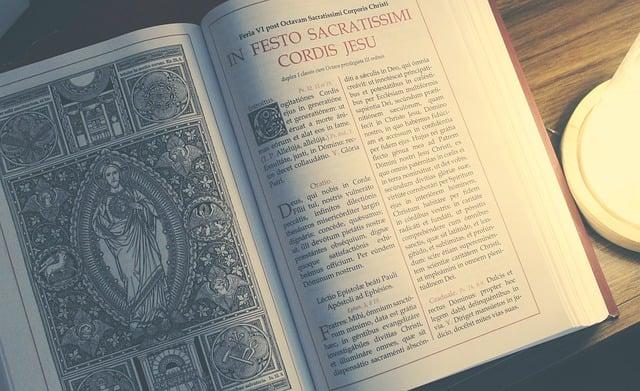
Recommendations for Incorporating Latin Mass in Contemporary Worship Practices
Latin Mass has a long-standing tradition in Catholic worship practices, and incorporating it into contemporary services has become a topic of debate among church communities. To gain a deeper understanding of the benefits and drawbacks of incorporating Latin Mass, a comparative analysis is essential. By examining the distinct aspects of Latin Mass and contrasting them with contemporary practices, we can explore whether Latin Mass is a better option for modern worship.
One significant aspect to consider is the sacredness and reverence associated with Latin Mass. Latin has been the language of the Catholic Church for centuries, and its use in Mass can create a sense of timelessness and connection to the long history of the faith. The solemnity and beauty of the Latin prayers and chants can enhance the worship experience, leading to a deeper spiritual connection for individuals.
Another point to analyze is the universality of Latin Mass. Since Latin is a language that transcends geographical and cultural boundaries, incorporating it into contemporary worship practices can create a sense of unity among Catholics worldwide. This universality allows believers from different backgrounds to come together in worship, emphasizing the global nature of the Catholic Church.
However, it is important to consider some potential challenges when incorporating Latin Mass into contemporary worship practices. Language barriers can arise, as many churchgoers may be unfamiliar with Latin, making it harder for them to actively participate in the liturgy. Furthermore, the absence of vernacular languages could make it difficult for individuals to understand and connect with the prayers and readings.
In conclusion, the debate on whether Latin Mass is a better option for contemporary worship practices requires an objective analysis of its various aspects. Its sacredness, universality, and connection to tradition are undeniable strengths, but potential language barriers and reduced accessibility should also be taken into account. Ultimately, the decision to incorporate Latin Mass into contemporary worship lies with individual communities, weighing the benefits and drawbacks to create a meaningful, inclusive experience for all.
Insights and Conclusions
In conclusion, undertaking a comparative analysis of the Latin Mass has shed light on the various aspects that set it apart from other forms of worship. While its unique ritualistic elements and rich historical significance tend to captivate the faithful, it is imperative to remember that personal preference plays a significant role in determining the level of spiritual fulfillment one derives from the Mass. Ultimately, whether you find solace in the traditional Latin Mass or connect deeply with a contemporary worship style, the most important factor remains the sincere devotion and connection with the Divine. Let us embrace diversity, allowing for mutual respect and understanding as we navigate the ever-evolving landscape of worship practices in the modern age.
Similar Posts

My Experience with Ten Years of the Traditional Latin Mass: Personal Insights
In the past decade, attending the Traditional Latin Mass has been a transformative experience for me. Through personal insights gained, I have developed a deep appreciation for the rich history and solemn beauty of this ancient form of worship.

Comparative Analysis: Are Latin Masses Allowed in the Catholic Church?
Comparative Analysis: Are Latin Masses Allowed in the Catholic Church?
The question of Latin Masses in the Catholic Church has been a topic of debate. To shed light on this matter, we will conduct a comparative analysis. Exploring the history, liturgical changes, and recent developments, we aim to provide a clear understanding of the Church’s stance on Latin Masses. Stay informed and discover the truth behind this fascinating discussion.

Live Broadcast: Healing Eucharist Mass Today
Today, join us for a live broadcast of the Healing Eucharist Mass. Experience the comforting power of this sacrament from the comfort of your own home. Tune in to receive spiritual healing and immerse yourself in the presence of God. Don’t miss this chance to find solace and renewal in these challenging times. Simply click on the link provided and join us for this transformative experience.

How to Prepare for First Latin Mass? Ecclesiastical Practices Discussed
Preparing for your first Latin Mass can be both exciting and daunting. To ease any nerves, familiarize yourself with the ecclesiastical practices beforehand. From following the missal to understanding the rituals, this guide will help you feel confident and prepared for the beauty of this ancient form of worship.

Cultural Observations: Are Orthodox Masses in Latin?
In the realm of religious practices, Catholicism is known for its rich traditions. One intriguing aspect is the use of Latin during masses. However, when it comes to Orthodox churches, the use of Latin varies. While some Orthodox churches do incorporate elements of Latin into their liturgy, it is not a standard practice. In this article, we delve into the cultural observations surrounding Orthodox masses and shed light on the role of Latin in their worship rituals.

St Patrick’s Healing Mass – Healing Masses Celebrated at St. Patrick’s
St. Patrick’s Healing Mass is a powerful spiritual experience that offers comfort and relief to those in need of healing. Held regularly at St. Patrick’s Church, these masses are a source of strength and renewal for many attendees.
 URGENT: PAGE CLOSING SOON!