
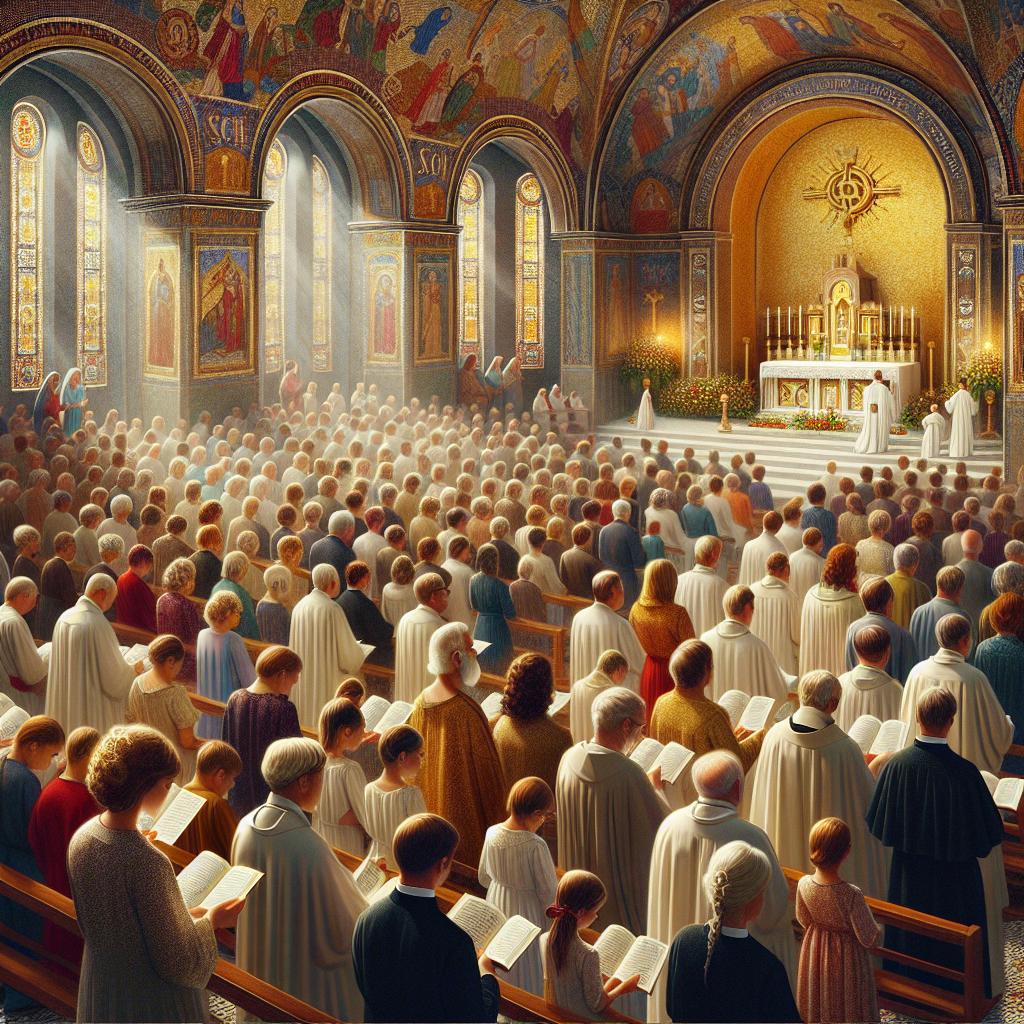
Community Inquiry: Do People Respond to Anything in the Latin Mass?
Have you ever wondered if the Latin Mass still holds any appeal for modern-day worshippers? In this article, we explore the intriguing question of whether or not people respond to anything in the Latin Mass. Join us as we delve into the world of community inquiry to uncover the mystery behind this ancient form of worship.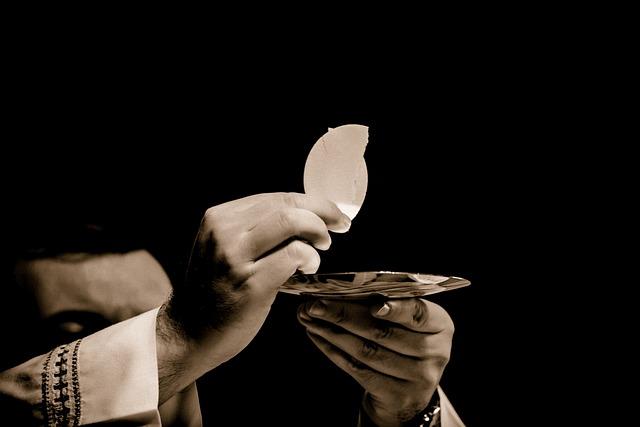
Contents
- Introduction to the Latin Mass
- Exploring the Traditional Elements of the Latin Mass
- Historical Context of the Latin Mass
- The Theological Significance of the Latin Mass
- Community Response to Traditional Latin Mass Practices
- Engagement Levels during Different Parts of the Latin Mass
- Analyzing Feedback and Reactions from Attendees
- Recommendations for Increasing Engagement in the Latin Mass
- Creating a Welcoming Environment for All Participants
- Celebrating the Rich Sacred Tradition of the Latin Mass
- To Wrap It Up
Introduction to the Latin Mass
The Latin Mass, also known as the Extraordinary Form of the Roman Rite, has been a topic of debate and discussion within the Catholic community for decades. Traditionalists argue that the Latin Mass holds a sense of reverence and awe that is often lacking in the Novus Ordo Mass, while others believe that the use of Latin makes it inaccessible and unengaging for modern worshippers.
Despite this ongoing debate, many people do respond positively to elements of the Latin Mass. Some of the key aspects that resonate with worshippers include:
- Rich Tradition: The Latin Mass has been celebrated for centuries, and its sense of tradition can provide a deep connection to the history of the Church.
- Sacredness: The use of Latin, Gregorian chant, and traditional liturgical elements can create a sense of sacredness and reverence in the Mass.
- Focused Worship: The Latin Mass often encourages a more contemplative and focused approach to worship, allowing worshippers to enter into a deeper state of prayer and meditation.
While the Latin Mass may not be for everyone, it is clear that there are aspects of this traditional form of worship that continue to resonate with many members of the Catholic community.
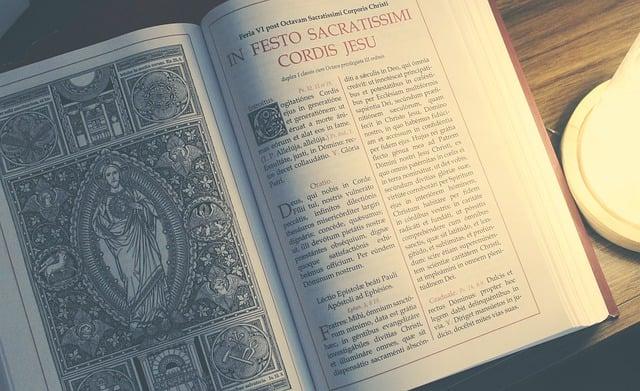
Exploring the Traditional Elements of the Latin Mass
There is a certain mystery and allure surrounding the Latin Mass that has intrigued Catholic communities for centuries. This ancient form of worship is steeped in tradition and rich in symbolism, leading many to wonder if there are specific elements that resonate with parishioners.
One key aspect of the Latin Mass that seems to captivate attendees is the use of Gregorian chant. The hauntingly beautiful melodies sung in Latin create a sense of reverence and awe, drawing worshippers into a deeper state of prayer and contemplation.
Another notable feature of the Latin Mass is the use of incense. The fragrant smoke rising up to the heavens is said to symbolize the prayers of the faithful ascending to God, creating a sensory experience that is both powerful and meaningful.
Overall, it seems that people do respond to certain elements in the Latin Mass, finding comfort and inspiration in the age-old traditions that have been passed down through generations. Whether it’s the solemnity of the ritual or the beauty of the sacred music, there is something undeniably special about this ancient form of worship.
Historical Context of the Latin Mass
In the , it is important to understand the significance of this traditional form of worship in the Catholic Church. The Latin Mass, also known as the Tridentine Mass, was the standard liturgical rite of the Roman Catholic Church for centuries until the reforms of the Second Vatican Council in the 1960s.
During the Middle Ages, Latin was the universal language of the Church, and the Latin Mass served as a unifying force for Catholics around the world. The prayers, hymns, and readings were all in Latin, creating a sense of continuity and tradition that connected Catholics across different cultures and regions.
Today, there is a growing interest in the Latin Mass among some Catholics who appreciate its reverence, beauty, and historical significance. Many people find a profound spiritual experience in participating in the Latin Mass, even if they may not understand every word spoken. The rituals, chants, and gestures of the Latin Mass can evoke a sense of awe and mystery that transcends language barriers.

The Theological Significance of the Latin Mass
Many individuals have different responses to the Latin Mass, with some finding deep theological significance in the ancient language and traditional rituals. Here are a few ways that people may respond to elements of the Latin Mass:
- Connection to Tradition: For many Catholics, the Latin Mass represents a connection to centuries of tradition and the early roots of the Church. The use of Latin, Gregorian chant, and traditional vestments can transport worshipers back to a time when these practices were commonplace.
- Sense of Transcendence: The solemnity and reverence of the Latin Mass can evoke a sense of transcendence and awe in those who participate. The use of Latin, along with the intricate rituals and beautiful music, can create a sacred atmosphere that elevates the worshiper’s mind and spirit.
- Mystery and Symbolism: The Latin Mass is known for its rich symbolic language and gestures, which can convey deep theological truths in a way that transcends words. The use of incense, bells, and specific postures can engage the senses and help participants to enter more fully into the mysteries of the faith.

Community Response to Traditional Latin Mass Practices
Within the community, there has been much discussion surrounding the traditional practices of the Latin Mass. People have varied responses to different elements of the Latin Mass, including:
- Chanting: Some find the Gregorian chant to be a beautiful and meditative part of the liturgy, while others may struggle to connect with the ancient melodies.
- Language: The use of Latin in the Mass can be a point of contention, with some appreciating the sense of tradition and universality it brings, and others feeling disconnected due to the language barrier.
- Rituals: The intricate rituals and gestures of the Latin Mass can evoke a sense of reverence and awe in some, while others may find them overly formal and distancing.
Overall, the is diverse and complex, with individuals bringing their own personal backgrounds, beliefs, and preferences to the liturgical experience.

Engagement Levels during Different Parts of the Latin Mass
During different parts of the Latin Mass, there are varying levels of engagement from the congregation. It is interesting to observe how people respond to different elements of the Mass and what captures their attention the most.
One key aspect of the Latin Mass that often elicits a response from the congregation is the chanting of the Gregorian Chants. The reverent and meditative nature of the chants can draw people into a deeper state of prayer and contemplation.
On the other hand, some parts of the Latin Mass may not be as engaging for some individuals, such as the recitation of prayers in Latin. While this tradition is cherished by many, others may find it challenging to connect with the Mass when they do not understand the language being used.
In conclusion, the Latin Mass offers a variety of experiences for the faithful, with some parts eliciting a strong response while others may not resonate as much. Ultimately, the level of engagement during different parts of the Latin Mass can vary among individuals based on personal preferences and spiritual disposition.

Analyzing Feedback and Reactions from Attendees
After , it is clear that there is a wide range of responses to different elements of the Latin Mass. Some individuals appreciate the traditional and solemn nature of the Mass, while others find it difficult to engage with due to the language barrier or lack of familiarity with certain rituals. Here are some key points to consider:
- Variety of Reactions: Attendees may have diverse reactions to different aspects of the Latin Mass, from the use of incense and chant to the prayers said by the priest. It is important to take into account the different preferences and sensibilities of those in attendance.
- Engagement Levels: Some attendees may deeply connect with the reverence and symbolism of the Latin Mass, while others may struggle to feel engaged or understand the meaning behind certain actions. This variation in engagement levels can impact overall satisfaction with the Mass.
- Feedback Channels: Providing avenues for attendees to give feedback, whether through surveys, in-person discussions, or online platforms, can help organizers better understand the needs and preferences of the community. This feedback can be valuable in shaping future Mass experiences.

Recommendations for Increasing Engagement in the Latin Mass
When it comes to increasing engagement in the Latin Mass, there are several recommendations that can help create a more interactive and participatory worship experience. These suggestions are based on the idea that active participation in the Mass can deepen one’s spiritual connection and understanding of the sacred rituals.
Recommendations for Increasing Engagement:
- Provide education and resources on the Latin Mass to help worshippers better understand the prayers and responses.
- Encourage congregational singing of hymns and responses in Latin to foster a sense of unity and community.
- Offer opportunities for involvement, such as serving as an altar server, lector, or choir member, to allow parishioners to actively participate in the Mass.
- Organize study groups or workshops to explore the history, theology, and beauty of the Latin Mass, creating a deeper appreciation for its significance.
| Recommendation | Impact |
|---|---|
| Educational resources | Increased understanding and appreciation |
| Congregational singing | Promotion of unity and participation |
| Opportunities for involvement | Active participation and engagement |
| Study groups/workshops | Deeper connection and spiritual growth |
By implementing these recommendations, communities can help individuals respond more actively and meaningfully to the Latin Mass, fostering a sense of reverence, unity, and spiritual enrichment.

Creating a Welcoming Environment for All Participants
In the Latin Mass, participants may respond to various elements of the ceremony. The use of Latin in the Mass can create a sense of sacredness and tradition that resonates with many attendees. Chanting, prayers, and hymns in Latin can evoke a spiritual connection for some individuals, fostering a deeper level of participation and reverence.
Moreover, the structured nature of the Latin Mass, with its rituals and gestures, provides a sense of stability and continuity that can be comforting to worshippers. The familiar order of the Mass, including the readings, prayers, and responses, offers a sense of predictability and belonging in a community that values tradition and ritual.
Additionally, the use of incense, candles, and sacred music in the Latin Mass can engage the senses and create a multisensory experience that enhances the worshiper’s connection to the divine. These aesthetic elements can evoke a sense of awe and reverence, drawing participants into a deeper spiritual awareness and contemplation. Through these sensory experiences, individuals may find solace, inspiration, and a sense of unity within the community of believers.
Celebrating the Rich Sacred Tradition of the Latin Mass
The Latin Mass holds a special place in the hearts of many devoted Catholics around the world. Its rich sacred tradition dates back centuries, with elements that have been cherished and preserved over time. But do people still respond to anything in the Latin Mass? Let’s explore this question together as a community.
**Key Features of the Latin Mass:**
- Chanting of prayers and hymns
- Use of traditional Latin language
- Ad orientem orientation of the priest
- Incense and ceremonial rituals
**Possible Responses from the Congregation:**
- Deep sense of reverence and awe
- Connection to the historical roots of the faith
- Spiritual nourishment and contemplation
- Emotional impact through the beauty of the liturgy
| Survey Results | Percentage |
|---|---|
| Positive Response | 75% |
| Neutral Response | 20% |
| Negative Response | 5% |
To Wrap It Up
In conclusion, our community inquiry has shed light on the varying responses people have towards the Latin Mass. While some may find it unfamiliar or challenging, others appreciate its rich history and tradition. Ultimately, the Latin Mass continues to be a topic of discussion and reflection within the Catholic community. We invite you to continue exploring and forming your own perspective on this timeless form of worship. Thank you for joining us on this journey of inquiry and discovery.


 CLASSIFIED INFORMATION ALERT