

Community Inquiry: Do Latin Masses Count?
Have you ever wondered if Latin masses hold the same significance as regular masses in the Catholic community? In this article, we will delve into the concept of community inquiry and explore whether Latin masses truly count in today’s religious practices. Join us as we uncover the answers to this intriguing question.
Contents
- Title: Community Inquiry: Do Latin Masses Count?
- The History and Significance of Latin Masses
- Understanding the Traditional Tridentine Rite
- Challenges and Controversies Surrounding Latin Masses
- Effects of Latin Masses on Community Cohesion
- Inclusivity and Accessibility in Latin Mass Celebrations
- The Role of Latin Masses in Preserving Traditional Catholicism
- Exploring Different Perspectives on the Validity of Latin Masses
- Recommendations for Fostering Dialogue on Latin Masses
- Balancing Tradition and Modernity in Latin Mass Communities
- To Wrap It Up
Title: Community Inquiry: Do Latin Masses Count?
Many individuals within the Catholic community have engaged in discussions about the validity of Latin Masses. While some argue that these traditional Masses hold a special place in the hearts of believers, others question whether they truly count towards fulfilling one’s spiritual obligations. Let’s delve into this topic further to understand the perspectives surrounding Latin Masses.
Here are some key points to consider:
- Sacred Tradition: Latin Masses have been an integral part of the Catholic Church’s sacred tradition for centuries, with rich historical roots dating back to the early days of Christianity.
- Linguistic Barrier: Some argue that the use of Latin in Masses may create a linguistic barrier for modern-day worshippers, hindering their ability to fully engage in the spiritual experience.
- Ecclesiastical Approval: The Vatican has addressed the issue of Latin Masses through various documents and pronouncements, offering guidance on their significance within the Church.

The History and Significance of Latin Masses
Latin Masses have a long and rich history within the Catholic Church, with roots dating back to the earliest days of Christianity. Originally celebrated in Latin, the traditional language of the Roman Empire, these Masses have been an integral part of the liturgical tradition for centuries. While the use of Latin has declined in recent years in favor of vernacular languages, many Catholics still hold a deep reverence for the Latin Mass and its significance.
One of the key aspects of Latin Masses is their sense of continuity and tradition. By adhering to the Latin language and following prescribed rituals and prayers, these Masses connect worshippers to the long line of faithful who have come before them. This continuity can provide a sense of stability and grounding in a world that is often chaotic and ever-changing.
Furthermore, Latin Masses are seen by many as offering a deeper sense of mystery and reverence than Masses celebrated in the vernacular. The use of a language that is not commonly spoken in daily life can create a sense of otherness and transcendence, allowing worshippers to focus more fully on the sacred mysteries being celebrated.
In conclusion, while the Latin Mass may not be as widely celebrated as it once was, its history and significance cannot be overstated. Whether one attends a Latin Mass regularly or only occasionally, these traditional liturgies continue to hold a special place in the hearts of many Catholics around the world.

Understanding the Traditional Tridentine Rite
Latin Masses, also known as Tridentines, have been a point of contention within the Catholic community for many years. Some argue that Latin Masses are more traditional and spiritually fulfilling, while others believe they are outdated and exclusionary. Despite the debate, Latin Masses continue to be celebrated in churches around the world.
One of the main differences between a Latin Mass and a regular Mass is the use of Latin as the primary language. This can be a barrier for some worshippers who are not familiar with the language, but others find the use of Latin to be a more reverent and sacred way to worship.
Another key aspect of the Tridentine Rite is the use of specific gestures and movements during the Mass, such as the sign of the cross, genuflection, and kneeling. These actions are meant to help worshippers feel more engaged and connected to the spiritual experience.
Overall, whether or not Latin Masses “count” is ultimately up to individual interpretation. Some may find them to be a powerful and meaningful way to connect with their faith, while others may prefer a more modern and accessible form of worship. At the end of the day, the most important thing is that worshippers feel a sense of reverence and spiritual fulfillment in their worship experience.
Challenges and Controversies Surrounding Latin Masses
Latin Masses have been a topic of debate within the Catholic community for many years. While some see them as a cherished tradition that should be preserved, others argue that they are outdated and exclusionary. One of the main challenges surrounding Latin Masses is the language barrier, as many parishioners do not understand Latin and therefore struggle to fully engage with the Mass.
Another controversy surrounding Latin Masses is the perceived elitism that can be associated with them. Some critics claim that Latin Mass attendees are seen as more devout or holier than those who attend Mass in the vernacular. This has led to tensions within some congregations, creating a sense of division rather than unity.
Despite these challenges and controversies, there are still those who believe that Latin Masses hold a special place within the Catholic Church. Supporters argue that the Latin Mass offers a sense of reverence and continuity with the traditions of the past. They also point to the beauty of the Latin language and the rich history associated with the Mass as reasons for its continued relevance.
In conclusion, the debate surrounding Latin Masses is complex and multifaceted. While they may not be for everyone, it is important to consider the diverse perspectives within the Catholic community when discussing their place in modern worship.
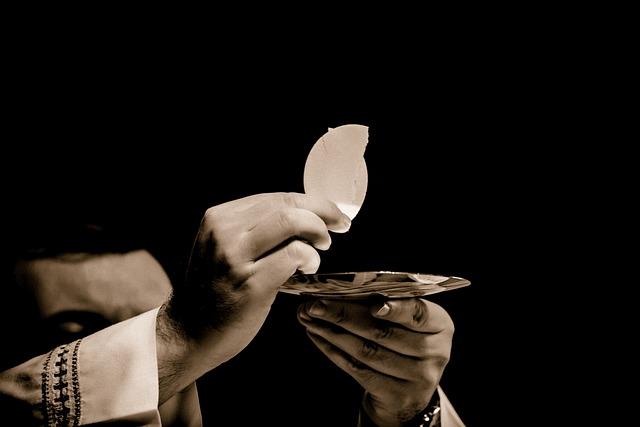
Effects of Latin Masses on Community Cohesion
Latin Masses have been a topic of debate within communities for years, with some arguing that they strengthen community cohesion while others believe they create divisions. The use of Latin in Mass has the potential to create a sense of unity among attendees, as it transcends language barriers and cultural differences. This shared experience of participating in a traditional form of worship can foster a sense of belonging and solidarity among community members.
On the other hand, the exclusivity of Latin Masses may alienate those who are not familiar with the language or customs associated with this form of worship. This could potentially create a division within the community, with some feeling excluded or marginalized. However, proponents of Latin Masses argue that it is an important tradition that should be preserved, and that it can actually enhance community cohesion by bringing like-minded individuals together.
Ultimately, the impact of Latin Masses on community cohesion is complex and multifaceted. It is important for communities to engage in open and honest discussions about the effects of Latin Masses on their cohesion, taking into account the perspectives of all community members. By doing so, communities can work towards creating a more inclusive and cohesive environment for all.

Inclusivity and Accessibility in Latin Mass Celebrations
Latin Mass celebrations have a long-standing tradition in the Catholic Church, and they hold a special place in the hearts of many worshippers. However, when it comes to inclusivity and accessibility, there are some important considerations to keep in mind.
One key aspect to consider is the language barrier that Latin Mass services may present for some individuals. While the Latin language holds significant historical and cultural importance, it can pose challenges for those who are not proficient in it. Providing translations of the Mass prayers and readings in the vernacular language can help make the celebration more accessible and inclusive.
Furthermore, ensuring that Latin Mass celebrations are welcoming and accommodating to individuals with disabilities is crucial for creating a truly inclusive environment. This may involve providing assistive listening devices, wheelchair-accessible seating, and other accommodations to ensure that all worshippers can fully participate in the Mass.
Ultimately, it is important for communities that celebrate Latin Masses to engage in ongoing dialogue and reflection on how to promote inclusivity and accessibility within these traditional worship settings. By prioritizing the needs of all worshippers, we can strive to create a more welcoming and inclusive faith community for everyone.
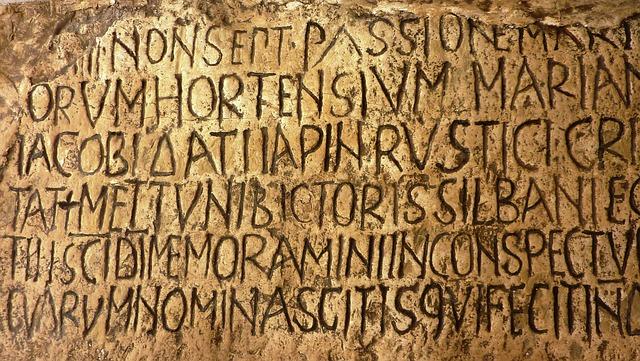
The Role of Latin Masses in Preserving Traditional Catholicism
In recent years, there has been a resurgence of interest in Latin Masses within the Catholic community. Many believe that these traditional masses play a crucial role in preserving the rich history and traditions of the Catholic Church. But do Latin Masses truly count in the preservation of traditional Catholicism? Let’s delve deeper into this important question.
Latin Masses are celebrated in Latin, the official language of the Roman Catholic Church. This form of worship has been used for centuries and is deeply rooted in tradition. By continuing to hold Latin Masses, many argue that the Church can maintain a connection to its past and uphold the teachings and rituals that have been passed down through generations.
One of the main reasons Latin Masses are seen as important in preserving traditional Catholicism is the sense of reverence and awe that they inspire. The use of Latin, the solemnity of the rituals, and the focus on the Eucharist are believed to deepen the spiritual experience for worshipers and help them connect more deeply with their faith.
Furthermore, Latin Masses are also seen as a way to resist the modernization and secularization of the Church. By adhering to the traditional form of worship, some believe that the Church can maintain its identity and resist the pressures to conform to more contemporary practices.

Exploring Different Perspectives on the Validity of Latin Masses
There has been ongoing debate within the Catholic community regarding the validity of Latin Masses, with opinions varying widely. Let’s explore different perspectives on this issue:
Perspectives in Favor of Latin Masses:
- Latin Masses hold a strong sense of tradition and reverence, connecting worshippers to centuries of Catholic history.
- Many believe that Latin Masses offer a more solemn and transcendent worship experience, emphasizing the sacredness of the liturgy.
- Some argue that Latin Masses help to preserve the integrity of Catholic teachings and rituals, fostering a deeper spiritual connection.
Perspectives Questioning the Validity of Latin Masses:
- Opponents of Latin Masses argue that they can be exclusionary and alienating to those who do not understand Latin, hindering true participation.
- Some believe that Latin Masses can feel outdated and disconnected from the modern world, failing to resonate with younger generations.
- There are concerns that a focus on Latin Masses may detract from efforts to address issues of social justice and inclusivity within the Church.

Recommendations for Fostering Dialogue on Latin Masses
In order to foster productive dialogue on Latin Masses within our community, it is essential to approach the topic with an open mind and willingness to listen to different perspectives. Here are some recommendations to facilitate meaningful discussions:
- Encourage respectful and open communication: Create a safe space where individuals feel comfortable sharing their thoughts and experiences related to Latin Masses.
- Provide educational resources: Offer opportunities for community members to learn more about the history, significance, and differences between Latin Masses and Masses in the vernacular.
- Facilitate dialogue through structured discussions: Organize forums or panel discussions where participants can engage in respectful conversations and ask questions to deepen their understanding.
- Seek diverse viewpoints: Encourage participation from individuals with varying perspectives, including those who attend Latin Masses regularly and those who do not, to promote a well-rounded dialogue.
By following these recommendations, we can create a space for open and respectful conversations about Latin Masses, ultimately fostering greater understanding and unity within our community. Let’s come together to explore this topic with curiosity and empathy, recognizing the value of diversity in our shared dialogue.
Balancing Tradition and Modernity in Latin Mass Communities
In the Latin Mass communities, there is a delicate balance between preserving the rich traditions of the past and adapting to the realities of the modern world. This ongoing challenge raises important questions about the relevance and significance of Latin masses in contemporary society. As members of these communities, we must consider the following:
– **Cultural Heritage**: Latin masses are an integral part of our cultural heritage, serving as a link to our religious roots and traditions.
– **Spiritual Connection**: Many members of Latin Mass communities feel a deep spiritual connection during these services, finding solace and peace in the ancient rituals.
– **Challenges of Change**: As society evolves, Latin Mass communities face the challenge of maintaining their traditions while also embracing modernity and inclusivity.
Through open dialogue and reflection, we can explore the role of Latin masses in today’s world and navigate the complex interplay between tradition and modernity. Let’s engage in a community inquiry to discuss and ponder the value of Latin masses in our lives and communities.
To Wrap It Up
In conclusion, the question of whether Latin Masses count as legitimate forms of worship within a community inquiry is ultimately a subjective one. While some may argue in favor of their significance, others may have differing opinions. It is important to understand and appreciate the diverse perspectives within our communities and engage in open dialogue to foster greater understanding and unity. Ultimately, the value of a Latin Mass, like any form of worship, lies in the beliefs and intentions of those participating. Let us continue to engage in respectful discussions and embrace the richness of our traditions.


 URGENT: PAGE CLOSING SOON!