Is the Catholic Church the One True Church? Examining Claims of Ecclesiastical Authority!
In a world filled with diverse religious beliefs and denominations, the Catholic Church has long stood firm as a pillar of spiritual authority. But amidst the multitude of faiths, devotees, and doctrinal interpretations, one question lingers: is the Catholic Church truly the one true church? In this article, we embark on a journey of intellectual exploration, examining the claims of ecclesiastical authority that lie at the very core of Catholicism. With a confident and knowledgeable tone, we navigate through history, theology, and religious discourse to shed light on this timeless debate. Drawing upon a wealth of research and a neutral perspective, we unravel the intricacies surrounding the Catholic Church’s claim to be the ultimate beacon of truth and salvation. Brace yourself for a comprehensive analysis that aims to enlighten, inform, and ultimately allow you to form your own opinion about the intricate web of ecclesiastical supremacy.
<img class="kimage_class" src="https://www.saintjeromechurch.org/wp-content/uploads/2024/02/g2b9aae32d398cdb78b6a569e12d49c694992c260c009514ba09b899bafeb4b215dc0f431777d25e2105f9f3cb2274a2ebcc822a9436939a50ca5948cac9d6ee8_640.jpg" alt="1. Understanding the concept of a "One True Church" and the Catholic Church’s claim to ecclesiastical authority">
Contents
- 1. Understanding the concept of a "One True Church" and the Catholic Church’s claim to ecclesiastical authority
- 2. Historical perspective: Tracing the roots of the Catholic Church’s authority claims
- 3. Scriptural basis: Analyzing the arguments supporting the Catholic Church’s assertion as the One True Church
- 4. Evaluating the Catholic Church’s exclusivity: Implications for other Christian denominations
- 5. Doctrine and dogma: Examining the role of Catholic teachings in reinforcing claims of ecclesiastical authority
- 6. Criticisms and objections: Assessing challenges to the Catholic Church’s status as the One True Church
- 7. The Catholic Church’s ecumenical approach: Navigating towards unity amidst theological differences
- 8. The impact of Vatican II: Reforms and adjustments to the Catholic Church’s perception of ecclesiastical authority
- 9. Alternative views: Exploring perspectives outside the Catholic Church’s claim to being the One True Church
- 10. Seeking personal faith: Recommendations for individuals caught in the midst of theological discussions about ecclesiastical authority
- Closing Remarks
The concept of a "One True Church" has been a subject of debate and discussion for centuries. Many religious denominations claim to be the true representation of Christianity, and the Catholic Church is no exception. The Catholic Church asserts its claim to ecclesiastical authority based on several key factors.
First and foremost, the Catholic Church traces its origins back to Jesus Christ and his apostles. According to Catholic doctrine, Jesus founded the Church and appointed Peter as its first leader, giving him the keys to the kingdom of heaven. This belief is based on biblical passages such as Matthew 16:18-19, where Jesus tells Peter, "You are Peter, and on this rock I will build my Church." The Catholic Church views this passage as evidence of its direct lineage to Jesus and his authority.
Another key aspect of the Catholic Church’s claim to ecclesiastical authority is its apostolic succession. The Church maintains an unbroken line of bishops from the time of the apostles to the present day. This succession is seen as a continuation of the authority and teachings passed down from the apostles to their successors, ensuring the Church’s continuity and preserving its doctrinal integrity.
Furthermore, the Catholic Church asserts that it possesses the fullness of the faith. It teaches that it has been entrusted with the deposit of faith, which includes both Sacred Scripture and Sacred Tradition. This means that the Church not only interprets the Bible but also relies on the teachings and practices passed down through generations of believers. The Catholic Church claims that this dual source of authority gives it a comprehensive understanding of God’s truth and the ability to guide its members accordingly.
It is important to note that these claims of ecclesiastical authority made by the Catholic Church are contested by other Christian denominations. Each denomination has its own interpretation of Scripture and understanding of the early Church. The question of whether the Catholic Church is truly the "One True Church" remains a matter of personal belief and interpretation. However, understanding the Catholic Church’s claim to authority is crucial in fostering respectful dialogue and an informed perspective on this topic.
When discussing the question of whether the Catholic Church is the One True Church, it is essential to delve into its historical roots and examine the foundations upon which it claims its ecclesiastical authority. The Catholic Church asserts that its authority can be traced back to the time of Jesus and the apostles, a claim that has been the subject of much debate and scrutiny.
The authority of the Catholic Church finds its origins in the teachings of Jesus Christ, who appointed Peter as the first leader of the Church, as described in the Bible. This event, often referred to as the “Primacy of Peter,” lays the groundwork for the Church’s claim to authority. According to the Catholic doctrine, the authority granted to Peter has been passed down through a succession of popes, creating an unbroken line of apostolic succession.
In addition to the biblical foundation, the Catholic Church cites historical evidence to support its claims. The writings of early church fathers, such as Ignatius of Antioch, Polycarp, and Irenaeus, provide insight into the early development of the Church and its hierarchical structure. These early Christian leaders recognized the authority of the bishop of Rome, who later became known as the Pope, further validating the Catholic Church’s claims to continuity and primacy.
Furthermore, the Councils of Nicaea and Chalcedon, held in the 4th and 5th centuries respectively, played a significant role in shaping the Catholic Church’s authority. These ecumenical councils served to define and clarify essential doctrines and establish the Church’s authority over matters of faith and doctrine.
It is worth noting that the claims of the Catholic Church’s authority have been challenged by other Christian denominations throughout history. The Protestant Reformation in the 16th century, led by figures like Martin Luther and John Calvin, sought to reform and challenge certain teachings and practices of the Catholic Church, including its claims to authority.
Ultimately, the question of whether the Catholic Church is the One True Church is a matter of faith and interpretation. While the Church presents historical and biblical evidence to support its claims, it is up to individuals to examine the evidence and come to their own conclusions.
3. Scriptural basis: Analyzing the arguments supporting the Catholic Church’s assertion as the One True Church
The question of whether the Catholic Church is the One True Church is one of considerable theological significance. Proponents of the Catholic faith argue that there is strong scriptural evidence supporting their claim to be the only church founded by Jesus Christ Himself. Let us delve into these arguments and analyze the scriptural basis for the Catholic Church’s assertion of ecclesiastical authority.
- Peter as the rock: One central argument often put forward by the Catholic Church is the interpretation of Matthew 16:18, where Jesus tells Peter, “You are Peter, and on this rock, I will build my church.” Catholics believe that Jesus was appointing Peter as the first leader of the Church. This is seen as the establishment of a hierarchical authority that extends through the succession of popes.
- The power of binding and loosing: Another scriptural basis for the Catholic Church’s claim is found in Matthew 16:19, where Jesus gives Peter the keys of the kingdom of heaven, saying, “Whatever you bind on earth will be bound in heaven, and whatever you loose on earth will be loosed in heaven.” This authority to bind and loose is seen as an indication of the Church’s power to forgive sins and make doctrinal decisions.
- The authority to teach and interpret Scripture: In Matthew 28:19-20, Jesus commands His disciples to go and make disciples of all nations, teaching them to observe all that He has commanded. This Great Commission is often cited by Catholics as evidence of the Church’s authority to teach and interpret Scripture. They argue that the Catholic Church, through its apostolic succession, preserves the correct understanding of biblical teachings.
These scriptural arguments form the basis for the Catholic Church’s assertion of being the One True Church. While the interpretation of these passages may differ among various Christian groups, the Catholic Church maintains that its historical continuity, tracing back to the apostles, is central to its claim of ecclesiastical authority.
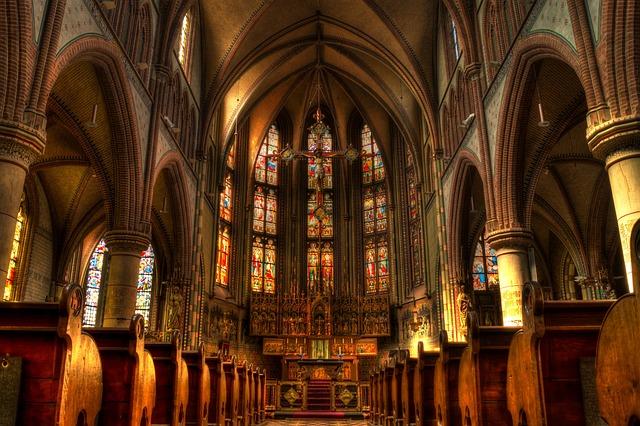
4. Evaluating the Catholic Church’s exclusivity: Implications for other Christian denominations
The Catholic Church has long claimed to be the “One True Church” founded by Jesus Christ himself. This assertion of ecclesiastical authority and exclusivity raises significant implications for other Christian denominations. In this post, we will delve into the subject and evaluate the basis for these claims, shedding light on the potential impact it has on the broader Christian faith.
1. Historical Perspective:
The Catholic Church traces its roots back to the apostle Peter, whom Jesus declared as the “rock” upon which He would build His church. This historical connection to the early apostolic tradition is one of the main justifications for the Catholic Church’s claim to be the true successor of Christ’s original church. Understanding this historical context is vital in evaluating the exclusivity claimed by the Catholic Church and its potential impact on other Christian denominations.
2. Doctrinal Authority:
A key aspect of evaluating the Catholic Church’s exclusivity is examining its claim to infallible doctrinal authority. The belief in papal infallibility, which asserts that when the Pope speaks “ex cathedra” on matters of faith and morals, he is protected from error, is central to this claim. This unique authority bestowed upon the Pope sets the Catholic Church apart from other Christian denominations that do not recognize such supreme doctrinal authority. Exploring the implications of this claim, both within Catholicism and for other Christian traditions, will shed light on the dynamics of ecclesiastical authority and its ramifications.
3. Ecumenical Dialogue:
Given the implications of the Catholic Church’s claim to exclusivity, it becomes crucial to consider the effects on ecumenical dialogue and relationships between different Christian denominations. While this claim has historically been a source of contention, recent efforts towards unity and understanding have been made in the ecumenical movement. Investigating the ongoing discussions, agreements, and disagreements between the Catholic Church and other Christian traditions provides a broader context for understanding the implications of these claims within the larger Christian community.
4. A Modern Perspective:
Lastly, we will explore the contemporary relevance of the Catholic Church’s claim to be the One True Church. In an increasingly interconnected world, where religious diversity is celebrated and respected, the exclusivity claimed by the Catholic Church can be seen as both influential and challenging. Examining the church’s role in today’s society and its interactions with other denominations will provide insight into evolving perspectives on ecclesiastical authority and the implications it has for the future of Christian unity.
Table: Comparing Church Structures
| Catholic Church | Protestant Denominations | Orthodox Church |
|—————– |————————– |—————- |
| Hierarchical | Various organizational structures | Hierarchical |
| Papal Authority | Emphasizes local autonomy | Conciliar Decision-Making |
Note: The table above presents a simplified comparison of church structures and is not exhaustive. It highlights some key differences between the Catholic Church, Protestant denominations, and the Orthodox Church concerning organizational structure and decision-making processes.
The Catholic Church has long claimed to be the One True Church, possessing the ultimate authority in matters of faith and doctrine. This authoritative stance is reinforced through a combination of doctrine and dogma, which serve to uphold and justify the Church’s claims of ecclesiastical authority. In examining the role of Catholic teachings, we delve into how these teachings support the Church’s position and solidify its role as the ultimate spiritual guide for Catholics around the world.
At the core of Catholic doctrine are the beliefs and teachings established by Jesus Christ and passed down through the apostles. These teachings are considered sacred and unchanging, forming the foundation upon which the Church’s authority is built. From the beliefs in the Holy Trinity, the divinity of Christ, and the concept of transubstantiation, Catholics are expected to adhere to these dogmas as divine truths.
One crucial element that reinforces the Church’s claims of authority is the idea of apostolic succession. According to Catholic teaching, the apostles were the first bishops, and their authority was passed down through a continuous line of bishops to the present day. This unbroken chain of succession is seen as a direct link to Christ, ensuring that the Church’s teachings remain pure and unaltered over time. By claiming a direct connection to the apostles, the Catholic Church asserts its authority as the legitimate heir to Christ’s teachings.
Additionally, the Catholic Church’s magisterium plays a significant role in maintaining its claim to ecclesiastical authority. The magisterium consists of the pope and the bishops, who are entrusted with interpreting and teaching the Church’s doctrines. Through papal encyclicals, apostolic exhortations, and official teachings, the magisterium maintains a unified Catholic theology and fosters a sense of coherence and authority within the Church.
In conclusion, the Catholic Church utilizes its teachings, doctrines, and dogmas to reinforce its claims of ecclesiastical authority. By grounding its authority in apostolic succession, maintaining a unified magisterium, and upholding sacred doctrine, the Church asserts itself as the One True Church with the ultimate spiritual authority. Whether one accepts or challenges this claim, examining the role of Catholic teachings provides valuable insights into the foundations of the Church’s authority.
6. Criticisms and objections: Assessing challenges to the Catholic Church’s status as the One True Church
While the Catholic Church asserts itself as the One True Church, its claims have not been without criticisms and objections. Let’s explore some of the challenges raised against the Catholic Church’s position as the ultimate ecclesiastical authority:
- Doctrinal Differences: One common objection stems from the presence of doctrinal disagreements within Christianity itself. Many Protestant denominations and other Christian traditions hold divergent beliefs and interpretations, challenging the notion of Catholicism’s exclusive claim.
- Historical Controversies: Critics often point to events like the Western Schism and the Protestant Reformation, which challenged Catholic authority and led to fractures within Christianity. These historical controversies raise doubts about the Catholic Church’s claim of being the sole legitimate institution.
- Inclusivity and Exclusivity: Some argue that the Catholic Church’s emphasis on its exclusivity contradicts the teachings of love, unity, and inclusivity preached by Jesus Christ. The perception of exclusion can lead to skepticism about its claim to be the One True Church.
- Sexual Abuse Scandals: The Catholic Church has faced significant criticism and scrutiny due to the sexual abuse scandals involving clergy members. These scandals have led many to question the moral authority and credibility of the Church, impacting its claim of being the true representative of Christ.
Although these criticisms exist, it’s important to note that the Catholic Church defends its position through arguments rooted in theology, apostolic succession, historical continuity, and claims of divine authority. The debates surrounding its status as the One True Church highlight the complexities in defining religious truth and the significance of personal beliefs and interpretations.
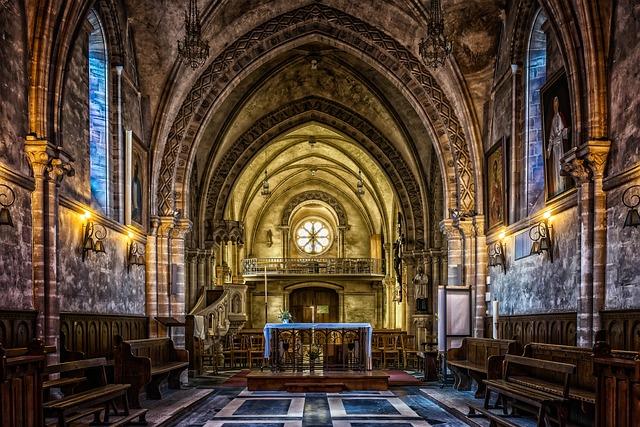
The Catholic Church, with its rich history and deep-rooted traditions, has always considered itself to be the One True Church, tracing its origins back to Jesus Christ and his apostles. Its claim to ecclesiastical authority rests on the belief that it is the universal and visible embodiment of Christ’s teachings, guided by the Holy Spirit. However, navigating towards unity amidst theological differences has been an ongoing challenge for the Catholic Church.
The Catholic Church acknowledges the existence of other Christian denominations and recognizes the validity of their sacraments and spiritual journeys. It embraces an ecumenical approach, seeking to promote dialogue, understanding, and cooperation among different Christian communities. This approach is rooted in the belief that unity can be achieved through shared faith in Christ and common values, despite theological divergences.
To foster ecumenism, the Catholic Church actively participates in interfaith dialogues, ecumenical councils, and joint initiatives with other Christian traditions. It emphasizes the importance of principles such as recognizing the fundamental unity of Christians, respecting the diversity of traditions, engaging in theological discussions, and promoting social justice and peace together.
While the Catholic Church holds steadfastly to its belief in ecclesiastical authority, it recognizes the need for unity among Christians and works towards it by cultivating an environment of mutual respect, understanding, and collaboration. By embracing an ecumenical approach, the Catholic Church aims to transcend theological differences and build bridges among various Christian communities, ultimately reinforcing its message of love and inclusion. Through these efforts, the Catholic Church strives to be a beacon of unity, even as it upholds its claim as the One True Church.
Vatican II, the 21st ecumenical council of the Roman Catholic Church, had a profound impact on the perception of ecclesiastical authority within the Catholic Church. The reforms and adjustments implemented during Vatican II aimed to address the changing needs of the modern world and foster greater engagement with the Catholic faith. As a result, discussions surrounding the concept of the “One True Church” and the Catholic Church’s claim of ecclesiastical authority have gained prominence.
One key aspect of Vatican II was the recognition of the importance of dialogue and collaboration with other Christian denominations. The Catholic Church acknowledged that other Christian communities possess elements of truth and sanctification. This shift in perspective challenged the notion that the Catholic Church was the sole repository of truth, while also emphasizing the unity and common ground among different Christian traditions. This acknowledgment promoted a more inclusive and ecumenical approach to ecclesiastical authority.
Another significant reform introduced by Vatican II was the decentralization of authority within the Catholic Church. The council emphasized the role of bishops and the collegiality among them, emphasizing that authority was not solely concentrated in the Pope. This recognition of shared authority aimed to enhance the involvement and participation of the broader Church community in decision-making processes. By doing so, Vatican II recognized that the Catholic Church is not solely defined by a hierarchical structure, but rather a diverse and mutually supportive body of believers.
Moreover, Vatican II led to significant changes in the liturgy, with the introduction of vernacular languages in place of Latin, allowing for greater accessibility and understanding of the Mass. This shift exemplified a desire to engage with the faithful in a more relatable and meaningful way, breaking down barriers and facilitating a more personal experience of worship. These changes demonstrated a willingness to adapt to the needs of the faithful and recognize the importance of active participation in the Church.
In conclusion, the reforms and adjustments implemented during Vatican II have undoubtedly influenced the Catholic Church’s perception of ecclesiastical authority. The recognition of shared authority among bishops, the emphasis on dialogue with other Christian denominations, and the changes in the liturgy all serve to foster a more inclusive and engaged approach to the Catholic faith. While the concept of the “One True Church” continues to be a subject of discussion, Vatican II’s reforms promote a more open and collaborative understanding of ecclesiastical authority within the Church.

9. Alternative views: Exploring perspectives outside the Catholic Church’s claim to being the One True Church
When discussing the authority and truth claims of the Catholic Church, it is essential to examine alternative views that challenge its assertion of being the One True Church. While the Catholic Church holds a deep-rooted belief in its ecclesiastical authority, it is crucial to consider other perspectives that offer different interpretations of Christian faith. Let’s explore some of these alternative views:
1. Protestant Reformation:
One of the most significant challenges to the Catholic Church’s claim came during the Protestant Reformation in the 16th century. Reformers like Martin Luther and John Calvin vehemently opposed the Catholic Church’s authority, arguing for a return to the primacy of Scripture, individual faith, and the priesthood of all believers. They contested the central Catholic doctrines such as the papacy, sacraments, and hierarchical structure.
The Protestant Reformation led to the establishment of various Protestant denominations and further fractured the unity of Christianity, challenging the Catholic Church’s claim of being the exclusive path to salvation.
2. Orthodox Christianity:
Another perspective that contrasts with the Catholic Church’s claim is Orthodox Christianity. The Eastern Orthodox Church, with its rich history stretching back to the early Christian era, presents itself as an alternative, apostolic tradition. Orthodox Christians emphasize a sacramental and mystical understanding of the faith, placing less emphasis on papal authority and dogmatic pronouncements.
While sharing many core beliefs with Catholicism, the Eastern Orthodox Church maintains its independence, viewing itself as a separate expression of the universal Church. Thus, it challenges the Catholic notion of being the sole repository of the fullness of truth.
3. Non-denominational and Independent Churches:
Outside the Catholic and Orthodox traditions, there exists a wide array of non-denominational and independent churches. These Christian communities often reject the notion of any one church having a monopoly on truth and salvation. They place a strong emphasis on personal interpretation of Scripture, individual faith, and spiritual autonomy.
Non-denominational and independent churches embody a diverse range of beliefs and practices, challenging the exclusive claims of the Catholic Church and emphasizing the importance of personal connection with God.
Examining these alternative views allows for a more comprehensive understanding of Christianity and the complexities surrounding the claim of the Catholic Church as the One True Church. It is essential to approach these discussions with an open mind, seeking dialogue and mutual respect, as we explore the diverse perspectives that shape our faith.

When it comes to discussions about ecclesiastical authority, one question that often arises is whether the Catholic Church is the One True Church. This topic can be both complex and deeply personal for individuals seeking personal faith. In order to navigate these discussions, it is important to approach the subject with an open mind and a willingness to explore various perspectives.
Here are some recommendations for individuals caught in the midst of theological discussions about ecclesiastical authority:
- Do your research: Take the time to study the history, teachings, and practices of the Catholic Church. Understanding its claims to ecclesiastical authority and how it compares to other Christian denominations can provide a solid foundation to form your own opinions.
- Engage in thoughtful dialogue: Seek out conversations with individuals who have different viewpoints. Consider joining study groups or participating in online forums where diverse opinions are welcomed and respected. Engaging in respectful and open dialogue can help you gain new insights and challenge your own beliefs.
- Reflect on personal experience: Examine your own experiences of faith and spirituality. What resonates with you? What aspects of a church community are important to you? Reflecting on your personal journey can help guide you in determining which claims of ecclesiastical authority align with your own beliefs and values.
- Pray and seek guidance: Spiritual discernment is crucial in navigating theological discussions. Take time to pray and seek guidance from a higher power or seek the counsel of trusted religious leaders or mentors.
Remember, the question of whether the Catholic Church is the One True Church is ultimately a personal one. Each individual’s faith journey is unique, and it is essential to approach these discussions with respect for differing beliefs. By exploring various perspectives, engaging in dialogue, and conducting your own research, you will be better equipped to find the answers that resonate with your own personal faith.
Closing Remarks
In conclusion, the question of whether the Catholic Church is the one true church is undoubtedly a complex and deeply personal one. We have explored the historical context, examined the claims of ecclesiastical authority, and delved into the theological arguments surrounding this topic. While the Catholic Church staunchly asserts its position as the one true church, it is important to remember that alternative viewpoints exist and should be respected.
Ultimately, the determination of the validity of these claims lies in the hands of individuals, their personal beliefs, and experiences. It is a journey that requires careful examination, critical thinking, and sincere reflection. Whether you are a devout Catholic, a member of a different denomination, or even non-religious, understanding the various perspectives and engaging in informed dialogue can contribute to a more inclusive and harmonious society.
While this article has aimed to shed light on the topic, it is essential to continue exploring, questioning, and seeking knowledge independently. In this pursuit, we can foster understanding and respect for one another’s beliefs, contributing to a more tolerant and compassionate world.
Get our latest guides, news, and insights highlighted in your Google Search & AI Overviews.


 PROSPERITY PRAYER