
Is Anointing of the Sick a Sacrament of Christian Initiation? Explained
Have you ever wondered about the Anointing of the Sick and where it fits within the sacraments of Christian initiation? In this article, we’ll delve into the significance and purpose of this often misunderstood sacrament, exploring its origins, practices, and relation to the other sacraments in the Christian tradition. Join us as we unravel the mystery of the Anointing of the Sick and discover its profound role in the journey of faith.
Contents
- Anointing of the Sick: Understanding Its Significance
- Connection Between Anointing of the Sick and Christian Initiation
- Key Differences Between Anointing of the Sick and Other Sacraments
- Historical Context of Anointing of the Sick in Christian Tradition
- The Role of Anointing of the Sick in the Healing Process
- Debunking Common Misconceptions About Anointing of the Sick
- How Anointing of the Sick Strengthens Christian Initiation
- Integration of Anointing of the Sick into the Entire Christian Life
- Tips for Receiving Anointing of the Sick with Reverence and Faith
- The Future of Anointing of the Sick in Christian Initiation
- The Conclusion
Anointing of the Sick: Understanding Its Significance
Anointing of the Sick is a significant sacrament in the Catholic Church that is often misunderstood. Contrary to popular belief, it is not a sacrament of Christian initiation like Baptism, Confirmation, and Eucharist. Instead, Anointing of the Sick is one of the sacraments of healing, along with Reconciliation.
During the sacrament of Anointing of the Sick, a priest anoints the sick or suffering individual with blessed oil. This anointing is a symbol of God’s grace working through the Church to bring spiritual and physical healing to the person. It is a powerful ritual that helps to strengthen the individual in their time of illness and suffering.
The sacrament of Anointing of the Sick is not reserved solely for those who are at the point of death. While it is often administered to those who are seriously ill or facing major surgery, it can also be received by anyone struggling with physical or emotional challenges. The sacrament brings comfort, strength, and the grace of God to those in need.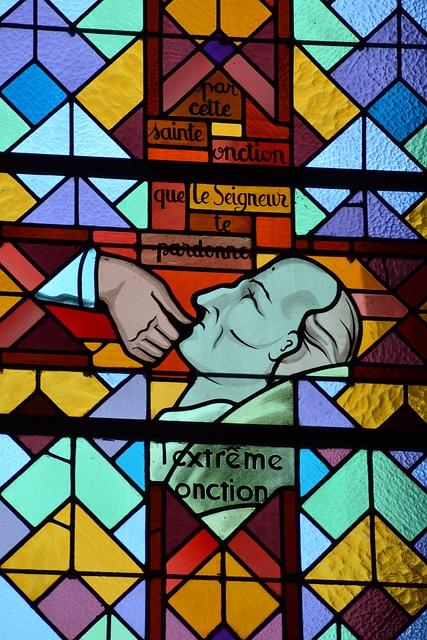
Connection Between Anointing of the Sick and Christian Initiation
The Anointing of the Sick and Christian Initiation are both important sacraments in the Catholic faith that hold significant spiritual significance. While they may seem to serve different purposes, there is actually a strong connection between the two rituals.
One way in which the Anointing of the Sick is linked to Christian Initiation is through the concept of healing and renewal. Just as Christian Initiation marks the beginning of a new life in Christ through Baptism and Confirmation, the Anointing of the Sick brings spiritual healing and strength to those who are suffering physically, emotionally, or spiritually.
Another connection between the two sacraments is the idea of initiation into the community of believers. When someone receives the Anointing of the Sick, it is a reminder of their place within the Body of Christ and the support and prayers of the wider Christian community. This sense of belonging and connection is also present in the rites of Christian Initiation, where individuals are welcomed into the Church family.
Overall, while the Anointing of the Sick may not be traditionally considered a sacrament of Christian Initiation, it is clear that there are strong ties between the two rituals. Both play a crucial role in the spiritual journey of believers, providing healing, strength, and a sense of belonging within the Christian community.
Key Differences Between Anointing of the Sick and Other Sacraments
While the Anointing of the Sick is indeed a sacrament, it is important to note that it differs from the other sacraments in several key ways:
<ul>

    <li><strong>Purpose:</strong> The Anointing of the Sick is specifically intended for those who are ill or suffering, offering them strength, peace, and healing in body and soul. In contrast, the other sacraments have different purposes such as initiation (Baptism, Confirmation) or forgiveness of sins (Confession, Eucharist).</li>

    <li><strong>Recipient:</strong> The Anointing of the Sick is typically administered to individuals who are seriously ill or facing a major surgery, while other sacraments are available to all members of the Church at different stages of their spiritual journey.</li>

    <li><strong>Effect:</strong> The Anointing of the Sick brings comfort and grace to the recipient, strengthening them in their time of need. The other sacraments also bring grace, but for different purposes such as initiation into the Church or forgiveness of sins.</li>

</ul>

<table class="wp-block-table">

    <thead>

        <tr>

            <th>Anointing of the Sick</th>

            <th>Other Sacraments</th>

        </tr>

    </thead>

    <tbody>

        <tr>

            <td>For the ill and suffering</td>

            <td>For initiation, forgiveness, etc.</td>

        </tr>

        <tr>

            <td>Administered to seriously ill</td>

            <td>Available to all members</td>

        </tr>

        <tr>

            <td>Brings comfort and grace</td>

            <td>Brings grace for various purposes</td>

        </tr>

    </tbody>

</table>
Historical Context of Anointing of the Sick in Christian Tradition
In the , this sacrament holds a significant place in the life of believers. Dating back to the early Church, the practice of anointing the sick with oil and praying for their healing and spiritual well-being has been a cherished tradition handed down through generations.
Anointing of the Sick is not considered a sacrament of Christian initiation, as it is typically associated with the Sacraments of Baptism, Confirmation, and Eucharist. However, it is categorized as one of the Sacraments of Healing along with the sacrament of Penance (Confession). Each sacrament serves a specific purpose in the spiritual life of a Christian, with Anointing of the Sick being focused on healing and spiritual strength during times of illness or suffering.
The ritual of Anointing of the Sick involves the priest anointing the forehead and hands of the sick person with oil, while offering prayers for healing and strength. This sacrament is not only a physical gesture of care and compassion but also a spiritual reminder of God’s presence and love in times of hardship. Through the anointing of oil and prayers, the sick person is invited to experience God’s healing grace and find peace in their affliction.
The Role of Anointing of the Sick in the Healing Process
Anointing of the Sick is a sacrament in the Catholic Church that is often misunderstood. While it is closely associated with healing, it is not actually a sacrament of Christian initiation like Baptism, Confirmation, and Eucharist. Instead, Anointing of the Sick is a sacrament of healing that is intended to bring spiritual and physical strength to those who are experiencing illness or old age.
During the sacrament of Anointing of the Sick, a priest will anoint the forehead and hands of the person with blessed oil. This act is meant to signify healing, forgiveness, and strength in facing the challenges of illness. The sacrament is not only for those who are facing a life-threatening illness, but also for those who are preparing for a serious medical procedure or experiencing the frailty of old age.
While Anointing of the Sick is not a sacrament of Christian initiation, it is a crucial part of the healing process for many Catholics. It can bring comfort, peace, and strength to those who are suffering, and it is an important way for the Church to show care and compassion for its members in times of need. So, while Anointing of the Sick may not be a sacrament of initiation, it is certainly a sacrament of healing and grace within the Catholic tradition.
Debunking Common Misconceptions About Anointing of the Sick
When it comes to the Anointing of the Sick, there are many misconceptions that have been perpetuated over time. One common misconception is that the Anointing of the Sick is a sacrament of Christian initiation. However, this is not the case. The Anointing of the Sick is actually one of the seven sacraments of the Catholic Church, and it is specifically intended for those who are seriously ill or facing a major health crisis.
Here are some common misconceptions about the Anointing of the Sick:
- It is only for those on their deathbed: While the Anointing of the Sick can certainly be administered to those who are in danger of death, it is also appropriate for those facing serious illness or undergoing major surgery.
- It is only for physical ailments: The sacrament can also provide spiritual strength and healing for those who are suffering emotionally or mentally, in addition to physical ailments.
- It guarantees physical healing: While the Anointing of the Sick can bring about physical healing in some cases, its primary purpose is to offer spiritual healing and comfort to the individual.
So, the next time you encounter a discussion about the Anointing of the Sick, remember that it is not a sacrament of Christian initiation, but rather a powerful sacrament that provides spiritual healing and comfort to those in need.

How Anointing of the Sick Strengthens Christian Initiation
Anointing of the Sick is often viewed as a sacrament that is separate from Christian initiation, but in reality, it plays a crucial role in strengthening the bonds of initiation within the Christian faith. This sacrament, typically administered to those who are seriously ill or approaching death, is a powerful symbol of the healing and comforting presence of God in times of physical and emotional distress.
Through the anointing with oil and prayers offered by a priest, the recipient is not only physically comforted but also spiritually fortified. It is in these moments of vulnerability that the individual’s faith is deepened and their connection to the Christian community is reaffirmed. The Anointing of the Sick serves as a reminder of the Christian’s ultimate hope in the promise of eternal life and the healing power of God’s grace.
In essence, the Anointing of the Sick can be seen as a continuation of the Christian initiation process, marking a new stage in the believer’s journey of faith. Just as the sacraments of Baptism, Confirmation, and the Eucharist are pivotal moments in a Christian’s life, so too is the Anointing of the Sick a sacred rite that strengthens the bonds of initiation and prepares the individual for their eventual union with God. Through this sacrament, the recipient is not only healed physically but also spiritually renewed and strengthened for the challenges that lie ahead.
Integration of Anointing of the Sick into the Entire Christian Life
Anointing of the Sick is a sacrament recognized by the Catholic Church as a powerful means of grace for those who are suffering from illness or facing the end of their life. While it is often associated with the last rites, Anointing of the Sick is actually meant to be integrated into the entire Christian life, offering strength and healing to those in need.
This sacrament is not just reserved for those on their deathbed, but can also be received by anyone who is seriously ill, elderly, or facing a major surgery. By receiving this sacrament, individuals are united more closely to Christ and are given the grace to endure their suffering with faith and hope.
Anointing of the Sick is a sacrament of healing, both physically and spiritually. It is a reminder to the faithful that God is present in their suffering and is there to offer comfort and strength. By integrating this sacrament into the entire Christian life, individuals can experience the transformative power of God’s grace in times of trial and difficulty.
Through the Anointing of the Sick, Christians are reminded of the importance of praying for the sick and offering support to those in need. This sacrament serves as a powerful expression of the Christian community’s solidarity with the suffering and a reminder of the ultimate healing that awaits us in the kingdom of God.
Tips for Receiving Anointing of the Sick with Reverence and Faith
When receiving the Anointing of the Sick, it is important to approach the sacrament with reverence and faith. Here are some tips to help you prepare and receive this sacrament with the proper mindset:
- Prepare your heart: Before receiving the Anointing of the Sick, take some time to reflect on your need for healing, both physical and spiritual. Open your heart to receive God’s grace and mercy.
- Confess your sins: It is recommended to confess your sins before receiving the sacrament. This will help prepare you to receive God’s grace and forgiveness more fully.
- Pray for healing: Offer prayers for healing, both for yourself and for others who are in need of God’s healing touch. Trust in God’s will and His plan for your life.
- Receive with faith: Approach the sacrament with faith and trust in God’s power to heal. Believe that through the Anointing of the Sick, God will bring you peace, comfort, and healing.

The Future of Anointing of the Sick in Christian Initiation
Anointing of the Sick is often considered one of the seven sacraments in the Catholic Church, alongside Baptism, Eucharist, Confirmation, Reconciliation, Matrimony, and Holy Orders. However, when it comes to Christian initiation, there is some debate about whether Anointing of the Sick should be included as one of the sacraments received by individuals entering into the faith.
Traditionally, the sacraments of Christian initiation are seen as Baptism, Confirmation, and Eucharist. These three sacraments are believed to bring individuals into full communion with the Church and initiate them into the Christian faith. Anointing of the Sick, on the other hand, is often associated with healing and protection during times of illness or adversity, rather than with initiation into the faith.
While Anointing of the Sick may not be considered a sacrament of Christian initiation in the traditional sense, it still holds significant importance within the Catholic Church. It is a sacrament that brings comfort, healing, and strength to individuals who are suffering physically, emotionally, or spiritually. Whether or not it is included in the initiation process, Anointing of the Sick remains a powerful and meaningful sacrament for those in need.
The Conclusion
In conclusion, the Anointing of the Sick is not considered a sacrament of Christian Initiation, but rather a sacrament that offers comfort, healing, and strength to those who are suffering. Understanding the purpose and significance of this sacrament can deepen our appreciation for the spiritual care and support it provides to those in need. So next time you encounter someone receiving this sacrament, you can rest assured knowing its importance and power in their journey of faith.
Get our latest guides, news, and insights highlighted in your Google Search & AI Overviews.


 URGENT: PAGE CLOSING SOON!