

How to Assist at Latin Mass? Ecclesiastical Practices Explored
Are you curious about the traditions and practices of the Latin Mass? Whether you are a seasoned attendee or a newcomer to this ancient form of worship, understanding how to assist at Latin Mass can deepen your spiritual experience. In this article, we will explore ecclesiastical practices associated with the Latin Mass, providing guidance on how to fully engage in this beautiful and reverent liturgical tradition. Let’s delve into the rich history and meaning behind the Latin Mass and discover how you can actively participate in this sacred ceremony.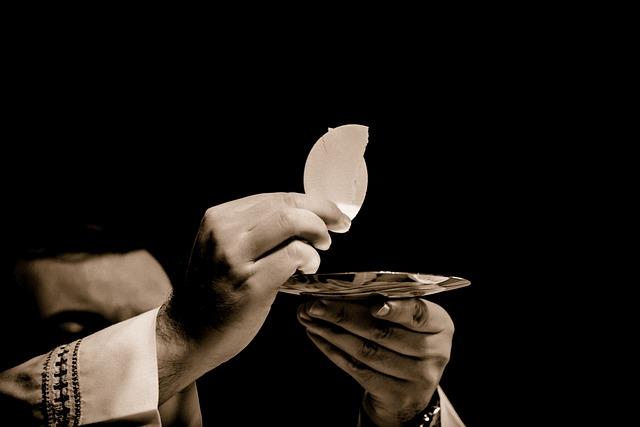
Contents
- – Understanding the Structure of the Latin Mass
- – Reverence and Participation: Balancing Active Involvement with Sacred Silence
- – Dress Code and Etiquette: Appropriate Attire for Attending Latin Mass
- – Involvement in Responses and Chanting: Engaging with the Liturgy
- – Following Along: Tips for Navigating the Latin Missal
- – Posture and Gestures: Reverent Body Language during Mass
- – Receiving Communion: Guidelines and Practices at Latin Mass
- – Attentiveness and Focus: Avoiding Distractions during the Liturgy
- In Retrospect
– Understanding the Structure of the Latin Mass
The Latin Mass, also known as the Extraordinary Form of the Roman Rite, is a rich and ancient liturgical tradition that dates back centuries. Understanding the structure of the Latin Mass is essential for those who wish to participate in this sacred form of worship. Here are some key elements to keep in mind:
Introductory Rites: The Latin Mass begins with prayers, readings, and the Sign of the Cross. This sets the tone for the rest of the Mass and prepares the faithful for the sacred mysteries to come.
Liturgy of the Word: This part of the Mass includes readings from Scripture, a homily, and prayers of the faithful. It is a time for reflection and instruction, as the Word of God is proclaimed and explained.
Liturgy of the Eucharist: The central focus of the Latin Mass is the Eucharist, where bread and wine are consecrated and become the Body and Blood of Christ. This is a solemn and awe-inspiring moment that calls for reverence and devotion.
- Concluding Rites: The Latin Mass concludes with a final blessing and dismissal. It is a time to offer thanksgiving for the graces received and to go forth in peace to carry out the mission of the Church.
Understanding the structure of the Latin Mass is the first step in fully participating in this beautiful and timeless form of worship. It is a profound experience that can deepen your faith and help you grow closer to God.
– Reverence and Participation: Balancing Active Involvement with Sacred Silence
In order to properly assist at a Latin Mass, it is important to strike a delicate balance between active participation and reverent silence. This involves engaging in the various prayers, responses, and rituals of the Mass while also allowing for moments of quiet contemplation and reverence. Here are some tips on how to achieve this balance effectively:
Follow along with the Missal: Utilize a missal to follow along with the prayers and readings of the Mass in Latin. This will help you to actively participate in the liturgy while staying connected to the sacred language of the Church.
Engage in the responses: Respond to the prayers and acclamations of the priest and deacon during the Mass. This active involvement helps to create a sense of unity and community within the congregation.
Respectful silence: At moments of consecration and other key parts of the Mass, maintain a respectful silence to allow for a deeper connection with the sacred mysteries being celebrated.
- Examine your heart: Take time during the Mass to reflect on your own spiritual journey and offer your intentions and concerns to God in prayer. This inner reflection can enhance the overall experience of the Latin Mass.
Incorporating these practices into your participation at a Latin Mass can help you to engage more fully with the sacred liturgy while also maintaining a sense of reverence and awe.
– Dress Code and Etiquette: Appropriate Attire for Attending Latin Mass
General Dress Code:
When attending a Latin Mass, it is important to dress modestly and respectfully. For men, this typically means wearing a suit or dress pants with a collared shirt and tie. Women are encouraged to wear dresses or skirts that are at least knee-length and with sleeves. Avoiding shorts, flip-flops, and overly casual attire is key to showing reverence for the sacredness of the Mass.
Specific Attire Guidelines:
- Men should wear dark colors and avoid loud patterns or prints.
- Women may opt for a mantilla or chapel veil as a sign of reverence, although it is not required.
- Children should also be dressed appropriately, with girls in dresses and boys in slacks and a button-down shirt.
| Recommended Attire | Avoid |
|---|---|
| Men: Suit or dress pants, collared shirt, tie | Shorts, flip-flops, casual t-shirts |
| Women: Modest dresses or skirts, sleeved tops | Low-cut tops, mini-skirts, leggings as pants |
Remember, dressing appropriately for Latin Mass is not about showing off or following fashion trends, but about showing respect and reverence for the sacred liturgy. By following these simple guidelines, you can fully participate in the beauty and solemnity of the Latin Mass.

– Involvement in Responses and Chanting: Engaging with the Liturgy
When attending a Latin Mass, active participation is key in engaging with the liturgy. Here are some ways to effectively involve yourself in responses and chanting during the Mass:
**1. Learn the responses:** Familiarize yourself with common responses such as “Et cum spiritu tuo” (And with your spirit) and “Deo gratias” (Thanks be to God). Knowing these responses will allow you to confidently participate in the prayers of the Mass.
**2. Follow along with the chant:** Listen attentively to the Gregorian chants being sung during the Mass. You can also follow along with a Latin-English missal to understand the meaning of the chants and join in when appropriate.
**3. Respond with reverence:** When responding to the priest or deacon, do so with a sense of reverence and respect. Offer your responses with a clear voice and in a tone that reflects the sacredness of the liturgy.
**4. Engage with the liturgy:** Engage your heart and mind in the prayers and chants of the Mass. Allow yourself to be fully present in the moment, offering your prayers and responses with sincerity and devotion.
Overall, by actively participating in responses and chanting during the Latin Mass, you can enrich your worship experience and deepen your engagement with the sacred liturgy.
In order to assist at a Latin Mass, it is important to familiarize yourself with the traditional ecclesiastical practices that are utilized during the celebration. Understanding these practices will help you to fully immerse yourself in the beauty and reverence of the Latin Mass. Here are some tips for navigating the Latin Missal:
- Learn the Ordinary of the Mass: The Ordinary of the Mass consists of the parts of the Mass that remain the same regardless of the day or liturgical season. Familiarize yourself with the prayers, responses, and chants that are commonly used during the Latin Mass.
- Follow Along with a Missal: It can be helpful to follow along with a Latin-English Missal in order to understand the prayers and readings that are being said during the Mass. This will allow you to actively participate in the celebration and deepen your understanding of the liturgy.
- Observe Reverence and Silence: The Latin Mass is known for its reverence and solemnity. It is important to conduct yourself with reverence and silence while in the presence of the Blessed Sacrament. This includes genuflecting, making the sign of the cross, and refraining from unnecessary chatter.
| Tip | Explanation |
|---|---|
| Arrive early | Give yourself time to prepare spiritually before the Mass begins. |
| Receive Holy Communion on the tongue | Follow the traditional practice of receiving the Eucharist on the tongue while kneeling at the Communion rail. |

– Posture and Gestures: Reverent Body Language during Mass
During the Latin Mass, it is essential to maintain a respectful and reverent demeanor through proper posture and gestures. Here are some important guidelines to follow when assisting at the Latin Mass to show reverence and respect:
– **Kneeling**: Kneeling is a common posture during the Latin Mass, especially during times of consecration and before receiving Communion. It is a sign of humility and adoration towards the Eucharist.
– **Folded Hands**: When standing or sitting, it is customary to fold your hands in prayer. This gesture shows reverence and focus during the sacred liturgy.
– **Bowing**: Bowing your head during certain parts of the Mass, such as when the name of Jesus is mentioned or during the Creed, is a sign of respect and acknowledgment of the divine presence.
– **Sign of the Cross**: Making the sign of the cross at various points in the Mass, such as before and after the Gospel reading, before and after receiving Communion, and at the final blessing, is a way to invoke God’s protection and blessing.
By following these practices of proper posture and gestures, you can actively participate in the Latin Mass with reverence and devotion. Remember, these actions not only show respect for the sacred liturgy but also help you to engage more deeply in the mysteries being celebrated.
– Receiving Communion: Guidelines and Practices at Latin Mass
When attending a Latin Mass, it is important to be aware of the guidelines and practices for receiving communion. Here are some key points to keep in mind:
- Proper Disposition: Before approaching the altar, ensure that you are in a state of grace and properly disposed to receive the Eucharist.
- Modesty: Dress modestly and reverently when receiving communion, as a sign of respect for the Body and Blood of Christ.
- Traditional Posture: In the Latin Mass, it is common to receive communion on the tongue while kneeling at the communion rail.
- Reverence: Approach the altar with a sense of reverence and humility, acknowledging the sacredness of the moment.
| Do | Don’t |
|---|---|
| Make a sign of reverence before receiving communion. | Chew gum or have any distractions. |
| Respond “Amen” when the priest says “The Body of Christ.” | Receive communion if you are not in a state of grace. |

– Attentiveness and Focus: Avoiding Distractions during the Liturgy
Attending a Latin Mass can be a deeply spiritual experience, but it requires a certain level of attentiveness and focus to truly benefit from the prayers and rituals. Here are some tips to help you avoid distractions during the liturgy:
- Arrive early to settle in and prepare yourself mentally for the Mass.
- Find a quiet and respectful place to sit or kneel, away from potential distractions.
- Keep your mind focused on the prayers and readings, meditating on their meaning and significance.
- Try to participate actively in the responses and gestures of the Mass, engaging with the liturgy in body and spirit.
Remember, the Latin Mass is a solemn and reverent occasion, and it is important to approach it with the right attitude and mindset. By staying attentive and avoiding distractions, you can fully immerse yourself in the beauty and mystery of the liturgy.
In Retrospect
In conclusion, assisting at a Latin Mass can be a beautiful and enriching experience for any Catholic looking to deepen their understanding and appreciation of the Church’s rich traditions. By familiarizing yourself with the ecclesiastical practices and embracing the solemnity and reverence of the Latin Mass, you can truly connect with the timeless beauty of the liturgy. So whether you are a seasoned veteran or a newcomer to the Latin Mass, remember to approach it with an open heart and mind, and allow yourself to be immersed in the sacred beauty of this ancient form of worship.
Get our latest guides, news, and insights highlighted in your Google Search & AI Overviews.


 PROSPERITY PRAYER