
Historical Inquiry: Did the Catholic Church Abolish the Latin Mass?
In the realm of historical inquiry, one question that has sparked much debate and curiosity is whether the Catholic Church abolished the Latin Mass. Delving into the intricacies of this topic reveals a complex and nuanced history that cannot be easily summarized. Let’s explore the facts and controversies surrounding this matter to better understand its significance in the context of Catholicism.
Contents
- The Historical Context of the Latin Mass
- Key Events Leading to Changes in the Catholic Church
- Debunking Myths Surrounding the Abolishment of the Latin Mass
- Examining the Motivations Behind Vatican II Reforms
- Exploring the Role of Pope Paul VI in Liturgical Changes
- The Continuation of the Latin Mass Despite Reforms
- Understanding the Different Forms of the Latin Mass Today
- Challenges and Controversies Surrounding the Latin Mass Restoration Efforts
- Recommendations for Further Research on the Topic
- The Conclusion
The Historical Context of the Latin Mass
In the early 1960s, the Second Vatican Council brought about significant changes to the Catholic Church, including the Mass. While the official language of the Mass was traditionally Latin, the Vatican II reforms allowed for the use of vernacular languages, such as English, in the liturgy. This change was intended to make the Mass more accessible to the faithful and to foster a greater sense of participation among the congregation.
However, it is important to note that the Latin Mass was not abolished by the Catholic Church. In 2007, Pope Benedict XVI issued a motu proprio entitled "Summorum Pontificum," which granted greater freedom for priests to celebrate the Latin Mass, also known as the Extraordinary Form of the Roman Rite. This gesture was seen as a way to preserve the Church’s rich tradition and to accommodate the desires of those who prefer the older form of the Mass.
The Latin Mass has a long and rich history within the Catholic Church, dating back to the earliest centuries of Christianity. It served as the universal language of worship for the Church and was seen as a source of unity among Catholics worldwide. Today, the Latin Mass continues to be celebrated in various parishes and communities around the world, attracting a dedicated following of faithful who appreciate its reverence and beauty.
Key Events Leading to Changes in the Catholic Church
The Catholic Church has a long and complex history, filled with significant events that have shaped its practices and beliefs. One pivotal moment in recent history was the Second Vatican Council, which took place from 1962 to 1965. This council brought about significant changes in the Catholic Church, including reforms to the liturgy and the celebration of the Mass.
One of the most notable changes following the Second Vatican Council was the introduction of the vernacular language in the Mass, allowing for greater participation and understanding among the laity. This move away from the traditional Latin Mass was met with both praise and criticism.
While the Latin Mass was not officially abolished by the Catholic Church, its use declined significantly in favor of the more accessible vernacular Mass. However, there has been a resurgence in interest in the Latin Mass in recent years, with Pope Benedict XVI issuing a Motu Proprio in 2007 allowing for its wider celebration.
Ultimately, the changes in the Catholic Church regarding the celebration of the Mass are a reflection of the ever-evolving nature of the Church and its response to the needs and desires of its faithful.
Debunking Myths Surrounding the Abolishment of the Latin Mass
There are many misconceptions surrounding the belief that the Catholic Church abolished the Latin Mass. In reality, the situation is more nuanced than many people realize. Let’s take a closer look at some of the myths surrounding the abolishment of the Latin Mass.
Myth 1: The Catholic Church completely eliminated the Latin Mass.
Contrary to popular belief, the Latin Mass was not completely abolished by the Catholic Church. While changes were made to the liturgy following the Second Vatican Council in the 1960s, the Latin Mass was not eradicated entirely. In fact, Pope Benedict XVI issued a motu proprio in 2007 that allowed for greater accessibility to the Latin Mass.
Myth 2: The Latin Mass is no longer relevant in modern times.
Some may argue that the Latin Mass is outdated and has no place in modern society. However, many Catholics find great value in the beauty and tradition of the Latin Mass. It is a way for believers to connect with the history of the Church and experience the sacredness of the liturgy in a meaningful way.
Examining the Motivations Behind Vatican II Reforms
One of the most controversial topics surrounding Vatican II is the reform of the Latin Mass. The decision to allow for Mass to be celebrated in the vernacular languages instead of solely in Latin sparked debate among Catholics worldwide. But what were the motivations behind this significant change?
Historical inquiry into the Vatican II reforms reveals a complex mixture of factors that led to the decision to abolish the Latin Mass. Some of the key motivations include:
- Pastoral Concerns: Vatican II aimed to make the liturgy more accessible and understandable to the faithful. By allowing Mass to be celebrated in the vernacular, the Church sought to strengthen the spiritual connection between priests and the laity.
- Ecumenical Outreach: Embracing vernacular languages in the liturgy was also seen as a way to promote unity and dialogue with other Christian denominations. This move was part of the Church’s effort to engage in ecumenical dialogue and foster greater understanding among Christians.
- Cultural Relevance: The decision to abolish the Latin Mass was also influenced by a desire to make the liturgy more relevant to modern-day believers. By using the languages spoken by the faithful, the Church sought to make the Mass more relatable and engaging for contemporary worshippers.
Exploring the Role of Pope Paul VI in Liturgical Changes
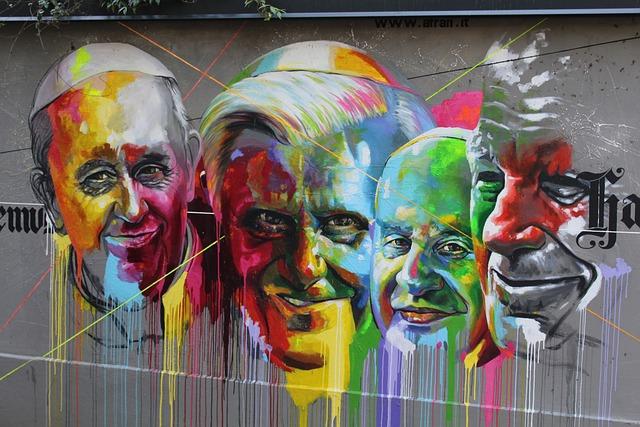
One of the most controversial decisions made by Pope Paul VI during his pontificate was the revision of the Roman Missal, which led to significant changes in the liturgy of the Catholic Church. However, it is important to note that the Latin Mass was not abolished, but rather revised and replaced with a new form of the Mass known as the Novus Ordo Mass. This new form of the Mass was introduced in 1969 and was intended to make the liturgy more accessible to the modern world.
The revisions made by Pope Paul VI included changes to the language used in the Mass, the structure of the liturgy, and the participation of the congregation. The use of Latin was no longer mandatory, and vernacular languages could now be used in the Mass. Additionally, the priest now faced the congregation during the celebration of the Mass, allowing for more direct engagement with the faithful.
Despite the changes introduced by Pope Paul VI, the Latin Mass continued to be celebrated in some communities, particularly among traditionalist Catholics who preferred the older form of the liturgy. In 2007, Pope Benedict XVI issued a motu proprio allowing for wider celebration of the Latin Mass, reaffirming the importance of preserving this ancient form of worship within the Catholic Church.
The Continuation of the Latin Mass Despite Reforms
Despite the reforms introduced by the Second Vatican Council in the 1960s, the Latin Mass continues to be celebrated in certain Catholic churches around the world. While the Council encouraged the use of vernacular languages in the liturgy, it did not explicitly abolish the use of Latin. This has led to a debate among Catholics about the significance and relevance of the Latin Mass in the modern era.
Proponents of the Latin Mass argue that it serves as a link to the traditions of the Catholic Church and provides a sense of continuity with the past. They believe that the use of Latin adds a sense of reverence and transcends cultural and language barriers. Additionally, some argue that the Latin Mass conveys a sense of the sacred that is lacking in modern liturgies.
On the other hand, critics of the Latin Mass argue that it can be exclusionary and alienating to those who do not understand Latin. They believe that the use of the vernacular in the liturgy makes the Mass more accessible and meaningful to the faithful. Additionally, some argue that the focus on Latin detracts from the message of the Mass and can lead to a sense of elitism among those who prefer it.
Understanding the Different Forms of the Latin Mass Today
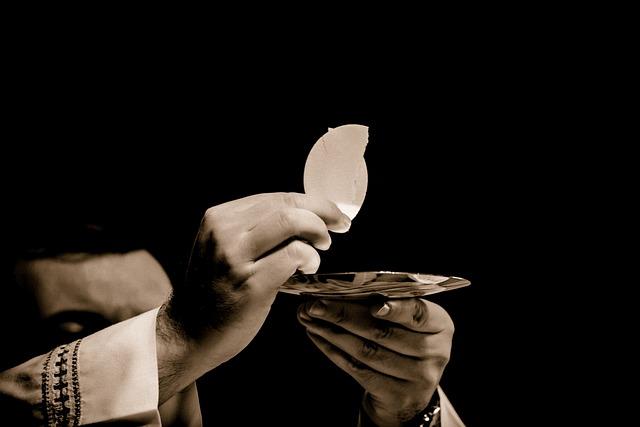
There is often confusion surrounding the different forms of the Latin Mass in the Catholic Church today. One common misconception is that the Church abolished the Latin Mass entirely, which is not entirely accurate. Here, we will explore the various forms of the Latin Mass that are still celebrated today.
1. Traditional Latin Mass:
- The Traditional Latin Mass, also known as the Tridentine Mass, is the pre-Vatican II form of the Mass.
- It is celebrated in Latin and follows the rubrics established by the Council of Trent in the 16th century.
- This form of the Mass is characterized by its use of Gregorian chant, prayers at the foot of the altar, and the priest facing ad orientem (towards the East).
2. Novus Ordo Mass:
- The Novus Ordo Mass, also known as the Ordinary Form of the Mass, is the form of the Mass promulgated by Pope Paul VI after the Second Vatican Council.
- It is celebrated in the vernacular language of the people and allows for more active participation by the congregation.
- This form of the Mass is characterized by its use of modern hymns, prayers of the faithful, and the priest facing the congregation.
| Form of the Latin Mass | Language |
|---|---|
| Traditional Latin Mass | Latin |
| Novus Ordo Mass | Vernacular |
In conclusion, while the Catholic Church did make changes to the celebration of the Mass after the Second Vatican Council, the Latin Mass has not been abolished. Both the Traditional Latin Mass and the Novus Ordo Mass are valid forms of worship within the Church, each with its own rich traditions and history.

Challenges and Controversies Surrounding the Latin Mass Restoration Efforts
While many Catholics are enthusiastic about the efforts to restore the Latin Mass, there are a number of challenges and controversies that surround this movement. One of the main points of contention is the historical question of whether the Catholic Church actually abolished the Latin Mass.
Some argue that the Second Vatican Council, which took place from 1962 to 1965, did not explicitly abolish the Latin Mass but rather provided for greater use of the vernacular languages in the liturgy. Others believe that the promulgation of the Novus Ordo Missae, or the new order of the Mass, effectively replaced the Latin Mass and relegated it to a secondary status.
Furthermore, the motu proprio Summorum Pontificum, issued by Pope Benedict XVI in 2007, sought to liberalize the use of the Latin Mass by allowing for greater access to the pre-Vatican II Missal. However, the implementation of this document has been met with resistance from some clergy and laity who view it as a step backward in the liturgical reforms of Vatican II.

Recommendations for Further Research on the Topic
Further research on the topic of whether the Catholic Church abolished the Latin Mass could provide valuable insights into the history of liturgical practices within the Church. Here are some recommendations for future investigations:
- Examine Vatican II Documents: Delve into the official documents of the Second Vatican Council to understand the discussions and decisions surrounding the use of the Latin Mass.
- Study Papal Encyclicals: Explore the pronouncements of various popes on the Latin Mass to grasp the evolution of Church teachings on this traditional form of worship.
- Survey Historical Sources: Analyze historical texts, diaries, and letters from clergy and laity to uncover firsthand accounts of how the Latin Mass was practiced and perceived over the centuries.
- Compare Liturgical Changes: Compare and contrast the pre- and post-Vatican II liturgical practices to evaluate the extent of changes made to the celebration of the Mass.
The Conclusion
In conclusion, through historical inquiry, it is evident that the Catholic Church did abolish the Latin Mass. Despite the long tradition and significance of this ancient liturgy, changes were made in the interest of modernizing and connecting with the faithful in a more accessible way. Whether you are a traditionalist mourning the loss of the Latin Mass or a supporter of the changes, understanding the reasons behind this decision can provide valuable insight into the evolution of the Catholic Church. By delving into the history behind this controversial topic, we gain a deeper appreciation for the complexities of religious practices and beliefs.
Get our latest guides, news, and insights highlighted in your Google Search & AI Overviews.


 ELITE NEUROSCIENCE DISCOVERY