

Exploring the Concept of Religious Sacrament
Religious sacraments have long been integral to the practice of various faith traditions, serving as powerful symbols of spiritual significance and divine grace. In this article, we will delve into the concept of religious sacraments, exploring their meanings, purposes, and significance within different religious contexts. Join us on this enlightening journey as we unravel the mysteries and profound significance of these sacred rites.
Contents
- Understanding the Historical Origins of Religious Sacraments
- Exploring the Various Interpretations of Sacraments Across Different Faiths
- The Importance of Sacraments in Spiritual Growth and Development
- Examining the Role of Clergy in Administering Sacraments
- Comparing and Contrasting the Seven Sacraments in the Catholic Church
- The Seven Sacraments in the Catholic Church
- The Sacraments of Initiation: Baptism, Confirmation, and Eucharist
- The Sacraments of Healing: Reconciliation and Anointing of the Sick
- The Sacraments of Vocation: Matrimony and Holy Orders
- Tips for Enhancing Your Experience of Sacraments in Your Faith Tradition
- Common Misconceptions About Sacraments: Dispelling Myths and Misinformation
- The Way Forward
Understanding the Historical Origins of Religious Sacraments
Religious sacraments have played a significant role in various faith traditions throughout history, serving as sacred rituals that symbolize the beliefs and values of a particular religion. These ceremonies are often seen as a means of connecting with the divine and receiving spiritual grace. To truly understand the significance of religious sacraments, it is essential to explore their historical origins and the cultural contexts in which they emerged.
One of the earliest examples of religious sacraments can be found in ancient civilizations such as Mesopotamia and Egypt, where rituals and ceremonies were performed to honor and appease the gods. These early practices laid the foundation for the development of sacraments in later religions, such as Judaism, Christianity, Islam, Hinduism, and Buddhism. Each religion has its unique set of sacraments that reflect its beliefs and teachings.
Across different faith traditions, sacraments serve various purposes, including initiation, purification, healing, and marriage. For example, the Christian sacraments of baptism and communion symbolize purification and the remembrance of Jesus Christ’s sacrifice, while the Hindu sacrament of marriage represents the union of two souls. Understanding the historical origins of these sacraments can provide insight into the cultural significance and symbolism attached to them.
Overall, the concept of religious sacraments is a fascinating and complex topic that reflects the diverse spiritual beliefs and practices of humanity. By delving into the historical origins of these rituals, we gain a deeper appreciation for their importance and the role they play in fostering a connection with the divine.
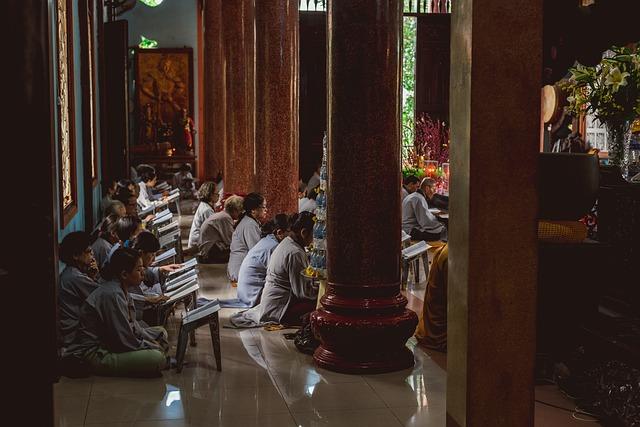
Exploring the Various Interpretations of Sacraments Across Different Faiths
When it comes to the concept of religious sacraments, it is fascinating to delve into the different interpretations that various faiths hold. Each religion has its own set of beliefs and practices surrounding sacraments, which reflect their unique understanding of spirituality and divine connection.
Christianity: In Christianity, sacraments are seen as sacred rituals that are believed to convey the grace of God to the participants. The most commonly recognized sacraments in Christianity are baptism and communion, also known as the Eucharist. These sacraments are seen as essential practices for spiritual growth and salvation.
Islam: In Islam, the concept of sacraments is not as prominent as in Christianity, but there are still important rituals that hold significance for Muslims. The five pillars of Islam, which include prayer, fasting, pilgrimage, charity, and the declaration of faith, are considered to be central to the practice of the faith and serve as acts of worship and devotion.
Hinduism: In Hinduism, the idea of sacraments is closely tied to the concept of dharma, or right action. Rituals such as puja (worship), yajna (fire offerings), and samskaras (rites of passage) are performed to seek blessings from the divine, purify the soul, and maintain cosmic order.

The Importance of Sacraments in Spiritual Growth and Development
Sacraments hold a significant role in the spiritual growth and development of individuals within many religious traditions. They are seen as outward signs of inward grace, providing believers with a tangible experience of God’s presence in their lives. By participating in sacraments, individuals are able to deepen their connection to their faith and community, as well as receive spiritual nourishment and strength.
One key aspect of sacraments is their ability to serve as moments of transformation for believers. Through the act of receiving a sacrament, individuals are able to experience a profound sense of spiritual renewal and growth. This transformative power helps believers to overcome challenges, strengthen their faith, and deepen their relationship with God.
Additionally, sacraments play a crucial role in fostering community and unity among believers. By participating in sacraments together, individuals are able to share in common rituals and experiences that bind them together as a spiritual family. This sense of unity and fellowship helps believers to support and encourage one another on their spiritual journey.
In conclusion, sacraments are essential components of spiritual growth and development for individuals within religious traditions. They provide believers with opportunities for transformation, renewal, and community building. By embracing the concept of sacraments, individuals are able to deepen their connection to their faith and experience God’s love and grace in a tangible way.

Examining the Role of Clergy in Administering Sacraments
When it comes to the role of clergy in administering sacraments, it is essential to understand the significance of these religious rituals. Sacraments are sacred acts that are believed to convey the grace of God to the recipient. They are seen as outward signs of an inward spiritual reality, marking important milestones in a person’s faith journey.
One of the key roles of clergy in administering sacraments is to officiate these rituals with reverence and respect. They serve as mediators between the individual and God, guiding them through the sacramental process and ensuring its proper execution.
Clergy also play a crucial role in preparing individuals for sacraments, providing guidance, support, and spiritual advice throughout the preparation process. They help individuals understand the significance of the sacrament they are about to receive and guide them in reflecting on its meaning in their lives.
Overall, the role of clergy in administering sacraments is vital in nurturing the spiritual growth and development of individuals within a religious community. Through their guidance and support, clergy help individuals deepen their relationship with God and strengthen their faith.

Comparing and Contrasting the Seven Sacraments in the Catholic Church
The Seven Sacraments in the Catholic Church
In the Catholic Church, sacraments are regarded as visible signs of God’s presence and grace in our lives. The seven sacraments are considered central to the Catholic faith, each one marking a significant milestone in a believer’s spiritual journey. Let’s take a closer look at each of the sacraments, their significance, and how they are celebrated within the Church.
Sacraments of Initiation
- Baptism: Baptism is the first sacrament one receives in the Catholic Church, marking the beginning of a person’s journey as a Christian.
- Confirmation: Confirmation is when a baptized individual affirms and strengthens their commitment to the faith, usually during adolescence.
- Eucharist: The Eucharist, or Holy Communion, is the central sacrament of the Catholic Church, where believers receive the body and blood of Christ.
Sacraments of Healing
- Reconciliation: Also known as Confession, this sacrament allows Catholics to seek forgiveness for sins and reconcile with God and the Church.
- Anointing of the Sick: This sacrament is administered to those who are seriously ill or facing the end of their life, offering healing and comfort.
Sacraments of Service
- Holy Orders: This sacrament is conferred upon men who are ordained as deacons, priests, or bishops to serve the Church and its faithful.
- Matrimony: The sacrament of Matrimony is a sacred union between a man and a woman, blessed by the Church to symbolize Christ’s love for his Church.

The Sacraments of Initiation: Baptism, Confirmation, and Eucharist
Religious sacraments are sacred rituals or ceremonies that are considered to be a visible sign of God’s grace. The Sacraments of Initiation, including Baptism, Confirmation, and Eucharist, are central to the Catholic faith and play a crucial role in the life of a believer. Let us delve deeper into the concept of these sacraments:
- Baptism: Baptism is the first sacrament of initiation and is seen as the beginning of one’s journey of faith. It is a symbolic act of purification and rebirth, where one is cleansed of original sin and welcomed into the Christian community.
- Confirmation: Confirmation is the sacrament where one receives the gift of the Holy Spirit and is strengthened in their faith. It is a personal commitment to Christ and an affirmation of the faith received during Baptism.
- Eucharist: The Eucharist, also known as Holy Communion, is the sacrament in which Catholics partake of the Body and Blood of Christ. It is a celebration of the sacrifice of Jesus on the cross and a source of spiritual nourishment for the faithful.
These sacraments of initiation are essential for a Catholic’s spiritual growth and development. They mark significant milestones in one’s journey of faith and serve as a constant reminder of God’s presence in their lives.

The Sacraments of Healing: Reconciliation and Anointing of the Sick
The Sacraments of Healing in the Catholic Church are powerful religious rituals that offer spiritual healing and grace to those in need. Reconciliation, also known as Confession, is a sacrament where individuals confess their sins to a priest and receive absolution. This act of contrition allows the individual to be reconciled with God and the Church, restoring their relationship with both.
Anointing of the Sick is another sacrament of healing that is given to those who are seriously ill or facing a health crisis. Through the anointing with blessed oil and prayers, the sick person receives the grace to experience God’s healing presence and strength in their time of need. This sacrament is not only physical healing but also provides spiritual comfort and peace to the individual.
Both Reconciliation and Anointing of the Sick are essential aspects of the Catholic faith that demonstrate God’s love and mercy towards his people. By participating in these sacraments, individuals can experience forgiveness, healing, and renewal in their spiritual journey. It is a way to seek solace in times of trouble and find strength to overcome obstacles through the grace of God.
The Sacraments of Vocation: Matrimony and Holy Orders
The sacraments of Matrimony and Holy Orders are two of the seven sacraments recognized in the Catholic Church. These sacraments are considered sacraments of vocation because they are meant to serve as a calling to a specific way of life within the Church. Matrimony is the sacrament of marriage, where two individuals commit to a lifelong partnership centered on love, fidelity, and mutual support. Holy Orders, on the other hand, is the sacrament through which individuals are ordained as deacons, priests, or bishops to serve the Church.
In Matrimony, the couple exchanges vows to love and honor each other for better or for worse, in sickness and in health, until death do they part. The sacrament signifies the union between Christ and the Church, with the couple serving as a symbol of Christ’s love for his people. In Holy Orders, those being ordained pledge obedience to the Church hierarchy and commit to serving the faithful through preaching, teaching, and administering the sacraments.
Both Matrimony and Holy Orders are seen as essential sacraments within the Church, as they help to build and sustain the community of believers. Through these sacraments, individuals are called to live out their faith in a particular way, either through the vocation of marriage or through ordained ministry. These sacraments serve as a reminder of the sacred nature of human relationships and the importance of serving others in the name of Christ.
Tips for Enhancing Your Experience of Sacraments in Your Faith Tradition
Enhancing your experience of sacraments in your faith tradition can deepen your connection to your spirituality and strengthen your relationship with your beliefs. Here are some tips to help you make the most of these sacred rituals:
- Reflect on the significance: Take the time to contemplate the meaning behind the sacrament you are participating in. Consider how it aligns with your beliefs and values, and how it contributes to your spiritual journey.
- Prepare yourself spiritually: Engage in prayer, meditation, or other spiritual practices before the sacrament to help you center yourself and create a sacred space within yourself.
- Participate with intention: Approach the sacrament with a clear mind and an open heart. Focus on the present moment and immerse yourself fully in the experience.
| Sacrament | Significance |
|---|---|
| Baptism | Symbolizes rebirth and initiation into the faith community |
| Communion | Represents the body and blood of Christ and the unity of believers |

Common Misconceptions About Sacraments: Dispelling Myths and Misinformation
One common misconception about sacraments is that they are only symbolic rituals with no real significance. In reality, sacraments are sacred practices that are believed to convey divine grace to those who participate in them. They are seen as tangible expressions of God’s presence and love in the world.
Another myth about sacraments is that they are only for certain religious denominations. In truth, sacraments are found in various religious traditions around the world, including Christianity, Islam, Hinduism, and Buddhism. While the specific sacraments may differ between religions, the concept of rituals that connect individuals to the divine is a universal one.
It is also important to dispel the misconception that sacraments are outdated or irrelevant in the modern world. Many people continue to find deep meaning and spiritual nourishment in participating in sacraments, regardless of their religious beliefs. The practice of sacraments can provide comfort, guidance, and a sense of community to individuals seeking connection with the divine.
Lastly, some may believe that sacraments are only for the devoutly religious or spiritually enlightened. However, sacraments are open to all individuals, regardless of their level of faith or understanding. They are meant to be inclusive practices that invite everyone to experience the transformative power of divine grace in their lives.
The Way Forward
In conclusion, delving into the concept of religious sacrament allows us to uncover the profound significance and spiritual power that these acts hold in various faith traditions. Whether it be through baptism, communion, or other rituals, the sacraments serve as portals to the divine, connecting believers to their faith in a tangible and transformative way. By exploring these practices with an open mind and heart, we can gain a deeper understanding of the sacred mysteries that lie at the heart of religious experience. So, next time you witness a sacrament being performed, take a moment to reflect on the spiritual significance and beauty that lies within.
Get our latest guides, news, and insights highlighted in your Google Search & AI Overviews.


 URGENT: PAGE CLOSING SOON!