

Do People Understand the Latin Mass? Exploring Ecclesiastical Understanding
Are you curious about the Latin Mass and how well people truly understand its significance? In this article, we delve into the intricacies of ecclesiastical understanding, exploring the complexities and nuances of this ancient form of worship. Join us as we unravel the mystery behind the Latin Mass and shed light on the misconceptions that surround it.
Contents
- Exploring the History and Background of the Latin Mass
- Key Differences Between the Latin Mass and the Novus Ordo Mass
- Challenges in Understanding Latin Mass: Language Barriers and Symbolism
- Common Misconceptions and Debunking Myths About the Latin Mass
- The Importance of Proper Preparation and Education for Mass Attendees
- Tips for Engaging with and Appreciating the Latin Mass
- Building Community and Fostering Understanding Within Latin Mass Communities
- Seeking Guidance and Support for a Deeper Appreciation and Understanding of the Latin Mass
- Key Takeaways
Exploring the History and Background of the Latin Mass
The Latin Mass, also known as the Tridentine Mass, is a form of worship in the Roman Catholic Church that dates back to the Council of Trent in the 16th century. This ancient liturgy was codified by Pope St. Pius V in 1570 and remained the standard form of the Mass for over four centuries. The Latin Mass is celebrated in ecclesiastical Latin, a language that holds a sacred and universal significance within the Church.
For many Catholics, especially those who grew up post-Vatican II, the Latin Mass can be a source of mystery and intrigue. Its ritualistic nature, use of Gregorian chant, and silent prayers can be unfamiliar and sometimes challenging to grasp. However, for those who have a deep understanding of the history and theology behind the Latin Mass, it can be a profound and spiritually enriching experience.
Despite its perceived complexity, the Latin Mass has a deep-rooted theological significance that is worth exploring. By delving into the history and background of this ancient form of worship, one can gain a deeper appreciation for the traditions and teachings of the Catholic Church. It is through this exploration that individuals can come to a greater understanding of the ecclesiastical significance of the Latin Mass and its role in the life of the Church.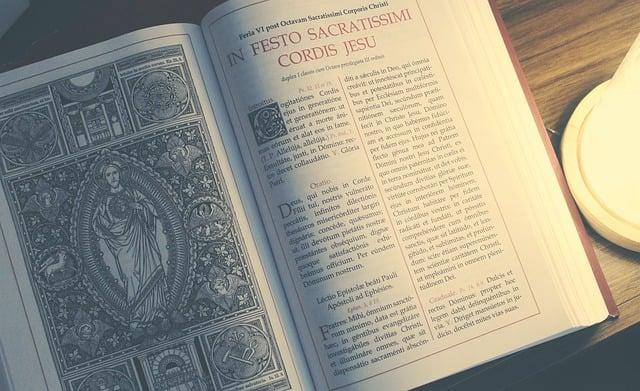
Key Differences Between the Latin Mass and the Novus Ordo Mass
One of the is the use of language. The Latin Mass, also known as the Tridentine Mass, is celebrated in Latin, while the Novus Ordo Mass is typically celebrated in the vernacular language of the local congregation. This linguistic distinction can impact the way worshippers engage with and understand the liturgy.
Another important difference is in the structure and formality of the two masses. The Latin Mass is often seen as more traditional and solemn, with a greater emphasis on ritual and ceremonial gestures. In contrast, the Novus Ordo Mass is generally more streamlined and accessible, with a focus on active participation from the congregation.
Additionally, the Latin Mass and the Novus Ordo Mass may differ in terms of the music and liturgical elements used. The Latin Mass typically features Gregorian chant and traditional hymns, while the Novus Ordo Mass may incorporate a wider variety of musical styles and expressions. These differences can influence the overall atmosphere and experience of the worship service for attendees.
Overall, while both the Latin Mass and the Novus Ordo Mass are valid forms of worship within the Catholic Church, understanding the distinct characteristics of each can deepen one’s appreciation for the rich diversity of liturgical traditions within the faith.
Challenges in Understanding Latin Mass: Language Barriers and Symbolism
One of the main challenges in understanding the Latin Mass lies in the language barriers that exist for many modern-day worshippers. The use of Latin in the liturgy can be difficult for those who are not familiar with the language, leading to a sense of confusion or disconnection during the Mass. This barrier can make it challenging for people to fully engage with the prayers, hymns, and readings that are an integral part of the Latin Mass.
Additionally, the symbolism found within the Latin Mass can be another obstacle for individuals seeking to grasp its meaning. The rich symbolism present in the rituals and prayers of the Latin Mass may be unfamiliar or difficult to interpret for those who are not well-versed in the traditions of the Catholic Church. Understanding the significance behind the various gestures, vestments, and prayers can require a deeper level of knowledge and study.
Despite these challenges, there are resources available to help individuals better comprehend the Latin Mass. From language guides and translations to explanations of the symbolism used in the liturgy, there are ways for worshippers to deepen their understanding and appreciation of this ancient form of worship. By exploring the ecclesiastical significance of the Latin Mass, individuals can gain a greater insight into the history and traditions of the Catholic Church.
Common Misconceptions and Debunking Myths About the Latin Mass
There are many misconceptions surrounding the Latin Mass that have persisted over time. It’s important to address these misunderstandings and debunk the myths that have been perpetuated. By gaining a deeper understanding of the Latin Mass, we can appreciate the rich history and tradition behind this form of worship.
One common misconception is that the Latin Mass is outdated and no longer relevant in the modern world. However, many Catholics find great spiritual fulfillment in attending the Latin Mass and appreciate the reverence and beauty of the ancient language. The Latin Mass connects us to our roots and allows us to participate in a form of worship that has been celebrated for centuries.
Another myth is that the Latin Mass is exclusive and unwelcoming to newcomers. In reality, the Latin Mass community is welcoming to all who seek to deepen their faith and participate in the traditional liturgy. Many parish communities offer resources and support for those interested in learning more about the Latin Mass.
It’s important to dispel these myths and encourage a greater understanding of the Latin Mass. By debunking misconceptions and educating others about the beauty and significance of this form of worship, we can inspire a renewed appreciation for the traditions of the Catholic Church.

The Importance of Proper Preparation and Education for Mass Attendees
Proper preparation and education are essential for mass attendees, especially when it comes to the Latin Mass. Many people may not fully understand the intricacies and significance of this ancient form of worship, leading to confusion or disinterest. By taking the time to educate oneself and prepare for the Latin Mass, attendees can enrich their experience and deepend their connection to the sacred liturgy.
It is important for mass attendees to familiarize themselves with the traditional language, gestures, and rituals of the Latin Mass in order to fully appreciate its beauty and solemnity. Understanding the history and symbolism behind each aspect of the mass can help individuals engage more meaningfully with the prayers and participate fully in the worship experience.
Additionally, proper preparation can help alleviate any anxiety or uncertainty that attendees may feel when attending the Latin Mass for the first time. By studying the order of the mass, learning the responses, and following along with a missal, individuals can feel more confident and comfortable in their worship.
Overall, educating oneself and preparing diligently for the Latin Mass can lead to a more profound spiritual experience and a greater appreciation for the rich traditions of the Catholic Church.
Tips for Engaging with and Appreciating the Latin Mass
One of the key aspects of engaging with and appreciating the Latin Mass is understanding its rich history and significance within the Catholic Church. The Latin Mass, also known as the Tridentine Mass, is rooted in tradition and has been celebrated for centuries. To truly appreciate this form of worship, it is important to delve into its origins and meanings.
Here are some :
- Take the time to research and learn about the history of the Latin Mass
- Attend a Latin Mass with an open mind and heart, allowing yourself to experience the beauty and reverence of the language and rituals
- Participate actively in the Mass by following along with a missal or prayer book
- Reflect on the prayers and hymns in Latin, allowing them to deepen your connection to God and the Church
By immersing yourself in the Latin Mass and seeking to understand its significance, you can develop a deeper appreciation for this ancient form of worship. While it may seem unfamiliar at first, with time and patience, you may come to find great spiritual nourishment and peace in the beauty of the Latin Mass.
Building Community and Fostering Understanding Within Latin Mass Communities
Latin Mass communities provide a unique and sacred worship experience that has been cherished by many Catholics for centuries. However, one common question that arises is: Do people truly understand the Latin Mass and its significance? In order to foster better understanding within these communities, it is important to dive deeper into ecclesiastical understanding and explore ways to promote a sense of unity and community among its members.
One key aspect of building community within Latin Mass communities is education. Providing resources, such as classes or workshops, that focus on the history, symbolism, and traditions of the Latin Mass can help individuals deepen their understanding and appreciation for this form of worship. By sharing knowledge and insights, members can connect on a deeper level and develop a stronger sense of solidarity.
Another important component of fostering understanding within Latin Mass communities is open communication. Providing a platform for members to share their thoughts, reflections, and questions can create a space for dialogue and mutual learning. By encouraging respectful conversations and discussions, individuals can gain new perspectives and insights that contribute to a richer communal experience.

Seeking Guidance and Support for a Deeper Appreciation and Understanding of the Latin Mass
Whether you’re a devout Catholic looking to deepen your faith or simply curious about the traditions and rituals of the Church, can be a rewarding experience. The Latin Mass, also known as the Extraordinary Form of the Roman Rite, is celebrated in Latin and follows a more traditional liturgical structure than the Novus Ordo Mass.
For many Catholics, the Latin Mass can be a source of spiritual nourishment and a connection to centuries of tradition. However, the language barrier and the intricate rituals can sometimes be a challenge to newcomers. Luckily, there are resources available to help you navigate the Latin Mass and gain a deeper understanding of its significance:
- Attend a Latin Mass workshop or orientation session at your local parish.
- Seek guidance from knowledgeable priests or liturgical experts who can explain the symbolism and history behind the Latin Mass.
- Join online forums or social media groups dedicated to discussing the Latin Mass and sharing resources.
- Read books and articles on the topic to deepen your knowledge and appreciation of this ancient form of worship.
Key Takeaways
In conclusion, the Latin Mass holds a rich history and tradition within the Catholic Church, and understanding its significance can deepen one’s spiritual experience. By exploring the ecclesiastical understanding of the Latin Mass, we can appreciate the beauty and reverence of this ancient liturgical practice. Whether you are a lifelong devotee of the Latin Mass or simply curious about its mysteries, delving into its intricacies can offer a profound glimpse into the timeless heritage of the Catholic faith. Let us continue to seek knowledge and understanding in our spiritual journey, drawing from the wisdom of the past to enrich our present-day worship.
Get our latest guides, news, and insights highlighted in your Google Search & AI Overviews.


 URGENT: PAGE CLOSING SOON!