

Cultural Traditions: Discovering What Altar of Symbolize in Different Cultures
Cultural traditions offer a fascinating window into the beliefs and values of different societies around the world. One such intriguing aspect of cultural traditions is the altar, a symbolic structure that holds deep significance in a variety of cultures. Join us as we explore the diverse meanings behind altars in different cultures and uncover the rich tapestry of symbolism they represent.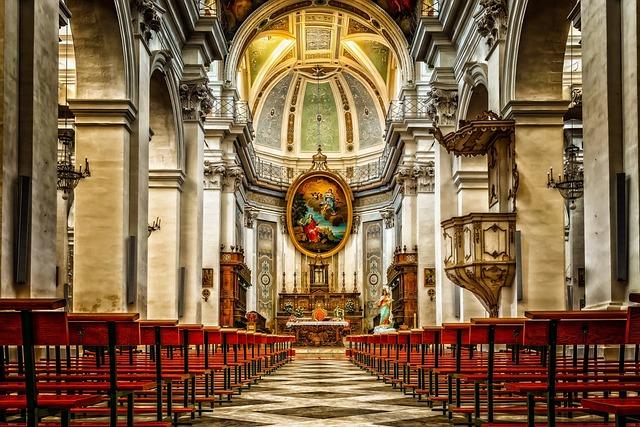
Contents
- – Exploring the Rich Cultural Meaning Behind Altars in Various Societies
- – Understanding the Symbolism of Altars in Different Cultural and Religious Practices
- – Delving into the Intricate Designs and Significance of Altars around the World
- – Uncovering the Historical Roots and Traditions of Altars in Global Cultures
- – Immersing Yourself in the Sacred Rituals and Beliefs Embedded in Altar Symbolism
- – Recognizing the Diverse Functions and Purposes of Altars in Various Cultural Contexts
- – Comparing and Contrasting Altar Symbolism in Eastern and Western Cultures
- – Admiring the Artistic Beauty and Spiritual Depth of Altars from Different Regions
- – Reflecting on the Universal Themes and Values Represented by Altars in Global Traditions
- Closing Remarks
– Exploring the Rich Cultural Meaning Behind Altars in Various Societies
In different cultures around the world, altars hold significant cultural and spiritual meaning. These structures are more than just a surface for placing offerings; they symbolize beliefs, traditions, and connections to the divine. Let’s take a closer look at the rich cultural meanings behind altars in various societies.
Mayan Altars: In Mayan culture, altars were used for rituals and ceremonies to honor deities and ancestors. They were often adorned with intricate carvings and symbols representing elements of nature and the spiritual world.
Hindu Altars: In Hinduism, altars, known as "mandirs," are considered sacred spaces where devotees can connect with the divine. They typically include statues or images of gods and goddesses, as well as offerings of incense, flowers, and food.
- Native American Altars: In Native American cultures, altars are used for ceremonies, prayers, and offerings to spirits and ancestors. They are often decorated with feathers, stones, and other natural elements that hold symbolic significance.
By exploring the symbolic meanings behind altars in different societies, we gain a deeper understanding of the importance of these sacred structures in shaping cultural identity and spiritual practices.
– Understanding the Symbolism of Altars in Different Cultural and Religious Practices
In various cultural and religious practices around the world, altars hold significant symbolism and meaning. Understanding the symbolism behind altars can provide insights into the beliefs, values, and traditions of different cultures. Let’s delve into the diverse interpretations of altars in various cultural and religious contexts:
Christianity: In Christianity, the altar is a sacred space where the Eucharist is celebrated. It symbolizes the table of the Lord, where believers come together to partake in the body and blood of Christ. The placement of the altar at the center of the church signifies Christ as the focal point of the Christian faith.
Hinduism: In Hinduism, altars, known as puja mandirs, are used for worship and offerings to deities. They are adorned with religious symbols, statues of gods and goddesses, and offerings of flowers and incense. The altar represents a connection to the divine and serves as a focal point for spiritual practice.
- Native American Traditions: In Native American traditions, altars are used for ceremonies, rituals, and offerings to spirits and ancestors. They are often decorated with symbols of nature, such as feathers, herbs, and stones, to honor the interconnectedness of all living beings. The altar serves as a connection to the spiritual world and a reminder of the importance of harmony with nature.
Exploring the symbolism of altars in different cultures can deepen our understanding of the spiritual significance attached to these sacred spaces. As we appreciate the diverse interpretations and practices surrounding altars, we gain a broader perspective on the rich tapestry of human beliefs and traditions.
– Delving into the Intricate Designs and Significance of Altars around the World
Altars have long been an important aspect of various cultures around the world, serving as sacred spaces where rituals, offerings, and prayers are conducted. These intricate structures are not merely decorative pieces but hold deep symbolic meaning within different communities. Let’s delve into the diverse designs and significance of altars across different cultures.
Latin American Altars: In Latin America, altars are commonly seen in homes and churches, particularly during religious festivals and celebrations. These altars are adorned with brightly colored flowers, candles, and religious icons, reflecting a blend of indigenous and Catholic traditions. The Day of the Dead altar, known as an "ofrenda," is a prominent example, where families honor deceased loved ones with offerings of their favorite foods and drinks.
Asian Altars: In various Asian cultures, altars are used for ancestor worship and spiritual practices. Ancestor altars, such as the Chinese "spirit tablet" altar, are meticulously arranged with offerings of fruit, incense, and other symbolic items to honor deceased relatives and seek their guidance and blessings. These altars serve as a focal point for maintaining familial ties and showing reverence to ancestors.
- African Altars: In African traditions, altars play a vital role in connecting with spiritual forces and ancestral spirits. Altars are often constructed with natural materials like clay, wood, and stones, reflecting a deep connection to the earth and the cosmos. Offerings of food, water, and traditional artifacts are made on these altars as a way to communicate with the divine and receive protection and blessings.
– Uncovering the Historical Roots and Traditions of Altars in Global Cultures
In many cultures around the world, altars hold great significance and are deeply rooted in historical traditions. These sacred spaces serve as focal points for religious or spiritual practices, symbolizing a connection between the physical and spiritual realms. Altars can be found in various forms and designs, each carrying its own unique symbolism and meaning.
For example, in Hindu culture, altars are known as "puja rooms" or "mandirs" and are dedicated to specific deities or spiritual beliefs. These altars often feature elaborate decorations, including statues, candles, incense, and flowers, to create a sacred atmosphere for worship and meditation.
In Native American traditions, altars are commonly used in rituals and ceremonies to honor ancestors, spirits, and the natural world. These altars may include items such as feathers, stones, herbs, and symbolic objects representing the elements to connect with the spiritual energies of the earth.
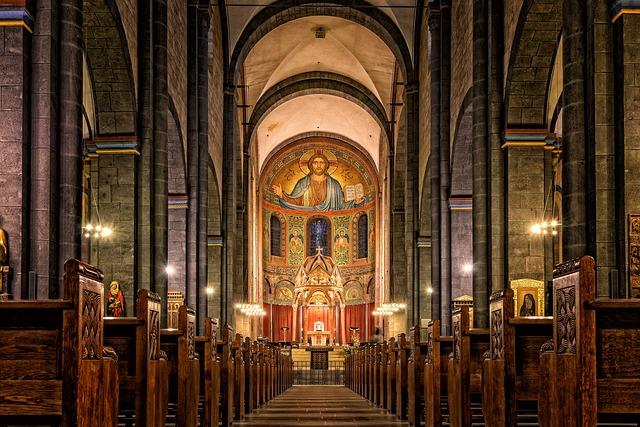
Similarly, in Catholic and Orthodox Christian traditions, altars are central to religious services and are used for the celebration of the Eucharist or Holy Communion. These altars are typically adorned with religious symbols, candles, and sacred vessels, creating a sacred space for prayer and worship.
Overall, the diversity of altars in global cultures showcases the rich tapestry of human spirituality and belief systems. By exploring the historical roots and traditions of altars, we can gain a deeper understanding of the symbolic significance they hold in different cultures around the world.
– Immersing Yourself in the Sacred Rituals and Beliefs Embedded in Altar Symbolism
In various cultures around the world, altars hold significant importance as they serve as a focal point for sacred rituals and beliefs. These symbolic structures are deeply rooted in tradition and hold immense cultural value. Understanding the symbolism behind altars can provide insight into the spiritual beliefs and practices of different societies.
Altars are not just physical structures; they represent a connection between the physical and spiritual realms. They are often adorned with symbolic items that hold specific meanings in each culture. For example, in Hinduism, altars are typically decorated with statues of deities, flowers, and incense to honor the gods and goddesses. In contrast, altars in Native American cultures may feature elements from nature such as feathers, crystals, and herbs to connect with the earth and its spirits.
By immersing yourself in the rituals and beliefs associated with altar symbolism, you can gain a deeper understanding of different cultures and their spiritual practices. Whether you are observing a traditional ceremony or setting up your own altar, exploring the symbolism behind these sacred structures can be a fascinating journey of cultural discovery. Embrace the diversity and richness of altar symbolism and witness the beauty of cultural traditions from around the world.
– Recognizing the Diverse Functions and Purposes of Altars in Various Cultural Contexts
In various cultural contexts, altars hold diverse functions and purposes that reflect the unique beliefs and traditions of different societies. These sacred structures serve as focal points for rituals, ceremonies, and offerings, playing a pivotal role in connecting individuals to the spiritual realm.
In Hindu culture, altars are often found in homes and temples, serving as a place of worship and devotion to various deities. These altars, known as puja rooms, are adorned with images of gods and goddesses, offering a space for meditation and prayer.
In Indigenous cultures, altars are used to honor ancestors, nature spirits, and the elements. These sacred spaces are often decorated with symbolic objects like feathers, stones, and herbs, creating a connection with the spiritual world and promoting harmony with the natural environment.
- In Catholicism, altars are central to the celebration of the Eucharist, representing the focal point of the Mass where the bread and wine are consecrated. These ornate altars are adorned with religious symbols and candles, emphasizing the importance of the sacrament in the faith.
Understanding the significance of altars in different cultural contexts allows us to appreciate the diversity of beliefs and practices worldwide, highlighting the universal human need for spiritual connection and reverence.
– Comparing and Contrasting Altar Symbolism in Eastern and Western Cultures
In Eastern cultures, altars often hold deep spiritual significance, serving as sacred spaces for prayer, meditation, and offerings to deities or ancestors. These altars are meticulously arranged with symbolic objects such as incense, candles, and statues representing various aspects of the divine or the deceased. The act of lighting incense or candles is seen as a way to communicate with the spiritual realm and pay respects to those being honored.
Conversely, in Western cultures, altars are commonly associated with religious practices within churches or temples. These altars are typically adorned with religious symbols such as crosses, statues of saints, and holy scriptures. They serve as focal points for rituals like communion, where believers partake in the symbolic body and blood of Christ. The act of kneeling or bowing before the altar shows reverence and humility towards the divine.
Overall, while there are differences in how altars are symbolized in Eastern and Western cultures, both traditions emphasize the importance of honoring the spiritual and ancestral realm. Whether through elaborate offerings or solemn prayers, altars play a central role in connecting individuals to the divine and fostering a sense of reverence and unity within the community.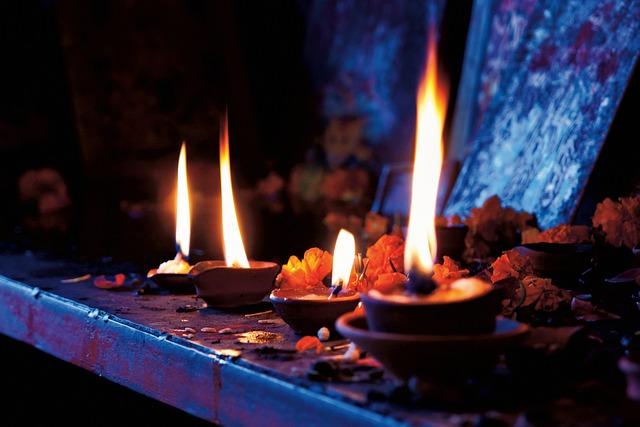
– Admiring the Artistic Beauty and Spiritual Depth of Altars from Different Regions
In different cultures around the world, altars hold significant meaning and play a crucial role in religious and spiritual practices. These beautifully crafted structures not only serve as a focal point for worship but also as a representation of cultural traditions and beliefs. The artistic beauty and spiritual depth of altars from various regions provide a glimpse into the values and customs of different societies.
Altars in Mexican culture, for example, are often adorned with vibrant colors, intricate designs, and symbolic offerings. These altars are typically used during Dia de los Muertos (Day of the Dead) celebrations to honor deceased loved ones. The inclusion of marigold flowers, sugar skulls, and candles on Mexican altars symbolize remembrance, respect, and the journey of the soul.
On the other hand, in Hindu culture, altars known as "mandirs" are sacred spaces dedicated to various deities. These intricately decorated structures usually feature statues or images of gods and goddesses, along with offerings of flowers, incense, and food. Hindu altars serve as a place for prayer, meditation, and rituals, reflecting the spiritual connection between worshippers and divine beings.
In Japanese culture, altars called "butsudan" are used for ancestral veneration and reverence for deceased family members. These altars typically contain photographs or memorial tablets of ancestors, along with incense and offerings of rice and sake. The simplicity and elegance of Japanese altars reflect the reverence and gratitude for past generations, emphasizing the importance of family and heritage.
– Reflecting on the Universal Themes and Values Represented by Altars in Global Traditions
In various global traditions, altars serve as powerful symbols that reflect universal themes and values that are integral to different cultures. These sacred structures are not merely physical objects but hold deep spiritual significance and cultural meanings. Let’s explore what altars symbolize in various cultures around the world:
In Hinduism, altars, known as "mandirs," represent the presence of the divine in the home and serve as a place for prayer and meditation. They often feature statues of deities, candles, incense, and sacred texts, symbolizing devotion and connection to the spiritual realm.
In Indigenous cultures, altars are used in ceremonies and rituals to honor ancestors, nature spirits, and the elements. They may include offerings of food, flowers, and other symbolic items, reflecting a deep respect for the interconnectedness of all living beings.
In Christianity, altars are central to worship and symbolize the presence of God during religious services. They are typically adorned with candles, crosses, and other religious symbols, representing the sacrifice of Jesus Christ and the spiritual communion of believers.
- In Buddhism, altars are used for meditation and prayers, serving as a focal point for mindfulness and enlightenment. They often feature images of Buddha, sacred texts, and offerings of water and incense, embodying the principles of compassion, wisdom, and inner peace.
By understanding the diverse meanings of altars in global traditions, we can appreciate the rich cultural heritage and spiritual significance of these sacred structures that have endured through centuries.
Closing Remarks
As we’ve explored in this article, altars hold significant symbolic meaning in various cultures around the world. Whether serving as a place of worship, remembrance, or celebration, these sacred spaces offer a glimpse into the beliefs and values of different societies. By understanding the significance of altars in diverse cultural traditions, we can gain a deeper appreciation for the richness and diversity of human experience. So next time you come across an altar, take a moment to consider the stories and traditions it represents – you may just discover a whole new world of meaning.
Get our latest guides, news, and insights highlighted in your Google Search & AI Overviews.


 CLASSIFIED INFORMATION ALERT