

What Does the Catholic Church Say About Aliens? Theological Inquiry
Have you ever wondered what the Catholic Church’s stance is on the possibility of extraterrestrial life? In this article, we will delve into the theological inquiry surrounding aliens and explore what the Catholic Church has to say on this intriguing topic. Join us as we uncover the Church’s perspective with clarity and knowledge.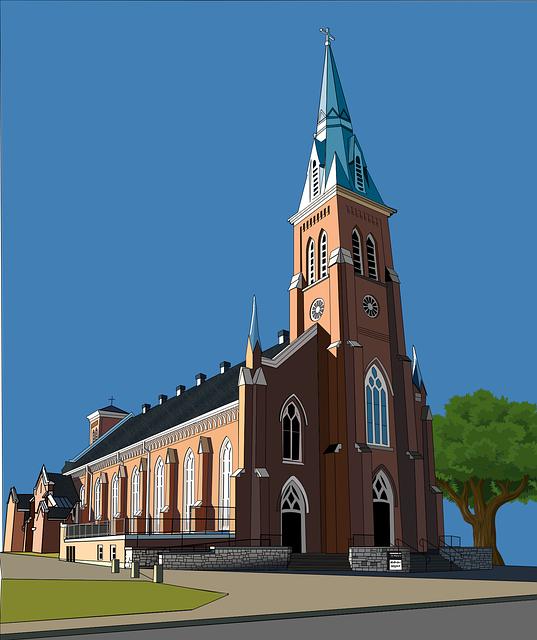
Contents
- What is the Catholic Church’s stance on the existence of aliens?
- The theological implications of the discovery of extraterrestrial life
- Historical perspectives on the idea of aliens in Catholic teachings
- How does the Catholic Church reconcile faith with the possibility of alien life?
- Arguments for and against the compatibility of Catholicism and belief in intelligent extraterrestrial beings
- The importance of approaching the topic of aliens with humility and open-mindedness in a theological context
- Recommendations for Catholics navigating discussions about aliens and theology
- Exploring the intersection of science, faith, and the supernatural in Catholic perspectives on aliens
- Closing Remarks
What is the Catholic Church’s stance on the existence of aliens?
The Catholic Church has not made any official statements regarding the existence of aliens. However, there are some theological perspectives that could shed light on this topic.
God’s Creation: According to Catholic teachings, God is the creator of the universe and all beings within it. If aliens were to exist, they would be part of God’s creation just like humans.
The Incarnation: Some theologians argue that if intelligent aliens exist, they may have their own relationship with God and could potentially have their own version of the Incarnation, where God becomes human to save them.
- Moral Considerations: The Catholic Church may also consider the ethical implications of discovering alien life, such as how we would interact with them and whether they would be in need of salvation.
In conclusion, while the Catholic Church has not definitively addressed the existence of aliens, there are theological perspectives that could help us understand how such a discovery might fit into the larger framework of faith.
The theological implications of the discovery of extraterrestrial life
In light of the potential discovery of extraterrestrial life, the Catholic Church has been prompted to re-examine its theological stance on the existence of aliens. The idea of extraterrestrial beings raises intriguing questions about the nature of God’s creation and the role of humanity in the universe.
One of the central questions theologians are grappling with is whether extraterrestrial life forms would have souls. The Catholic Church believes that all beings endowed with reason and free will possess souls, but it remains to be seen how this doctrine would apply to beings from another planet.
Moreover, the discovery of intelligent extraterrestrial life could have profound implications for our understanding of salvation history. Would these beings be in need of redemption? And if so, would Jesus Christ’s sacrifice on Earth apply to them as well?
As we continue to explore the theological implications of the potential discovery of extraterrestrial life, it is essential to approach these questions with an open mind and a spirit of curiosity. The search for truth is a fundamental tenet of both science and religion, and the intersection of these two disciplines in the context of alien life promises to be a fascinating and enlightening journey.

Historical perspectives on the idea of aliens in Catholic teachings
In Catholic teachings, the idea of aliens has been a subject of theological inquiry for centuries. While the Bible does not explicitly mention extraterrestrial life, there are passages that have led scholars to speculate about the existence of other beings in the universe. Here are some historical perspectives on the concept of aliens in Catholic teachings:
- St. Augustine: One of the earliest theologians to discuss the possibility of alien life was St. Augustine. He argued that God could have created other worlds with intelligent beings, and that they may not be so different from humans in terms of their spiritual nature.
- Vatican Observatory: The Vatican has a long history of interest in astronomy and has its own observatory. In recent years, Catholic scholars at the observatory have been actively involved in researching the possibility of extraterrestrial life and how it may align with Catholic teachings.
| Date | Event |
|---|---|
| 1543 | Nicolaus Copernicus publishes “De revolutionibus orbium coelestium,” challenging the geocentric view of the universe. |
| 1616 | Galileo Galilei’s works are banned by the Catholic Church for promoting the heliocentric view of the solar system. |
| 1891 | Pope Leo XIII establishes the Vatican Observatory, furthering the Church’s interest in astronomy. |
Overall, the Catholic Church has not definitively stated its position on the existence of aliens. While some theologians believe that the discovery of extraterrestrial life would not conflict with Catholic teachings, others remain cautious about making any declarations until more concrete evidence is presented. As our understanding of the universe continues to evolve, so too may the Church’s perspective on the idea of aliens.
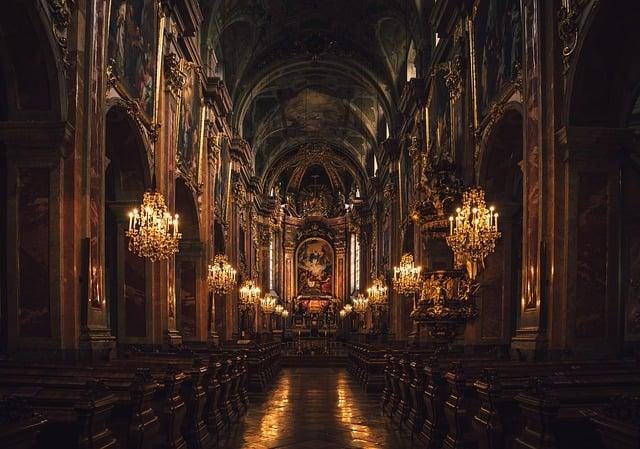
How does the Catholic Church reconcile faith with the possibility of alien life?
The Catholic Church acknowledges the possibility of alien life in the universe and has a theological framework that allows for the existence of extraterrestrial beings. While the Bible does not explicitly mention aliens, the Church’s teachings emphasize the vastness of God’s creation and the idea that God’s presence extends beyond Earth.
One way the Catholic Church reconciles faith with the possibility of alien life is by emphasizing that all of God’s creations are part of His divine plan. This means that if alien life exists, it would be seen as another manifestation of God’s creative power. In this way, the existence of aliens would not challenge the beliefs of Catholics, but rather enhance their understanding of God’s limitless capabilities.
Additionally, the Church acknowledges that the discovery of alien life could raise important theological questions about the nature of salvation and redemption. Some theologians speculate that if aliens were to exist, they too could be recipients of God’s grace and mercy, perhaps through their own forms of religion or spiritual beliefs. This opens up new avenues for theological inquiry and reflection within the Catholic tradition.
Overall, the Catholic Church’s stance on the possibility of alien life is one of openness and curiosity. While the existence of aliens may pose challenges to traditional beliefs, the Church remains confident in its ability to adapt and evolve its theological understanding in light of new discoveries about the cosmos.
Arguments for and against the compatibility of Catholicism and belief in intelligent extraterrestrial beings
Arguments for the compatibility of Catholicism and belief in intelligent extraterrestrial beings center around the vastness of the universe and the belief that God’s creation extends beyond Earth. Proponents argue that if God is infinite and omnipotent, it is conceivable that He could have created other intelligent beings on other planets. Additionally, some point to passages in the Bible that they interpret as referring to extraterrestrial life, such as Psalm 19:1 which says, “The heavens declare the glory of God, and the firmament proclaims His handiwork.”
Conversely, those who argue against the compatibility of Catholicism and belief in intelligent extraterrestrial beings raise concerns about the theological implications of such a belief. They question how the doctrine of salvation through Jesus Christ would apply to beings on other planets, as well as how original sin and redemption would factor into their existence. Some also argue that the Bible does not explicitly mention intelligent extraterrestrial beings, leading to doubts about their existence within the framework of Catholic teachings.
Ultimately, the question of whether Catholicism is compatible with the belief in intelligent extraterrestrial beings remains a matter of theological debate. The Catholic Church has not made an official statement on the matter, leaving room for individuals to hold varying beliefs on the subject. As scientific advancements continue to uncover new information about the universe, the conversation around the intersection of faith and the possibility of extraterrestrial life will likely continue to evolve.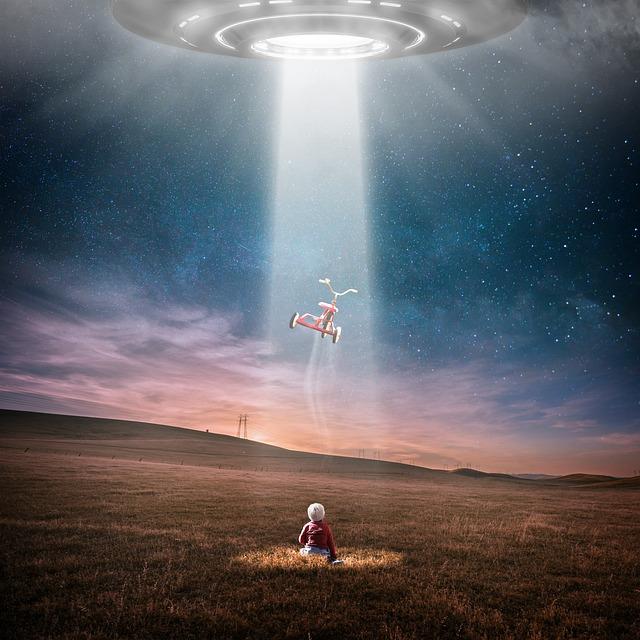
The importance of approaching the topic of aliens with humility and open-mindedness in a theological context
It is essential to approach the topic of aliens with humility and open-mindedness in a theological context. The Catholic Church, with its rich history and teachings, provides valuable insights into how we can navigate this complex and intriguing subject. By embracing humility, we acknowledge that our understanding of the universe is limited, and we must be open to new possibilities and perspectives.
When considering the existence of aliens, it is crucial to be open-minded and willing to explore the idea that we are not alone in the universe. The Catholic Church encourages us to ponder the vastness of God’s creation and the potential for life beyond Earth. By approaching this topic with an open mind, we can engage in meaningful theological inquiry and deepen our understanding of God’s plan for the cosmos.
Key points to consider:
- The importance of humility in acknowledging our limitations
- The role of open-mindedness in theological exploration
- The significance of considering the existence of aliens within the context of God’s creation
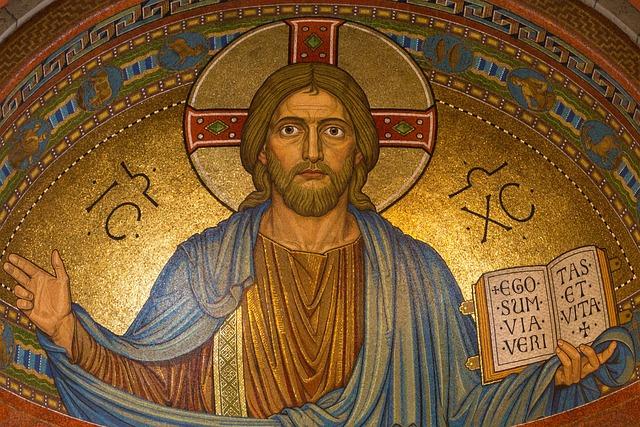
- First and foremost, it’s crucial to acknowledge that the Catholic Church does not have an official stance on the existence of extraterrestrial life.
- As Catholics engage in discussions about aliens and theology, it’s important to approach the topic with an open mind and a spirit of inquiry.
- Remember that the Church’s teachings are centered on the belief in God as the creator of all things, including any potential forms of life beyond our planet.
When considering the theological implications of the existence of aliens, Catholics can draw on key principles of their faith:
- God’s Sovereignty: Reflect on how the discovery of alien life, if it were to happen, would not diminish God’s role as the ultimate creator and sustainer of the universe.
- Humanity’s Place: Contemplate how the existence of other intelligent beings might challenge our understanding of human uniqueness and our place in God’s creation.
Exploring the intersection of science, faith, and the supernatural in Catholic perspectives on aliens
The Catholic Church has a long history of grappling with complex theological questions, and the topic of aliens is no exception. While the Church does not have an official stance on the existence of extraterrestrial life, many theologians and scholars have explored the intersection of science, faith, and the supernatural when it comes to the possibility of aliens.
One of the key considerations in Catholic perspectives on aliens is the belief in a God who created the universe and all that is in it. This raises questions about how the existence of aliens would fit into the larger framework of God’s plan for creation. Some theologians argue that the discovery of aliens would not necessarily conflict with Catholic beliefs, but rather could deepen our understanding of the vastness and complexity of God’s creation.
Another point of discussion is the theological implications of aliens having their own beliefs, religions, or moral codes. How would the Catholic Church engage with alien civilizations? Would they be considered part of God’s plan for salvation? These questions raise important considerations for the Church’s understanding of divine revelation and the universal nature of God’s love and redemption.
Ultimately, the exploration of aliens from a Catholic perspective is a fascinating and thought-provoking exercise that delves into the mysteries of the universe and challenges our understanding of God’s infinite power and wisdom.
Closing Remarks
In conclusion, while the Catholic Church does not have a definitive stance on the existence of aliens, the idea of extraterrestrial life is not incompatible with the teachings of the faith. Theologically, the Church remains open to the idea of alien life forms and encourages further exploration and inquiry into this fascinating topic. As we continue to delve into the mysteries of the universe, we are called to approach all aspects of life with an open mind and a spirit of curiosity. So, let us continue to seek out the answers to this timeless question with an open heart and a willingness to embrace the unknown.


 CLASSIFIED INFORMATION ALERT