

How the Catholic Church Built Western Civilization? Exploring Historical Contributions!
Throughout history, the Catholic Church has played a pivotal role, acting as a driving force behind the development and progress of Western civilization. From the establishment of universities and the preservation of ancient texts to the promotion of arts and sciences, its contributions have left an indelible mark on our world. In this article, we delve into the historical significance of the Catholic Church, uncovering the ways in which it shaped the course of Western civilization, and exploring the lasting influences that continue to shape our society today. Join us on this journey as we unravel the intriguing connections between faith, culture, and progress.
Contents
- 1. Founding Pillars: Unearthing the Catholic Church’s Influence on Western Civilization
- Educational Renaissance
- Preservation of Classical Knowledge
- Promotion of Arts and Architecture
- Social and Moral Foundations
- 2. Spiritual Guardians: Nurturing Education and Intellectual Advancement
- 3. Gatekeepers of Knowledge: Preserving and Transmitting Ancient Wisdom
- 4. Artistic Patrons: Fueling Creativity and Celebrating Human Expression
- 5. Moral Architects: Shaping Western Civilization’s Ethical Framework
- 6. Uniting Nations: The Catholic Church’s Role in European Integration
- 7. Healthcare Heroes: Pioneering Hospitals and Compassionate Care
- 8. Societal Reforms: Challenging Injustice and Fostering Social Progress
- 9. Promoting Science and Reason: The Church’s Contribution to Scientific Exploration
- 10. Embracing Diversity: The Catholic Church’s Endeavors towards Inclusivity and Dialogue
- Closing Remarks
1. Founding Pillars: Unearthing the Catholic Church’s Influence on Western Civilization
The Catholic Church has played a pivotal role in shaping the foundations of Western civilization. Through its rich history and countless contributions, it has left an indelible mark on various aspects of society, from education and art to law and governance. Let’s take a closer look at the founding pillars of the Catholic Church and its influence on Western civilization.
Educational Renaissance
One of the primary ways in which the Catholic Church has influenced Western civilization is through its promotion of education. During the Middle Ages, monastic schools established by the Church became centers of learning, preserving and transmitting knowledge from ancient civilizations. The establishment of universities, such as the University of Bologna and the University of Oxford, owes its existence to the Church’s commitment to higher education. These institutions continue to shape intellectual development and foster critical thinking skills, which are essential for the progress of Western civilization.
Preservation of Classical Knowledge
The Catholic Church played a crucial role in preserving classical knowledge during periods of societal upheaval. With the fall of the Roman Empire, many ancient writings and texts were at risk of being lost forever. The Church, recognizing the value of these works, took on the responsibility of meticulously preserving and copying them. Monks, often secluded in monasteries, diligently transcribed and protected these texts, setting the stage for the revival of classical knowledge during the Renaissance. Without the Church’s efforts in safeguarding ancient wisdom, our understanding of the foundations of Western civilization would be greatly diminished.
Promotion of Arts and Architecture
The Catholic Church’s patronage of the arts has left an indelible mark on Western civilization, with its grand architectural masterpieces and awe-inspiring artistic expressions. Cathedrals such as Notre-Dame de Paris and St. Peter’s Basilica stand as testaments to the Church’s influence and vision. These architectural marvels not only served as places of worship but also as symbols of power and unity, bringing communities together and inspiring generations of artists. The Church’s commissioning of renowned artists, such as Michelangelo and Leonardo da Vinci, contributed to the flourishing of the Renaissance, which revolutionized the artistic landscape of Western civilization.
Social and Moral Foundations
Moreover, the Catholic Church’s ethical teachings and social initiatives have played a fundamental role in shaping the moral fabric of Western civilization. From the Ten Commandments to the principles of social justice and charity, the Church has provided a moral compass that has guided societies for centuries. Its emphasis on compassion, forgiveness, and the dignity of every human being has contributed to the development of laws and principles that promote equality, justice, and human rights. The Catholic Church’s influence extends beyond religious boundaries, influencing societal norms and values that continue to shape Western civilization today.

2. Spiritual Guardians: Nurturing Education and Intellectual Advancement
The Catholic Church has played a pivotal role in the development and advancement of education and intellectual pursuits throughout history. From the establishment of monastic schools to the founding of prestigious universities, the Church has fostered an environment that nurtures intellectual growth and promotes the pursuit of knowledge.
One of the most significant contributions of the Catholic Church to education is the establishment of monastic schools. These schools, founded by monks and nuns, provided a haven for learning during the Medieval period. Monastic communities, such as those led by St. Benedict, emphasized the importance of education and devoted themselves to the preservation and transmission of knowledge. Students at monastic schools were taught a variety of subjects, ranging from theology and philosophy to mathematics and Latin grammar.
Additionally, the Catholic Church played a key role in the establishment of universities across Europe. These institutions, such as the University of Bologna and the University of Paris, became centers of intellectual exchange and innovation. Scholars and students from different regions and backgrounds gathered at these universities to study various disciplines, including law, medicine, theology, and the liberal arts. The Church’s support for these universities provided a platform for intellectual discourse and paved the way for groundbreaking discoveries and advancements in various fields.
Furthermore, the Church has actively promoted the pursuit of knowledge through the patronage of artists, scientists, and scholars. Popes and bishops throughout history have supported and sponsored individuals who have made significant contributions to their respective fields. The Vatican itself houses an extensive collection of art, literature, and scientific artifacts, showcasing the Church’s dedication to preserving and promoting education and intellectual advancement.
In conclusion, the Catholic Church has played a vital role in nurturing education and intellectual advancement throughout history. From the establishment of monastic schools to the founding of universities, the Church has provided an environment conducive to the pursuit of knowledge. Its support for artists, scientists, and scholars is a testament to its commitment to intellectual growth. The impact of the Church’s contributions can be seen in the development of Western civilization as we know it today.
3. Gatekeepers of Knowledge: Preserving and Transmitting Ancient Wisdom
Throughout history, the Catholic Church has played a significant role in the preservation and transmission of ancient wisdom, making invaluable contributions to the development of Western civilization. As gatekeepers of knowledge, the Church’s influence in various fields has been profound and enduring.
1. Education: It is no exaggeration to say that the Catholic Church is the cornerstone of Western education. Monasteries and cathedral schools established by the Church became centers of learning, where ancient texts were meticulously copied and preserved. Monks and scholars dedicated themselves to the task of transcribing important works from Greek and Roman antiquity, safeguarding them from being lost forever.
2. Libraries: The Church recognized the importance of libraries as repositories of knowledge and entrusted them with the preservation of countless manuscripts. Places like the Vatican Library, one of the largest and oldest libraries in the world, became invaluable in safeguarding and cataloging ancient wisdom.
3. Art and Architecture: The Catholic Church has also been a patron of the arts, with stunning masterpieces adorning cathedrals, churches, and monasteries. Artists were commissioned to depict biblical stories, historical events, and philosophical concepts, thus contributing to the visual representation of Western cultural and intellectual heritage.
4. Science: Contrary to popular belief, the Church has made significant contributions to the development of science. Many great scientists and philosophers emerged from within its walls. The Church sponsored research and supported the study of natural phenomena, fostering intellectual inquiry while preserving moral and ethical principles.
| Contributions of the Catholic Church | Impact on Western Civilization |
|---|---|
| Literacy and education | Empowering individuals and fostering intellectual growth |
| Preservation of ancient manuscripts | Promoting continuity and accessibility to scholarly works |
| Patronage of the arts | Enriching cultural heritage through visual expression |
| Promotion of scientific research | Advancing knowledge while maintaining moral values |
The Catholic Church’s contributions in preserving and transmitting ancient wisdom cannot be overstated. By nurturing education, safeguarding manuscripts, supporting the arts, and promoting scientific inquiry, the Church has left an indelible mark on Western civilization, shaping our understanding of history, culture, and human progress.
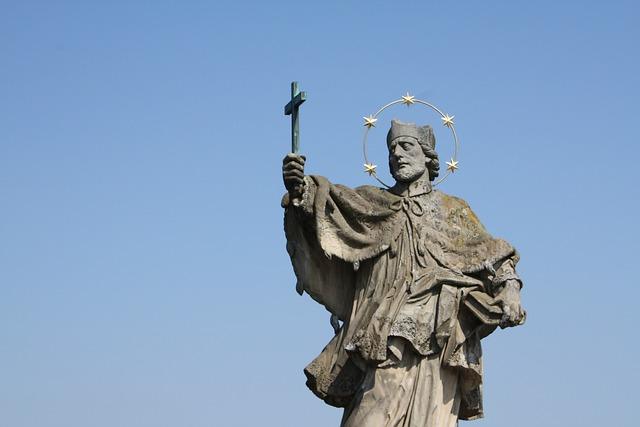
4. Artistic Patrons: Fueling Creativity and Celebrating Human Expression
Artistic patrons have played a crucial role in fueling creativity and celebrating human expression throughout history. From ancient times to the present day, these patrons have provided the necessary support and resources for artists to push the boundaries of their craft and create lasting works of art.
One notable group of artistic patrons in history has been the Catholic Church. The Church, with its vast wealth and influence, has played a significant role in the development of Western civilization. It not only built magnificent cathedrals and basilicas but also sponsored and commissioned countless artworks that have shaped artistic movements throughout the centuries.
Through its patronage, the Catholic Church provided artists with financial support, materials, and access to prestigious commissions. This support allowed artists to dedicate their time and energy to their creative pursuits, resulting in masterpieces that have stood the test of time. Notable artists such as Michelangelo, Leonardo da Vinci, and Raphael were all recipients of the Church’s patronage and created some of their most iconic works thanks to this support.
The Church’s patronage extended beyond painting and sculpture. It also supported music, literature, and architecture, contributing to the flourishing of these arts. Many of the greatest composers, such as Johann Sebastian Bach and Wolfgang Amadeus Mozart, composed music for the Church, adding to its rich musical heritage.
In addition to fostering artistic creativity, the Catholic Church’s patronage also played a role in preserving and celebrating human expression. Many of the artworks commissioned by the Church depicted religious scenes or revered saints, serving as powerful expressions of faith and devotion. These art pieces became a means of communicating religious teachings to the illiterate masses, deepening their spiritual connection with the divine.
In conclusion, the Catholic Church’s patronage has had a profound impact on Western civilization, fueling creativity, and celebrating human expression. Through its support for artists, the Church has contributed to the development of some of the most iconic artworks and artistic movements in history. Its role as a patron of the arts continues to shape the cultural landscape to this day, reminding us of the power of art in reflecting and shaping society.
5. Moral Architects: Shaping Western Civilization’s Ethical Framework
The Catholic Church has played an instrumental role in shaping Western civilization’s ethical framework, acting as moral architects throughout history. Through their teachings and actions, the Church has made significant contributions that have impacted societal norms, values, and even the development of democracy as we know it today. Let’s explore some of these historical contributions!
1. Preservation of Knowledge: During the Middle Ages, the Catholic Church acted as the main patron of education and the guardians of knowledge. Monastic libraries housed countless manuscripts, preserving not only religious texts but also scientific and philosophical works from antiquity. Through their commitment to scholarship, the Church ensured the transmission of knowledge, laying the foundation for Western civilization’s intellectual development.
2. Social Welfare: The Catholic Church has long been committed to promoting social justice and caring for the vulnerable. Throughout history, countless religious orders were dedicated to providing assistance to the poor, sick, and marginalized. Hospitals, orphanages, and other charitable institutions sprang up under the guidance of the Church, providing much-needed relief to those in need. This commitment to social welfare shaped Western society’s understanding of compassion and empathy, fostering a culture that valued the well-being of all.
3. Ethical and Moral Guidance: As moral architects, the Catholic Church has provided ethical and moral guidance to generations of individuals. Through their teachings and principles, they have influenced societal attitudes towards issues such as human rights, justice, and the dignity of every human life. The Church’s stance on moral matters has often been a guiding force in Western civilization, shaping laws and societal norms that seek to uphold these values.
4. Art and Architecture: The Catholic Church’s influence can also be seen in the realm of art and architecture. From majestic cathedrals to intricate religious paintings, the Church has inspired and commissioned works that beautified Western civilization. These artistic creations not only served as expressions of religious devotion but also as a means to communicate and reinforce ethical values to the general population.
Table: Key Contributions of the Catholic Church to Western Civilization
| Contribution | Description |
|——————————-|—————————————————————————|
| Preservation of Knowledge | Monastic libraries preserved scientific, philosophical, and religious texts |
| Social Welfare | Establishment of hospitals, orphanages, and charitable institutions |
| Ethical and Moral Guidance | Influence on societal attitudes towards human rights and justice |
| Art and Architecture | Commissioning of religious art and construction of grand cathedrals |
The Catholic Church’s historical contributions to Western civilization cannot be understated. Their impact on the ethical framework that underpins our society is undeniable. From preserving knowledge to promoting social welfare and providing moral guidance, the Church has left an indelible mark on the development of Western civilization.
6. Uniting Nations: The Catholic Church’s Role in European Integration
The Catholic Church has played a significant role in shaping the history of Western civilization, including its influence on the process of European integration. Throughout the centuries, the Church’s teachings and values have served as a unifying force, fostering cooperation and understanding among nations. Here are a few key contributions of the Catholic Church to European integration:
1. Cultural Unification: The Catholic Church has acted as a guardian of culture, preserving and promoting the shared heritage of European nations. From architecture to literature, music to art, the Church has been a patron of the arts, encouraging the development and exchange of ideas across borders. Monastic orders, such as the Benedictines, played a crucial role in preserving ancient texts and knowledge during the Middle Ages, facilitating intellectual dialogue and cultural integration.
2. Educational System: The Catholic Church has been instrumental in establishing educational institutions that have fostered intellectual growth and academic exchange. Universities, starting with the University of Bologna in 1088, were founded by the Church, serving as key centers of learning for scholars from various countries. These institutions provided an environment where different cultures mixed, allowing students to engage in philosophical debates and religious discourse, strengthening bonds between nations.
3. Peace and Reconciliation: The Catholic Church has historically promoted peace and reconciliation, playing a pivotal role in resolving conflicts among European nations. Instances such as the Treaty of Westphalia in 1648, which ended the Thirty Years’ War, and the role of Pope John Paul II in facilitating dialogue during the fall of communism in Eastern Europe, showcased the Church’s ability to help mediate disputes and foster collaboration.
4. Moral Framework: The Catholic Church’s ethical principles have provided a moral framework that has influenced the development of European societies. These values, rooted in Christianity, have shaped laws, governmental policies, and social norms, fostering a sense of shared ethics among nations. The Church’s teachings on human dignity, justice, and solidarity have laid the groundwork for the respect of human rights and social cohesion in Europe.
The Catholic Church continues to contribute to European integration through various initiatives, such as interfaith dialogue, humanitarian efforts, and advocacy for social justice. Its rich historical contributions have undoubtedly played a vital role in uniting nations and shaping the foundations of Western civilization.
7. Healthcare Heroes: Pioneering Hospitals and Compassionate Care
The Catholic Church has played a significant role in shaping Western civilization, and its contributions to healthcare throughout history are no exception. From pioneering hospitals to compassionate care, healthcare heroes within the Church have made a lasting impact on the well-being of countless individuals.
One notable example is the establishment of the first ever hospital in Europe, the Hospital of the Holy Spirit in Rome, by Pope Innocent III in the 12th century. This groundbreaking institution paved the way for the development of modern hospitals, serving as a model for future healthcare facilities. The Church recognized the importance of providing holistic care, emphasizing not only physical healing but also spiritual and emotional well-being.
Compassionate care has always been a core value of the Catholic Church, and healthcare heroes within its ranks have exemplified this through their selfless service. Nuns and monks have been at the forefront of providing care to the sick and vulnerable, often without seeking recognition or reward. Their unwavering dedication to serving others has been a testament to the Church’s commitment to the dignity and sanctity of all human life.
In addition to direct care, the Catholic Church has also contributed to healthcare through advancements in medical education and research. Many renowned universities and research institutions have been founded by the Church, fostering innovation and knowledge in the medical field. These institutions continue to produce healthcare professionals who not only provide excellent medical care but also adhere to ethical principles grounded in the teachings of the Church.
The Catholic Church’s historical contributions to healthcare have left an indelible mark on Western civilization. By establishing pioneering hospitals, promoting compassionate care, and advancing medical education and research, healthcare heroes within the Church have played a crucial role in improving the well-being of communities for centuries. Their legacy continues to inspire countless individuals to follow in their footsteps, making a positive impact on the lives of those in need.
8. Societal Reforms: Challenging Injustice and Fostering Social Progress
The Catholic Church has played a significant role in shaping Western civilization through its dedication to societal reforms and the pursuit of justice. By challenging injustices and fostering social progress, the Church has left an indelible mark on history.
Throughout the ages, the Church has been a staunch advocate for human rights and equality. It has consistently condemned slavery and advocated for its abolition in various parts of the world. The Church’s teachings on the inherent dignity of every individual have inspired countless individuals to fight against discrimination and oppression.
Moreover, the Catholic Church has been instrumental in establishing and supporting educational institutions, which have been pillars of intellectual progress and enlightenment. Monastic schools, universities, and seminaries have provided generations of students with a well-rounded education, nurturing critical thinking and shaping the minds of future leaders, scientists, and artists.
Another significant contribution of the Catholic Church to Western civilization lies in its promotion of art and architecture. From the awe-inspiring cathedrals of Europe to the exquisite artwork found within their walls, the Church has been a patron of the arts, serving as a testament to human creativity and spiritual expression.
In addition, the Church’s charitable work and commitment to social welfare have had a lasting impact on society. From establishing hospitals and orphanages to providing relief during times of crisis, the Church has shown a steadfast dedication to alleviating suffering and promoting the common good.
In sum, the Catholic Church’s impact on Western civilization is multifaceted and profound. By challenging injustice, promoting education, fostering artistic expression, and providing for the needy, the Church has contributed immensely to the progress and development of society. Its historical contributions serve as a reminder of the power of faith, compassion, and a commitment to social justice.
9. Promoting Science and Reason: The Church’s Contribution to Scientific Exploration
As we delve into the rich historical contributions of the Catholic Church, it becomes evident that this institution played a crucial role in promoting scientific exploration and reason. Despite the popular notion that religion and science are incompatible, the Church’s impact on scientific advancements cannot be denied. Let’s take a closer look at some of the ways the Catholic Church has contributed to the development of Western civilization through promoting science and reason.
Preservation of Knowledge
During the Middle Ages, when the rest of Europe was facing a downturn in intellectual pursuits, the Church took the lead in preserving ancient texts and manuscripts. Monasteries and abbeys became bastions of knowledge, where meticulous monks meticulously transcribed and translated countless works, including those from ancient Greek and Roman philosophers. This preservation efforts helped bridge the gap between the ancient world and the Renaissance, laying the foundation for future scientific progress.
Promoting Education
The Catholic Church played a vital role in establishing universities throughout Europe. These institutions not only served as centers of theological study but also embraced scientific disciplines. Scholars and students were encouraged to explore various fields, including medicine, astronomy, and mathematics. Prominent Catholic universities like the University of Paris and the University of Bologna fostered an environment of critical thinking and intellectual curiosity, paving the way for scientific advancements.
Patronage of Scientists
Contrary to popular belief, the Catholic Church provided financial and institutional support to many pioneering scientists. Prominent figures such as Copernicus, Galileo, and Mendel were all beneficiaries of Church patronage. The Church recognized the importance of scientific endeavors and sponsored research, allowing these visionaries to pursue their groundbreaking work. Although disputes did arise between certain scientists and religious authorities, it is important to acknowledge the overall contribution of the Church in supporting scientific innovation.
Promotion of Reason
The Catholic Church has consistently emphasized the compatibility of faith and reason. It encourages its followers to use their intellectual faculties in understanding the natural world. The belief that God’s creation reflects divine order and intelligibility has driven many Catholics to engage in scientific exploration. This harmonious perspective fosters an environment where science and faith can coexist, inspiring believers to seek truth through reason and inquiry.
10. Embracing Diversity: The Catholic Church’s Endeavors towards Inclusivity and Dialogue
The Catholic Church has played a significant role in shaping Western civilization throughout history. From its inception, the church has been a driving force behind numerous cultural, intellectual, and scientific advancements. One of its notable contributions lies in promoting inclusivity and dialogue through embracing diversity.
1. Preservation of Knowledge:
– Through the monastic tradition, the Catholic Church has meticulously preserved and translated ancient texts.
– Monasteries became hubs of learning, where monks dedicated themselves to copying manuscripts by hand, ensuring that knowledge from diverse civilizations was not lost.
2. Advancements in Art and Architecture:
– The Catholic Church’s patronage of the arts led to the creation of some of the world’s most iconic masterpieces.
– Majestic cathedrals and breathtaking frescoes showcased the diverse talents of artists and architects from various backgrounds.
3. Spreading the Word:
– The church underwent a significant transformation with the invention of the printing press, enabling the mass production of books.
– This revolutionary technology facilitated the dissemination of diverse ideas, encouraging dialogue and critical thinking.
4. Promoting Education:
– Catholic institutions have long been at the forefront of providing quality education to individuals from different backgrounds.
– Universities founded by the church have nurtured scientists, philosophers, and theologians, fostering an environment of intellectual diversity and discourse.
In conclusion, the Catholic Church’s endeavors towards inclusivity and dialogue have played a vital role in the development of Western civilization. From preserving knowledge to fostering artistic and intellectual advancements, the impact of embracing diversity cannot be overstated. It is through these efforts that the church has contributed significantly to shaping the world we live in today.
Closing Remarks
In conclusion, it is undeniable that the Catholic Church played a pivotal role in shaping the foundation of Western civilization. Through its unwavering commitment to education, preservation of knowledge, and the promotion of artistic expression, the Church has left an indelible mark on Western history. From its early contributions in the establishment of universities to its patronage of Renaissance masterpieces, the Church’s impact continues to resonate in our society today. As we delve deeper into the intricate tapestry of Western civilization, let us not forget the invaluable contributions made by the Catholic Church, reminding us of the intricate interplay between faith, culture, and progress. With a rich historical legacy spanning centuries, the Church’s transformative influence remains an essential part of our collective heritage.


 URGENT: PAGE CLOSING SOON!