

Do Deacons Get Paid in the Catholic Church? Understanding Ecclesiastical Compensation!
If you’ve ever wondered about the role of deacons in the Catholic Church and whether they receive compensation for their service, you’re not alone. In this article, we’ll delve into the complex world of ecclesiastical compensation to help you better understand the financial aspect of being a deacon in the Church. Join us as we explore the intricacies of this often-misunderstood topic and shed light on the question: do deacons get paid in the Catholic Church? Let’s dig in!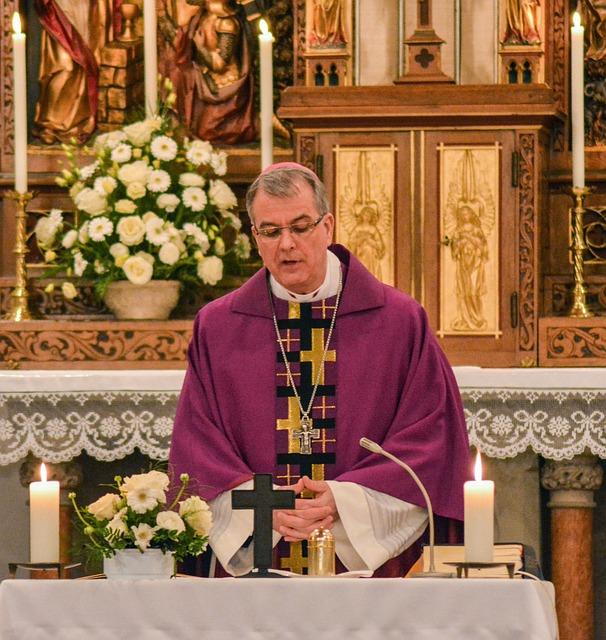
Contents
- – The Role of Deacons in the Catholic Church
- – Understanding the Traditional Practice of Non-Salaried Deacons
- – Factors Influencing Deacons’ Compensation Today
- – Recent Developments in Deacon Compensation Policies
- Recent Developments in Deacon Compensation Policies
- – Debunking Myths About Deacons’ Financial Support
- – Exploring the Spiritual Motivations Behind Deacon Service
- – Recommendations for Improving Deacons’ Compensation and Support
- – Addressing Challenges in Providing Fair and Adequate Compensation
- – Importance of Recognizing and Valuing Deacons’ Contributions
- – Navigating the Complexities of Ecclesiastical Compensation
- The Conclusion
– The Role of Deacons in the Catholic Church
Deacons in the Catholic Church play a crucial role in serving the community and assisting priests in various ministries. While their primary focus is on charity work and outreach programs, many people wonder whether deacons receive compensation for their services. So, do deacons get paid in the Catholic Church?
The short answer is yes, deacons do receive a stipend from the Church for their work. However, it’s essential to understand that the compensation deacons receive is not considered a salary but rather a modest allowance to cover their expenses. This allowance is typically lower than what priests and bishops receive, reflecting the different responsibilities and roles within the Church hierarchy.
Deacons often have full-time jobs outside of their church duties, and their service is considered a vocation rather than a profession. This means that while they do receive some financial support, their primary motivation is to serve the Church and the community with humility and devotion. This unique balance of spiritual calling and practical support reinforces the importance of deacons in the Catholic Church.
– Understanding the Traditional Practice of Non-Salaried Deacons
One important aspect to consider when discussing the role of deacons in the Catholic Church is the question of compensation. Unlike priests who receive a salary for their pastoral duties, deacons traditionally do not receive a salary for their services. Instead, they are considered non-salaried deacons, serving the church in a voluntary capacity.
Non-salaried deacons play a vital role in the church, often working full-time jobs outside of their diaconal duties. This allows them to maintain a strong connection to the community and serve as a bridge between the church and the secular world. By not being paid for their services, deacons are able to demonstrate a true spirit of service and selflessness in their ministry.
While deacons do not receive a salary, they may receive financial support for specific expenses related to their ministry, such as travel, continuing education, or other necessary costs. This support is typically provided by the parish or diocese in which the deacon serves. It is important for both deacons and the church community to understand and appreciate the traditional practice of non-salaried deacons, recognizing the unique and selfless commitment they bring to the church.
– Factors Influencing Deacons’ Compensation Today
Factors influencing deacons’ compensation in the Catholic Church today can vary depending on various factors. One key factor is the diocese or parish in which the deacon serves. Some dioceses may have set guidelines for deacons’ compensation, while others may leave it up to individual parishes to determine. Additionally, the size and resources of the parish can play a role in how much a deacon is compensated.
Another factor to consider is the responsibilities of the deacon. Deacons may have varying levels of responsibilities within the church, which can impact their compensation. For example, a deacon who is heavily involved in pastoral care and outreach may be compensated differently than a deacon whose primary role is liturgical.
Additionally, the cost of living in the area where the deacon serves can also influence their compensation. Deacons serving in areas with a higher cost of living may receive higher compensation to help cover expenses. Overall, the compensation of deacons in the Catholic Church is determined by a combination of these factors and may vary from diocese to diocese.
– Recent Developments in Deacon Compensation Policies
Recent Developments in Deacon Compensation Policies
Deacons in the Catholic Church play a crucial role in providing spiritual guidance and support to their communities. However, the question of whether deacons receive compensation for their services is a topic of debate and discussion within the Church.
Recent developments in deacon compensation policies have sought to address this issue and provide clarity on the matter. While traditionally deacons have not been paid for their services, some dioceses and parishes have started to introduce compensation packages for deacons to support them in their ministry.
These changes have come in response to the increasing demands and responsibilities placed on deacons, as well as the need to ensure their financial stability and well-being. By offering compensation, the Church hopes to attract and retain qualified individuals for the role of deacon, ensuring a strong and dedicated leadership within the community.
– Debunking Myths About Deacons’ Financial Support
In the Catholic Church, there are often misconceptions surrounding whether deacons receive financial compensation for their service. Let’s debunk some myths and shed light on the truth behind deacons’ financial support.
First and foremost, it’s essential to understand that deacons in the Catholic Church do not receive a salary for their ministry. Instead, they may receive a small stipend to cover expenses related to their service, such as travel or materials. This stipend is not considered a salary but rather a form of support to assist deacons in carrying out their duties.
Furthermore, deacons are typically employed in secular jobs to support themselves and their families. Their role as a deacon is considered a vocation and calling, rather than a full-time paid position. This allows deacons to serve the Church and community while also maintaining a source of income outside of their ministry.
Overall, it’s important to recognize that while deacons do receive some financial support, it is not in the form of a salary. Their service is a labor of love and devotion to God and the Church, and their compensation reflects that commitment.

– Exploring the Spiritual Motivations Behind Deacon Service
Deacons are an integral part of the Catholic Church, serving as ministers of the Word, of the altar, and of charity. While their role is primarily one of service and ministry, many people wonder if deacons receive any form of compensation for their work. In the Catholic Church, deacons are not typically paid a salary for their service. Instead, they are often employed in secular jobs to support themselves and their families.
However, despite not receiving a salary, deacons are often given some form of financial support to help cover expenses related to their ministry. This can include reimbursement for travel, meals, and other out-of-pocket expenses incurred while performing their duties. Additionally, deacons may receive a stipend for celebrating baptisms, weddings, and funerals, as well as for providing other sacramental services.
It’s important to remember that the primary motivation for becoming a deacon is not financial gain but rather a deep spiritual calling to serve the Church and its members. Deacons are called to follow in the footsteps of Jesus Christ, who came not to be served but to serve. Their work is a labor of love and a manifestation of their faith in action.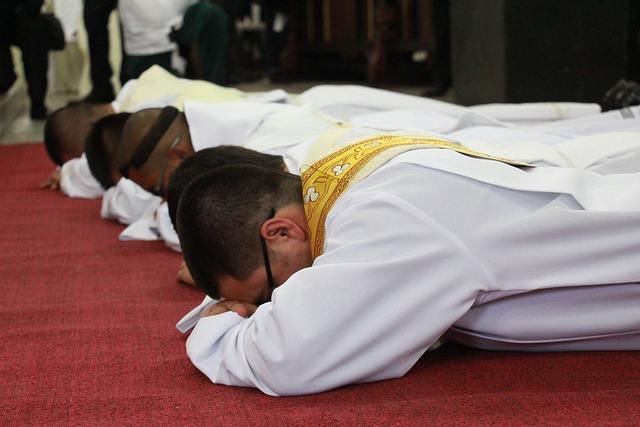
– Recommendations for Improving Deacons’ Compensation and Support
One key aspect to consider when discussing deacons’ compensation and support within the Catholic Church is the need for fair and adequate payment for their services. Deacons play a vital role in the church community, often juggling their responsibilities with secular jobs to make ends meet. It is important for the church to recognize and value their contributions by providing a competitive salary and benefits package.
In addition to financial compensation, deacons also require various forms of support to carry out their ministry effectively. This can include access to ongoing training and education opportunities to enhance their skills, as well as support networks to help them navigate the challenges they may face in their roles. Creating a system of support for deacons not only benefits the individual deacons themselves but also strengthens the church community as a whole.
To improve deacons’ compensation and support, it may be helpful for the church to consider the following recommendations:
– Implement a standardized compensation package for deacons that includes a competitive salary, healthcare benefits, retirement plans, and other necessary financial support.
– Provide opportunities for ongoing education and training to help deacons further develop their skills and stay current with best practices in ministry.
– Establish support networks and mentorship programs to help deacons connect with others in similar roles and navigate the challenges they may face.
– Regularly review and update compensation and support policies to ensure they meet the evolving needs of deacons and the church community as a whole.
By implementing these recommendations, the Catholic Church can better support and empower its deacons, enabling them to carry out their important ministry work with confidence and dedication.
– Addressing Challenges in Providing Fair and Adequate Compensation
In the Catholic Church, deacons play an essential role in the ministry. They are ordained clergy who serve the community through preaching, teaching, and acts of charity. However, when it comes to compensation for their services, the situation can vary.
Some deacons in the Catholic Church receive a stipend or salary for their work, especially if they serve in a full-time capacity. This compensation can help support the deacon and their family while allowing them to focus on their ministry without financial stress. However, it’s important to note that not all deacons are paid, as the Church relies heavily on volunteers to fulfill various roles.
The issue of compensation for deacons raises questions about fairness and adequacy. While some may argue that deacons should receive a livable wage for their dedication and service, others believe that voluntary service is a fundamental aspect of religious life. Striking a balance between honoring the commitment and sacrifice of deacons while also being mindful of financial constraints is crucial in addressing this challenge.
Ultimately, the question of whether deacons get paid in the Catholic Church is a complex one that requires a nuanced understanding of ecclesiastical compensation practices. By examining the various perspectives and considering the unique circumstances of each individual deacon, we can work towards ensuring fair and adequate compensation for those who serve the Church faithfully.
– Importance of Recognizing and Valuing Deacons’ Contributions
Deacons play a crucial role in the Catholic Church, often serving as a bridge between the clergy and the laity. Despite their significant contributions, many people wonder if deacons get paid for their services. In the Catholic Church, deacons can receive compensation, but it varies depending on the diocese and the specific circumstances.
Recognizing and valuing deacons’ contributions is essential for fostering a sense of community and shared responsibility within the Church. Deacons provide important services such as assisting in liturgical ceremonies, visiting the sick and homebound, and serving as a spiritual guide to parishioners. By acknowledging their efforts, we show our appreciation for their dedication and commitment to the Church.
Moreover, compensating deacons fairly is not only a matter of justice but also a way to ensure that they can continue to serve effectively. Providing financial support for deacons allows them to focus on their ministry without having to worry about financial hardships. This helps to strengthen the Church and uphold the value of service within the Catholic community.
Overall, recognizing and valuing the contributions of deacons is crucial for maintaining a vibrant and active Church community. By supporting and honoring the work of deacons, we demonstrate our commitment to building a stronger and more connected Catholic Church.

Deacons in the Catholic Church play a crucial role in supporting the clergy and serving the community. However, unlike priests or bishops, deacons do not receive a salary from the Church. Instead, they often have secular jobs to support themselves and their families while carrying out their spiritual duties.
While deacons may not receive monetary compensation from the Church, they are typically provided with benefits such as housing, healthcare, and retirement plans. These benefits can vary depending on the diocese and the specific arrangements made with the deacon.
It is important for deacons and those considering the diaconate to understand the complexities of ecclesiastical compensation. By knowing what to expect in terms of financial support and benefits, deacons can make informed decisions about their vocation and how they will balance their secular work with their ministry.
Overall, while deacons may not receive a salary in the traditional sense, the Catholic Church does provide support in other ways to ensure that these important members of the clergy can fulfill their calling and serve the faithful.
The Conclusion
In conclusion, it is important to understand the role of deacons in the Catholic Church and the compensation they receive for their work. While deacons do not receive a salary like priests or bishops, they may receive a stipend or other forms of support to assist them in their ministry. It is crucial for members of the community to appreciate the dedication and service that deacons provide to the Church, regardless of financial compensation. By gaining a better understanding of ecclesiastical compensation, we can better support and appreciate the important work of deacons in our faith community.


 CLASSIFIED INFORMATION ALERT