

Are There Catholic Churches in England? Exploring Global Religious Presence!
Welcome to the enlightening world of religious diversity! In this captivating article, we delve into the intriguing question of Catholic churches in England, unraveling the rich tapestry of global religious presence. As we embark on this exploration, join us in discovering the fascinating nuances of Catholicism across borders. Prepare to be informed, captivated, and enlightened!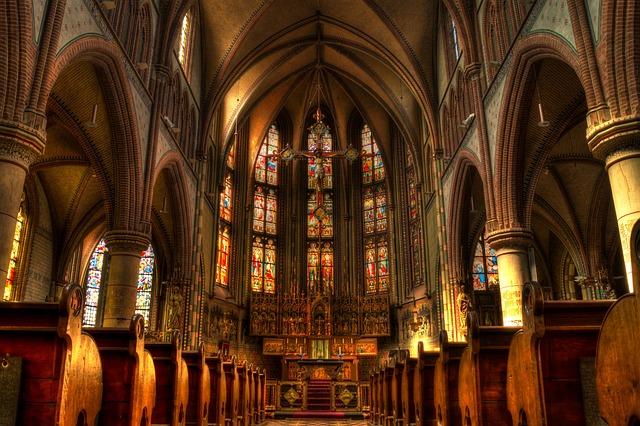
Contents
- Catholic Churches in England: Tracing the Global Religious Footprint
- Exploring the Historical Presence of Catholicism in England
- The Current Landscape: Mapping Catholic Churches in England
- Understanding the Catholic Community in England: Size, Demographics, and Trends
- Promoting Interfaith Dialogue: Collaboration between Catholic Churches and Other Religious Institutions in England
- Initiatives Fostering Interfaith Dialogue:
- Promoting Collaboration:
- Challenges and Opportunities for Catholic Churches in England: A Societal Perspective
- Enhancing Religious Pluralism: Recommendations for Strengthening Catholic Presence in England
- Engaging Youth: Strategies for Attracting and Retaining Young Catholics in England
- Preserving Tradition: The Role of Catholic Churches in England’s Cultural Heritage
- Promoting Social Justice: How Catholic Churches in England Address Contemporary Issues
- Exploring Catholic Churches in England
- The Conclusion
Catholic Churches in England: Tracing the Global Religious Footprint
Catholic Churches have a strong presence in England, showcasing the global religious footprint of the Catholic faith. With their rich history and architectural beauty, these churches not only serve as holy places for worship, but also as cultural landmarks throughout the country. Here are some interesting facts about Catholic Churches in England that highlight their significance in the global religious landscape.
Historical Abundance: England boasts a vast number of Catholic Churches, each encapsulating centuries of history. From the iconic Westminster Cathedral in London to the historic Liverpool Metropolitan Cathedral, these churches stand as testaments to the enduring faith of Catholics in England. Many of these churches exhibit stunning Gothic and Victorian architectural styles, contributing to the captivating religious heritage of the country.
Active Parish Communities: Catholic Churches in England are not just symbolic structures; they house vibrant parish communities that are deeply rooted in the Catholic tradition. These parishes are home to a diverse range of believers, fostering a sense of unity and promoting spiritual growth. The churches serve as gathering places for liturgical celebrations, sacraments, and various community activities aimed at enriching the faithful’s spiritual lives.
Ecumenical Connections: Catholic Churches in England also actively engage in ecumenical dialogue and collaboration with other Christian denominations. As part of the global mission of the Catholic Church, these churches work towards promoting unity and understanding among different Christian traditions. Through joint worship services, interfaith events, and ecumenical initiatives, these churches contribute to the broader religious landscape in England and abroad.
- Contribution to Global Catholicism: The Catholic Churches in England have made significant contributions to the global Catholic community. They have produced influential figures in the Catholic hierarchy and have served as a source of inspiration for Catholics around the world. Additionally, these churches have played a vital role in the spread of Catholicism, both historically and in contemporary times, through mission work, charitable initiatives, and educational institutions.
In conclusion, Catholic Churches in England truly represent the global religious footprint of the Catholic faith. With their historical significance, active parish communities, ecumenical connections, and contributions to global Catholicism, these churches continue to shape the diverse religious landscape in England and beyond. Whether you are a believer or an admirer of architectural wonders, visiting a Catholic Church in England is an experience that promises to be spiritually uplifting and culturally enriching.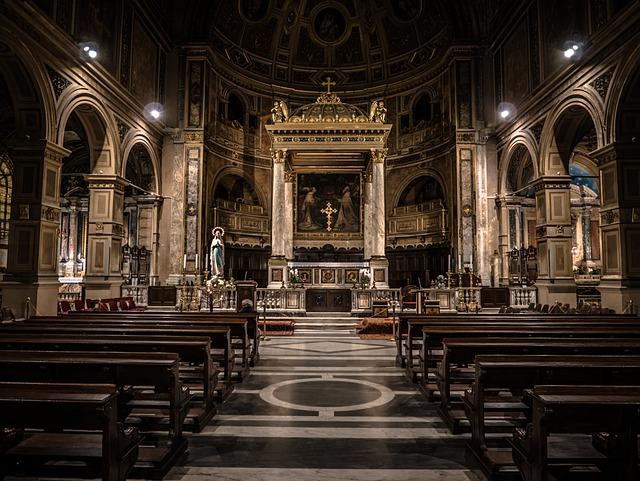
Exploring the Historical Presence of Catholicism in England
Catholicism holds a rich and extensive historical presence in England, despite the country’s complex religious past. While England is commonly associated with Anglicanism, there are indeed Catholic churches scattered throughout the nation. These sacred spaces serve as a testament to the endurance of the Catholic faith and its profound impact on English history and culture.
One prominent example of Catholicism’s historical presence in England is Westminster Cathedral, located in the heart of London. This awe-inspiring architectural masterpiece stands as both the largest Catholic church in England and the seat of the Archbishop of Westminster. Its striking neo-Byzantine design, intricate mosaics, and soaring domes make it a must-visit for both religious pilgrims and art enthusiasts.
In addition to Westminster Cathedral, the city of Liverpool is home to the Metropolitan Cathedral of Christ the King. This modernist structure, affectionately known as "Paddy’s Wigwam" due to its unique shape, is a testament to the enduring faith of Liverpool’s Catholic community. Its circular layout, vast stained glass windows, and shimmering copper exterior make it a captivating destination for visitors interested in .
Beyond these notable landmarks, Catholic churches dot the English countryside, bestowing charm and spiritual solace to local communities. These places of worship often feature stunning stained glass windows, serene gardens, and richly decorated altars. From the rural beauty of the Church of St. Mary in Chipping Norton to the grandeur of the Cathedral Church of St. John the Evangelist in Norwich, each church encapsulates the profound religious devotion that has stood the test of time.
Visiting these Catholic churches in England reveals a unique perspective on the nation’s religious landscape and its evolving relationship with Catholicism. Regardless of one’s personal beliefs, the historical presence of Catholicism in England offers a glimpse into the rich tapestry of the country’s past, reminding us of the enduring influence of faith and the resilience of its followers.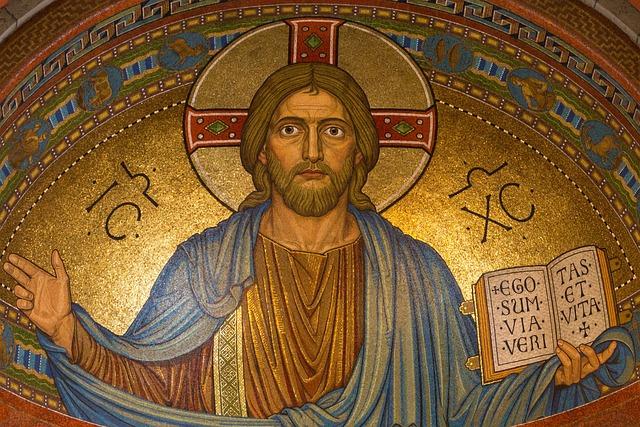
The Current Landscape: Mapping Catholic Churches in England
When it comes to religious diversity, England boasts a rich tapestry of beliefs and traditions. Among these is the presence of Catholic churches, which have played a significant role in the country’s religious landscape for centuries.
Although England has historically been associated with the Church of England, the presence of Catholicism remains prominent with churches scattered throughout the country. These places of worship serve as spiritual sanctuaries and cultural hubs for Catholic communities, offering regular Mass, sacraments, and a range of religious activities.
One remarkable aspect of the Catholic Church in England is its historical significance. Many churches have stood strong for generations, showcasing stunning architectural styles that blend tradition and innovation. These buildings bear witness to the resilience of Catholicism and are a testament to the enduring faith of its followers.
Today, mapping the Catholic churches in England provides a fascinating glimpse into the geographic spread of Catholicism. From bustling cities like London and Manchester to picturesque villages in the countryside, these churches serve as spiritual beacons, welcoming both local worshippers and visitors from around the world.

Understanding the Catholic Community in England: Size, Demographics, and Trends
With a rich history spanning centuries, the Catholic community in England is a significant religious presence in the country. In terms of size, the Catholic Church in England encompasses a significant portion of the population, with millions of adherents across the nation. While it is not the largest Christian denomination in England, it remains an influential religious group that plays a vital role in the religious landscape of the country.
Demographically, the Catholic community in England is diverse, representing people from various ethnic backgrounds. It is an inclusive community that embraces people from all walks of life. The Catholic Church in England is home to a multicultural congregation, welcoming individuals and families from different nationalities and cultural backgrounds.
When it comes to trends within the Catholic community in England, there are a few notable factors to consider. Over the years, there has been a decline in the number of Catholics actively practicing their faith, as is the case with many religious communities in Western societies. However, despite this decline, the Catholic Church continues to maintain a strong presence in the country, offering spiritual guidance and support to its faithful members.
In recent years, there has also been an increasing focus on engaging the youth within the Catholic community. Efforts have been made to provide meaningful programs and activities that cater to the younger generation, encouraging their active participation and involvement in the Church. This focus on youth engagement is crucial for the future sustainability and growth of the Catholic community in England.
Overall, the Catholic community in England is an integral part of the country’s religious fabric. With its diverse demographics and ongoing efforts to adapt to changing trends, the Catholic Church remains an influential force, providing spiritual solace and community support to its members throughout the nation.
Promoting Interfaith Dialogue: Collaboration between Catholic Churches and Other Religious Institutions in England
When it comes to the religious landscape in England, the presence of Catholic churches is indeed noteworthy. The Catholic Church, which is one of the largest Christian denominations globally, has established a strong presence in England. With an estimated four million Catholics in the country, there are numerous Catholic churches spread across cities, towns, and even rural areas.
These churches serve as centers for spiritual growth, worship, and community engagement, fostering a sense of belonging and deepening one’s faith. Providing a place for individuals to connect with their spirituality, Catholic churches in England thrive to promote interfaith dialogue and collaborations with other religious institutions. This interfaith approach aims to build bridges of understanding, respect, and mutual support among different religious communities.
Initiatives Fostering Interfaith Dialogue:
- Interfaith conferences and seminars: Catholic churches often organize interfaith conferences and seminars, inviting leaders from various religious traditions to engage in discussions on shared values, common challenges, and opportunities for cooperation.
- Interreligious prayer services: In an effort to promote peace and unity, Catholic churches frequently hold interreligious prayer services where individuals from different faiths can gather together, pray, and reflect on their common spiritual journey.
- Interfaith youth programs: Recognizing the importance of fostering interfaith relationships from a young age, Catholic churches actively participate in interfaith youth programs, which provide a platform for young individuals from diverse religious backgrounds to interact, learn, and grow together.
Promoting Collaboration:
To further strengthen interfaith dialogue, Catholic churches collaborate with other religious institutions in various ways:
| Collaboration Initiatives | Benefits and Goals |
|---|---|
| Cross-cultural events and celebrations | To foster understanding and appreciation of different traditions |
| Joint charitable endeavors | To serve the wider community and address common social issues |
| Interfaith dialogue workshops | To facilitate open and respectful conversations, promoting harmony and unity |
By actively engaging in interfaith dialogue and collaboration, Catholic churches in England not only enrich their own faith community but also contribute to building a more inclusive and harmonious society. These efforts create opportunities for mutual learning, bridge-building, and fostering a culture of peace among people of different religious backgrounds, ensuring a strong and united presence of global religious diversity in England.
Challenges and Opportunities for Catholic Churches in England: A Societal Perspective
The Catholic Church has a strong presence in England, with numerous churches spread across the country. These churches have faced various challenges and opportunities, which are crucial to understand from a societal perspective. Let’s delve into some of these factors.
Challenges:
- Declining Congregations: One of the main challenges faced by Catholic churches in England is the declining number of congregations. This trend reflects the changing religious landscape in the country, with a growing number of individuals identifying as non-religious or subscribing to other faiths.
- Maintaining Tradition in a Modern Society: Catholic churches often grapple with the challenge of preserving their traditional practices and teachings in a society that is becoming increasingly secular and diverse. Adapting to modern expectations while staying true to core values can be a hurdle for these churches.
- Financial Sustainability: Like any other institution, Catholic churches require financial resources to provide services and maintain their buildings. However, decreasing congregations and changing attitudes towards religious giving have posed financial challenges.
Opportunities:
- Interfaith Dialogue: Catholic churches can engage in meaningful dialogue with other religious communities, fostering understanding and cooperation. This can lead to new opportunities for collaboration in areas like social justice, charity work, and community development.
- Youth Engagement: Engaging and inspiring young people to actively participate in Catholic Church activities can create a strong foundation for future growth. Implementing youth-centered programs and fostering a vibrant community can help sustain the church’s presence.
In order to overcome challenges and seize opportunities, Catholic churches in England must adapt and evolve while remaining true to their core beliefs. By embracing inclusivity, maintaining their spiritual identity, and actively contributing to society, these churches can navigate the changing landscape and continue to play a significant role in the lives of their congregants.
Enhancing Religious Pluralism: Recommendations for Strengthening Catholic Presence in England
When it comes to religious diversity and the presence of Catholic churches, England may not be the first country that comes to mind. However, you might be surprised to learn that Catholicism has a strong and significant presence in this historically Protestant nation.
The Catholic Church in England dates back centuries and has played a crucial role in shaping the country’s religious landscape. Today, there are numerous Catholic churches spread across the country, representing a vibrant and diverse community of believers.
If you’re curious about exploring the Catholic presence in England, you’ll find plenty of options to choose from. Whether you’re looking for a classic gothic cathedral or a small parish church tucked away in a picturesque village, England has it all.
Here are some notable Catholic churches in England that you might want to check out:
- Westminster Cathedral: Located in the heart of London, Westminster Cathedral is one of the most iconic Catholic churches in England. Its stunning architectural design, including intricate mosaics and a magnificent bell tower, make it a must-visit for any Catholic or architecture enthusiast.
- Salisbury Cathedral: While primarily known as an Anglican cathedral, Salisbury Cathedral has a designated Catholic chapel within its premises. This unique feature allows visitors to experience the blending of different religious traditions in a single sacred space.
- York Minster: Another Anglican cathedral that embraces Catholic influences is York Minster. It boasts a beautiful Lady Chapel, dedicated to the Virgin Mary, which showcases the close connection between the two Christian traditions.
These are just a few examples of the Catholic churches you can discover in England. So, if you’re ever in the country and want to experience its religious diversity, don’t hesitate to explore the rich Catholic presence that exists alongside other faith traditions.

Engaging Youth: Strategies for Attracting and Retaining Young Catholics in England
Attracting and retaining the younger generation is a priority for the Catholic Church in England. With changing cultural dynamics and the rise of secularism, finding strategies to engage young Catholics has become increasingly important. Here are some innovative approaches that have proven successful in revitalizing the Catholic presence among youth:
1. Embracing Technology: Recognizing the influence of technology in young people’s lives, many Catholic churches in England have started employing digital tools to connect with the youth. Websites, social media platforms, and dedicated apps are being utilized to provide updates on events, share inspirational content, and offer online prayer groups. These interactive platforms allow for greater engagement, ensuring the Church remains relevant in the digital age.
2. Creating Youth-Centric Programs: Engaging young Catholics requires a tailored approach that addresses their unique needs and interests. Churches across England have introduced creative initiatives such as youth retreats, mentoring programs, and leadership workshops. These opportunities provide a safe space for young Catholics to explore their faith, ask questions, and form meaningful connections with their peers and mentors.
3. Encouraging Active Participation: Giving young Catholics a voice within the Church is crucial for their engagement. Many churches have established youth councils and forums, allowing young people to contribute their ideas and opinions on matters affecting their faith community. By actively involving them in decision-making processes and encouraging their suggestions, the Church demonstrates its commitment to inclusivity and empowers young Catholics to take ownership of their faith.
4. Fostering Interfaith Dialogue: Providing opportunities for young Catholics to engage in interfaith dialogue can broaden their perspective and strengthen their understanding of other belief systems. Interfaith events, seminars, and projects that promote tolerance, respect, and mutual understanding contribute to the personal growth of young Catholics and nurture a positive relationship with other religious communities.
Table: Comparison of Catholic Youth Programs
| Program | Description | Achievement |
|———————-|————————————–|————————————–|
| Youth Retreats | Weekend getaways for young Catholics | Increased attendance and enthusiasm |
| Mentoring Programs | One-on-one guidance from experienced | Improved understanding and support |
| | members of the Church | |
| Leadership Workshops | Training in leadership skills | Empowered youth taking active roles |
| Interfaith Dialogues | Dialogue sessions with other | Enhanced interfaith understanding |
| | religious communities | and cooperation |
By implementing these strategies, the Catholic Church in England is actively working towards attracting and retaining young Catholics. Engaging the youth through technology, tailored programs, active participation, and interfaith dialogues embrace their unique needs and ensure their continued involvement within the Church. As the Church adapts to societal changes, it remains committed to fostering a vibrant Catholic presence among young people, empowering them to be active participants in their faith journey.
Preserving Tradition: The Role of Catholic Churches in England’s Cultural Heritage
Catholicism has a long and rich history in England, and the presence of Catholic churches across the country reflects its cultural heritage. These churches have played a significant role in preserving tradition and beliefs, while keeping alive the legacy of Catholicism in the nation.
One prominent example is Westminster Cathedral in London, a stunning masterpiece that represents one of the most important Catholic sites in England. Its grandeur and intricate design are a testament to the enduring presence of Catholicism in the country. Visitors can marvel at its impressive architecture, adorned with beautiful stained glass windows and towering spires.
Beyond London, Catholic churches can be found in various cities and towns throughout England, each with its unique charm and historical significance. In places like Manchester, Birmingham, and Liverpool, these churches stand as reminders of the steadfast devotion of the Catholic community in England.
The Catholic churches in England not only serve as places of worship but also act as cultural and educational hubs. They often host events and exhibitions that celebrate the heritage of Catholicism, preserving traditional practices and customs for future generations. It is through these churches that the religious and cultural legacy of Catholicism continues to thrive, contributing to England’s diverse and multicultural fabric.
In conclusion, while England may be better known for its Anglican roots, the presence of Catholic churches across the country reflects a deep commitment to preserving tradition and cultural heritage. These churches stand as iconic landmarks and serve as vibrant centers of faith, offering a place for worshippers to gather, celebrate, and learn about the rich history of Catholicism in England.
Promoting Social Justice: How Catholic Churches in England Address Contemporary Issues
Exploring Catholic Churches in England
While England may be widely known for its Anglican roots, Catholicism also holds a significant presence within the country. Despite being a minority, Catholic churches play a vital role in promoting social justice and addressing contemporary issues in today’s society.
One example of how Catholic churches in England address these issues is through their emphasis on charity and outreach programs. Many Catholic parishes actively engage in initiatives that aim to support marginalized communities, such as providing food banks, shelter, and counseling services. These efforts highlight the church’s commitment to alleviate poverty and champion social justice for those in need, regardless of religious affiliation.
Furthermore, Catholic churches in England often use their platforms to raise awareness about pressing global issues, such as climate change and immigration. Through sermons, educational workshops, and community events, they encourage their members to actively participate in creating positive change. By promoting sustainable practices and advocating for the rights of migrants and refugees, these churches foster a sense of social responsibility among their congregations.
It’s important to note that while Catholic churches in England remain rooted in traditional teachings, they also adapt to the evolving needs of society. They strive to be inclusive spaces that welcome people from diverse backgrounds, promoting dialogue and open-mindedness. By encouraging interfaith dialogues and embracing diversity, these churches contribute to the overall fabric of social justice in England.
The Conclusion
In conclusion, the presence of Catholic churches in England is a testament to the enduring impact of religion on a global scale. Despite England’s historical ties to Protestantism, these sacred places of Catholic worship continue to serve as pillars of faith, offering solace and spiritual guidance to devout Catholics and visitors alike. With their rich history, intricate architecture, and vibrant community, these churches stand as a reminder of the diverse religious tapestry that spans across the globe. So, whether you’re a curious traveler or a devout Catholic, be sure to explore the Catholic churches in England and discover the beauty and serenity they hold within their hallowed walls.
Get our latest guides, news, and insights highlighted in your Google Search & AI Overviews.


 CLASSIFIED INFORMATION ALERT