

Is Mass a Sacrament? Understanding Religious Practices
Have you ever wondered if attending Mass is considered a sacrament in the Catholic faith? In this article, we will delve into the religious significance of the Mass and explore the concept of sacraments in religious practices. By understanding the role of Mass in the Catholic tradition, we can gain a deeper appreciation for the spiritual significance of this important religious ritual. Let’s uncover the truth behind whether Mass is truly a sacrament.
Contents
- The Importance of Mass in Religious Traditions
- The Origins and Meaning of the Sacrament of Mass
- Key Elements of the Mass Ceremony
- The Role of Rituals and Symbols in Mass
- Understanding the Spiritual Significance of Mass
- How Mass Fosters Community and Belonging
- Tips for Enhancing Your Experience of Mass
- Common Misconceptions About Mass as a Sacrament
- Exploring Different Perspectives on Mass Within Various Religious Traditions
- In Summary
The Importance of Mass in Religious Traditions
Mass, known as the Eucharist in many Christian traditions, holds a central place in religious practices around the world. It is a sacred ritual that commemorates the Last Supper of Jesus Christ with his disciples. goes beyond simply attending a church service; it is a sacrament that holds deep spiritual significance for believers.
During Mass, believers gather to participate in the reenactment of Jesus’ sacrifice on the cross and to receive the body and blood of Christ through communion. This act of receiving the Eucharist is seen as a way to connect with God and to receive grace and forgiveness for sins. Mass is seen as a means of worship, thanksgiving, and spiritual nourishment for the faithful.
Mass is also a communal gathering where believers come together to pray, sing hymns, and listen to readings from the Bible. It is a time for reflection, repentance, and renewal of faith. Through Mass, believers strengthen their bond with God and with one another, reaffirming their commitment to living a life of faith and love.

The Origins and Meaning of the Sacrament of Mass
The Sacrament of Mass holds deep significance within the Catholic tradition, serving as a central act of worship and communion. Its origins can be traced back to the Last Supper, where Jesus Christ shared bread and wine with his disciples, instructing them to do the same in his memory. This symbolic act of sharing in the body and blood of Christ forms the core of the Mass, where believers come together to partake in the Eucharist.
Throughout history, the Mass has evolved in form and practice, incorporating elements of liturgy, scripture readings, prayers, and hymns. The structure of the Mass follows a set order, beginning with the Introductory Rites, followed by the Liturgy of the Word, the Liturgy of the Eucharist, and concluding with the Concluding Rites. Each part serves a specific purpose in guiding worshipers through a journey of prayer, reflection, and communion with God.
The word ‘sacrament’ itself derives from the Latin sacramentum, meaning a sacred ritual or act. In the context of the Mass, the Eucharist is considered a sacrament – a visible sign of God’s invisible grace. By partaking in the Eucharist, believers renew their faith, receive spiritual nourishment, and unite with Christ and one another in a mystical bond of love and communion. The Sacrament of Mass thus represents a profound expression of faith, devotion, and community within the Catholic Church.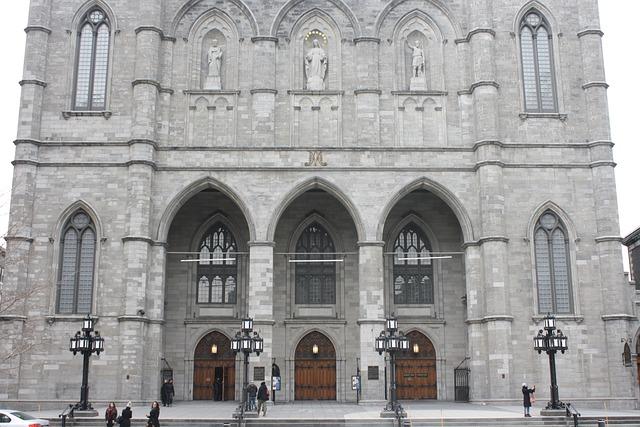
Key Elements of the Mass Ceremony
When it comes to the Mass ceremony, there are several key elements that play a significant role in the religious practices of Catholics. These elements are essential in understanding the significance and symbolism behind the Mass as a sacrament.
- Liturgy: The Mass ceremony follows a specific liturgy, which includes prayers, readings from the Bible, hymns, and responses from the congregation. The liturgy is carefully structured to guide worshippers through different parts of the ceremony.
- Eucharist: One of the central elements of the Mass is the Eucharist, also known as Holy Communion. Catholics believe that during the Eucharist, the bread and wine become the body and blood of Jesus Christ.
- Transubstantiation: This is the theological term used to describe the belief that the bread and wine undergo a transformation during the Eucharist, becoming the actual body and blood of Christ.
- Sacred Vessels: The Mass ceremony involves the use of sacred vessels, such as the chalice and paten, to hold the bread and wine during the Eucharist. These vessels are treated with reverence and respect.
The Role of Rituals and Symbols in Mass
Many people attend Mass as a regular part of their religious practice, but have you ever stopped to consider the deeper meaning behind the rituals and symbols involved in the service? These elements play a crucial role in shaping the experience of Mass and are deeply rooted in the history and tradition of the Catholic Church.
Rituals in Mass:
- The act of receiving communion
- The use of incense and candles
- The prayers and responses spoken by the congregation
Symbols in Mass:
- The crucifix, representing the sacrifice of Jesus
- The chalice and paten, symbolizing the body and blood of Christ
- The vestments worn by the clergy, signifying their role in the service
| Symbol | Meaning |
|---|---|
| Candles | Light of Christ |
| Wine | Blood of Christ |
| Bread | Body of Christ |

Understanding the Spiritual Significance of Mass
Spiritual Significance of Mass
In the Catholic Church, Mass holds a central place in the spiritual lives of believers. It is not merely a religious practice but a profound sacrament that encompasses various aspects of worship and communion with the divine. can deepen one’s faith and connection to God.
The Eucharist
One of the key elements of Mass is the celebration of the Eucharist, where Catholics believe in the real presence of Jesus Christ in the consecrated bread and wine. This sacrament symbolizes the sharing in the body and blood of Christ, providing spiritual nourishment and strengthening the bond between the faithful and God.
Communal Worship
Mass is also a communal act of worship where believers come together to praise God, offer prayers, and participate in rituals that unite them as a faith community. Through collective prayer and the sharing of the Word of God, attendees cultivate a sense of belonging and solidarity, reinforcing their commitment to Christian values and principles.
Sacred Rituals and Liturgy
The liturgical structure of Mass, including prayers, hymns, readings, and the consecration of bread and wine, follows a prescribed order that reflects the Church’s tradition and teachings. These rituals serve to sanctify the gathering, elevate the spiritual experience, and convey the sacredness of the sacrament being celebrated.
How Mass Fosters Community and Belonging
Mass is a powerful religious practice that goes beyond the physical act of attending church. It fosters a sense of community and belonging among believers, creating a sacred space where individuals come together to worship and connect with each other. Through shared rituals and prayers, Mass allows people to unite in faith and strengthen their connection to their religious community.
One key aspect of Mass is the Eucharist, which Catholics believe to be a sacrament. This sacred ritual involves the consumption of bread and wine that symbolize the body and blood of Jesus Christ. By partaking in the Eucharist, believers deepen their spiritual connection to Christ and to each other, reinforcing their sense of belonging to the larger Christian community.
Mass also provides an opportunity for individuals to reflect on their faith, seek guidance from religious leaders, and receive support from their fellow believers. Whether through hymns, readings, or prayers, Mass offers a space for worshipers to express their devotion and strengthen their sense of belonging to their religious community.
In conclusion, Mass plays a significant role in fostering community and belonging among believers through shared rituals, spiritual practices, and a sense of connection to something larger than themselves. By participating in Mass, individuals can deepen their faith, strengthen their relationships with others, and feel a sense of belonging to their religious community.

Tips for Enhancing Your Experience of Mass
Whether you attend Mass regularly or are new to the practice, there are ways to enhance your experience and deepen your connection to the sacrament. Here are a few tips to help you make the most of your time at Mass:
- Arrive Early: Arriving a few minutes before Mass begins can help you prepare mentally and spiritually for the service ahead. Take some time to quiet your mind and focus on the significance of the sacrament you are about to participate in.
- Dress Appropriately: While there is no strict dress code for Mass, dressing modestly and respectfully can help create a reverent atmosphere. Choose clothing that is comfortable yet appropriate for a religious service.
- Participate Fully: Engage in the prayers, hymns, and readings during Mass. Reflect on the message being shared and actively participate in the rituals and responses of the congregation.
- Receive Communion with Reverence: If you are Catholic and eligible to receive communion, approach the altar with reverence and humility. Remember that communion is a sacred moment of union with Christ and your fellow worshippers.

Common Misconceptions About Mass as a Sacrament
Many people have misconceptions about Mass as a sacrament in the Catholic Church. One common misconception is that attending Mass is simply a religious obligation, and that it holds no significance beyond that. In reality, Mass is a sacred ritual that holds deep spiritual meaning for Catholics.
Another misconception is that Mass is only for “good” or devout Catholics. The truth is that Mass is open to all, regardless of their level of faith or participation in the Church. It is a time for all to come together in worship and community.
Some may also believe that Mass is simply a time to receive Communion, without understanding the full sacramental nature of the service. In addition to receiving the Eucharist, Mass is a time for prayers, readings from the Bible, and reflection on the teachings of Christ.
Overall, it’s important to recognize that Mass is not just a routine or ritual, but a sacred sacrament that plays a vital role in the spiritual life of Catholics around the world.

Exploring Different Perspectives on Mass Within Various Religious Traditions
Mass is a central religious practice in many traditions, where believers gather to participate in communal worship, prayer, and reflection. Within Christianity, Mass is considered a sacrament by some denominations, such as Catholicism and Eastern Orthodoxy. The Eucharist, or Holy Communion, is seen as a sacred ritual that symbolizes the Last Supper of Jesus Christ with his disciples.
In Catholicism, Mass is seen as a reenactment of Christ’s sacrifice on the cross, where the bread and wine are believed to be transformed into the body and blood of Jesus through transubstantiation. This belief in the real presence of Christ in the Eucharist is central to Catholic theology and worship practices.
On the other hand, Protestant traditions like Lutheranism and Anglicanism may have a different perspective on Mass. While they may also celebrate the Eucharist, they might not consider it a sacrament in the same way as Catholics do. Instead, they may view it as a symbolic remembrance of Christ’s sacrifice and a way to unite the community in worship and fellowship.
In Summary
In conclusion, understanding the concept of Mass as a sacrament sheds light on the significance of religious practices in the Catholic faith. By recognizing Mass as a sacred ritual that symbolizes the presence of Christ, believers are able to deepen their spiritual connection and experience a profound sense of unity with their community. As we continue to explore the traditions and beliefs of various religions, we can gain a greater appreciation for the diversity and richness of human spirituality. Remember, whether you are a devout follower or simply curious about different faiths, embracing knowledge and understanding can foster greater respect and harmony among all individuals.


 ELITE NEUROSCIENCE DISCOVERY