
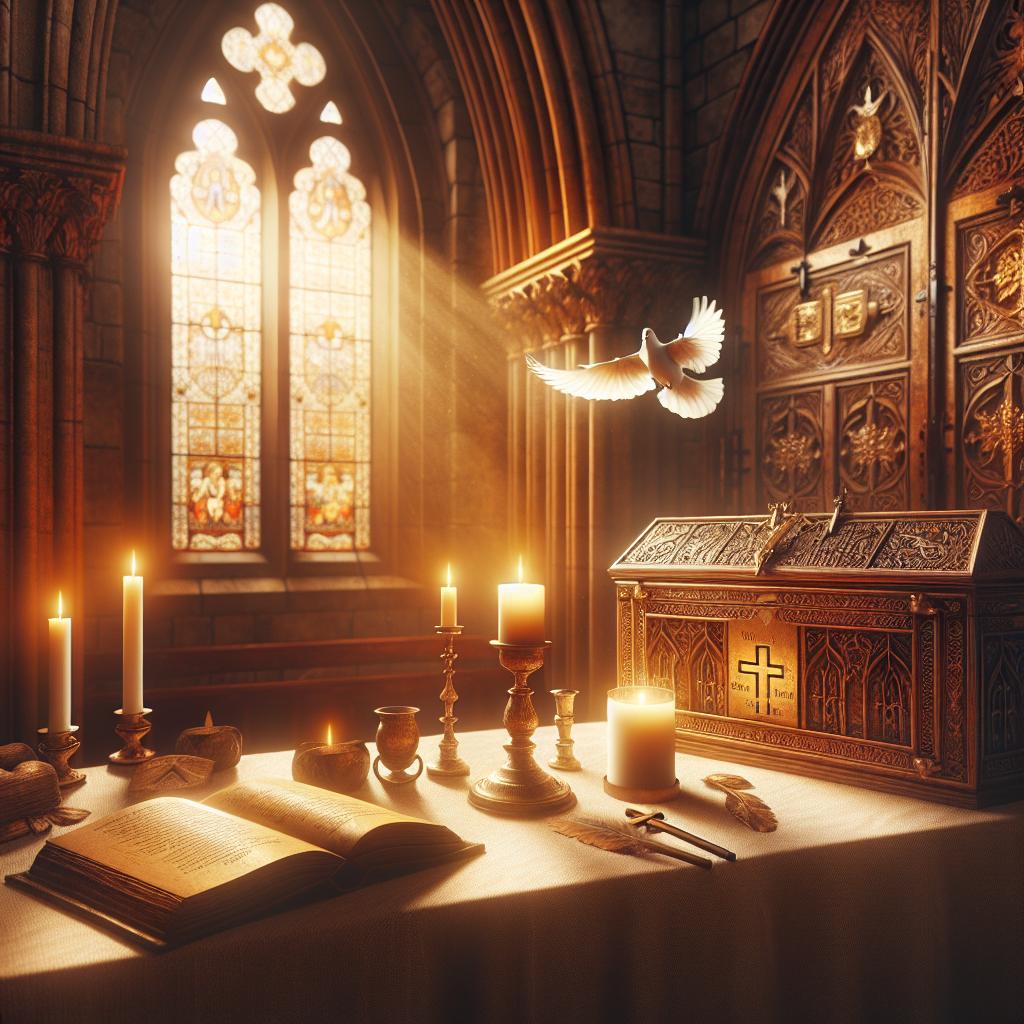
Is Death a Sacrament? Exploring Religious Perspectives
Death has been a topic of contemplation and debate across various religious traditions for centuries. In this article, we delve into the question of whether death can be considered a sacrament from the perspective of different religious beliefs. Join us as we explore the diverse viewpoints on this thought-provoking subject and gain a deeper understanding of the significance of death in various faiths.
Contents
- Understanding the Concept of Death in Various Religious Traditions
- Exploring the Role of Death as a Transition in Different Faiths
- The Rituals and Practices Surrounding Death in Different Religious Beliefs
- Is Death a Sacred Event or a Natural Transition in Religious Thought?
- Comparing and Contrasting Death as a Sacrament Across Different Religions
- The Spiritual Significance of Death in Hinduism, Christianity, Buddhism, and Islam
- Death as a Catalyst for Spiritual Growth: Insights from Religious Scholars
- Examining the Afterlife Beliefs and Attitudes Towards Death in Different Faiths
- Recommendations for Embracing Death as a Sacrament in Religious Practice
- In Summary
Understanding the Concept of Death in Various Religious Traditions
Throughout history, different religious traditions have offered unique perspectives on the concept of death. In Christianity, death is often seen as a natural part of life, with the belief in an afterlife playing a central role in providing comfort and hope to believers. The sacrament of death is viewed as a transition into the presence of God, where the soul will be reunited with loved ones and experience eternal peace.
In Hinduism, death is viewed as a cyclical process of rebirth and karma. The soul is believed to be immortal and continues on a journey of self-realization through multiple lifetimes. The concept of moksha, or liberation from the cycle of birth and death, is central to the Hindu understanding of death as a sacred and transformative experience.
In Islam, death is seen as a test from Allah, with the belief that the deceased will be held accountable for their actions in the afterlife. The funeral rites in Islam are meant to honor the deceased and provide comfort to the living, while reminding believers of the temporary nature of life on earth.
| Religious Tradition | View on Death |
|---|---|
| Christianity | Transition into the presence of God |
| Hinduism | Cyclical process of rebirth and karma |
| Islam | Test from Allah with accountability in the afterlife |

Exploring the Role of Death as a Transition in Different Faiths
In Hinduism, death is viewed as a natural part of the cycle of reincarnation. It is believed that when a person dies, their soul is reborn into a new body. This process continues until the soul reaches ultimate liberation, or moksha. Death is seen as a transition from one life to the next, with the opportunity for spiritual growth and evolution.
In Buddhism, death is seen as a transition to a new state of existence. It is believed that the soul continues on a journey of rebirth, influenced by its actions in previous lives. Death is not viewed as an end, but rather as a transformation into a different form of being. Buddhist teachings emphasize the impermanence of life and the importance of cultivating mindfulness and compassion in preparation for death.
In Christianity, death is seen as a passage from earthly life to eternal life. It is believed that through faith in Jesus Christ, believers are granted salvation and will be reunited with God in heaven after death. Death is viewed as a sacrament, a sacred moment of transition from worldly suffering to everlasting peace. Christians are encouraged to live a righteous life in accordance with the teachings of Jesus in preparation for the afterlife.
In Islam, death is seen as a transition to the afterlife, where individuals will be judged based on their actions in this world. It is believed that those who have lived a righteous life will be rewarded with paradise, while those who have sinned will face punishment in hell. Death is viewed as a test of faith and a reminder of the importance of living a virtuous life. Muslims are encouraged to pray and seek forgiveness in preparation for their eventual transition to the next life.
The Rituals and Practices Surrounding Death in Different Religious Beliefs
Each religion holds unique beliefs and practices surrounding death, reflecting their understanding of the afterlife and the role of the deceased in the spiritual realm. These rituals often serve to honor the life of the departed, provide comfort to the bereaved, and guide the soul to its next destination.
In Christianity, death is not viewed as a sacrament, but rather as a passage from earthly life to eternal life. Funeral rites typically include a solemn ceremony with prayers, hymns, and scripture readings, followed by burial or cremation. Many Christians believe in the resurrection of the body, where the soul reunites with a glorified form in the presence of God.
In contrast, Hinduism sees death as a spiritual journey that continues through multiple lifetimes. The funeral process includes cremation, which is believed to release the soul from the physical body and purify it for reincarnation. Family members perform rituals to honor the deceased and ensure a smooth transition to the afterlife.
Similarly, Buddhism teaches that death is a natural part of the cycle of birth and rebirth. Funerals often involve chanting, meditation, and offerings to guide the soul toward enlightenment. The deceased may be cremated or placed in a burial mound, with ceremonies held to honor their memory and cultivate compassion for all beings.

Is Death a Sacred Event or a Natural Transition in Religious Thought?
In religious thought, the concept of death is often seen as a sacred event that marks a transition from one realm to another. It is believed that during death, the soul leaves the physical body and embarks on a journey to the afterlife. Many religions view death as a passage to a higher state of being, where the soul is reunited with a higher power or transcendent reality.
On the other hand, some religious traditions view death as a natural transition that is simply a part of the cycle of life. These beliefs emphasize the impermanence of life and the need to accept death as a natural and inevitable process. In this view, death is not feared but rather accepted as a necessary step in the journey of the soul.
Some religious perspectives also see death as a sacrament, a sacred ritual that marks a person’s passage from this world to the next. Death is viewed as a transformative event that allows the soul to be purified and prepared for its next journey. It is a time for reflection, prayer, and celebration of the life that was lived.
Ultimately, whether death is viewed as a sacred event or a natural transition depends on one’s religious beliefs and cultural traditions. Regardless of perspective, death is a universal experience that unites all people in the shared human experience of mortality.

Comparing and Contrasting Death as a Sacrament Across Different Religions
Death is a concept that holds significant religious and spiritual importance across various belief systems. In Christianity, death is often viewed as a sacrament – a holy and sacred event that marks the transition from earthly life to eternal life. This belief is rooted in the resurrection of Jesus Christ, which symbolizes overcoming death and achieving salvation.
On the other hand, in Hinduism, death is seen as a natural part of the cycle of birth, death, and rebirth known as samsara. It is believed that each individual’s actions (karma) in their current life will determine their next incarnation. Death is not a sacrament in Hinduism, but rather a step towards spiritual progression and eventual liberation (moksha).
While Christianity and Hinduism have differing views on death as a sacrament, both religions emphasize the importance of honoring the deceased and offering prayers for their journey beyond the physical realm. Regardless of the specific beliefs surrounding death, the common thread among religions is the acknowledgment of death as a significant and profound event in the human experience.
| Religion | View on Death as a Sacrament |
| Christianity | Death is seen as a sacrament symbolizing eternal life. |
| Hinduism | Death is not a sacrament but part of the cycle of rebirth. |

The Spiritual Significance of Death in Hinduism, Christianity, Buddhism, and Islam
In Hinduism, death is viewed as a natural part of the cycle of life, death, and rebirth known as samsara. It is believed that the soul (atman) is eternal and transcends physical death, moving on to a new body in the next life based on karma. Death is seen as a transition from one state of being to another, with rituals such as cremation playing a crucial role in helping the soul continue its journey.
Christianity sees death as a consequence of sin, but also as a gateway to eternal life. Through the death and resurrection of Jesus Christ, Christians believe that death has lost its sting and believers can look forward to reuniting with God in paradise. The sacraments of last rites and funeral services are important in aiding the soul’s journey and providing comfort to the grieving.
Buddhism teaches that death is a natural part of existence and an opportunity for spiritual growth. The concept of impermanence (anicca) is central to Buddhist philosophy, emphasizing the transient nature of life. Death is viewed as a chance for the soul to break free from the cycle of suffering (samsara) and attain enlightenment (nirvana) through practices such as meditation and mindfulness.
In Islam, death is seen as a passage to the next life and a test of faith. Muslims believe in the resurrection of the body on Judgment Day, where individuals will be held accountable for their actions in this life. The rituals of washing and burying the deceased, known as Janazah, are important in preparing the body for the afterlife and honoring the deceased’s memory.
Death as a Catalyst for Spiritual Growth: Insights from Religious Scholars
Within the realm of religious beliefs and practices, death is often viewed not just as the end of life, but as a significant spiritual event that has the potential to catalyze personal growth and transformation. Many religious scholars argue that death is a profound moment that can lead individuals to reflect on their own mortality and the meaning of life.
Various religious traditions and perspectives offer insights into the idea of death as a sacrament, emphasizing the importance of embracing death as a natural part of the human experience. From the concept of death as a gateway to the afterlife in Christianity to the notion of rebirth and reincarnation in Hinduism and Buddhism, different faiths provide unique perspectives on how death can serve as a catalyst for spiritual growth.
Central to many religious teachings is the idea that confronting the reality of death can inspire individuals to live more consciously, cultivate compassion, and seek deeper connections with themselves and others. By acknowledging the impermanence of life, individuals may find motivation to engage in self-reflection, practice gratitude, and prioritize meaningful relationships.
Ultimately, exploring the concept of death as a sacrament from various religious perspectives can offer profound insights into the nature of existence, the purpose of life, and the transformative power of embracing mortality as a catalyst for spiritual growth.

Examining the Afterlife Beliefs and Attitudes Towards Death in Different Faiths
In various religious traditions, death is often viewed as a sacred transition, marking the soul’s journey to the afterlife. Different faiths have unique beliefs and attitudes towards death, shaping how their followers perceive this inevitable part of life.
**Christianity**: In Christianity, death is seen as a passage to eternal life or judgment, depending on one’s faith and deeds on Earth. The belief in resurrection and salvation through Jesus Christ is central to Christian views on the afterlife.
**Islam**: Muslims believe in the concept of Barzakh, an intermediate state between death and resurrection. Good deeds, adherence to the Quran, and the will of Allah determine a person’s fate in the afterlife.
**Buddhism**: Buddhists view death as a natural part of the cycle of rebirth. The goal is to achieve enlightenment and break free from this cycle of suffering, known as samsara.

Recommendations for Embracing Death as a Sacrament in Religious Practice
Incorporating the concept of death as a sacrament into religious practice can provide a profound perspective on the inevitable end of life. By embracing death as a sacrament, individuals can find solace in the belief that death is a transition to a higher spiritual realm. Here are some recommendations for integrating this perspective into religious practice:
– **Contemplation and Reflection**: Encourage members of the faith community to engage in contemplation and reflection on the meaning of death as a sacrament. This can be done through meditative practices, prayer, or dialogue with spiritual leaders.
– **Rituals and Ceremonies**: Create rituals and ceremonies that honor the sacred nature of death. This could include funeral services, memorial services, or annual remembrance ceremonies.
– **Education and Dialogue**: Provide opportunities for education and dialogue about death as a sacrament. This could include hosting workshops, lectures, or discussion groups on the topic.
– **Community Support**: Offer community support for individuals who are experiencing grief or facing the prospect of their own mortality. This could include grief counseling, support groups, or pastoral care.
By embracing death as a sacrament in religious practice, individuals can find comfort and meaning in the face of life’s ultimate mystery.
In Summary
In conclusion, the question of whether death is a sacrament is a complex one that varies among different religious perspectives. While some may see death as a sacred transition to the afterlife, others may view it as a natural part of the human experience. By exploring these diverse viewpoints, we can gain a deeper understanding of how different faith traditions interpret and honor the process of death. Ultimately, the concept of death as a sacrament invites us to reflect on our own beliefs and values, and to ponder the mysteries of life and death with an open mind and heart.


 ELITE NEUROSCIENCE DISCOVERY