

What Is a Maronite Catholic Church? Exploring Eastern Catholic Traditions!
Have you ever heard of Maronite Catholic Church and wondered what sets it apart from other Christian denominations? In this article, we will delve into the rich traditions and unique practices of the Maronite Catholic Church, a fascinating branch of Eastern Catholicism. Join us as we explore the history, beliefs, and customs of this ancient faith, and uncover the beauty of its spiritual heritage. Let’s take a journey into the world of Maronite Catholicism and discover its timeless traditions together.
Contents
- Introduction to Maronite Catholic Church
- History and Origins of the Maronite Catholic Church
- Distinctive Traditions and Beliefs of the Maronite Catholics
- The Role of the Patriarch in the Maronite Church
- Liturgy and Worship in Maronite Catholic Churches
- Sacraments and Practices of the Maronite Catholic Tradition
- Maronite Saints and Spiritual Practices
- Contemporary Issues Facing Maronite Catholics
- Recommendations for Those Interested in Exploring Maronite Catholicism
- In Conclusion
Introduction to Maronite Catholic Church
The Maronite Catholic Church is one of the Eastern Catholic Churches in full communion with the Pope in Rome. It has a rich history and distinct traditions that set it apart from Roman Catholicism and other Christian denominations. Here are some key points to help you understand what makes the Maronite Catholic Church unique:
-
Founding: The Maronite Church traces its origins back to the 4th century when a monk named Maron established a monastic community in the mountains of Lebanon. The followers of Maron eventually formed their own church, which became known as the Maronite Church.
-
Liturgy: The Maronite Church follows its own liturgical rites, which combine elements of Syriac and Antiochene traditions. The Maronite liturgy is known for its beautiful chants, incense, and elaborate rituals that create a sense of reverence and awe.
-
Spirituality: Maronite spirituality focuses on a deep connection to the land of Lebanon, the heritage of the Maronite people, and a strong devotion to the Virgin Mary. Maronites also have a special devotion to St. Maron, their founding monk, and other saints who have played important roles in the history of the church.
- Community: The Maronite Church is not just a religious institution but also a close-knit community that values hospitality, generosity, and solidarity. Maronites are known for their strong family ties and support for one another in times of need.

History and Origins of the Maronite Catholic Church
Maronite Catholic Church is one of the Eastern Catholic Churches that trace their heritage back to the Antiochene Church, the first Christian community in Antioch, Syria. The Maronites are named after Saint Maron, a monk who lived in the 4th century. The Maronite Church has a unique blend of Eastern and Western traditions, with a rich history dating back to the early days of Christianity.

The Maronite Church has its own liturgical practices, including the celebration of the Divine Liturgy, which is similar to the Byzantine Rite. Maronite Catholics use Aramaic, the language of Jesus, in their prayers and liturgy, giving them a connection to the early Christian communities in the Middle East. The Maronite Church also has a strong devotion to the Virgin Mary and the saints, with many Maronite parishes dedicated to saints who have a special significance in Maronite tradition.
The Maronite Church has faced many challenges throughout its history, including persecution and political upheaval in the Middle East. Despite these challenges, the Maronite Church has remained faithful to its traditions and continues to be a vibrant and integral part of the Catholic Church. Today, Maronite Catholics can be found all over the world, but their roots remain firmly planted in the ancient traditions of the Antiochene Church.
Distinctive Traditions and Beliefs of the Maronite Catholics
The Maronite Catholic Church is a unique branch of the Eastern Catholic tradition, with distinctive traditions and beliefs that set it apart from other Christian denominations. Maronite Catholics trace their origins back to the 4th century, when Saint Maron established a monastic community in Lebanon. Today, Maronite Catholics can be found in Lebanon, Syria, Cyprus, and around the world in diaspora communities.
**Distinctive Traditions and Beliefs**
– Maronite Catholics follow the Antiochene Liturgical Rite, which combines elements of the West Syriac and Byzantine traditions. This liturgical tradition is characterized by its rich prayers, hymns, and rituals that are steeped in ancient tradition.
– The Maronite Church has a strong devotion to the Blessed Virgin Mary, whom they honor as the Mother of God. The Miraculous Icon of Our Lady of Lebanon, located in Harissa, is a significant pilgrimage site for Maronite Catholics.
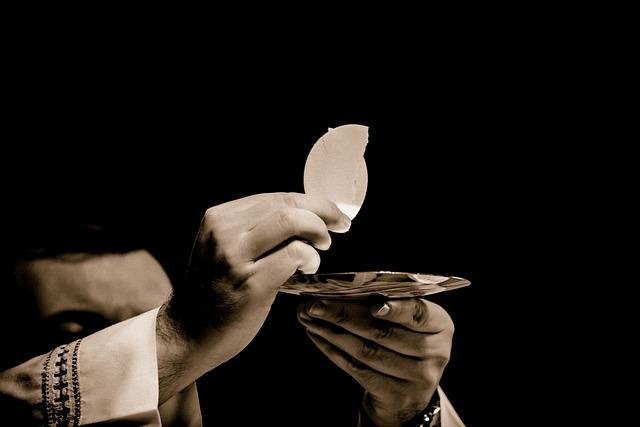
– Maronite Catholics have a deep reverence for the Eucharist, which they believe is the true body and blood of Jesus Christ. The Maronite Divine Liturgy, or Mass, is a central part of their worship and is celebrated in a mix of Syriac, Arabic, and Aramaic.
Overall, the Maronite Catholic Church offers a rich and ancient spiritual tradition that is deeply rooted in the history and culture of the Middle East. Whether through their liturgical prayers, devotion to Mary, or celebration of the Eucharist, Maronite Catholics continue to uphold and preserve their unique Eastern Catholic heritage.
The Role of the Patriarch in the Maronite Church
The Maronite Church is a branch of the Catholic Church that follows the Antiochene Tradition. One of the key figures in the Maronite Church is the Patriarch, who serves as the spiritual leader of the community. The Patriarch is responsible for guiding and overseeing the faithful, as well as representing the Maronite Church to the wider world.
The Patriarch plays a crucial role in preserving the traditions and teachings of the Maronite Church, ensuring that they are passed down from generation to generation. They also work to foster unity and harmony within the community, promoting a sense of belonging and solidarity among the faithful. Additionally, the Patriarch is involved in making important decisions regarding the direction and governance of the Church.
Overall, the Patriarch serves as a spiritual father to the Maronite faithful, providing guidance, support, and leadership in their journey of faith. Their role is essential in maintaining the rich traditions and heritage of the Maronite Church, while also adapting to the changing needs of the modern world.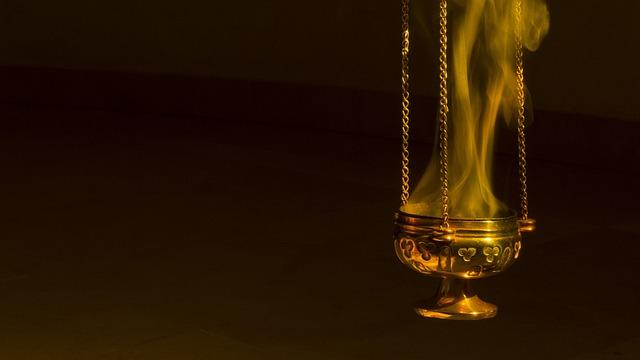
Liturgy and Worship in Maronite Catholic Churches
In Maronite Catholic churches, the liturgy and worship practices are rich in tradition and history. The Maronite Church is one of the Eastern Catholic Churches in full communion with the Pope in Rome. Here are some key aspects of :
**Prayer:** Maronite Catholics have a deep devotion to prayer, with a strong emphasis on the liturgy of the hours. The Maronite Divine Office, or Salah, consists of seven daily prayer services.
**Divine Liturgy:** The Maronite Divine Liturgy is known for its beautiful melodies and chants, which are sung in Aramaic, the language of Jesus. The liturgy is rich in symbolism and ritual, including the use of incense and candles.
**Sacraments:** Maronite Catholics celebrate the seven sacraments of the Catholic Church, including baptism, Eucharist, and confirmation. The sacraments are central to the liturgical life of the Maronite Church.
**Iconography:** Maronite churches are adorned with beautiful icons that depict scenes from the life of Christ, the Virgin Mary, and the saints. Icons are venerated and used as aids to prayer and meditation.
In summary, are a vibrant expression of faith and devotion, steeped in tradition and history. If you’re looking to experience the beauty of Eastern Catholic traditions, a visit to a Maronite church is a must!
Sacraments and Practices of the Maronite Catholic Tradition
The Maronite Catholic Church is a unique and ancient branch of the Catholic tradition that traces its roots back to the teachings of Saint Maron, a 4th-century monk. Maronite Catholics follow the teachings and practices of the Eastern Catholic tradition, which includes a rich and vibrant liturgical life centered around the seven sacraments.
One of the distinguishing features of the Maronite Catholic tradition is its liturgy, which combines elements of both the Eastern and Western traditions. The Maronite Divine Liturgy is celebrated in Syriac, an ancient form of Aramaic, and includes beautiful hymns, incense, and ancient prayers. The sacraments play a central role in the life of a Maronite Catholic, helping believers to experience the grace and love of God in their lives.
The seven sacraments of the Maronite Catholic tradition are:
- Baptism
– Confirmation
– Eucharist
– Reconciliation
– Anointing of the Sick
– Holy Orders
– Matrimony
Each sacrament is a visible sign of God’s grace and presence in the life of a believer, helping them to grow in faith and holiness. The Maronite Catholic Church also has unique practices, such as the use of icons and the veneration of saints, that reflect its Eastern Christian heritage and help believers to deepen their relationship with God.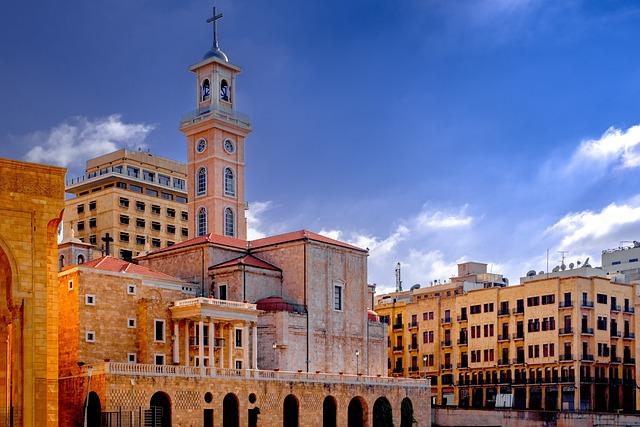
Maronite Saints and Spiritual Practices
Maronite Saints are individuals who have been recognized for their exceptional devotion to the Maronite Catholic Church and their exemplary lives of faith. These saints serve as role models for Maronite Catholics around the world, inspiring them to deepen their spiritual practices and grow closer to God.
One of the key spiritual practices in the Maronite tradition is the frequent participation in the Divine Liturgy, also known as the Mass. This sacred ritual is central to the Maronite Catholic Church and is a time for worship, prayer, and communion with God. By actively participating in the Divine Liturgy, Maronite Catholics are able to strengthen their relationship with God and grow in their faith.
Another important spiritual practice in the Maronite tradition is the veneration of saints. Maronite Catholics often seek the intercession of saints, such as St. Maron or St. Sharbel, to ask for their prayers and blessings. This practice helps Maronite Catholics to feel connected to the communion of saints and to seek the guidance and support of those who have gone before them in faith.
Overall, play a crucial role in the life of Maronite Catholics, helping them to deepen their faith, grow closer to God, and live out their beliefs in their daily lives. Through the example of the saints and the practice of spiritual disciplines, Maronite Catholics are able to continue the rich traditions of their Eastern Catholic heritage.
Contemporary Issues Facing Maronite Catholics
Maronite Catholics are part of the Eastern Catholic Church, adhering to the traditions and teachings of the Maronite Church. This branch of Catholicism has a rich history that dates back to the 4th century, with roots in the Middle East. Maronite Catholics follow a unique liturgical tradition that sets them apart from Roman Catholics, making their practices and beliefs distinctive.
One of the key characteristics of Maronite Catholicism is their devotion to St. Maron, a hermit who lived in the 4th century and is considered the founder of the Maronite Church. Maronites place a strong emphasis on prayer and spirituality, with a focus on the mystical aspects of the faith.
In today’s world, Maronite Catholics face challenges that are unique to their community. From maintaining their cultural identity in a globalized world to navigating the tensions in the Middle East, Maronite Catholics must grapple with a range of contemporary issues that impact their faith and community. Despite these challenges, Maronite Catholics continue to uphold their traditions and beliefs with a strong sense of faith and resilience.
Recommendations for Those Interested in Exploring Maronite Catholicism
When it comes to exploring Maronite Catholicism, there are a few recommendations that can help you delve deeper into this rich and ancient tradition. Here are a few pointers to get you started:
- Attend a Maronite Catholic Church: The best way to immerse yourself in the Maronite Catholic tradition is to attend a Maronite Catholic Church service. This will give you a firsthand experience of the liturgy, music, and customs of the Maronite Church.
- Read up on Maronite History and Theology: To truly understand Maronite Catholicism, it’s important to educate yourself on the history and theology of the Maronite Church. There are many books and online resources available that can help you explore these aspects of the tradition.
- Connect with Maronite Catholic Communities: Joining a Maronite Catholic community can provide you with the opportunity to meet fellow believers, participate in Maronite events, and deepen your understanding of the faith.
Exploring Maronite Catholicism can be a rewarding and enlightening experience. By following these recommendations, you can begin your journey into the rich and vibrant world of Eastern Catholic traditions.
In Conclusion
In conclusion, the Maronite Catholic Church is a vibrant branch of the Catholic Church with a rich history and unique traditions. By exploring the Eastern Catholic traditions of the Maronite Church, we gain a deeper understanding of the diversity and richness of the Catholic faith. Whether you are a lifelong Maronite Catholic or simply curious about different expressions of Catholicism, we hope this article has shed some light on the fascinating world of the Maronite Church. Thank you for joining us on this journey of discovery!


 PROSPERITY PRAYER