
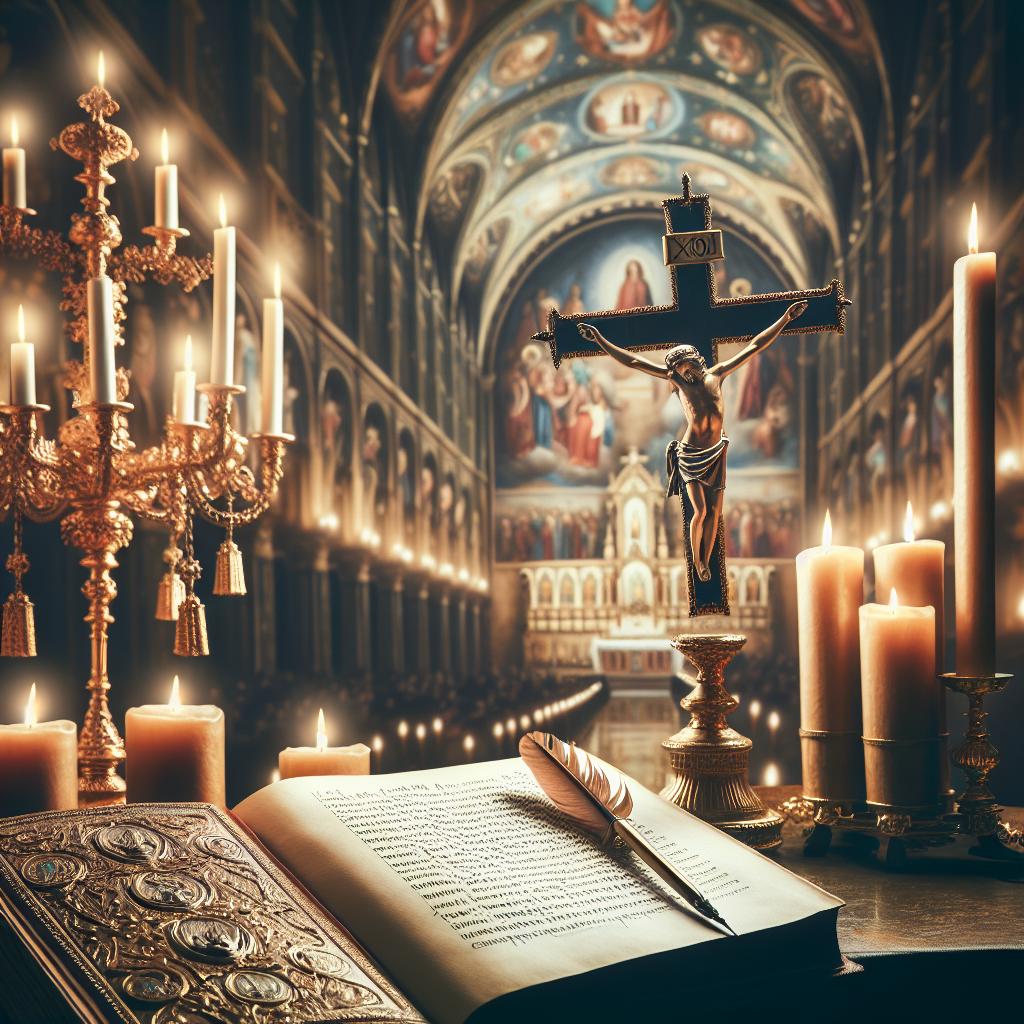
How Long Has the Latin Mass Been Around? Historical Perspectives Discussed
Since the early days of Christianity, the Latin Mass has been a cornerstone of worship for Catholic believers around the world. Dive into the rich history and origins of this ancient and sacred tradition as we explore how long the Latin Mass has been a vital part of religious practice. Get ready to uncover fascinating insights and historical perspectives that shed light on the enduring significance of this timeless ritual.
Contents
- Origins of the Latin Mass in Early Christianity
- Evolution of the Latin Mass in the Middle Ages
- Challenges and Changes to the Latin Mass in the Modern Era
- Impact of Vatican II on the Latin Mass
- Contemporary Revival of the Latin Mass
- Historical Debates Surrounding the Latin Mass
- Sacred Traditions and Rituals of the Latin Mass
- Diverse Perspectives on the Latin Mass Today
- Recommendations for Those Interested in Attending a Latin Mass
- The Conclusion
Origins of the Latin Mass in Early Christianity
During the early days of Christianity, the Mass was celebrated in Greek, the common language of the Roman Empire. However, as the Western Roman Empire began to decline, there was a need for a standardized liturgical language that could be understood by people across different regions. This led to the emergence of the Latin Mass, which was initially used in the Roman province of North Africa in the 2nd century.
Over time, the Latin Mass spread throughout the Western Church and became the standard liturgical language by the 6th century. The use of Latin allowed for greater unity and consistency in worship practices, as well as preserving the teachings of the Church. The Latin Mass was later formalized in the 16th century by the Council of Trent, which established the Tridentine Mass as the official Roman Rite.
Despite the changes brought about by Vatican II in the 1960s, which allowed for the celebration of Mass in vernacular languages, the Latin Mass continued to be celebrated by traditionalist Catholics. In recent years, there has been a renewed interest in the Latin Mass, with Pope Benedict XVI issuing the motu proprio Summorum Pontificum in 2007, allowing for greater flexibility in its celebration.
Evolution of the Latin Mass in the Middle Ages
The Latin Mass has a rich history that evolved significantly during the Middle Ages. This period saw the development of various aspects of the Latin Mass, including changes in structure, language, and ceremonial practices.
One of the key developments during this time was the standardization of the Latin Mass across different regions. Prior to the Middle Ages, there was significant variation in the way the Mass was celebrated, with different regions and churches having their own unique practices. However, as the Church sought to create a more unified liturgy, efforts were made to standardize the Latin Mass to ensure consistency across the Catholic world.
Additionally, the Middle Ages saw the gradual incorporation of new elements into the Latin Mass. This included the introduction of music, such as Gregorian chant, as well as changes to the order of the Mass itself. These developments not only added to the beauty and solemnity of the Mass but also helped to deepen the spiritual experience for worshipers.
Overall, the played a crucial role in shaping the way the Mass is celebrated today. By standardizing practices, incorporating new elements, and emphasizing the importance of unity in worship, the Church laid the foundation for the rich liturgical tradition that continues to be cherished by Catholics around the world.
Challenges and Changes to the Latin Mass in the Modern Era
In recent years, the Latin Mass has experienced both challenges and changes as it navigates through the modern era. One of the main challenges facing the Latin Mass is the declining number of priests who are trained in celebrating it. This has led to a shortage of clergy who can perform the Latin Mass, resulting in some parishes no longer offering this form of worship.
Another significant challenge is the debate surrounding the accessibility and inclusivity of the Latin Mass. Some argue that the use of Latin may alienate younger generations who are not familiar with the language, while others believe that preserving the tradition and reverence of the Latin Mass is crucial.
Despite these challenges, there have been some changes to the Latin Mass in the modern era. For example, some parishes have begun incorporating more vernacular languages alongside Latin to make the Mass more accessible to a wider audience. Additionally, there has been a renewed interest in the Latin Mass among certain Catholics, leading to a resurgence of interest in traditional liturgical practices.
Overall, the Latin Mass has a rich history that spans centuries, and its adaptation to the challenges of the modern era will continue to shape its practice for years to come. Whether one supports or opposes the changes to the Latin Mass, it is clear that this form of worship holds a significant place in the hearts of many faithful believers.
Impact of Vatican II on the Latin Mass
Introduction to the Latin Mass
The Latin Mass, also known as the Tridentine Mass or Traditional Latin Mass, has a long and rich history within the Roman Catholic Church. The Mass dates back to the early centuries of Christianity and has gone through various changes and developments over the years. The Latin Mass was the primary form of worship for Catholics until the Second Vatican Council in the 1960s.
The Second Vatican Council, also known as Vatican II, was a landmark event in the history of the Catholic Church. One of the major changes brought about by Vatican II was the reform of the liturgy, including the Mass. The Council called for Mass to be celebrated in the language of the people, rather than in Latin. This had a significant impact on the Latin Mass, as it led to the introduction of the Novus Ordo Mass in many parishes.
- The use of Latin in the Mass was greatly reduced
- Changes were made to the structure and format of the Mass
- New liturgical practices were introduced
Current Status of the Latin Mass
Despite the changes brought about by Vatican II, the Latin Mass continues to be celebrated in some Catholic communities. In 2007, Pope Benedict XVI issued a motu proprio allowing for greater use of the Latin Mass. This has led to a resurgence of interest in the Latin Mass among some Catholics, who see it as a way to connect with the traditional roots of their faith.
| Date | Event |
|---|---|
| 1962-1965 | Second Vatican Council |
| 2007 | Pope Benedict XVI issues motu proprio |

Contemporary Revival of the Latin Mass
Throughout history, the Latin Mass has been a central part of Roman Catholic worship for centuries. Its origins can be traced back to the early days of the Church, with the Latin language being used in liturgical celebrations as early as the 2nd century.
One of the most significant developments in the history of the Latin Mass occurred in the 16th century, with the Council of Trent issuing a decree that standardized the form of the Mass across the Roman Catholic Church. This form, known as the Tridentine Mass, remained in use for centuries until it was replaced by the Novus Ordo Mass following the Second Vatican Council in the 1960s.
In recent years, there has been a growing interest in reviving the traditional Latin Mass among some Roman Catholic communities. This revival has been met with both enthusiasm and controversy, as some see it as a way to preserve the rich heritage of the Church, while others view it as a step backward in the process of liturgical reform.
Overall, the serves as a reminder of the enduring power and significance of this ancient form of worship, which continues to inspire and resonate with believers around the world.

Historical Debates Surrounding the Latin Mass
Throughout history, the Latin Mass has been a topic of controversy and debate. One of the key points of contention is the duration of time that the Latin Mass has been in existence. While some believe that the Latin Mass has been around for centuries, others argue that it is a more recent development. Here, we delve into the historical perspectives surrounding the Latin Mass.
**Key Points:**
- The Latin Mass can be traced back to the earliest days of Christianity, with Latin being established as the official language of the Roman Catholic Church in the 4th century.
- One of the most well-known forms of the Latin Mass, the Tridentine Mass, was codified by the Council of Trent in the 16th century as a response to the Protestant Reformation.
- In the 20th century, following the Second Vatican Council, the Latin Mass underwent significant changes and was replaced by vernacular languages in the liturgy.
| Year | Significant Event |
|---|---|
| 4th century | Latin established as official language of Roman Catholic Church |
| 16th century | Tridentine Mass codified by Council of Trent |
| 20th century | Latin Mass replaced by vernacular languages post-Vatican II |
Sacred Traditions and Rituals of the Latin Mass
The Latin Mass, also known as the Extraordinary Form of the Roman Rite, has deep roots in the history of the Catholic Church. Dating back to the early days of Christianity, the Latin Mass has been celebrated for centuries, with its rituals and traditions passed down through generations.
One of the key aspects of the Latin Mass is its use of the Latin language, which has been the official language of the Church for centuries. This language adds a sense of reverence and sacredness to the Mass, connecting worshippers to the rich history of the Church.
Many of the sacred traditions and rituals found in the Latin Mass have remained unchanged for centuries, providing a sense of continuity and stability for worshippers. From the use of incense and Gregorian chant to the elaborate vestments worn by the clergy, each element of the Latin Mass is steeped in tradition and symbolism.
- Key Points:
- The Latin Mass has a long history dating back to the early days of Christianity.
- Its use of the Latin language adds a sense of reverence and connection to the Church’s history.
- Sacred traditions and rituals in the Latin Mass provide continuity and stability for worshippers.

Diverse Perspectives on the Latin Mass Today
In discussing the historical perspectives of the Latin Mass, it’s essential to understand the roots of this rich tradition. The Latin Mass, also known as the Traditional Latin Mass or Tridentine Mass, traces its origins back to the early centuries of the Church. With its use of the Latin language and traditional prayers, this form of the Mass has been celebrated for centuries by Catholics around the world.
One pivotal moment in the history of the Latin Mass was the Council of Trent in the 16th century. The Council of Trent standardized the Roman Missal and reaffirmed the importance of the Latin language in the liturgy. This decision had a lasting impact on the celebration of the Mass and solidified the use of Latin for centuries to come.
Despite changes in the liturgy following the Second Vatican Council in the 1960s, the Latin Mass has continued to be celebrated by those who hold a deep reverence for its traditions. Today, the Latin Mass remains a cherished part of the Catholic faith, attracting a diverse group of believers who appreciate its beauty and solemnity.
As we reflect on the long history of the Latin Mass, we can appreciate the continuity and richness of this ancient tradition. Whether one is a staunch supporter or a curious observer, the Latin Mass continues to spark meaningful conversations and provide a unique perspective on the beauty of the Catholic liturgy.
Recommendations for Those Interested in Attending a Latin Mass
If you are interested in attending a Latin Mass, there are a few recommendations to keep in mind to make the experience more fulfilling:
- Research the Latin Mass: Before attending, take some time to learn about the history and traditions of the Latin Mass.
- Attend a Low Mass: If you are new to the Latin Mass, start by attending a Low Mass to get a feel for the structure and pacing of the service.
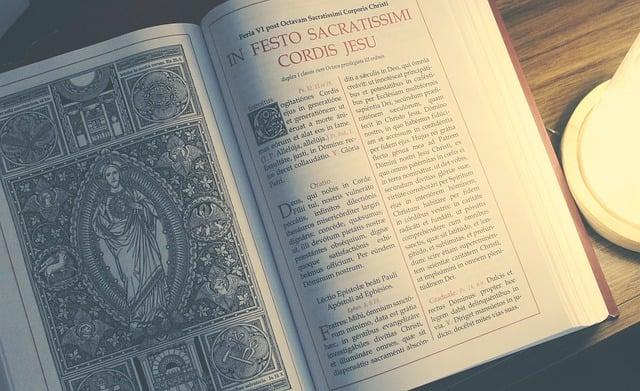
- Bring a Missal: A Missal is a helpful tool that provides the Latin text alongside the English translation, making it easier to follow along with the prayers and readings.
- Dress modestly: While there is no strict dress code for attending a Latin Mass, it is respectful to dress modestly out of reverence for the sacred nature of the liturgy.
The Conclusion
In conclusion, the Latin Mass has a rich and fascinating history that spans over a millennium. From its origins in the early Christian church to its enduring presence in the modern era, the Latin Mass has played a significant role in shaping the religious practices of millions of Catholics around the world. By understanding the historical perspectives discussed in this article, we can gain a deeper appreciation for the traditions and rituals that have stood the test of time. So next time you attend a Latin Mass, take a moment to reflect on the centuries of history that are woven into every word and gesture.


 PROSPERITY PRAYER