

How Does Latin Mass Differ From? Ecclesiastical Contrasts Explored
Welcome to a deep dive into the world of liturgical tradition! In this article, we will explore the distinct differences between the Latin Mass and other forms of ecclesiastical worship. By examining the unique characteristics and rituals of each, we hope to shed light on the rich tapestry of expressions within the Catholic Church. So sit back, relax, and prepare to expand your understanding of the diverse and ancient practices that shape our spiritual lives.
Contents
- Key Differences in Liturgical Language
- Comparing Rituals and Gestures
- Understanding the Role of the Priest and Congregation
- Exploring the Theological Significance
- An Overview of Music and Chant
- Reflections on the Sense of Reverence and Solemnity
- Investigating Changes in Vatican II Reforms
- Navigating Personal Preferences and Traditions
- Making an Informed Decision on Attendance
- Future Outlook
Key Differences in Liturgical Language
In the Catholic Church, there are distinct differences in the liturgical language used during Mass, with the most prominent being the Latin Mass and the vernacular Mass. These differences define not only the language used but also the entire experience and spirituality of the worshipers.
Latin Mass, also known as the Extraordinary Form of the Roman Rite, is celebrated predominantly in Latin, with only certain parts or responses in the vernacular language. This form of Mass is characterized by its rich tradition, solemnity, and reverence, with the prayers and chants being sung or recited in Latin, a language understood by a limited number of worshipers today.
On the other hand, the vernacular Mass, commonly known as the Ordinary Form, is celebrated in the language of the local people, making it more accessible and understandable to the congregation. This form of Mass allows worshipers to actively participate in the prayers, readings, and responses in a language they know, enhancing their engagement and connection with the liturgy.
While both forms of Mass share the same essential elements and rituals, the reflect the diverse ways in which Catholics experience and express their faith through worship. Whether celebrated in Latin or the vernacular, Mass remains a sacred and communal act of prayer and praise, uniting believers in their devotion to God.

Comparing Rituals and Gestures
Latin Mass and Ecclesiastical Contrasts
In the realm of religious practices, the Latin Mass and other ecclesiastical rituals present intriguing points of comparison. The Latin Mass, also known as the Tridentine Mass, is a traditional form of worship in the Roman Catholic Church, celebrated in Latin. On the other hand, ecclesiastical gestures encompass a wide range of actions and rituals performed within various Christian denominations. Let’s delve into some key differences between these two sacred practices.
Language and Tradition
– Latin Mass: The Latin Mass is steeped in centuries-old tradition, with prayers and hymns recited in Latin, the sacred language of the Roman Catholic Church. This ancient form of worship has a sense of timelessness and continuity.
– Ecclesiastical Gestures: Ecclesiastical gestures, on the other hand, may vary in form and language depending on the denomination. Some may use vernacular languages in their worship services, while others uphold traditional practices in Latin or other ancient languages.
Role of Priests and Laity
– Latin Mass: In the Latin Mass, priests play a central role as mediators between the congregation and God. The priest performs specific rituals and prayers on behalf of the faithful, leading them in the worship of the divine.
– Ecclesiastical Gestures: Ecclesiastical gestures may involve active participation from both clergy and laity. Members of the congregation may engage in responsive readings, prayers, and symbolic actions as part of the worship experience.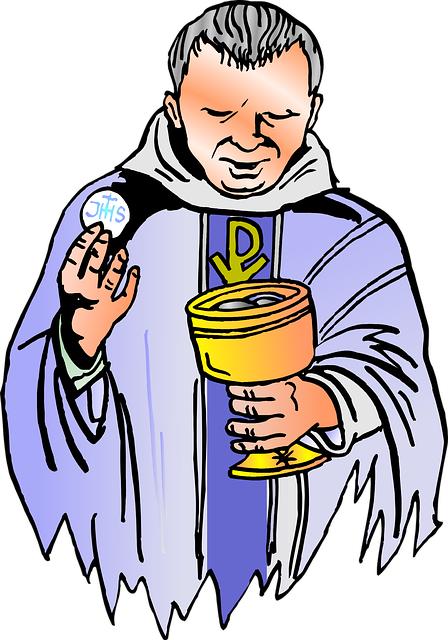
Understanding the Role of the Priest and Congregation
In the Latin Mass, the role of the priest and congregation is steeped in tradition and reverence. The priest, acting as mediator between God and the congregation, plays a central role in leading the faithful in worship and administering the sacraments. Through his ordination, the priest is given the authority to consecrate the Eucharist and offer prayers on behalf of the congregation.
The congregation, on the other hand, participates in the Mass through prayer, responses, and rituals that have been passed down through generations. While the priest leads the Mass, the congregation plays a vital role in offering their own prayers and intentions, uniting their voices in worship and praise. Together, the priest and congregation create a sacred and communal experience that reflects the unity of the Church.
In contrast to other forms of worship, such as Protestant services, the Latin Mass emphasizes the priest as an intermediary between God and the people, highlighting the sacramental nature of the Mass. The congregation’s role is to actively engage in the liturgy, offering their own prayers and petitions alongside the priest. This unique dynamic creates a sense of unity and reverence that is central to the Latin Mass tradition.
Exploring the Theological Significance
Latin Mass and other forms of ecclesiastical worship present unique differences that reflect the theological significance behind each practice. One of the key distinctions is the use of Latin as the primary language in the Latin Mass, compared to vernacular languages commonly used in other forms of worship. This use of Latin is rooted in tradition and serves as a way to maintain a sense of universality and continuity in the Catholic Church.
Another notable contrast is the elaborate ritual and ceremonial nature of the Latin Mass, which often includes intricate gestures, prayers, and chants. These elements are designed to create a sense of reverence and awe, emphasizing the sacredness of the Eucharist and the presence of God. In contrast, other forms of worship may focus more on simplicity and spontaneity in their practices.
Furthermore, the Latin Mass places a strong emphasis on the role of the priest as mediator between God and the congregation, with the priest facing the altar and leading the worship in a more hierarchical manner. This emphasis on the priest’s role as mediator highlights the sacramental nature of the Mass and the belief in the priest’s ability to confect the Eucharist. This differs from other forms of worship where the congregation may have a more active role in the service.
Overall, the theological significance of the Latin Mass lies in its emphasis on tradition, reverence, and the sacramental nature of the Eucharist. By exploring these ecclesiastical contrasts, we gain a deeper understanding of the unique beauty and richness of the Latin Mass and its role within the Catholic Church.
An Overview of Music and Chant
In the world of ecclesiastical music, the differences between Latin Mass and other forms of worship are stark. One of the most notable distinctions lies in the use of music and chant. Latin Mass is characterized by its traditional and sacred music, which is intended to enhance the religious experience for worshippers.
Chant, in particular, plays a significant role in Latin Mass. It is a form of musical expression that is characterized by its monophonic, unaccompanied style. Chant is often sung in Latin, adding to the sense of reverence and solemnity in the Mass.
On the other hand, other forms of worship may incorporate a wider range of music styles, including contemporary songs and instrumental accompaniment. This can create a more dynamic and varied musical experience for worshippers, but it lacks the time-honored tradition and spiritual depth of chant in Latin Mass.
Despite these differences, both Latin Mass and other forms of worship aim to create a sacred and meaningful experience for their congregations through the power of music and chant.

Reflections on the Sense of Reverence and Solemnity
Latin Mass, also known as Tridentine Mass, is a traditional form of the Roman Catholic Mass celebrated in Latin. One of the key differences between Latin Mass and the more modern Novus Ordo Mass is the sense of reverence and solemnity that is often associated with the former. Here are some reflections on how this sense of reverence and solemnity is manifested in Latin Mass:
- Sacred Language: Latin Mass is celebrated in Latin, which is considered the sacred language of the Church. The use of Latin adds a level of mystery and transcendence to the Mass, creating a sense of solemnity and awe among the faithful.
- Chant and Polyphony: Latin Mass often incorporates Gregorian chant and polyphonic music, adding to the sense of reverence and beauty of the liturgy. The use of traditional sacred music enhances the spiritual experience of the faithful, elevating their hearts and minds to God.
- Ceremonial Gestures: In Latin Mass, there are many ceremonial gestures and rituals that emphasize the sacredness of the liturgy. From the incensing of the altar to the genuflections and bowing, these gestures help to create a sense of reverence and devotion among the worshipers.
| Latin Mass | Novus Ordo Mass |
|---|---|
| Celebrated in Latin | Celebrated in vernacular languages |
| Focus on traditional sacred music | More flexibility in music selection |
| More emphasis on ceremonial gestures | Less emphasis on ceremonial gestures |
Overall, Latin Mass offers a unique and profound experience of worship, characterized by its sense of reverence and solemnity. It is a form of the Mass that has deeply impacted the faithful for centuries, drawing them closer to God through its ancient rituals and traditions.
Investigating Changes in Vatican II Reforms
In exploring the differences between the Latin Mass and the reforms of Vatican II, it becomes evident that these two forms of worship represent distinct approaches to the practice of Catholicism. The Latin Mass, known as the Tridentine Mass, is steeped in tradition and ritual, with prayers and readings conducted in Latin. On the other hand, the reforms of Vatican II sought to modernize the Church and make the liturgy more accessible to the laity.
One major distinction between the Latin Mass and the post-Vatican II liturgy is the language used during the service. While the Latin Mass is celebrated exclusively in Latin, the post-Vatican II liturgy allows for the use of vernacular languages, allowing worshippers to better understand and engage with the prayers and readings. This shift towards vernacular languages was one of the key reforms of Vatican II, intended to make the liturgy more inclusive and relevant to contemporary worshippers.
Another significant difference between the Latin Mass and the post-Vatican II liturgy is the level of participation allowed for the congregation. In the Latin Mass, the priest is the central figure, leading the prayers and rituals on behalf of the worshippers. In contrast, the post-Vatican II liturgy encourages greater participation from the congregation, with opportunities for lay individuals to take on active roles in the service, such as serving as lectors or Eucharistic ministers.

In the realm of Catholic liturgy, the Latin Mass and the Novus Ordo Mass stand as two distinct expressions of worship within the Church. Each brings its own set of personal preferences and traditions that shape the spiritual experience of the faithful.
The Latin Mass, also known as the Extraordinary Form, is celebrated in Latin and follows the traditional Roman Rite. This form of the Mass is characterized by its reverence for tradition, its use of Gregorian chant, and its emphasis on the sacred nature of the Eucharist. The priest faces ad orientem, leading the congregation in prayer towards the East, symbolizing the desire for union with God.
On the other hand, the Novus Ordo Mass, introduced in the 1960s after the Second Vatican Council, is celebrated in the vernacular language of the local community. This form of the Mass incorporates more modern elements, such as hymns in the native language, a greater participation of the congregation in the liturgy, and a focus on active engagement with the teachings of the Church.
While both forms of the Mass offer a valid celebration of the Eucharist, the choice between the Latin Mass and the Novus Ordo Mass often comes down to personal preference and deeply held traditions. Some may prefer the solemnity and beauty of the Latin Mass, while others may feel more at home in the communal atmosphere of the Novus Ordo. Ultimately, both forms of the Mass offer the faithful a profound encounter with the mystery of the Eucharist and the presence of Christ in the liturgy.
Making an Informed Decision on Attendance
When considering whether to attend Latin Mass or a more contemporary ecclesiastical service, it’s important to understand the key differences in order to make an informed decision. Latin Mass, also known as Tridentine Mass, is celebrated in Latin and follows a more traditional liturgical form. Here are some contrasts to consider:
Latin Mass:
- Celebrated in Latin
- Follows the Tridentine liturgical form
- Priest faces ad orientem (towards the East)
- More emphasis on reverence and solemnity
- Chanting and Gregorian music often used
Contemporary Ecclesiastical Service:
- Celebrated in the local vernacular language
- Follows a more modern liturgical form
- Priest faces the congregation
- Emphasis on active participation and community engagement
- Contemporary music and hymns used
Both forms of worship have their own unique beauty and significance, so ultimately the choice between attending Latin Mass or a contemporary ecclesiastical service comes down to personal preference and spiritual needs. Explore both options to see which resonates more with your own faith journey.
Future Outlook
In conclusion, the differences between the Latin Mass and the Novus Ordo Mass are rooted in centuries of tradition, theology, and practice within the Catholic Church. While both forms of worship offer a profound encounter with the divine, understanding the nuances of each can enrich our spiritual lives and deepen our appreciation for the diverse rituals and expressions of faith within the Church. Whether you prefer the solemnity of the Latin Mass or the accessibility of the Novus Ordo, one thing remains clear – both traditions ultimately lead us to the same destination: a closer relationship with God.


 ELITE NEUROSCIENCE DISCOVERY