

Symbolic Representation: What Is the Symbol for Holy Orders?
Symbolic Representation: What Is the Symbol for Holy Orders?
Welcome, fellow seekers of knowledge, as we dive into the captivating world of symbolic representation within the realm of Holy Orders. Throughout history, symbols have been used to convey profound meanings and encapsulate complex concepts. Religious practices, in particular, have employed these symbolic representations to enhance spiritual understanding and foster a deeper connection with the divine. In this enlightening article, we embark on an exploration of one specific symbol—the symbol for Holy Orders—and unravel its significance within the context of various religious traditions. Prepare to broaden your horizons and unlock the mysteries behind this age-old symbol, as we uncover the profound meaning it holds for those who embrace the path of divine devotion.
Contents
- Symbolic Representation: What Is the Symbol for Holy Orders?
- Symbolism in Religious Practices: A Deeper Understanding of Holy Orders
- Exploring the Historical Roots: Ancient Symbols Associated with Holy Orders
- The Crucial Significance of the Mitre: A Prominent Symbol in Holy Orders
- Understanding the Stole: A Symbolic Vestment in Holy Orders
- The Vested Alb: A Meaningful Symbol in the Order of the Priesthood
- Decoding the Significance of the Chasuble: An Emblem of Holy Orders
- The Sacred Ring: Symbolizing the Permanent Union of Holy Orders
- The Crozier: A Symbol of Authority and Shepherdship in Holy Orders
- Embarking on a Sacred Journey: Symbols Guiding the Ordained in Holy Orders
- To Wrap It Up
Symbolic Representation: What Is the Symbol for Holy Orders?
In the realm of religious symbolism, each sacrament within the Catholic Church is represented by an emblematic sign. Holy Orders, a sacrament that involves the ordination of men into the priesthood, also possesses its own distinct symbol. It is fascinating to explore the symbolic representation of Holy Orders, as it holds deep meaning for those within the Catholic faith.
The symbol for Holy Orders is referred to as the "Stole." The Stole is a long, narrow strip of fabric, typically adorned with intricate designs or religious motifs. It is worn around the shoulders by priests and bishops during various liturgical ceremonies, signifying their clerical authority and spiritual responsibility. The Stole is considered a visual representation of the sacred power and dignity bestowed upon individuals through the sacrament of Holy Orders.
At its core, the Stole serves as a reminder of the yoke of Christ that the ordained carry. Just as a yoke unites the oxen to the plow, the Stole serves as a symbol of the priest’s dedication to serving God and the Church. It is a tangible reminder of their commitment to the spiritual well-being of their parishioners, and their role as mediators between God and humanity.
The Stole also represents the authority granted to priests and bishops to celebrate certain sacraments, most notably the Eucharist and Reconciliation. When worn, it serves as a visible reminder of their role as shepherds entrusted with the spiritual guidance and care of the faithful. Through the Stole, the power of the sacrament of Holy Orders is made manifest, symbolizing the priest’s special connection to God and their commitment to the church community.
In conclusion, the Stole serves as the symbolic representation of Holy Orders within the Catholic Church. Its presence and significance resonate deeply with priests and bishops, reminding them of their sacred calling and profound responsibilities. The Stole not only embodies the power of the sacrament but also serves as a visual reminder for all believers of the importance of the ordained clergy in the spiritual life of the faithful.
Symbolism in Religious Practices: A Deeper Understanding of Holy Orders
Symbolic representation plays a significant role in religious practices, providing deeper meanings and understanding. Holy Orders, in particular, is a sacrament with its own unique symbol. The symbol for Holy Orders is the laying on of hands.
This symbolic gesture of laying hands on the individual being ordained represents the passing of authority and the receiving of the Holy Spirit. It is an ancient tradition that can be traced back to the time of Jesus and the apostles. Through this act, the bishop or priest imparts spiritual power, consecrating the individual for their specific role within the Church.
The laying on of hands symbolizes the connection between the ordained individual and the apostles themselves, who were chosen by Jesus and received the Holy Spirit through this same action. It signifies the continuity and succession of the apostolic ministry within the Church, ensuring that the authority and grace of the sacraments are faithfully passed down through the generations.
In addition to the laying on of hands, other symbols associated with Holy Orders include the stole, chasuble, and miter. These liturgical garments serve as visible reminders of the ordained individual’s role and responsibilities within the Church. The stole, worn around the neck, represents the authority and yoke of Christ, while the chasuble and miter symbolize the priestly and episcopal offices, respectively.
Understanding the symbolism behind Holy Orders allows us to appreciate the sacredness and significance of this sacrament. It reminds us of the spiritual authority entrusted to those called to serve the Church and serves as a reminder of their commitment to God and His people.
Exploring the Historical Roots: Ancient Symbols Associated with Holy Orders
Symbols have always played a significant role in religious traditions and practices. When it comes to the Holy Orders, there are a number of ancient symbols that have deep historical roots and profound meaning. These symbols not only represent the sacredness and authority associated with the Holy Orders but also serve as a reminder of the spiritual journey and commitment of those who choose this path.
One of the most widely recognized symbols for Holy Orders is the "chi-rho." This symbol is formed by combining the first two letters of the Greek word for "Christ." It has been used since ancient times, often inscribed on vestments, chalices, and other sacred objects. The chi-rho embodies the central message of Christianity and represents the presence of Christ in the lives of those ordained into Holy Orders.
Another ancient symbol associated with Holy Orders is the "crosier." This staff-like symbol, resembling a shepherd’s crook, represents the spiritual authority and pastoral care entrusted to those in the clergy. The crosier serves as a reminder of the role a priest or bishop plays in guiding and shepherding their flock, just as a shepherd guides and protects their sheep.
The "mitre" is yet another symbol closely linked to Holy Orders. This distinctive headdress worn by bishops and abbots symbolizes their authority and office within the Church. The mitre is adorned with intricate designs and often features embroidered representations of biblical scenes or symbols, signifying the deep connections between the ordained and the scriptures.
In addition to these symbols, Holy Orders also involve various rituals and traditions that hold symbolic significance. For example, the laying on of hands during the ordination ceremony signifies the passing of spiritual authority and the calling of the Holy Spirit upon the individual. The anointing with sacred oils further represents the consecration and empowerment of the ordained to carry out their duties with divine grace.
Symbols associated with Holy Orders hold a rich history and convey profound meaning. They serve as visual reminders of the sacredness, authority, and spiritual journey that individuals within the Holy Orders embark upon. These symbols not only connect the present to the ancient traditions of the Church but also inspire and guide those called to serve in the clergy.
The Crucial Significance of the Mitre: A Prominent Symbol in Holy Orders
The mitre, a distinct and recognizable headpiece, holds significant symbolism in Holy Orders within the Catholic Church. This unique headdress worn by bishops and abbots serves as a powerful visual representation of authority, dignity, and the sacred responsibilities entrusted to those who have received the sacrament of Holy Orders.
One of the primary symbols associated with the mitre is its shape. Resembling a pointed crown, this design represents the role of the bishop or abbot as a spiritual leader within the Church. Just as a crown denotes royalty, the mitre signifies the spiritual authority and sovereignty the ordained individual possesses in guiding and shepherding the faithful.
Additionally, the colors and adornments on the mitre are laden with symbolism. The choice of colors typically follows liturgical traditions. For example, during festive celebrations, the mitre may be adorned with gold or other vibrant colors, representing the joy and exaltation of the occasion. On solemn occasions, subdued colors such as purple or black may be used to symbolize penance and contemplation.
The mitre’s embellishments further enhance its symbolism. Various intricate designs, often featuring embroidered or metallic threads, may be incorporated to convey the richness and spiritual significance of the office. Decorated with religious symbols, such as crosses or images of saints, the mitre serves as a reminder of the sacred lineage and the tradition of faith that the ordained individual is called to preserve and impart to others.

Understanding the Stole: A Symbolic Vestment in Holy Orders
The stole is an essential and symbolic vestment in the Christian religious ceremony of Holy Orders. It holds significant meaning and represents a deep connection to one’s faith and calling. This ornamental and elongated piece of fabric is typically worn by ordained clergy members, such as priests and deacons, during various sacraments and rituals.
The stole is made using high-quality fabric and often adorned with intricate embroidery or religious symbols. It is worn around the neck and drapes down in front, with equal lengths on both sides. The colors of the stole can vary depending on the liturgical season or the specific occasion. For example, the color may be white for joyful celebrations like weddings or baptisms, while purple is often used during Lent and Advent as a symbol of penance and preparation.
Symbolically, the stole represents the authority and responsibility bestowed upon those in Holy Orders. It serves as a visible symbol of their role as mediators between God and the congregation. The stole is a reminder for clergy members to humbly serve and guide their community, conveying a sense of unity and devotion. It is a powerful reminder that those wearing it are acting as representatives of Christ and His teachings.
Within the Catholic Church, the stole has additional symbolism. When priests or deacons wear the stole, it signifies their ability to administer the sacraments. For example, during the sacrament of confession, the stole is used as a sign of the priest’s authority to absolve sins.
In conclusion, the stole is a significant symbol within the realm of Holy Orders. It manifests a deep spiritual connection and represents the role and responsibilities of clergy members within the Christian community. Its design, colors, and placement all hold symbolic meaning, reminding both the wearer and the congregation of the sacred role being fulfilled.
The Vested Alb: A Meaningful Symbol in the Order of the Priesthood
The Vested Alb is an iconic and meaningful symbol within the Order of the Priesthood, representing the sacred rite of Holy Orders. This symbolic garment holds deep significance and serves as a visual reminder of the priest’s calling and commitment to serve God and His people.
The alb itself is a white, long-sleeved tunic that is typically worn under other liturgical vestments such as the stole and chasuble. It is often made of linen, symbolizing purity and simplicity. The white color represents the purity of Christ and the priest’s role as a mediator between God and His people.
The Vested Alb is a powerful symbol in the context of Holy Orders because it signifies the priest’s role as a representative of Christ and His Church. When the priest dons the alb, it is a visible reminder that he is called to emulate Christ in his words, actions, and service to others. It is a physical embodiment of the priest’s commitment to live a life of holiness and to be a vessel of God’s grace.
In addition to its symbolic role, the Vested Alb also serves a practical purpose during liturgical celebrations. Its loose, flowing design allows the priest to move freely while performing the sacred rites and enables him to easily lift his arms in prayer and blessing.
Overall, the Vested Alb holds great significance in the Order of the Priesthood. It is a visual representation of the priest’s calling, his commitment to be a servant of God and His people, and a reminder of his role as a mediator between God and humanity.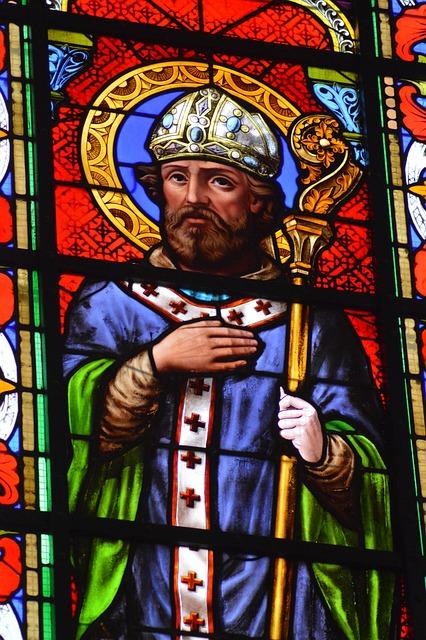
Decoding the Significance of the Chasuble: An Emblem of Holy Orders
The chasuble, a key component of the vestments worn by priests during Mass, serves as a symbolic representation of their ordination into Holy Orders. This iconic garment, often richly adorned with intricate designs and colors, carries profound meaning within the Catholic Church. Understanding the symbolism behind the chasuble allows us to appreciate its significance in the context of the priesthood.
1. Historical Origins: The chasuble has its roots in ancient Roman attire, influenced by the garments worn by the upper class during the early centuries of Christianity. It evolved over time to become the distinctive outer vestment worn exclusively by priests. Its shape, resembling a poncho, symbolizes the yoke of Christ and the burden of the priesthood.
2. Liturgical Colors: The chasuble is available in a variety of liturgical colors, each holding its own symbolism. The changing colors throughout the liturgical year reflect the different seasons of the Church calendar. For example, white represents purity and celebration, while purple signifies penance and preparation. The color of the chasuble aids in conveying the mood and message of the specific liturgical celebration.
3. Embroidery and Designs: The chasuble often features intricate embroidery and designs, which further enhance its symbolism. These embellishments can include crosses, angels, and various religious motifs. Each element has its own meaning, reinforcing the sacredness of the garment and the priest’s role in the spiritual journey of the faithful.
4. Unity and Service: When a priest dons the chasuble, it serves as a reminder of their commitment to the service of God and the Church. It also signifies the unity of the priesthood, as all ordained ministers wear this garment during Mass. The chasuble’s symbolism extends beyond its aesthetic appeal, conveying the priest’s role as a mediator between God and His people.
In summary, the chasuble holds deep symbolism within the context of Holy Orders. Its historical origins, liturgical colors, embroidery, and designs all contribute to its representation of the priesthood’s sacred duties. By understanding the significance behind this emblematic garment, we can gain a greater appreciation for the role of priests and their vital role in the Catholic faith.
The Sacred Ring: Symbolizing the Permanent Union of Holy Orders
The sacred ring holds immense significance in the realm of Holy Orders, serving as a powerful symbol of the permanent union between an individual and their divine calling. This revered symbol, worn by priests, deacons, and bishops, represents the commitment, dedication, and spiritual responsibility associated with serving the church. Crafted with precision and imbued with symbolic meaning, the sacred ring transcends its physical form to embody the essence of one’s sacred vocation.
Within the Holy Orders, the symbolism behind the sacred ring is multifaceted, encompassing various aspects of faith, authority, and fidelity. Each element of the ring carries deep significance, from the material it is made of to the intricate design details that adorn its surface. Traditionally, the sacred ring is fashioned from precious metals such as gold or silver, symbolizing the exalted nature of the calling it represents. The circular shape of the ring signifies eternity and the infinite love of God, as well as the never-ending commitment to serve the church and its congregation.
Furthermore, the sacred ring often bears engravings or gemstones that hold specific symbolic meaning. These embellishments may include representations of religious symbols, such as a cross or a dove, representing Christ’s sacrifice and the Holy Spirit, respectively. They may also feature the individual’s initials or a biblical verse as a personal reminder of their spiritual journey and the teachings of their faith.
In addition to its spiritual significance, the sacred ring also serves as a visible sign of authority within the ecclesiastical hierarchy. Bishops, for instance, wear a ring as a sign of their episcopal authority, signifying their role as shepherds and leaders of their dioceses. The sacred ring thus becomes a powerful symbol of the responsibilities and accountability that come with occupying a position of spiritual guidance within the church.
To conclude, the sacred ring represents more than just a piece of jewelry worn by individuals in Holy Orders. With its intricate symbolism and profound spiritual connotations, it serves as a tangible reminder of one’s lifelong commitment to serving God and His people. Through its material, design, and engravings, the sacred ring encapsulates the essence of faith, devotion, and authority, fostering a profound sense of reverence and connection to the divine.
The Crozier: A Symbol of Authority and Shepherdship in Holy Orders
In the world of Holy Orders, there is a symbol that holds great significance and embodies the authority and shepherdship bestowed upon those who have dedicated their lives to serving the Church. This symbol is none other than the Crozier, a staff-like instrument that carries a rich history and deep symbolism.
The Crozier, also known as a pastoral staff, is a distinctive wooden staff topped with a curved hook. It is a visual representation of the spiritual authority granted to bishops and abbots, symbolizing their role as shepherds guiding their flock. The significance of the Crozier dates back to ancient times, where it was commonly used by shepherdesses and shepherds to lead and protect their sheep.
One of the key features of the Crozier is its curved hook at the top, often shaped like a shepherd’s crook. This shape serves as a reminder of the bishop’s duty to guide and care for the faithful as a shepherd would for his sheep. The hook also symbolizes the bishop’s ability to draw back and redirect those who may have strayed from the path of faith, gently guiding them back to the flock.
In addition to its symbolism, the Crozier also serves a practical purpose. The staff provides support and stability as the bishop walks, illustrating the strength and steadfastness required in their role. It can also be used to bless objects or individuals during liturgical ceremonies, further emphasizing the authority and spiritual power entrusted to bishops.
Overall, the Crozier is a powerful and meaningful symbol within the context of Holy Orders. It represents the authority, shepherdship, and guidance bestowed upon those who have dedicated their lives to the service of the Church. With its rich history and deep symbolism, the Crozier continues to be a visual reminder of the sacred responsibilities carried by bishops and abbots.
Embarking on a Sacred Journey: Symbols Guiding the Ordained in Holy Orders
Symbols play a significant role in the religious practices of the ordained in Holy Orders, guiding them on their sacred journey. These symbols not only represent their commitment and dedication but also serve as reminders of their responsibilities and connection to a higher power. One of the prominent symbols associated with Holy Orders is the “stole.”
The stole, worn by priests and deacons, is a long, narrow strip of fabric that is draped around the neck and hangs down in front. It is usually adorned with various colors and designs, each carrying its own symbolic meaning. The stole symbolizes the authority and power bestowed upon the ordained, acting as a visible sign of their office and their unique role within the church.
Another important symbol found in Holy Orders is the “chi-rho” symbol. The chi-rho is a monogram formed by superimposing the first two Greek letters of the word “Christ” – chi (Χ) and rho (Ρ). This symbol, often embroidered or engraved on various sacred objects like chalices or vestments, represents the name of Jesus. It serves as a reminder of the central figure of the Christian faith and the focus of the ordained’s ministry.
In addition to these symbols, there are various other objects associated with Holy Orders that hold symbolic importance. The chalice, used for the Eucharist, represents the body of Christ. The paten, a small plate holding the bread during the Mass, symbolizes the Eucharistic sacrifice. The laying on of hands during the ordination ceremony signifies the passing on of the Holy Spirit and the uninterrupted apostolic succession.
These symbols in Holy Orders act as visual reminders of the ordained’s commitment to their faith and the community they serve. They serve as a constant source of inspiration and connection to the divine. Through these symbolic representations, the ordained find strength, guidance, and a deep sense of purpose in their sacred journey.
To Wrap It Up
In conclusion, the symbol for Holy Orders holds significant meaning and represents the sacred role of individuals called to serve as priests, deacons, or bishops in the Catholic Church. The imposition of hands, along with the presentation of a stole and chasuble, symbolize the divine authority and responsibilities conferred upon those who receive this sacrament. These symbols not only serve as a visual representation of their commitment to God and the Church, but also remind us of their crucial role in guiding and nourishing our faith communities. Understanding these symbols deepens our appreciation for the sacredness of Holy Orders and the individuals who dedicate their lives to serving others through their priestly ministry. So, the next time you witness these symbols during a Holy Orders ceremony, take a moment to reflect on the immense responsibility and commitment they represent, and offer your gratitude and support to those who have answered the call to this holy vocation.


 ELITE NEUROSCIENCE DISCOVERY